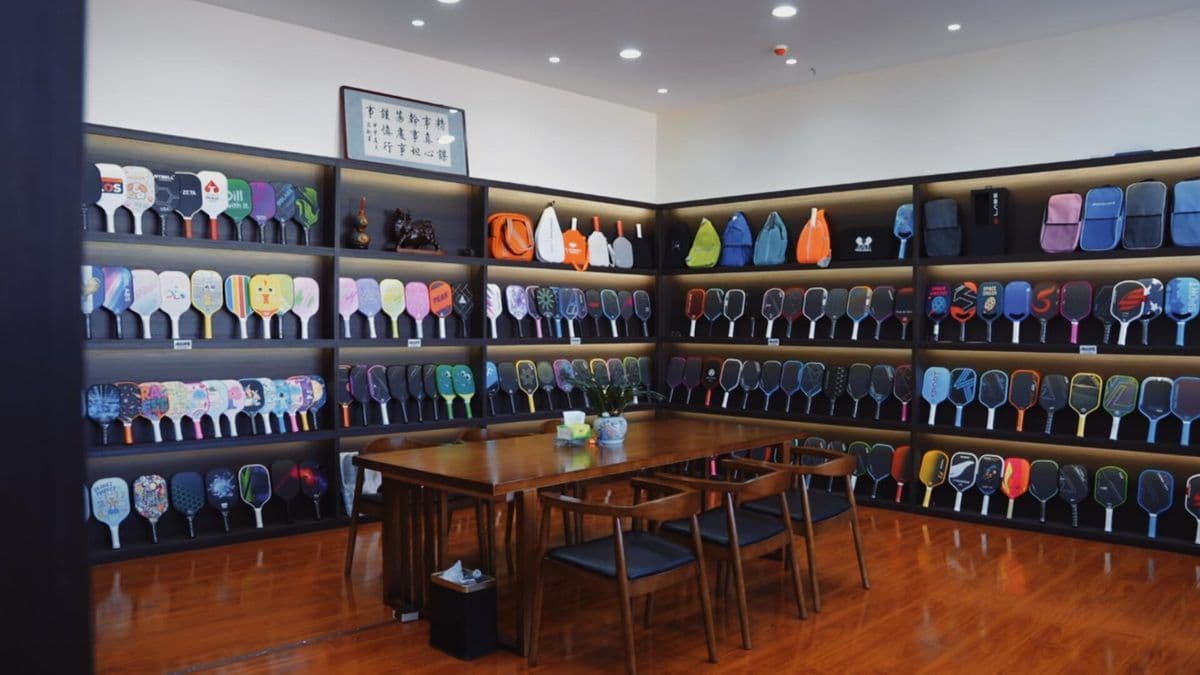
A 3D printed pickleball paddle prototype can settle a handle decision and still leave a brand unsure whether the paddle is ready for production. The useful distinction is the evidence each specimen can provide. Approve shape with a geometry model, test a defined function with a suitable functional print, and release performance claims only against the intended material and manufacturing route.
Key takeaways
- Assign every prototype a question it must answer.
- Geometry approval does not release paddle performance.
- A functional print can test a defined function.
- Use the proposed materials and process for release evidence.
- Send test records and unresolved decisions with the CAD revision.
The trap is an unsigned handoff: a designer sends an STL marked “approved,” while the supplier does not know what passed. Keep the approved geometry, tested functions and unresolved production questions separate. That lets a printed prototype save an iteration without giving it authority over a test it never underwent.
A printed paddle model and a production sample answer different questions
A geometry model answers whether the intended outline and handle suit the brief. A functional prototype answers a named question about an assembly or behavior. A production sample answers whether the proposed materials and process meet the acceptance plan. One physical object can serve several roles, but the review record must say which role it served.
Formlabs’ rapid-prototyping guidance separates concept exploration, functional prototyping and product validation. It also advises testing tolerances with the actual manufacturing process in mind. That supports a staged evidence plan; it does not establish the performance of a particular printed paddle or a PickleOEM manufacturing capability.
For a brand buyer, the first decision is which uncertainty blocks the next step. If the handle feels wrong, request a model that represents the handle and grip. If face behavior is the open issue, a shape-only model cannot close it. Choose the specimen for the question, then define its acceptance evidence.
| Specimen | Useful evidence | Verdict / release boundary |
|---|---|---|
| Geometry model | Outline, handle and grip review on a named revision | Does not release untested material performance |
| Functional print | A defined assembly or behavior test with specimen conditions | Result applies to the stated test scope |
| Production-material sample | Proposed construction and manufacturing-route evidence | Review differences from the released specification |
| Approval specimen | Finished-model evidence against the acceptance plan | Release only the claims and configuration reviewed |
Use geometry mock-ups to freeze shape and grip decisions
Use the model to make the outline, handle length, grip shape and clearance visible at full scale. Record the CAD revision and what the physical part includes. A bare printed handle and a wrapped handle create different review conditions; make that difference explicit before collecting feedback.
Ask reviewers to identify the feature behind each comment. “Uncomfortable” is hard to turn into a drawing change. A note that locates an edge, contact point or transition gives the designer something to revise and recheck. Mark the dimension or surface in the drawing, then state whether the next model must change it.
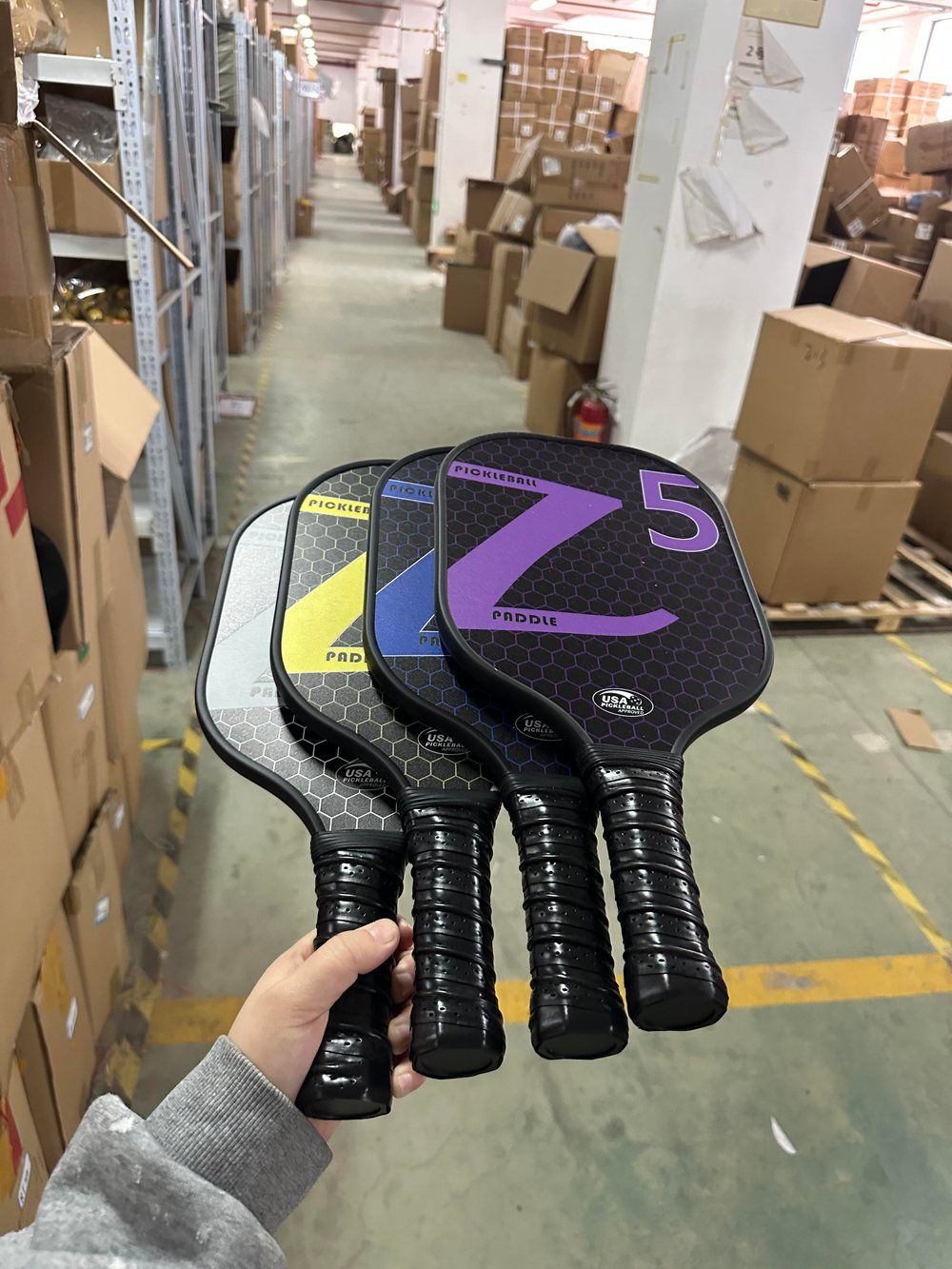
A hollow mock-up may reproduce the external shape while representing a different mass distribution. Do not treat a favorable handling impression as proof of the proposed finished paddle’s balance or on-court response. Capture the actual model condition beside the feedback so the supplier knows what the reviewer held.
Freeze only the decisions this model supported. Keep the remaining features open in the revision log. That prevents a supplier from treating a preliminary outline as approval of an untested face, core or bonded assembly.
Functional prints need a written test scope
A print can be functional. The test scope decides what its result means. Name the printer process, material, build orientation and post-processing state when they affect the question, rather than using “3D printed” as if it described a single material.
For an assembly review, identify the mating parts and the interface under evaluation. For a load or impact test, document the fixture, method, specimen condition and acceptance rule before interpreting the outcome. A failed interface can reveal a design problem even when the rest of the part is provisional; a passed test covers the documented condition.
Formlabs describes functional prototypes whose properties closely match common injection-molded plastics. Closely matching one material property is not equivalence to a paddle’s proposed composite assembly. Tell the reviewer which features represent production and which remain substitutes.
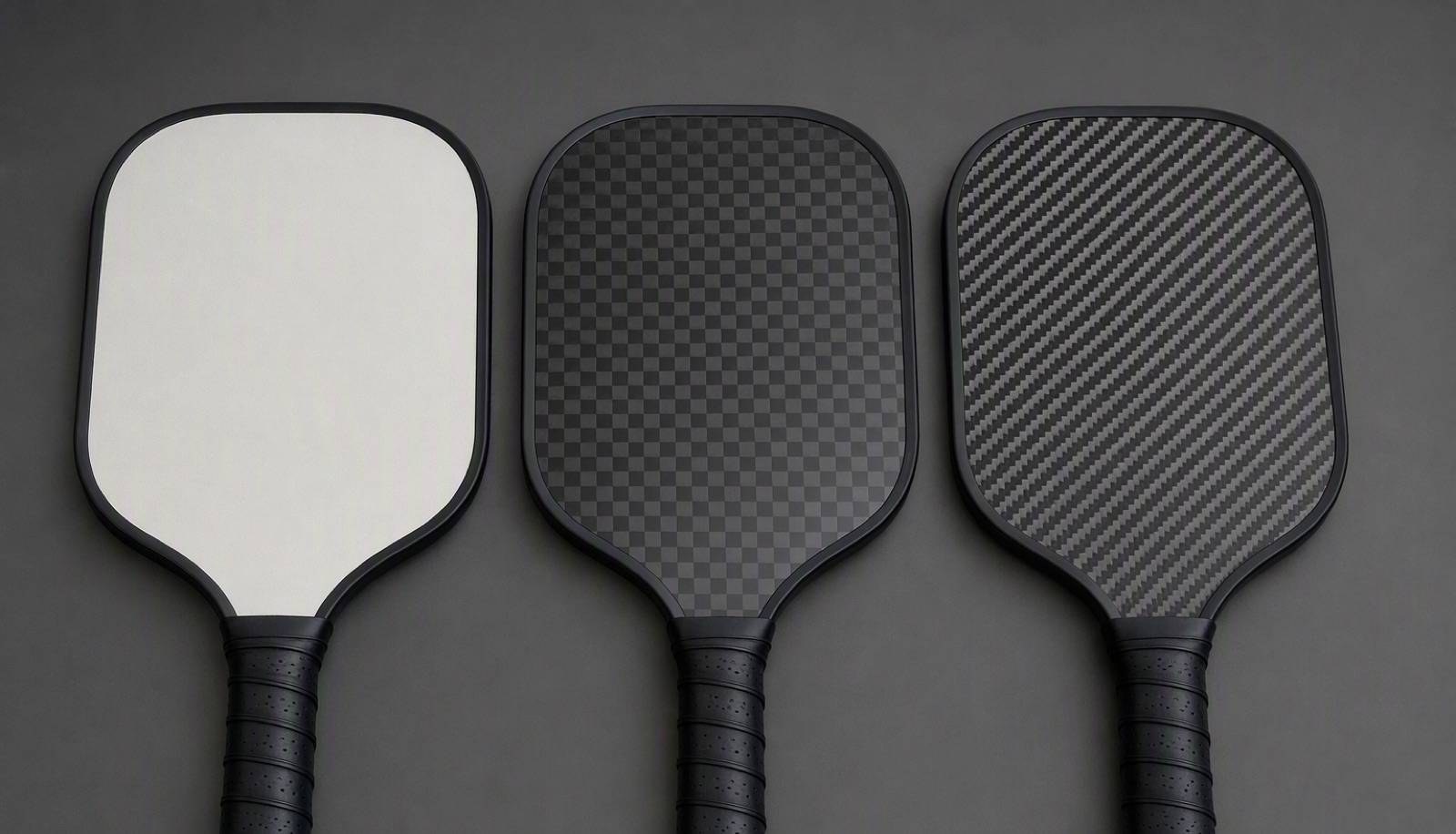
Carry that boundary into the test report. Instead of “prototype passed,” write which function passed on which revision and which claim remains open. The supplier can then reuse the evidence without turning a narrow result into a durability, ball-response or production-release statement.
Move approval to production materials and process
Move a performance decision to a specimen that represents the proposed production materials and process, or document why the chosen substitute is valid for the specific question. For a composite paddle, define the face, core, handle and bond construction in the sample specification. Changes to those items need review even if the outside dimensions remain the same.
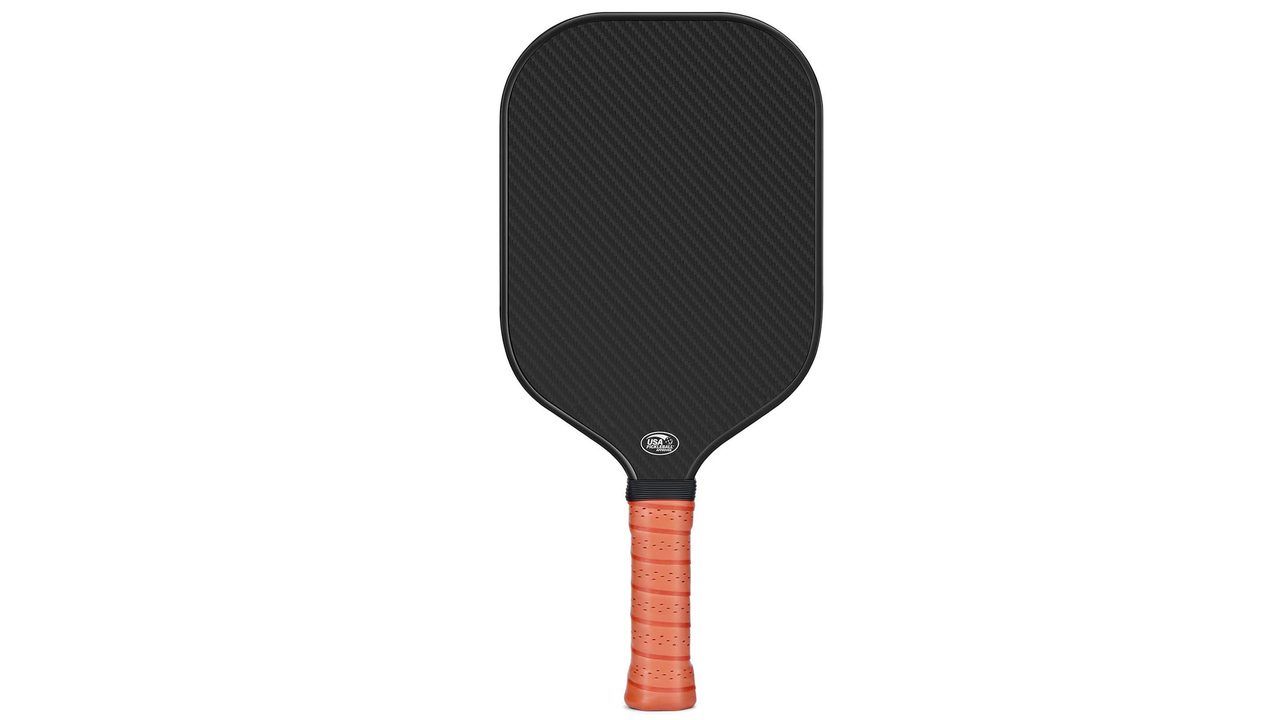
The 3K carbon-fiber paddle product page is a useful product reference when discussing the intended construction with PickleOEM. It is not evidence that the factory can reproduce your printed design, run a particular additive process or meet an unreviewed performance target. Ask the supplier to confirm the proposed sample route.
Formlabs’ rapid-tooling guidance explains that printed tooling can support parts made with actual production-grade materials for validation. The tool and the final part are different objects. This is one possible bridge from a prototype to representative material evidence, not a requirement that every paddle project use printed tooling.
If additive manufacturing is the intended production route, validate that route on its own terms. A printed production part still needs a material, process and acceptance plan. “Printed” neither disqualifies it nor grants it an automatic pass.
Give the OEM an evidence package rather than an STL alone
Send the PickleOEM OEM service team a package that explains the prototype evidence, not just a printable mesh. Include the controlled drawing and CAD revision, specimen photographs, dimensions reviewed, test records, accepted decisions and open issues. Distinguish a shape approval from an authorization to manufacture.
State the specification range you want quoted: outline variants, handle options and proposed face/core construction. Ask which variants the supplier can support and what information it needs to confirm them. Where a performance claim or competition-use target applies, request the relevant verification path for the exact finished model rather than assuming prototype approval covers it.
Ask for MOQ by construction and variant, and a price breakdown that separates prototype work, representative samples and production. Confirm lead time for each review and sample stage, the production stage and delivery separately. The approved revision, material availability and unresolved tests can affect the route; confirm their effect with the supplier instead of inserting a generic schedule.
Keep one owner for the release decision. When a later sample changes a previously accepted interface or material, return that item to review. The evidence package should show which result still applies and which needs replacement, so a new specimen does not inherit approval merely because it has the same file name.
Conclusion
Choose a geometry model when shape blocks the design, and a scoped functional print when a specific behavior remains open. Use a representative production specimen when the decision concerns the finished material or process; if additive manufacturing is that process, include it in the validation plan.
Keep the evidence package small enough to review but explicit enough to show what “approved” means. You can then compare supplier proposals by the open decisions they close, rather than the number of prototypes they offer.
Frequently Asked Questions
Can a 3D printed paddle prototype support testing?
Yes, if its material, process and construction suit a defined test. Record the tested function and specimen conditions so the result does not imply approval of untested performance.
Is an STL enough for an OEM handoff?
No. Add a controlled drawing, revision, specimen conditions, test records and a list of accepted and open decisions; the mesh alone does not state acceptance requirements.
Must production validation use a conventionally made paddle?
No. Validate the intended production materials and process, including an additive route if proposed. The relevant question is whether the evidence represents the finished model and its acceptance requirements.
Can printed tooling help validate production materials?
It can in a suitable process. Formlabs describes rapid tooling that enables production-grade material samples; the supplier must confirm whether that route fits the proposed paddle construction.