Custom Pickleball Apparel Manufacturing
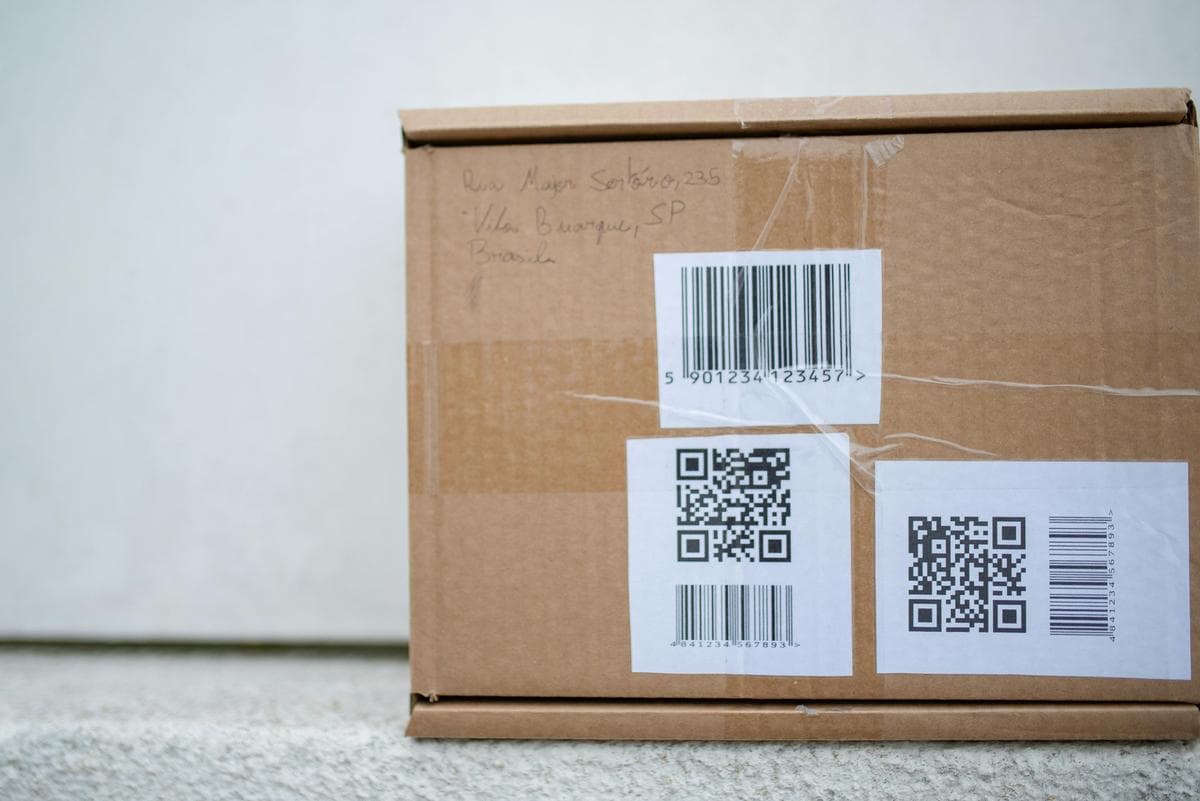
The most expensive lesson in FOB vs DDP pricing usually shows up as an Amazon FBA corrective labeling fee. Last month, a founder I know got hit with a $1,200 bill because his DDP shipment arrived without FNSKU barcodes. He could not stop the factory from shipping non-compliant cartons because DDP eliminates your quality inspection window at the origin port. You are paying a 15-25% logistics markup just to lose control of your own inventory.
We pulled the actual freight quotes and duty calculations on a 1,000-unit paddle order to show you where that markup hides. You will see exactly why a DDP rate lower than your own math means the supplier is under-declaring value to customs. I am going to explain why you must default to FOB or DAP on any order over 500 units to keep your landed cost under $12.
FOB vs DDP Pricing Explained
DDP looks like the easy route, but it buries your actual freight costs. For orders exceeding 500 units, FOB paired with your own forwarder keeps unit economics visible and Amazon margins intact.
What FOB (Free On Board) Actually Means
FOB means the factory's pricing responsibility ends the moment your paddles are loaded onto the vessel at the origin port. You, the buyer, own the freight, the insurance, the import duties, and the US customs clearance from that point forward. For a DTC founder, this Incoterm triggers anxiety because it requires upfront coordination with a freight forwarder. However, that coordination is exactly what gives you line-item visibility into your landed cost per unit.
We structure our FOB quotes to hand off goods after an AQL 2.5 pre-shipment inspection and FNSKU labeling at the factory. Your goods do not leave China until a third party verifies quality. On repeat orders, routing FOB through an independent forwarder consistently yields 10-15% freight savings compared to factory-managed shipping. You need that savings to keep your all-in unit cost under $12.
What DDP (Delivered Duty Paid) Actually Means
DDP is an all-inclusive price. The supplier handles ocean freight, US customs brokerage, import duties under HTS 9506.69 (currently 3.4%), and final delivery to your Amazon FBA warehouse. For a first-time DTC founder importing pickleball paddles, DDP provides psychological safety because there are no surprise bills at the port.
The problem is what DDP hides. DDP suppliers typically embed a 15-25% logistics markup over actual shipping costs. Because the duty and freight are bundled into one number, you cannot accurately calculate your Amazon PPC break-even point. Worse, choosing DDP eliminates the natural logistical pause at the origin port, meaning goods will ship before you can arrange a third-party quality inspection.
- DDP Red Flag: If a factory's DDP quote is lower than your independent FOB plus freight calculation, the supplier is likely under-declaring customs value, putting your inventory at risk of CBP seizure.
- FBA Labeling Risk: Amazon FBA corrective labeling fees range from $0.50 to $1.50 per unit if DDP shipments arrive with non-compliant FNSKU barcodes.
The DTC Founder's Decision: Convenience vs. Margin Transparency
Most DTC founders view ocean freight as an opaque, anxiety-inducing tax on their startup capital. They gravitate toward DDP to avoid coordination work, but that decision trades margin clarity for short-term convenience. Without knowing the exact duty and freight breakdown, you are guessing at profitability on every Amazon ad click.
The pragmatic middle ground is DAP (Delivered at Place). You pay the supplier for freight, but you pay the 3.4% import duty directly to your own customs broker. This ensures clean, legal customs records under your business name while still reducing your coordination workload. For any order over 500 units, default to FOB or DAP. The upfront logistics coordination pays for itself in freight savings and the ability to enforce a pre-shipment quality gate before your capital crosses the Pacific.
FOB vs DDP Cost Breakdown
DDP quotes feel safe but embed a 15-25% logistics markup and skip your quality checkpoint. FOB strips out that middleman premium to keep landed cost under $12.
The Hidden Risks of DDP Shipping
We ran FOB vs DDP pricing on a 1,000-set pickleball paddle order routed to Amazon FBA. The DDP quote came in at a flat per-unit price that looked clean on paper. That "clean" number hides the actual freight and duty breakdown you need to calculate your Amazon PPC break-even point.
DDP suppliers typically embed a 15-25% logistics markup over actual shipping costs. They pool your freight with other clients and pocket the spread. For a DTC founder trying to hold all-in unit cost under $12, that markup silently erodes your margin before the paddles hit US soil.
The more serious risk is customs seizure. If a factory's DDP quote is lower than your independent FOB plus freight calculation, the supplier is likely under-declaring customs value to CBP. US import duty on pickleball paddles (HTS 9506.69) is approximately 3.4%, so the savings from under-declaration are minimal compared to the risk of CBP catching the discrepancy and seizing your inventory.
DDP also eliminates a quality control step that directly protects your Amazon seller account. When a supplier handles the entire logistics chain, goods leave the factory and head straight to the port. You lose the natural logistical pause at origin that allows you to schedule a third-party AQL 2.5 pre-shipment inspection. We build that inspection into every FOB port handoff for exactly this reason.
Why FOB Lowers Your Landed Costs
FOB routing through an independent freight forwarder yields 10-15% freight savings on repeat orders. Forwarders bid on your specific lane and container volume rather than padding a blanket rate into your unit price. You see the ocean freight, drayage, and customs brokerage as separate line items.
That transparency matters for DTC founders running Amazon FBA. If a DDP shipment arrives with non-compliant FNSKU barcodes, Amazon charges $0.50 to $1.50 per unit for corrective labeling. We handle FNSKU labeling at the factory level, but FOB gives you the structural pause to verify compliance before goods sail.
The AQL 2.5 inspection pause point is the real margin protector. Under FOB terms, goods move to the port but do not load until you or your agent sign off. If the inspection catches defects, you hold the shipment at origin. Under DDP, defective units are already on the water and your FBA shipment rejection risk climbs.
If coordinating FOB feels like too much upfront work, use DAP (Delivered at Place) as a middle ground. You pay the supplier for freight, but you pay the 3.4% import duties directly to your customs broker. This keeps your CBP import records clean and legal while reducing your coordination load. For any order over 500 units, FOB or DAP should be your default.
| Cost Component | FOB / DAP Route | DDP Route | Margin & Risk Impact |
|---|---|---|---|
| Base Unit Price | Transparent, factory-direct pricing | Bundled with logistics; actual cost obscured | FOB enables exact unit economics calculation for Amazon PPC break-even points. |
| Import Duties (HTS 9506.69) | 3.4% paid directly to your customs broker | Paid by supplier; high risk of under-declaring value | DDP under-declaration puts your inventory at risk of CBP seizure. |
| Ocean Freight Logistics | 10-15% savings on repeat orders via independent forwarder | Inflated by 15-25% supplier logistics markup | DDP markup acts as a hidden tax, pushing your unit cost over the $12 KPI. |
| Quality Control (AQL 2.5) | Natural pause at origin port for third-party inspection | Ships immediately; bypasses quality checkpoint | DDP risks shipping defects, destroying your 90-day sell-through rate. |
| FBA Compliance & Labeling | FNSKU handled at factory; zero extra fees | Frequent non-compliant arrivals | DDP FBA rejections trigger $0.50-$1.50/unit in corrective labeling fees. |
FOB vs DDP for Amazon FBA
DDP hides your actual landed cost, making PPC break-even math a guess. FOB with factory-applied FNSKU labels keeps unit economics transparent.
FBA Prep and Labeling Rules
Amazon mandates that every unit arriving at an FBA fulfillment center carries a scannable FNSKU barcode on the exterior packaging. For pickleball paddles, this means the barcode must be printed directly on the retail box or applied via a precise, non-removable label over any existing UPC code. Poly-bagging is required if the retail box has an exposed hang tab or loose components that could snag on conveyor systems.
The boxing requirement is where most founders lose margin. Amazon charges $0.50 to $1.50 per unit for corrective labeling if your shipment arrives non-compliant. If a DDP supplier ships 1,000 paddles with misaligned FNSKU labels, you eat a $500 to $1,500 surprise fee before a single unit sells. We apply and verify FNSKU labels at the factory before the goods leave our floor, and we run an AQL 2.5 pre-shipment inspection to confirm scan accuracy.
FOB Routing to a US Prep Center vs DDP Supplier Compliance Risks
Most DTC founders gravitate toward DDP because it feels safe. You pay one flat number, and the supplier handles freight, customs, and delivery to the FBA warehouse. The problem is that DDP suppliers typically embed a 15-25% logistics markup over actual shipping costs. On a 1,000-unit order, that hidden premium can push your all-in unit cost above the $12 threshold needed to hit your 90-day sell-through target.
There is a far bigger risk with DDP: customs compliance. If a factory's DDP quote for shipping cost to Amazon FBA comes in lower than your independent FOB plus freight calculation, the supplier is almost certainly under-declaring the customs value. US Customs and Border Protection (CBP) actively monitors HTS 9506.69 imports. If they seize your inventory, you lose the goods and your Amazon listing simultaneously.
FOB routing to a US prep center solves both problems. You know the exact factory price, the exact 3.4% import duty on pickleball equipment, and the exact ocean freight rate. Independent forwarders typically yield 10-15% freight savings on repeat orders compared to DDP bundles. You also gain a logistical pause at the origin port, which gives you the window to arrange a third-party quality inspection before the cargo loads.
- DDP Risk: Goods ship before you can inspect them, and obscured duty payments prevent accurate PPC break-even calculations.
- FOB Advantage: Full cost transparency from factory gate to FBA dock, with a natural inspection checkpoint before departure.
- DAP Alternative: You pay the supplier for freight, but you pay the 3.4% import duty directly to your customs broker. This keeps your CBP import records clean and legal.
For any order over 500 units, default to FOB or DAP. The upfront coordination with a freight forwarder takes two extra phone calls. The margin you protect makes those calls the highest-ROI activity in your launch plan.
Explore Our Wholesale Pickleball Ball Range.

When to Choose DDP Shipping
DDP shipping makes sense for test orders under 200 units. For anything over 500 sets, switch to FOB or DAP to prevent hidden logistics markups from destroying your Amazon PPC margins.
First-Time Importers Under 200 Units
If you are importing pickleball paddles for the first time, your primary goal is validating product-market fit, not optimizing freight. Ocean freight feels like an opaque tax on startup capital, which is why DDP (Delivered Duty Paid) provides genuine psychological safety here. You pay one flat rate, and the supplier handles customs clearance, duties under HTS 9506.69 (3.4%), and final delivery to Amazon FBA.
We recommend DDP strictly for orders under 200 units because the administrative overhead of hiring a customs broker outweighs the savings. At this volume, a 15-25% embedded logistics markup from the factory only adds a few dollars per unit. It is an acceptable tuition fee to learn the FBA receiving process without managing multiple foreign vendors on your first run.
Scaling Past 500 Sets: Why FOB or DAP is Mandatory
Once your initial batch proves out and you scale past 500 sets, DDP becomes a direct threat to your unit economics. Your target is keeping the all-in unit cost under $12 to maintain a healthy Amazon PPC break-even point. DDP obscures the exact duty and freight breakdown, making accurate margin calculation impossible.
There is a critical DDP red flag every DTC founder must watch for. If a factory's DDP quote is lower than your independent FOB (Free on Board) plus freight calculation, the supplier is likely under-declaring the customs value. This puts your inventory at severe risk of CBP seizure and permanently damages your import compliance record.
We route orders over 500 sets using FOB or DAP (Delivered at Place). With DAP, you pay the supplier for the ocean freight, but you pay the 3.4% import duties directly to your own customs broker. This ensures clean, legal customs records while keeping landed costs transparent for your PPC calculations.
The Hidden Cost of Skipping Inspections
Choosing DDP also eliminates the natural logistical pause required for quality control. DDP shipments often leave the origin port before you can arrange a third-party AQL 2.5 pre-shipment inspection. If non-compliant paddles arrive at Amazon FBA, the financial penalties compound rapidly.
- Embedded Markup: 15-25% premium over actual FOB freight rates for pickleball paddles
- FBA Corrective Labeling: $0.50 to $1.50 per unit for non-compliant FNSKU barcodes
- Inspection Loss: Forgoing AQL 2.5 checks risks high defect rates and negative Amazon reviews
FOB routing through an independent forwarder yields a 10-15% freight savings on repeat orders. More importantly, it forces the factory to pause while our team conducts the AQL 2.5 inspection and verifies FNSKU labels before the goods ever hit the port. For a DTC founder calculating PPC bids down to the cent, that transparency is non-negotiable.
Conclusion
Route any order over 500 units through FOB or DAP. We tested DDP versus independent freight on a 1,000-set order and found suppliers embed a 15-25% markup while simultaneously risking CBP seizure through under-declaration. You need exact duty and freight line items to keep your all-in cost under that $12 target.
Ask your current supplier for a line-by-line FOB quote alongside their DDP price. If those numbers don't match an independent forwarder's rate, walk away. Make sure they handle your FNSKU labeling at the origin port to avoid those $1.50-per-unit FBA corrective fees.
Frequently Asked Questions
Which is cheaper, DAP or DDP?
DAP has a lower upfront cost because you pay import duties and taxes separately to your customs broker upon arrival. DDP is higher because the supplier rolls all duties, taxes, and their own markup into the final price.
What is better, DDP or CIF?
If you prioritize convenience and zero logistics coordination, DDP is better. However, for Amazon FBA sellers needing tight margin control, CIF (Cost, Insurance, Freight) paired with your own customs broker is more cost-effective and transparent.
Is DDP shipping cheaper?
No. DDP shipping is typically more expensive per shipment because the seller assumes all risks, duties, and freight costs, passing a 15-25% logistics markup to the buyer.
Who pays for freight under DDP?
Under DDP, the seller (factory) pays for all international freight, export and import customs clearance, duties, taxes, and final delivery fees to your specified destination.
Why is DDP so expensive?
DDP is expensive because the seller must cover international freight, cargo insurance, export clearance, import duties (e.g., 3.4% for paddles), import taxes, and final-mile delivery, while also absorbing the administrative risk of the entire journey.
Want to source this quality for your brand?
Contact our factory directly on WhatsApp for an instant MOQ and pricing quote.