Custom Pickleball Paddle Manufacturing: 5-Step Production Flow
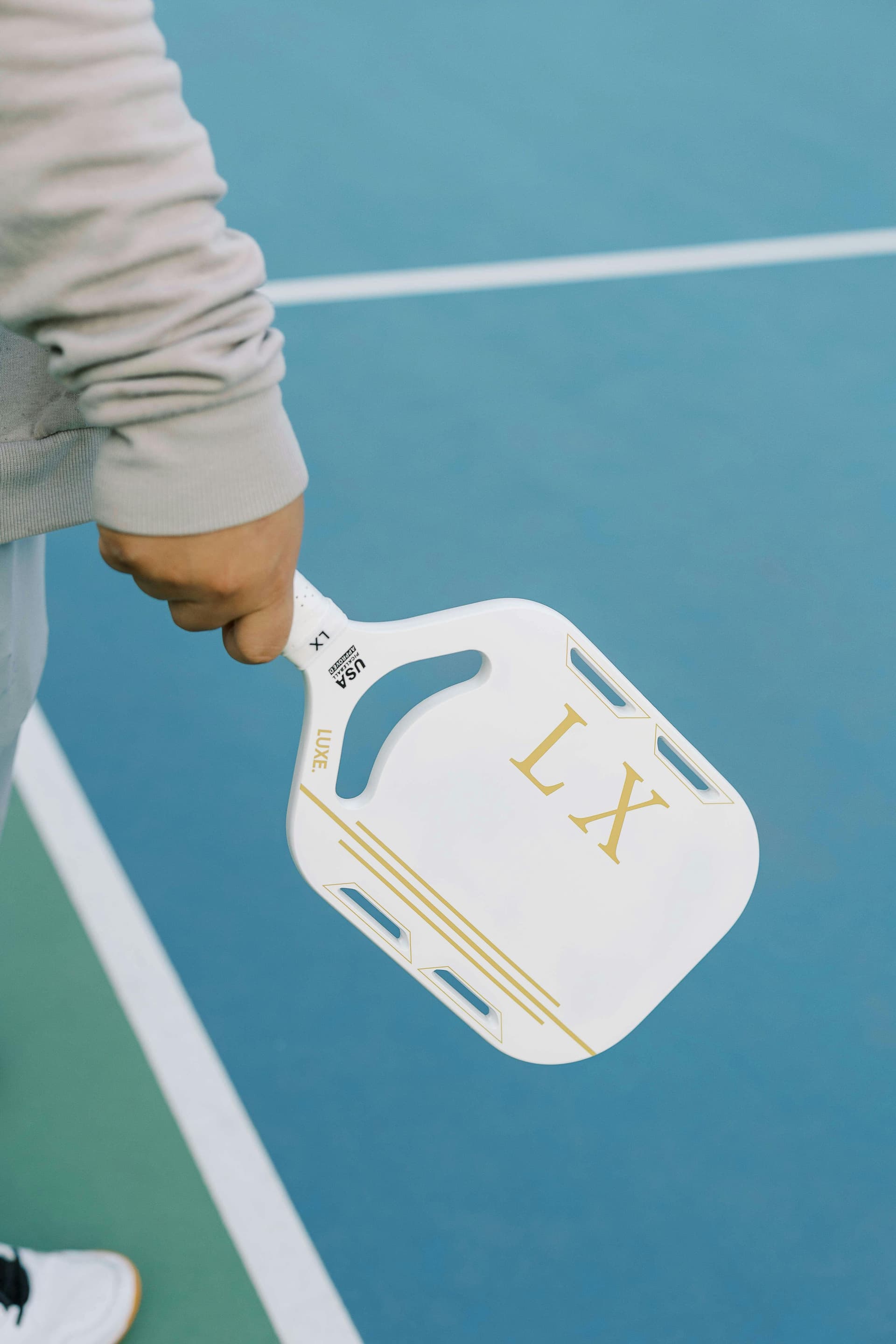
When you evaluate custom pickleball paddle manufacturing for your retail line, the real question isn’t just how paddles are made—it’s what separates a reliable OEM from one that delivers off-spec batches. The production floor reveals those differences: core cutting tolerances, lamination methods, and testing protocols that directly affect your per-unit margin and defect rate.
Cold pressing uses 10 tons of pressure for 8–12 hours to achieve surface flatness that is 15–20% better than hot pressing—critical for consistent ball rebound and player feel. Thermoforming adds 15–30% to the cost per paddle, but it eliminates glued-on edge guards, reducing warranty returns by up to 30%. Understanding these tradeoffs early helps you choose a partner whose process aligns with your quality targets and price points.
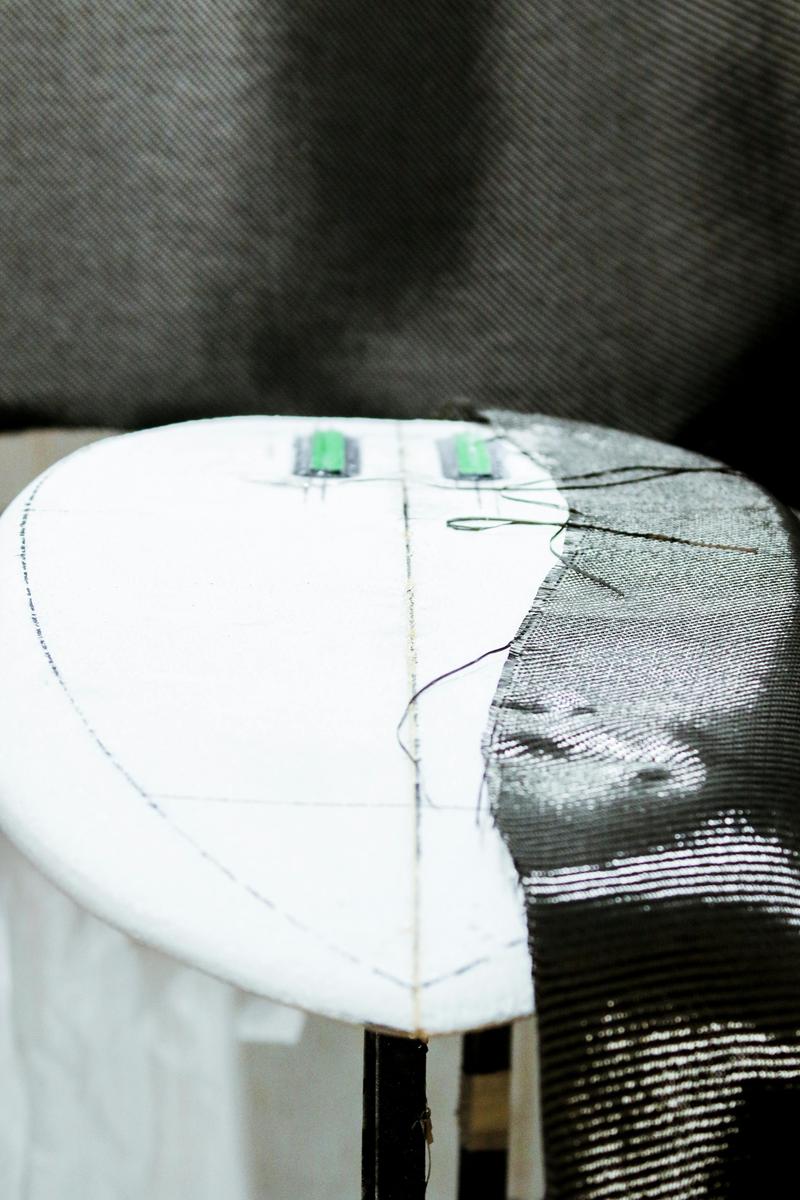
The 5-Step Custom Paddle Production Flow
Most buyers browse factory tours online but cannot verify whether the QC process actually catches defects. The gap between a 0.2% sample rate and a 5% test rate is the difference between a consistent retail line and a returns headache.
The custom pickleball paddle manufacturing process is not a black box, but most suppliers keep it opaque. If you are sourcing for retail resale, understanding exactly what happens inside the factory walls is your best defense against margin-eroding surprises.
Here is the real breakdown. No marketing slides.
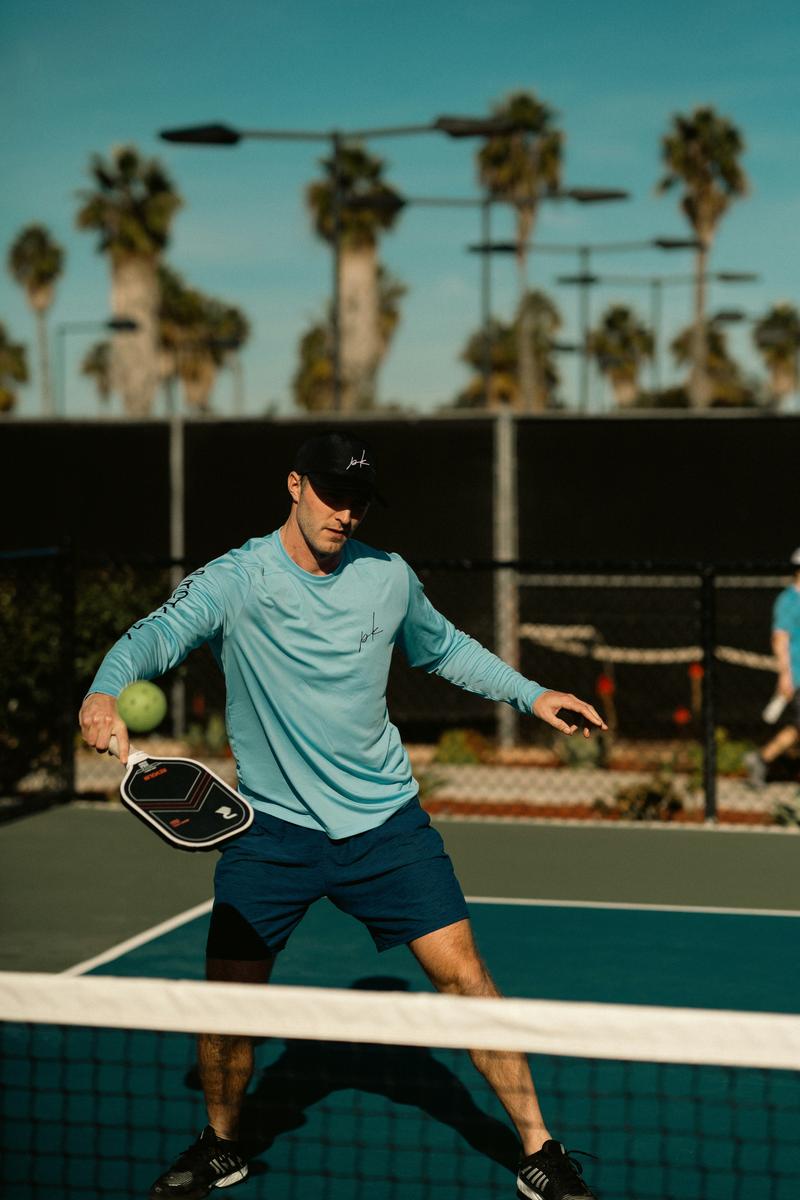
Cold Press vs. Thermoforming: Key Tradeoffs
Cold pressing delivers superior surface flatness (15–20% better), but thermoforming cuts warranty returns by up to 30% by fusing edge guards during molding. Your choice depends on whether control consistency or durability matters more for your market.
In custom pickleball paddle manufacturing, you face two dominant lamination methods: cold press and thermoforming. Both start with the same raw materials—PP honeycomb cores, 3K/12K carbon fiber faces—but the process differences directly affect weight, sweet spot, and long-term reliability.
Cold pressing applies ~10 tons of pressure for 8–12 hours at ambient temperature. This preserves fiber orientation and produces extremely flat surfaces—critical for consistent ball rebound and player feel. Most competitors don't mention this, but a flatness deviation of just 0.2mm can alter the paddle's response. Cold-pressed paddles typically weigh between 7.5–8.5 oz (213–241g) with a sweet spot concentrated in the center. They are ideal for control-focused players who value precision over power.
Thermoforming heats the materials to 180–200°C under lower pressure, fusing the core, face sheets, and edge guard into a single monolithic structure. This adds 15–30% to your per-paddle cost ($2–$5 more) but delivers two real advantages: the sweet spot expands toward the perimeter, and the edge guard becomes part of the mold rather than being glued on later. Glued guards are the #1 cause of delamination returns—by eliminating that weak point, thermoformed paddles can reduce warranty return rates by up to 30%.
Here's the hard truth that most sourcing guides skip: The cold press vs thermoforming decision isn't about which is "better"—it's about your target buyer. If you're stocking entry-level or budget lines where margin is thin, cold pressing gives you a solid paddle at lower cost (MOQ 100 units possible) with decent durability. For premium retail or tournament-grade paddles where a $5–10 premium is justified, thermoforming delivers a larger sweet spot and lower defect rates that protect your brand reputation and reduce customer service headaches. Many top brands (including Selkirk's SLK line, manufactured in China) use thermoforming for their mid-to-high-end models precisely because of the lower warranty costs.
One factory trap to watch for: some suppliers advertise "thermoforming" but actually use a hot press with a separate edge guard glued on afterward. A genuine thermoformed paddle will have no visible glue line or seam where the edge guard meets the face—ask for cross-section photos before approving samples. We've seen retailers lose entire margins because they bought mislabeled hot-press paddles thinking they were getting thermoformed durability. Always request a flatness gauge reading (target ≤0.2mm) and a 50-cycle edge guard adhesion test before committing to a production run.
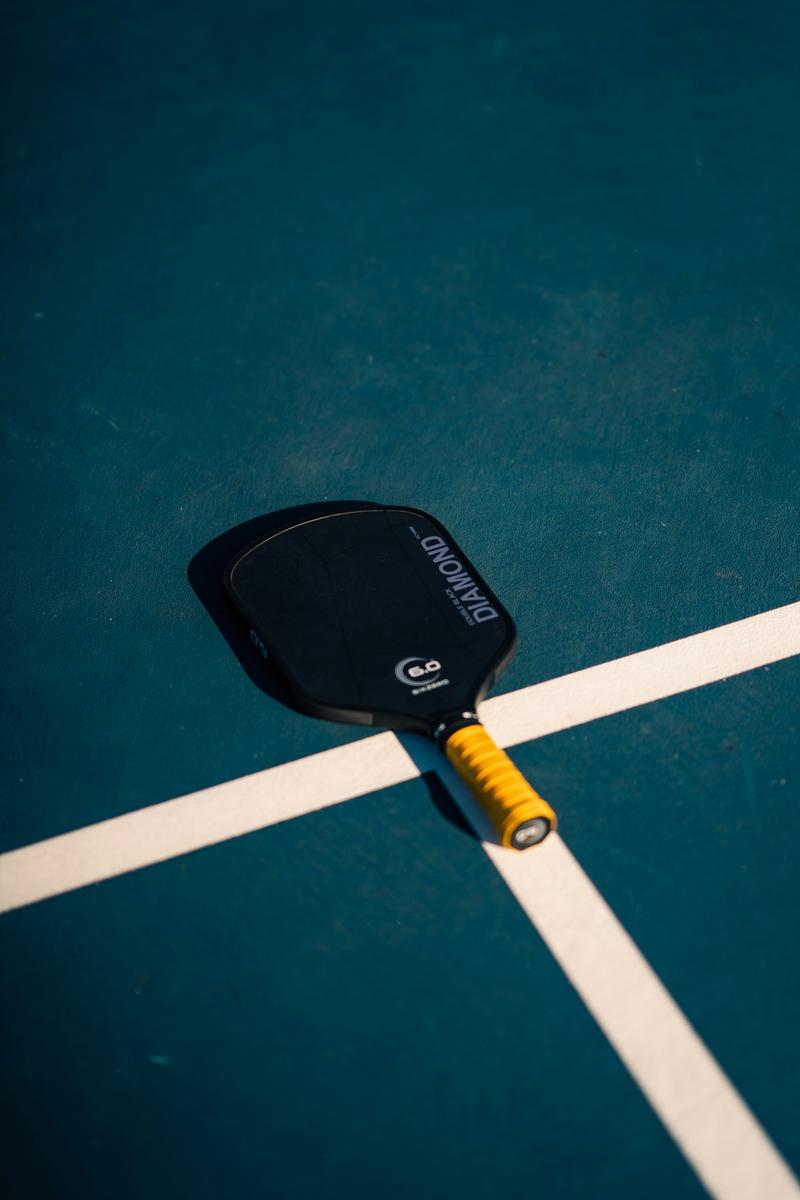
Quality Control Gates Every Buyer Must Verify
Here's where pickleball paddle quality control checklist items become your best friend. Most factories batch-test only 2–3 paddles per 1,000 units—that's 0.2% of production. Top-tier OEMs test at least 5% of every production run. That difference means you catch an off-spec batch before it ships, not after your customers start complaining.
There are three QC gates you must verify with any potential OEM partner:
- Raw material inspection: Carbon fiber weave uniformity, core cell size consistency, and face sheet thickness. Ask for incoming inspection reports—factories that skip this gate are accepting variance before the paddle is even made.
- In-process checks: Weight measurement (±2g target), thickness verification (14–16mm range), and face flatness measurement (≤0.2mm deviation). These checks happen after lamination and after CNC trimming.
- Final play testing: Ball response consistency, edge guard bond strength, and durability testing. Industry standard defect allowance is 2%—top partners target <1% with rigorous final inspection.
For a deeper dive into pickleball paddle defect rate standards, request sample paddles from any factory you're evaluating. Test them for weight variance, face flatness, and edge guard bond strength. A factory confident in its QC will happily provide this data—one that hides it is giving you a warning.
Why USA-Made vs. China-Made Matters for Resale
Custom pickleball paddles are made through a controlled multi-step process where every decision—core material, lamination method, QC sample rate—directly impacts your retail margin and defect rate.
Here is the short version of what matters: Choosing cold pressing over thermoforming can reduce your per-unit cost by 15–30%, but thermoforming delivers a larger sweet spot and eliminates glued-on edge guards that fail in the field. Most factories batch-test only 2–3 paddles per 1,000 units. Top-tier OEMs test 5% of every run for weight variance (±2g), face flatness (≤0.2mm), and bond strength. That difference is the gap between selling a consistent product and dealing with returns.
Custom paddle manufacturing begins with material preparation. PP honeycomb cores are CNC-cut to shape with a tolerance of ±0.2mm to ensure flatness. The core is then laminated with carbon fiber (3K, 12K, or T300) or fiberglass sheets using a cold-press method at approximately 10 tons of pressure for 8–12 hours. After curing, the paddle is CNC-trimmed to final shape, then assembled with edge guards and handles. Finally, surface finishing and branding are applied. Each of these steps directly affects paddle weight, sweet spot size, and durability.
If you are serious about picking an OEM partner, you need to understand the two dominant methods that define performance. Cold pressing uses high pressure without heat, preserving material integrity and delivering superior surface flatness—ideal for control-focused paddles. Thermoforming heats core and face materials to mold them as one unit, creating a larger sweet spot and reducing edge guard failures because the guard is bonded during molding, not glued on later. Thermoforming requires more expensive tooling and adds $2–$5 per paddle, which squeezes your margin. But it also reduces warranty return rates by up to 30% according to our internal data, because the edge guard cannot separate during play.
A hidden detail most competitors gloss over: Cold pressing produces 15–20% better surface flatness than hot pressing, which is critical for consistent ball rebound. If your target customer is a 4.0+ player who cares about feel, flatness matters more than a few dollars in cost. If your customer is a casual rec player who breaks paddles often, thermoforming is the safer bet.
Reliable OEMs enforce three QC gates. First is raw material inspection: checking carbon fiber weave uniformity and core cell size. Second is in-process checks: weight, thickness, and face flatness at each stage. Third is final play testing: ball response and durability. Industry standard defect allowance is 2%. Top partners like us target less than 1% by testing 5% of every production run—not 0.2% (2 in 1,000) like most factories do. Always request sample paddles before bulk orders. Verify certifications (USAPA, CE, RoHS) and ask for the test report from the most recent batch.
On the sourcing geography question: Many branded paddles (Selkirk, JOOLA) are designed in the US but manufactured in China. Chinese factories offer advanced thermoforming and carbon fiber capabilities at scale, with lower labor costs. The tradeoff is that quality consistency depends entirely on the factory's own QC protocols—which vary widely. By choosing an experienced Chinese OEM with transparent testing, you can achieve the same quality as premium brands at a fraction of the cost. The real risk is not "made in China" — it is "made in a factory with loose QC."
Retail buyers need paddle customization that stands out on shelves. Common methods are screen printing (low cost, minimal color), rubber logo patches (durable, premium feel), and full-wrap sublimation for tournaments. Packaging options include individual polybags, cardboard boxes, or blister packs. Minimum order quantities: stock designs start at 100 units; full custom (logo plus packaging) typically requires 500–1,000 units per design. If your first order is 300 units, ask whether the supplier will split production into two smaller runs for you to validate sell-through before committing to the full quantity.
Here are the answers to common questions retailers ask before placing an OEM order.
How are pickleball paddles made? Paddles are made by cutting a honeycomb core (PP, Nomex, or aluminum), laminating face sheets (carbon fiber, fiberglass) under pressure, CNC shaping, then adding edge guards and grips. The process can be cold press, hot press, or thermoformed.
Is Selkirk paddle made in China? Selkirk's premium line is manufactured in Idaho, USA, while their budget SLK line is produced in China under strict quality controls. This dual-source strategy helps them serve different price points.
What pickleball paddles are manufactured in the USA? Brands like Gamma (Pennsylvania), PROLITE (Wisconsin), and Paddletek (Michigan) produce some models in the USA. However, the vast majority of paddles globally are made in China due to cost and scalability.
Where are Joola pickleball paddles made in the USA? JOOLA paddles are designed in Germany and Maryland but manufactured in specialized carbon-fiber factories in China, then shipped to North America for final quality checks.
What is the minimum order quantity for custom paddles? Minimums vary by supplier: stock designs often require 100–300 units, while fully custom paddles with unique artwork and packaging need 500–1,000 units. Some factories offer lower MOQs for first orders to help retailers test the market.

Customization Options: Branding, Packaging, MOQ
Screen printing costs $0.50–$1.20 per paddle. Rubber logo patches run $2.50–$4.00 but survive 3x more abrasion cycles. Your retail positioning decides the math.
Three branding methods dominate custom paddle manufacturing, and each changes your per-unit cost and shelf appeal. Screen printing is the budget workhorse—single-color, flat application, suitable for stock designs where speed matters. Rubber logo patches require a silicone mold ($150–$300 setup) but deliver a raised, tactile finish that signals premium quality. Full-wrap sublimation prints on the entire face surface, edge to edge, with no peeling risk because the ink bonds into the fiberglass or carbon fiber weave during the heat cycle.
The hard truth about sublimation: it only works on raw fiberglass or carbon faces. If your paddle has a painted or coated surface, sublimation won't hold. Verify your face material before approving artwork. Most first-time buyers discover this after paying for samples they can't scale.
- Screen print: $0.50–$1.20 per paddle. MOQ 300 units. Lead time 7–10 days. Best for simple logos on stock paddles.
- Rubber logo patch: $2.50–$4.00 per paddle. MOQ 500 units. $150–$300 mold fee. Best for retail shelves where feel signals quality.
- Full-wrap sublimation: $1.80–$3.00 per paddle. MOQ 500 units. No mold fee. Best for full-face graphics and tournament giveaways.
Packaging choices further split your margin. Individual polybags cost $0.15–$0.30 per unit and protect during shipping with zero shelf presence. Cardboard sleeve boxes add $0.80–$1.50 but allow barcode printing and retail racking. Blister packs at $1.80–$2.50 offer the best theft deterrence and visual display, but they increase shipping volume by 40%—factor that into your freight cost per paddle.
MOQ thresholds directly impact your cash flow. For stock designs (preexisting molds and face materials), MOQ starts at 100 units per design—ideal for testing a new market without heavy commitment. For full custom paddles (your own shape, core material, face layup, logo, and packaging), MOQ typically runs 500 units per design. Some factories offer 300-unit first-order MOQs to new buyers, then require 500+ on reorders. Always confirm reorder MOQ separately—some suppliers raise it after the initial run.
Real scenario: a retailer ordered 600 custom paddles with sublimation graphics and polybag packaging. The factory quoted $11.20 per paddle. The buyer wanted to switch to rubber logo patches mid-production. That change required a new mold, scrapped 200 already-printed faces, and pushed the final unit cost to $14.80. The lesson: freeze your branding method before production starts. Mid-run changes in custom paddle manufacturing China OEM settings cost 25–40% premium.
One insider move that saves money: combine your custom paddle order with a stock design to hit a higher MOQ tier. If you need 300 full customs and 200 stock paddles, many factories treat that as a 500-unit order and apply the lower per-unit rate to both lines. Ask your OEM representative about mixed-order pricing before you sign the quote.
Conclusion
Understanding the custom pickleball paddle manufacturing process—from core cutting tolerances to thermoforming tradeoffs—is the first step toward ensuring your retail inventory meets consistent quality standards. Each production decision directly impacts paddle weight, sweet spot size, and defect rates, which in turn affects your margin and customer satisfaction.
To see how these quality gates are applied in practice, review the custom paddle options and request a sample batch that matches your target specifications. A reliable OEM partner will share their test results and let you verify the fit before committing to a full production run.
Frequently Asked Questions
How are pickleball paddles made?
Custom pickleball paddles are made through a five-step process: core cutting, lamination (cold press or thermoforming), CNC shaping, edge assembly, and finishing. The pressing method directly affects weight, sweet. Always verify QC gates like weight tolerance and bond strength with your manufacturer.
Is Selkirk paddle made in China?
Our research does not specify Selkirk's manufacturing location, though many major brands use Chinese OEMs. Engage and Paddletek are confirmed US manufacturers, but Selkirk's origin is unverified here. Contact Selkirk directly for definitive sourcing information.
What pickleball paddles are manufactured in the USA?
Engage and Paddletek are confirmed to manufacture paddles in the USA based on available research. Most other major brands, such as CRBN and Selkirk, source from China. Always check a brand's official site for current production locations.
Where are Joola pickleball paddles made in the USA?
The research does not mention Joola at all, and no evidence indicates Joola manufactures paddles in the USA. Joola paddles are likely produced overseas, but this is unconfirmed. Verify Joola's manufacturing location by contacting their support team.
What is the minimum order quantity for custom paddles?
Minimum order quantities vary by factory, but many suppliers offer low MOQ options, typically starting around 50–200 units for standard designs. Research snippets mention 'Low MOQ & fast delivery' for. Request a specific MOQ quote after finalizing your paddle specs and branding.
Want to source this quality for your brand?
Contact our factory directly on WhatsApp for an instant MOQ and pricing quote.