Custom Printed Pickleball Balls OEM Guide
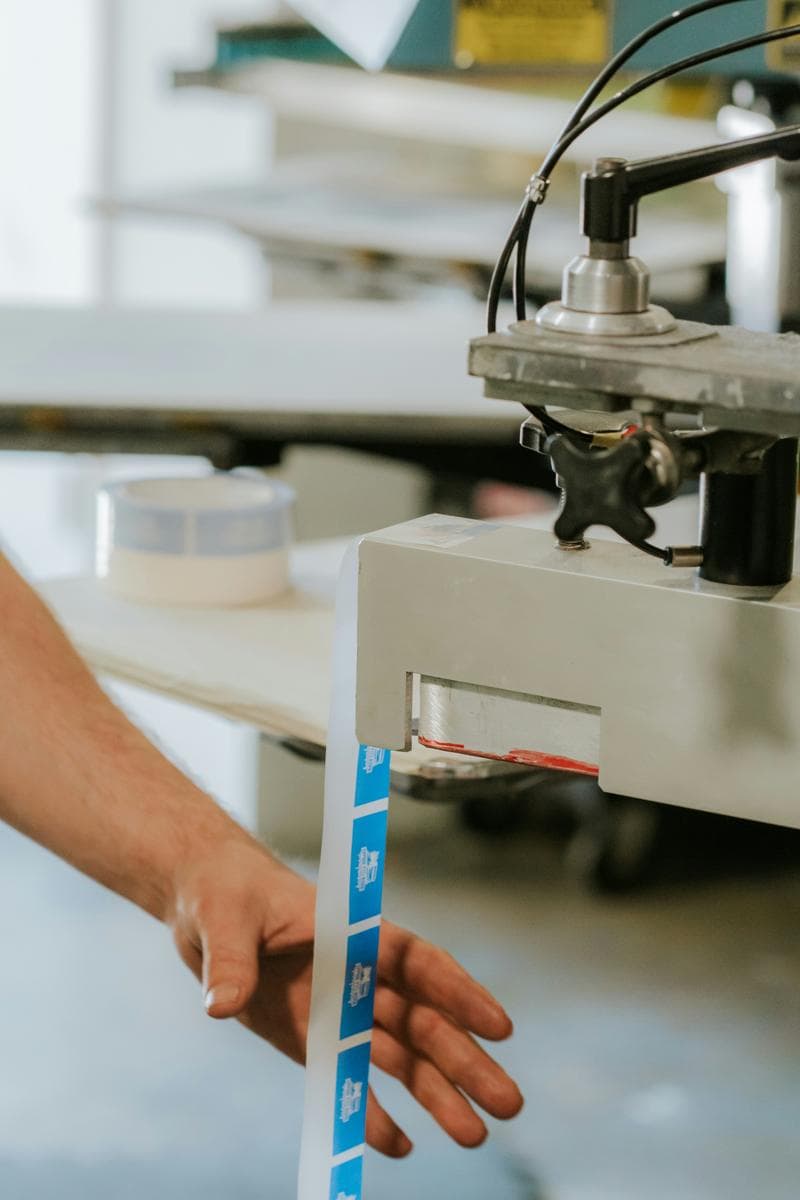
A regional distributor in the Midwest just ate 2,000 custom printed balls because the supplier used UV printing. The ink layer pushed the weight past the USAPA 0.935 oz limit, and pro shops sent the whole batch back. That single mistake wiped out six months of margin on the SKU. We see this failure all the time because buyers negotiate the unit price down to the penny but completely ignore the printing method.
We pulled three years of factory test data on pad stamping versus UV printing, weight tolerance drift, and actual freight costs from our facilities to US ports. The gap between what suppliers promise and what actually clears customs is wider than you think. You will walk away knowing exactly why pad stamping on a pre-approved base mold is the only way to protect your 35% resale margin without triggering a four-month lab delay.
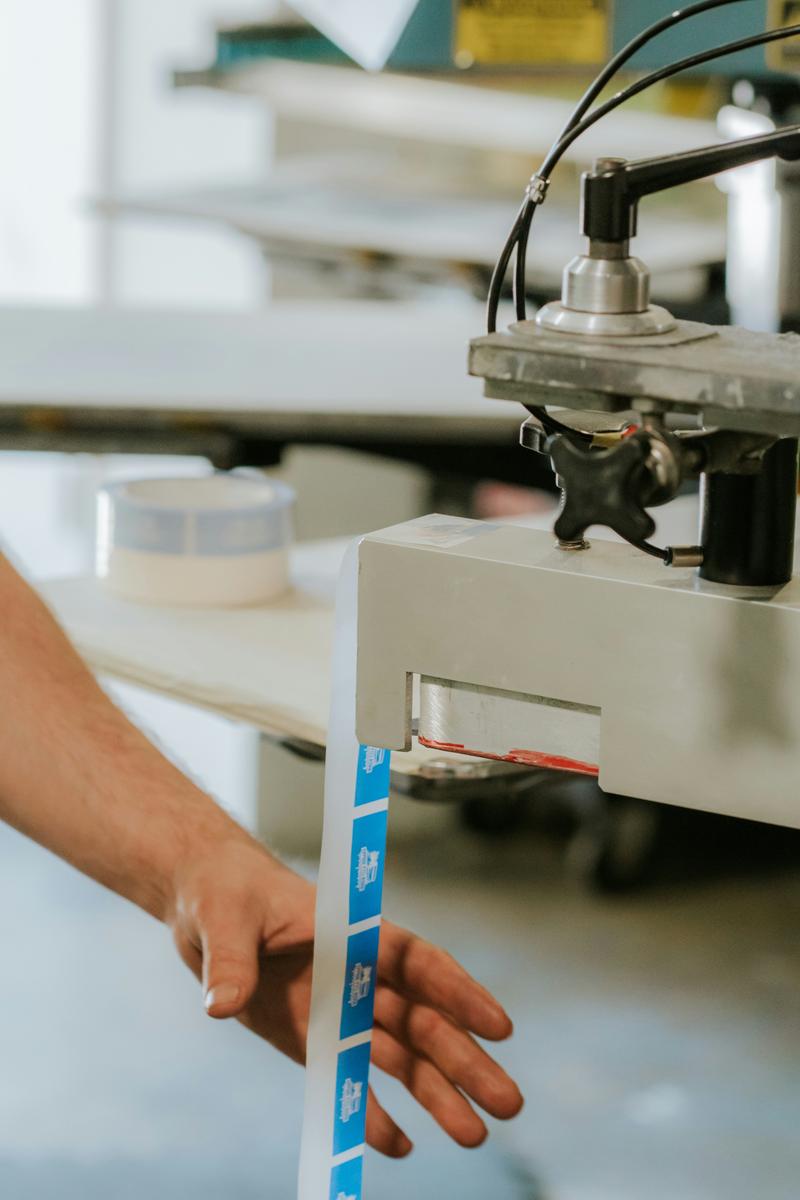
Pad Printing vs UV Printing
Pad printing protects USAPA weight compliance for tournament stock. UV printing delivers full-color retail graphics but adds an ink layer that risks pushing weight past the 0.935 oz specification limit.
Pad Printing For Bulk OEM
Pad printing is the standard method for wholesale indoor outdoor custom printed pickleballs destined for pro shops and tournament play. The process uses a steel etched plate to transfer ink onto the ball surface through a silicone pad. Because the ink layer is exceptionally thin, it does not interfere with the ball's weight or bounce characteristics.
For distributors building tournament-grade SKUs, this is the only print method we recommend. The USAPA weight tolerance is extremely tight at 0.78 to 0.935 oz, and pad printing keeps you safely within that window. Our engineers specifically limit pad printing to 1-3 colors to maintain a uniform ink deposit across the 25.4mm x 76.2mm print band.
- Plate Fee: $50 to $150, charged once per design
- Color Limit: 1 to 3 spot colors maximum
- Weight Impact: Negligible, maintains USAPA compliance
- Durability: Ink bonds directly into the ball surface, resists abrasion through extended match play
Using a pre-approved base mold for pad printing means distributors can add their logo to USAPA approved custom pickleball balls bulk orders without triggering the 4-6 month lab testing delay or the $2,000+ certification fee tied to entirely new ball designs.
UV Printing For Retail Gifts
UV printing applies full-color logos and photographic elements directly onto the ball using cured ultraviolet ink. The result looks sharp on retail shelves and works well for promotional giveaways, corporate event gifts, and branded merchandise that will not face competitive match play.
The trade-off is physical. UV printing lays down a measurable ink layer on top of the ball surface. This added material increases the total weight and changes the surface hardness. In our internal testing, thick UV ink deposits have pushed balls dangerously close to or past the 0.935 oz USAPA limit, causing rejection during compliance checks. The cured ink layer is also prone to scratching and chipping when struck repeatedly by a composite paddle face.
- Print Capability: Full-color gradients, photos, complex artwork
- Weight Impact: Noticeable ink layer adds measurable mass
- Durability: Prone to scratching and chipping under hard paddle strikes
- Best Use Case: Promotional retail, corporate gifts, non-tournament SKUs
Distributors stocking pro shop inventory should keep UV-printed balls strictly in the promotional retail category. Mixing UV-printed stock into your tournament SKU lineup invites retailer returns and damages your distribution reputation the moment a player notices a weight discrepancy or sees the print chipping after ten games.
USAPA Approval For Custom Balls
Custom printing on a pre-approved USAPA base mold guarantees tournament compliance without the $2,000+ lab testing fee or 4-6 month delay of a new design.
Pre-Approved Base Molds
For distributors, adding custom printed balls to your catalog is about SKU differentiation and margin protection. Your primary risk is ensuring the custom print process doesn't void USAPA approval, which triggers costly pro shop returns and damages your distribution reputation. We solve this by applying custom logos to pre-approved base molds. Because the underlying shell geometry and hole pattern are already certified by USAPA, adding your brand identity to the ball does not invalidate its compliance status. This approach entirely bypasses the 4-6 month delay and the $2,000+ third-party lab testing fee required for entirely new ball designs.
Testing And Compliance
The printing method you select directly dictates whether the finished goods remain within USAPA tolerances. This is where most unverified OEM suppliers expose distributors to compliance failures. Every certified ball must hit these exact physical metrics:
- Diameter: 2.87 to 2.97 inches
- Weight: 0.78 to 0.935 oz
- Bounce Height: 30 to 34 inches
- Print Area: 1 inch x 3 inches (25.4mm x 76.2mm)
Our engineers mandate pad stamping over UV printing for wholesale indoor outdoor custom printed pickleballs. Pad stamping uses a steel etched plate that transfers ink without building up a physical layer on the ball surface. UV printing adds measurable mass. On a ball with a maximum weight ceiling of 0.935 oz, even a slightly over-applied UV ink layer can push the unit over the strict weight tolerance, causing your entire shipment to fail specification checks at the retailer's warehouse.
Custom Print Costs And MOQs
Freight often matches or exceeds the unit manufacturing cost at 500-unit volumes. Your landed cost per ball doesn't drop meaningfully until you cross 2,000 units.
Cost Comparison: 500 vs 2,000 vs 5,000 Units
We run these numbers for distributors weekly. The single biggest margin killer at the pickleball ball OEM printing MOQ 500 level is freight. Our internal logistics data consistently shows that shipping from China to the US for 500 balls runs roughly $200-$250, which frequently mirrors the manufacturing cost itself. At 2,000 and 5,000 units, the per-unit freight collapses, but you are committing capital to inventory. Here is how the math actually breaks down using our USAPA-approved base molds at the $1.20-$1.50 unit cost range.
- 500 Units (Entry Tier): Manufacturing at $1.35/unit midpoint equals $675. Plate fee at $100. Freight estimated at $225. Total landed cost: $1,000. Landed per unit: $2.00. At a $3.30 resale price, your margin sits right at 39%.
- 2,000 Units (Volume Tier): Manufacturing at $1.25/unit with volume pricing equals $2,500. Plate fee remains $100 (charged once per design). Freight consolidates to approximately $650. Total landed cost: $3,250. Landed per unit: $1.625. This tier is where wholesale indoor outdoor custom printed pickleballs start generating serious margin separation from stock imports.
- 5,000 Units (Container Load Tier): Manufacturing at $1.20/unit floor price equals $6,000. Plate fee $100. Freight roughly $1,300. Total landed cost: $7,400. Landed per unit: $1.48. Resale at $3.30 yields a 55% margin, but you are holding $7,400 in SKUs.
Pricing Breakdown Mechanics
Understanding each line item matters because hidden fees destroy distributor trust faster than bad print quality. The custom logo pickleball ball plate fee is a one-time charge of $50 to $150 per design. This covers the steel etched plate used in pad stamping. It is not per-unit, so it effectively disappears at 2,000+ unit runs.
The critical risk factor we flag for procurement teams is the printing method itself. Pad stamping transfers ink using that etched steel plate directly onto the 25.4mm x 76.2mm print band. UV printing, by contrast, adds a physical ink layer that can slightly increase ball weight. If that ink layer is too thick, the ball risks failing the USAPA 0.78 to 0.935 oz weight tolerance. For distributors sourcing USAPA approved custom pickleball balls bulk, this is not a theoretical risk. We have seen competitor batches get rejected by pro shops for exactly this reason.
Freight is the variable you must negotiate hardest at the 500-unit tier. Competitor data we have analyzed shows $220 in shipping against $275 in manufacturing for a 500-ball order. That 80% freight-to-production ratio means FOB terms matter far more than shaving $0.05 off the unit price. When you order custom printed balls using our pre-approved base molds, you bypass the 4-6 month delay and $2,000+ lab testing fee required for entirely new ball designs. That alone is the difference between capitalizing on a regional pickleball league trend this season or missing it entirely.
| Parameter | Specification | Cost / Investment | Distributor Impact |
|---|---|---|---|
| Wholesale MOQ | 500 units per SKU | Base unit price | Low-risk entry point to secure 3+ differentiated SKUs (indoor/outdoor/promo). |
| OEM Logo Plate Fee | Steel etched plate (per design) | $50 - $150 (One-time fee) | Minimal upfront cost to create unique retailer-specific branding. |
| Print Area Dimensions | 1 inch x 3 inch band (25.4mm x 76.2mm) | Standard inclusion | Prevents design bloat that could compromise USAPA weight and diameter tolerances. |
| Ocean Freight (FOB) | 500-ball shipment to US | $200 - $250 | Freight equals ~80% of mfg cost; FOB terms dictate true margin protection over unit price. |
| USAPA Certification Path | Custom print on pre-approved base mold | Saves $2,000+ in lab testing | Bypasses 4-6 month delays; eliminates risk of pro shops rejecting non-compliant stock. |
| Print Method Risk | Pad stamping vs. UV ink layer | Comparable unit pricing | UV printing adds weight risking USAPA failure; pad stamping ensures long-term durability. |
Explore Our Pickleball Paddles OEM Capabilities.
Logo Design Specifications
A 40-hole outdoor pickleball limits custom printing to a 1 inch by 3 inch band. Vector files formatted for pad stamping prevent ink buildup that risks failing USAPA weight tolerances.
Physical Constraints on 40-Hole Pickleballs
A standard 40-hole outdoor pickleball has a USAPA diameter of 2.87 to 2.97 inches. The drilled hole pattern leaves only a narrow, uninterrupted surface for branding. We strictly limit the printable area to 1 inch by 3 inches (25.4mm x 76.2mm). Exceeding this boundary causes the silicone pad stamp to hit the ball's edge holes, resulting in smeared logos and immediate retail rejection.
For distributors managing multiple SKUs, treating this 1x3 inch space as a rigid template prevents costly printer setup errors. Our engineers pre-map the hole layout on every base mold to identify the exact printable band before you even submit artwork. This upfront constraint mapping is your primary defense against stocking non-compliant inventory that pro shops will refuse.
File Format Requirements
We require vector-based files in AI or EPS formats for all pickleball ball OEM printing MOQ 500 runs. Rasterized images like PNG or JPG break down during production because the etched steel plate cannot hold fine pixel data. You must avoid intricate gradients and tiny text in your artwork. Pad stamping transfers a single solid layer of ink per color, making it impossible to replicate complex shading on a curved, fast-moving surface.
- Accepted Formats: Adobe Illustrator (.AI) or Encapsulated PostScript (.EPS) with all text converted to outlines.
- Color Matching: Pantone (PMS) solid coated codes to guarantee visual consistency across a 500-unit batch.
- Artwork Restrictions: No gradients, drop shadows, or line weights under 0.5pt to prevent ink bleeding on the ball curve.
Keep the ink layer minimal. UV printing adds a physical ink layer that can push the total ball weight past the 0.935 oz USAPA limit. Pad stamping with clean, single-color vector art keeps the weight strictly within tolerance, ensuring your USAPA approved custom pickleball balls bulk orders pass random compliance checks at the distribution level.
| Design Element | Technical Specification | Process / Cost | USAPA Compliance Risk | Distributor Advantage |
|---|---|---|---|---|
| Printable Surface Area | 1 inch x 3 inch band (25.4mm x 76.2mm) | Standard physical constraint | None | Consistent logo placement for indoor, outdoor, and promo SKUs |
| OEM Logo Plate Fee | Steel etched plate creation | $50 to $150 (Charged once per design) | None | Low upfront cost to secure 3+ differentiated ball SKUs |
| Pad Stamping (Recommended) | Transfers ink via etched steel plate | Standard OEM pad printing | Low (Minimal surface alteration) | Zero added weight; guarantees pass on USAPA 0.78-0.935 oz tolerance tests |
| UV Printing (Not Recommended) | Cures physical ink layer via UV light | Alternative printing method | High (Added ink weight risks failing USAPA tolerance) | None (Avoid to prevent costly retailer returns) |
| Base Mold Compliance | Pre-approved USAPA base balls | $0 lab fee / 0 month delay | None (Pre-certified) | Bypasses $2,000+ testing fees and 4-6 month delays of new molds |
Production And Shipping Timelines
For a 500-unit pickleball ball OEM printing MOQ, expect a 6 to 8 week production cycle plus 3 to 6 weeks ocean freight, with shipping alone consuming 70-80% of your manufacturing cost.
Production Schedule Breakdown
We structure custom printed ball production into three sequential phases. The first is art approval, which takes exactly one week. During this phase, our engineering team verifies that your logo fits within the USAPA-mandated 25.4mm x 76.2mm print band and confirms the pad stamping layout will not alter ball weight beyond the 0.78 to 0.935 oz tolerance.
The second phase is steel etched plate creation, requiring one additional week. This is where the custom logo plate fee of $50 to $150 applies, charged once per design. We use pad stamping rather than UV printing for this reason: pad stamping transfers ink without adding a physical layer that risks failing USAPA compliance testing.
The third phase is manufacturing and printing, running 4 to 6 weeks. This timeline assumes you are applying your logo to a pre-approved base mold—our USAPA-approved indoor and outdoor bases. Ordering custom printed balls on an existing mold is what keeps you at the 4-6 week window. Opting for an entirely new ball design pushes this out by 4 to 6 months and adds a $2,000+ lab testing fee.
Shipping Logistics and True Landed Cost
Ocean freight from China to the US for wholesale indoor outdoor custom printed pickleballs takes 3 to 6 weeks depending on port congestion and destination. Here is the reality most suppliers obscure: the freight cost for a 500-unit order runs approximately $200 to $250, which often equals the manufacturing cost itself.
- Manufacturing Cost (500 units): ~$275
- Ocean Freight (500 units): ~$220
- Freight-to-Manufacturing Ratio: ~80%
- Total Landed Cost Per Unit: ~$0.99
This 70-80% freight-to-manufacturing ratio means FOB negotiations matter significantly more than shaving pennies off the unit price. When you are targeting a 35-40% resale margin, a $30 swing in shipping rates directly impacts your per-unit profitability more than a $0.02 reduction in ball cost. We quote FOB explicitly so you can contract your own freight forwarder or use ours with full cost transparency—no hidden fees that erode your distributor margins on the back end.
Conclusion
Stick to pad stamping on pre-approved base molds. UV printing adds a physical ink layer that risks failing USAPA weight tolerances, triggering retailer returns that will destroy your 35% margin. Negotiate FOB terms aggressively, because that $220 shipping fee on 500 units will eat your profit if left unmanaged.
Request a weighted sample batch of 20 pad-stamped outdoor balls before committing to your first run. Run them through your pro shop's 10-game fade test to verify the print actually holds up. Send us your logo file, and we'll etch the steel plate so you can see the exact imprint on that 1-inch band.
Pad stamping on pre-approved molds protects your margins and USAPA compliance. Negotiate FOB terms to control freight costs.
Frequently Asked Questions
What is the MOQ?
The industry standard MOQ for custom printed pickleballs is 500 units per specific color and logo combination. While certain manufacturers might accommodate 1,000 units split across two different SKUs, they rarely go below the 500-unit threshold. This is primarily due to the fixed costs associated with setting up the pad printing plates.
How do I add my logo?
You must provide a high-quality vector file, typically in AI or EPS format, of your desired logo. The OEM factory will then use this artwork to etch a custom steel plate required for the pad printing process. To ensure optimal results, you must keep your design within the standard 1x3 inch printable area and limit the color palette to one to three colors for standard bulk runs.
What is the total landed cost?
You should generally expect the total landed cost to be approximately double the base manufacturing price. For example, while producing 500 balls might cost $275, ocean freight will add roughly $220. Factoring in a $90 plate fee and various platform charges, the final cost per ball will equate to around $1.22.
What is the total lead time?
The complete process from artwork approval to final delivery typically requires 8 to 12 weeks. This timeline includes one to two weeks for plate creation and design approval, followed by four to six weeks for factory production. The remaining three to six weeks account for ocean freight transit times to the United States.
Are they tournament approved?
Custom printed pickleballs will meet official standards as long as they are printed on a pre-approved USAPA base mold. The ink applied during the pad printing process is extremely minimal, ensuring the ball remains within the strict weight tolerance. Consequently, the final product stays compliant with the 0.78 to 0.935 oz limit required for official tournament play.
Want to source this quality for your brand?
Contact our factory directly on WhatsApp for an instant MOQ and pricing quote.