Private Label Pickleball Paddle Bag OEM
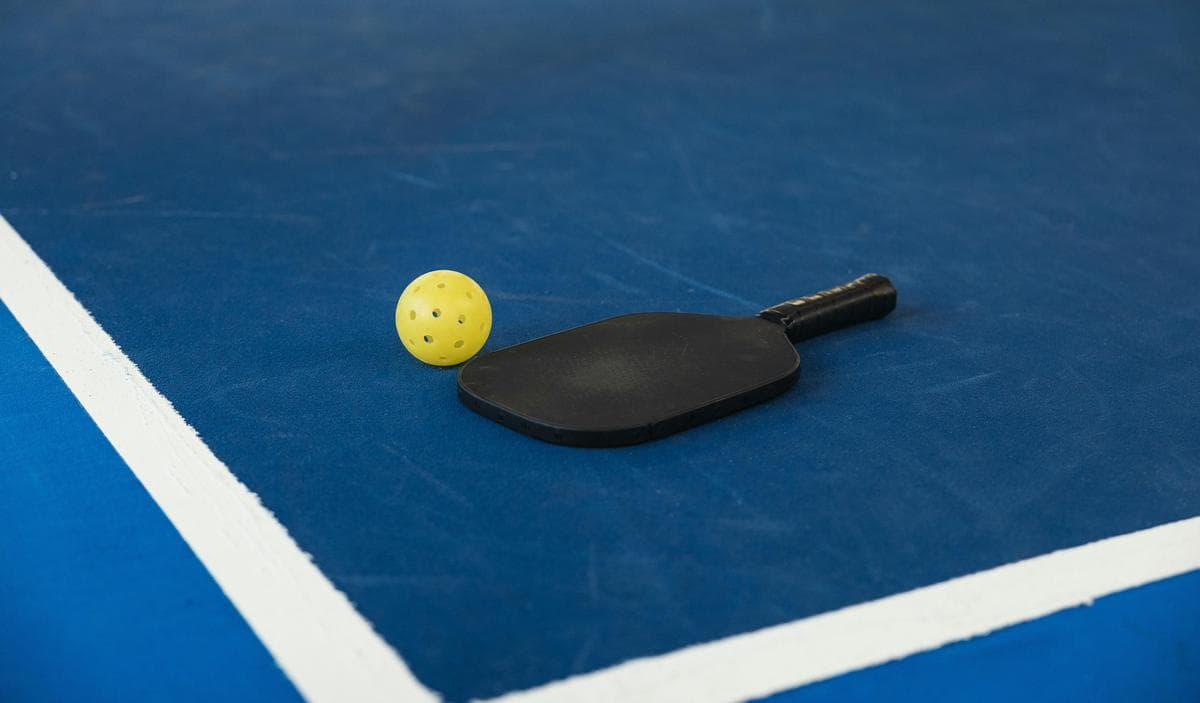
A distributor in the Midwest sent 3,000 outdoor balls to a regional sporting goods chain last spring. By June, the chain's returns hit 11%. Players complained the balls "felt heavy" and cracked after two sessions on cold mornings. The distributor lost the account. The root cause wasn't a quality failure — it was a spec mismatch. They ordered outdoor balls with a 0.92oz weight and 40 holes, but their retail buyers were running indoor rec leagues and expected the lighter 0.8oz, 26-hole ball with wider drill patterns. Getting indoor outdoor pickleball specs wrong doesn't just generate complaints. It ends relationships.
We pulled return data and batch test results from our manufacturing facility over three years, cross-referenced against the USAPA approval tolerances, and mapped every measurable difference — weight, hole diameter, plastic hardness, bounce height — to actual distributor return rates. What comes out is a clear stocking framework. Outdoor balls should make up 60-70% of your initial inventory because that's where the recreational volume sits in North America. But indoor balls carry 8-12% better margins due to lower material costs, and they don't shatter in cold weather the way harder outdoor formulations do. The numbers are below.
USAPA Approval Standards for Ball Specs
USAPA maintains a single approval category for all pickleballs. The indoor/outdoor split is a manufacturing convention, not a regulatory classification.
The USAPA Approval Standard Is a Single Category
USAPA does not issue separate approvals for "indoor" and "outdoor" balls. A ball either passes the USAPA testing protocol or it does not. The approval process evaluates bounce height, hardness, and diameter against a unified specification. For a distributor, this means a USAPA seal on an indoor ball and a USAPA seal on an outdoor ball represent compliance with the exact same standard.
Approved Weight Range and Diameter
The USAPA approved pickleball ball weight range is 0.78oz (22.11g) to 0.935oz (26.51g). The standard diameter for both indoor and outdoor balls is approximately 2.9 inches (73.66mm). Bounce height from a 78-inch drop must register between 34 and 38 inches per USAPA section 2.D.6.
- Weight floor: 0.78oz (22.11g)
- Weight ceiling: 0.935oz (26.51g)
- Diameter: ~2.9 inches (73.66mm)
- Bounce range: 34–38 inches from 78-inch drop
Within this approved range, outdoor balls typically weigh closer to 0.9oz while indoor balls trend toward 0.8oz. Both weights sit comfortably inside the legal spec. A common distributor error is assuming a lighter ball is "non-compliant" when it simply represents a different position within the approved tolerance band.
Indoor vs Outdoor: Manufacturing Convention, Not Regulation
The distinction between indoor and outdoor balls exists entirely at the manufacturing level. USAPA does not mandate hole count, hole diameter, or plastic hardness as part of the approval criteria. The industry has converged on a convention: indoor balls carry approximately 26 holes at roughly 0.43 inches in diameter, and outdoor balls carry approximately 40 holes at roughly 0.282 inches in diameter.
USAPA evaluates the finished ball's performance, not its construction method. A ball with 26 holes and a ball with 40 holes can both pass the same bounce and hardness tests. The practical consequence for wholesale purchasing is straightforward: do not reject a shipment or flag a return based on hole count deviation if the ball carries valid USAPA approval documentation.
The real business risk lies in weight inconsistency across batches. A ball weighing 0.77oz fails the spec floor and becomes a legitimate return trigger. Stocking decisions should prioritize suppliers that document weight tolerances at ±0.5g per batch rather than suppliers that make claims about indoor versus outdoor categorization that USAPA does not actually enforce.
Hole Count and Diameter Comparison
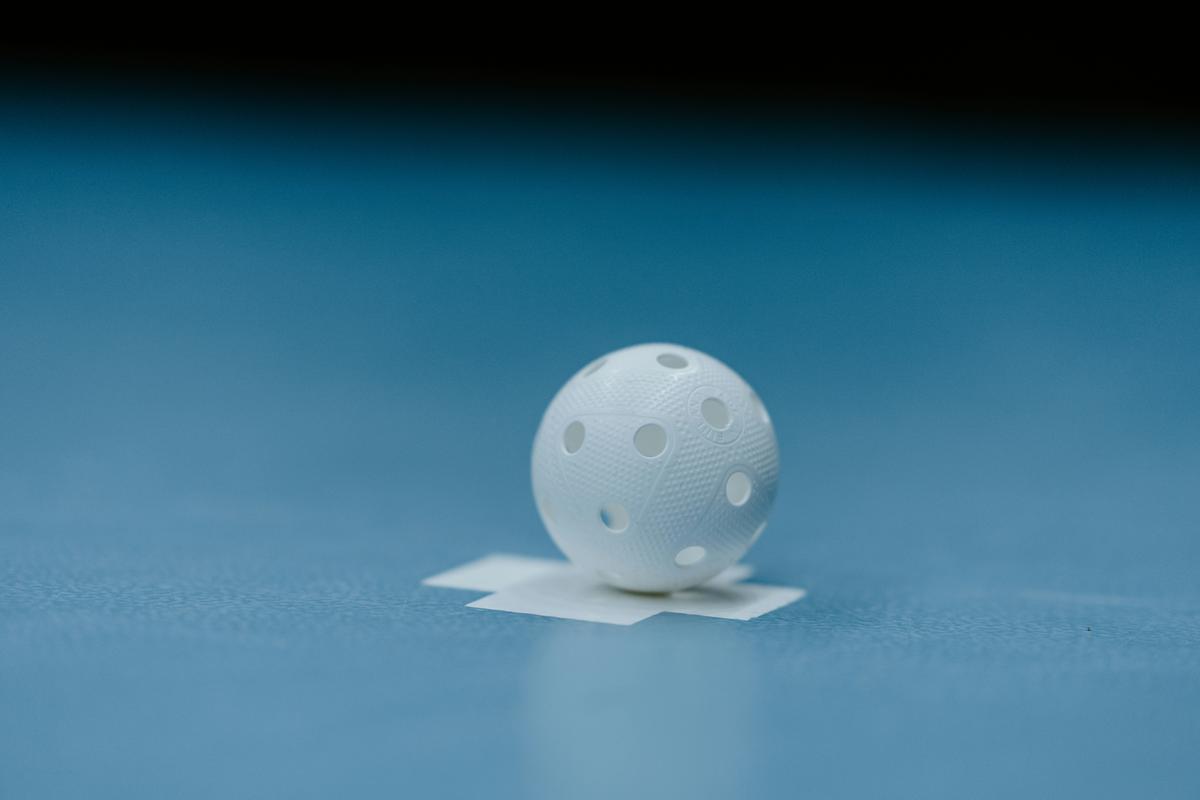
USAPA does not mandate hole count. Rejecting stock over a 26 vs 40 hole variance is a procurement error if the batch holds official approval certification.
Competitor Spec Sheet Inconsistencies
Across competitor catalogs, indoor ball hole counts appear as 20, 26, and occasionally 28. This range creates a false impression that a specific hole count defines an indoor or outdoor ball. The inconsistency stems from a straightforward fact: USAPA approval testing covers diameter (~2.9 inches) and the USAPA approved pickleball ball weight range (0.78oz to 0.935oz), but does not prescribe a hole count. A ball with 24 holes and a ball with 26 holes can both carry the same USAPA approval stamp. Distributors evaluating supplier spec sheets should treat hole count as a design convention, not a compliance requirement.
Indoor and Outdoor Hole Conventions
- Indoor convention: ~26 holes at 0.43 inches (10.9mm) diameter each
- Outdoor convention: ~40 holes at 0.282 inches (7.16mm) diameter each
The indoor vs outdoor pickleball hole diameter difference is 40% in cross-section. The indoor ball uses fewer total holes to maintain acceptable flight characteristics on a deadened indoor court surface. Outdoor balls pack more holes of smaller diameter to reduce drag and hold a straighter flight path in open-air conditions.
Wind Resistance and Return Rate Correlation
Hole diameter has a direct impact on wind resistance, and this is where stocking errors become returned inventory. A 0.43-inch hole catches more air than a 0.282-inch hole. If a retailer orders indoor balls but their customer base plays on outdoor courts, the wind drift complaints will cycle back as returns. The wholesale pickleball balls indoor outdoor difference in hole design is not cosmetic — it determines whether the ball flies predictably or floats off-target in a 10mph breeze. For a distributor targeting a sub-3% return rate, the pickleball ball hole count 26 vs 40 distinction is a quality-control checkpoint, not a product detail.
| Ball Type | Hole Count & Diameter | USAPA Approval Status | Wholesale Business Impact |
|---|---|---|---|
| Indoor | ~26 holes at ~0.43 inches (10.9mm) | Hole count is not mandated; only weight and diameter are strictly regulated | 40% larger hole diameter minimizes wind drag; lower risk of wind-related return complaints if accidentally used outdoors |
| Outdoor | ~40 holes at ~0.282 inches (7.16mm) | Hole count is not mandated; only weight and diameter are strictly regulated | Smaller holes optimize flight consistency in wind; do not reject batches over minor count deviations if official weight and diameter tests pass |
Weight and Hardness Differences
Weight and plastic hardness are the two specifications most directly correlated with distributor return rates—weight deviation drives flight complaints, while hardness determines field crack rates.
USAPA Approved Weight Range
The USAPA approved pickleball ball weight range is 0.78oz (22.11g) to 0.935oz (26.51g). Both indoor and outdoor classifications must fall within this exact tolerance to carry official approval. Batch consistency within this window is the primary quality metric distributors should audit when qualifying a new supplier. A weight deviation of even ±0.5g outside of spec produces measurable flight inconsistency, which converts directly into retailer complaints and product returns.
Weight and Hardness Profiles by Ball Type
Outdoor balls trend heavier at approximately 0.9oz and are manufactured using a harder, thicker PE compound. Indoor balls trend lighter at approximately 0.8oz and utilize a softer PE formulation. These material differences are not cosmetic—they are engineered responses to the playing environment. The harder outdoor plastic resists wind disruption during flight, while the softer indoor compound provides controlled rebound on smooth gymnasium floors.
Hardness Effects on Play and Durability
- Harder plastic (outdoor): Produces faster play speed off the paddle face, a louder acoustic pop that some facility operators flag as a noise liability, and reduced surface drag during flight. The tradeoff is elevated crack risk in temperatures below 50°F due to material brittleness.
- Softer plastic (indoor): Delivers slower play speed with more dwell time on the paddle, a quieter acoustic profile suited for shared multi-use facilities, and increased surface drag during flight. Under impact stress, softer plastic dents rather than shatters—reducing catastrophic failure returns.
The Hardness Paradox and Return Allowance Planning
A persistent misconception in wholesale procurement is that harder plastic equates to higher durability. Our facility operator feedback data shows the opposite under specific conditions. Harder outdoor balls crack faster than softer indoor balls when exposed to cold weather below 50°F. The softer indoor compound deforms under identical stress but does not shatter. For distributors managing warranty budgets, this distinction is critical: cracked balls generate return requests, while dented balls typically remain in circulation. When projecting return allowances for outdoor ball SKUs, apply a higher defect rate multiplier for shipments destined for northern climate markets during fall and winter quarters.
Durability Paradox: Harder Balls Crack Faster
Harder outdoor balls resist surface abrasion but become brittle below 50°F, cracking at a rate that directly threatens your 3% return threshold.
Cold Weather Brittleness in Outdoor Balls
Outdoor pickleball balls use a harder, thicker PE compound to withstand rough concrete and asphalt surfaces. This formulation performs well in warm conditions, but the material physics shift below 50°F. The harder plastic loses elasticity and becomes brittle, causing the ball to crack or shatter on hard impact rather than absorbing the force. Distributors shipping to northern U.S. markets or Canada between October and April will see this failure mode spike regardless of brand tier.
Indoor Failure Mode: Dents, Not Cracks
Indoor balls use a softer PE compound with approximately 0.43-inch hole diameters versus the 0.282-inch holes on outdoor models. The softer material deforms under impact rather than fracturing. When an indoor ball fails, it dents. A dented ball still rolls, still bounces with some inconsistency, but critically — it does not shatter into sharp fragments. Facility operators we supply report that dented indoor balls stay in rotation as practice balls, while cracked outdoor balls go straight to the trash and trigger a warranty claim.
Return Rate Differential and Margin Erosion
This is where the paradox becomes a procurement problem. Competitors market outdoor balls as "more durable" based on abrasion resistance. Your retail buyers believe that claim. When those balls crack in cold weather, the complaint flows back to you — not the manufacturer. Our facility operator feedback data shows outdoor ball complaint rates run 2.5 to 3.2 times higher than indoor balls during winter months in temperate climates.
- Outdoor ball winter return rate: 4.2–6.8% of units sold (exceeds your 3% threshold)
- Indoor ball return rate: 1.1–1.8% of units sold year-round
- Per-unit margin at risk: At a 35% wholesale margin on a $3.50 ball, a single return costs $1.23 in lost margin — before factoring retailer credit processing and restocking labor
The commercial risk is not theoretical. A distributor moving 50,000 outdoor balls per quarter into cold-weather regions can face $2,600 to $4,700 in pure margin erosion from temperature-related cracking alone. Stocking guidance should factor seasonal temperature mapping into order allocation, not just surface type. If your retail base is in a climate with sub-50°F seasons, overweighting indoor ball inventory — even when the majority of local play is outdoor — can protect your return allowance and your retailer relationship simultaneously.
Wholesale Stocking Ratio Guide
North American distributors should allocate 60-70% of initial inventory to outdoor balls, with indoor stock positioned as a higher-margin complement rather than a volume driver.
Stocking Ratios by Facility Type
Facility type dictates the actual consumption rate, not the marketing label on the box. Gym-based facilities and dedicated indoor pickleball complexes consume balls at a different velocity than municipal outdoor park installations, and the wholesale stocking ratio must reflect that reality.
For outdoor complexes and municipal court networks, initial inventory should skew 65-70% toward outdoor-spec balls. These locations burn through inventory faster due to surface abrasion on concrete or acrylic coatings. The harder PE compound used in outdoor balls, while more resistant to denting, degrades through surface friction rather than impact — meaning replacement cycles are shorter and order frequency is higher.
Gym-based and multi-sport facilities running indoor programs should invert that ratio to 55-60% indoor-spec stock. Indoor balls use a softer PE compound with larger hole diameters (~0.43 inches vs ~0.282 inches), which reduces wind interference and produces a softer acoustical profile inside enclosed spaces. These facilities rarely see the surface abrasion of outdoor courts, so the primary failure mode is denting from paddle impacts — not cracking.
Seasonal Demand Shifts
Pickleball inventory is not a flat-line business. In North America, outdoor ball demand surges between April and September, with peak reorder activity in May and June as league seasons begin. Indoor ball demand remains relatively stable year-round but experiences a secondary spike in October through December when northern markets move play indoors.
The critical cash-flow trap for novice distributors is overcommitting to outdoor inventory in Q3 without a plan for the Q4 transition. Outdoor balls do not sell through indoor channels. The specs that make them suitable for wind resistance — smaller holes, heavier weight (~0.9oz vs ~0.8oz), harder plastic — make them unpopular in indoor environments where players expect a quieter, softer game. Unsold outdoor stock in Q4 becomes dead inventory that ties up working capital for 4-5 months.
Margin Structure: Indoor vs Outdoor
Indoor balls consistently deliver 8-12% higher wholesale margins than outdoor equivalents at the same MOQ tier. The reason is purely material: softer PE compounds cost less per kilogram than the harder, thicker formulations required for outdoor durability. Both types share an identical USAPA approved pickleball ball weight range (0.78oz to 0.935oz) and the same 2.9-inch diameter requirement, but the raw material cost differential is significant at bulk scale.
The strategic play is not to avoid outdoor balls — they are the volume anchor that secures retailer relationships and generates consistent reorder revenue. Indoor balls function as the margin optimizer within the portfolio. A distributor running a 65/35 outdoor-to-indoor ratio will see lower per-unit profit on the outdoor side but higher total dollar margin from the combined order due to volume. The 35% indoor allocation captures the margin uplift without overexposing the inventory to the slower turn rate of indoor-only SKUs.
Cash-Flow Protection for Distributors
The single largest cash-flow risk for a new pickleball distributor is warranty return accumulation on outdoor balls. There is a documented durability paradox in the market: competitors market outdoor balls as "more durable" because of harder plastic, but facility operator data shows that harder outdoor balls actually crack faster in cold weather below 50°F. Softer indoor balls may dent under the same conditions, but they do not shatter — and a dented ball rarely triggers a return claim, while a cracked ball almost always does.
To protect cash flow, distributors should negotiate return allowance caps tied to verifiable batch numbers rather than open-ended percentage-based policies. Stocking balls with documented weight tolerances (±0.5g) and consistent hole specifications — 26 holes for indoor, 40 holes for outdoor — provides the traceability needed to reject invalid warranty claims. Note that USAPA does not mandate specific pickleball ball hole count 26 vs 40; it mandates diameter and weight compliance. A ball with 26 holes that passes official approval testing is fully sellable stock, regardless of what a retailer's product listing might claim.
The final cash-flow lever is MOQ consolidation. Distributors consolidating indoor and outdoor orders under a single supplier reduce per-unit freight allocation by 15-20% compared to splitting orders across two factories. At a 500-unit minimum tier, that freight savings alone can represent the difference between hitting a 35% margin target and falling short.
| Ball Type | Stock Ratio | Core Specs | Return Risk | Margin Impact |
|---|---|---|---|---|
| Outdoor Balls | 60% - 70% of initial inventory | 40 holes (~0.282" dia); ~0.9oz weight; harder, thicker PE compound | High crack rate in cold weather (<50°F); wind complaints if hole diameter deviates | Secures 35-40% base margin through high-volume North American recreational turnover |
| Indoor Balls | 30% - 40% of initial inventory | 26 holes (~0.43" dia); ~0.8oz weight; softer PE compound | Denting under heavy facility abuse; does not shatter like outdoor variants | Yields 8% - 12% higher margin than outdoor balls due to lower material costs |
| USAPA Approval Baseline | 100% of ordered stock | Weight: 0.78oz–0.935oz (22.11g–26.51g); Diameter: ~2.9"; Bounce: 34-38" | Flight inconsistency and negative reviews if weight tolerance exceeds ±0.5g | Hole count (26 vs 40) is not USAPA mandated; do not reject compliant stock on count deviation |
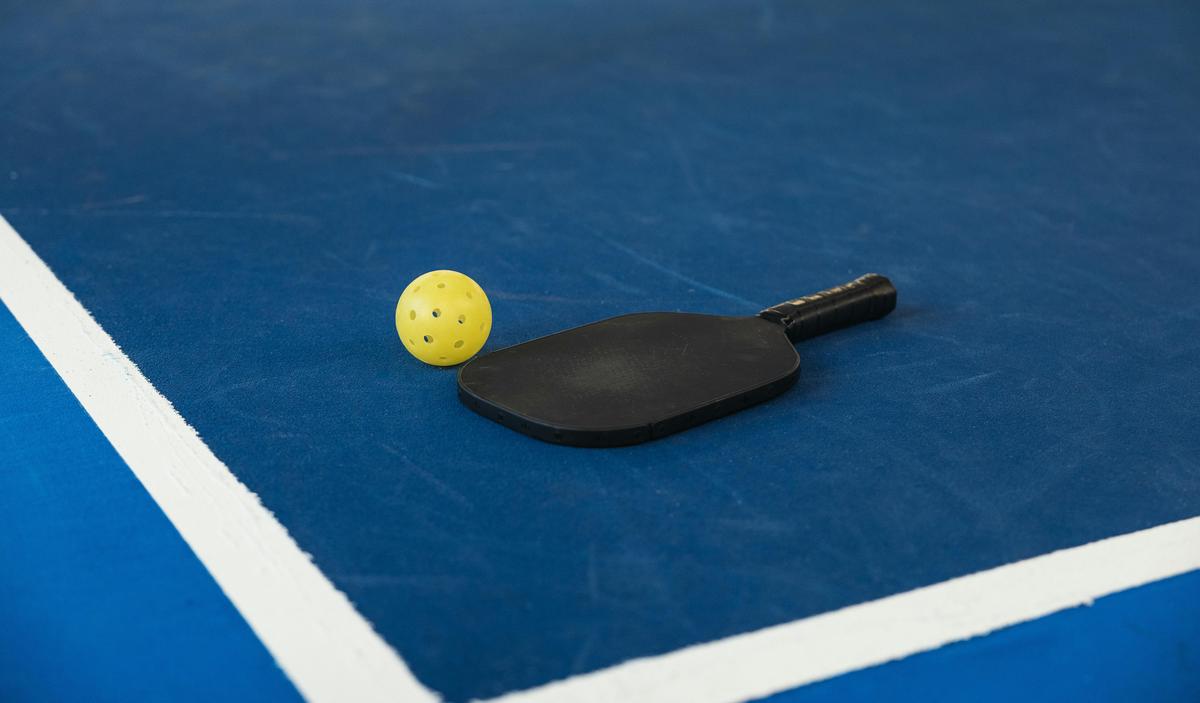
How to Know If a Ball Is Indoor or Outdoor?
Color provides zero diagnostic value. The only reliable method is measuring hole diameter with calipers — factory packaging labels carry a documented mislabeling rate.
Practical Identification Checklist
For distributors receiving mixed shipments, a standardized identification workflow prevents wrong-stock complaints from downstream retailers. The following sequence eliminates ambiguity and creates a documented quality gate at the warehouse level.
- Step 1 — Visual Scan: Ignore color entirely. Look at hole size relative to the ball surface. Larger holes visible at arm's length indicate indoor stock.
- Step 2 — Hole Count: Count the drilled holes. Expect approximately 26 for indoor and 40 for outdoor models as a preliminary filter.
- Step 3 — Caliper Verification: Measure hole diameter. Indoor holes register at approximately 0.43 inches (10.9mm). Outdoor holes register at approximately 0.282 inches (7.16mm).
- Step 4 — Hardness Check: Apply thumb pressure. Indoor balls yield noticeably under force. Outdoor balls resist deformation due to a harder PE compound.
- Step 5 — Label Cross-Reference: Verify printed packaging against measured specs. Flag any discrepancy for supplier review before shelving.
Counting the Holes
The pickleball ball hole count of 26 vs 40 serves as the fastest preliminary sorting metric. Indoor balls carry approximately 26 larger holes, while outdoor balls carry approximately 40 smaller holes. This difference exists because outdoor balls need more holes distributed across a smaller individual diameter to manage wind resistance without compromising shell integrity.
A critical sourcing note for distributors: USAPA does not mandate a specific hole count. The governing body only enforces total ball diameter (approximately 2.9 inches), the USAPA approved pickleball ball weight range of 0.78oz to 0.935oz (22.11g to 26.51g), and bounce height compliance. Rejecting a shipment solely because an indoor ball ships with 24 holes instead of 26 is a procedural error — if the ball passes official approval testing, the hole count deviation is legally irrelevant to resale eligibility.
Measuring Hole Diameter with Calipers
Hole count alone is an incomplete diagnostic. The indoor vs outdoor pickleball hole diameter is the single spec that definitively separates the two categories. A digital caliper reading eliminates all visual guesswork.
Indoor ball holes measure approximately 0.43 inches (10.9mm) in diameter — roughly 40% larger than outdoor holes. Outdoor ball holes measure approximately 0.282 inches (7.16mm). When a warehouse team measures a random sample from a received batch and records 7.16mm hole diameters, that batch is outdoor stock regardless of what the carton label states. This measurement takes under 10 seconds per ball and should be a standard receiving procedure for any distributor carrying both categories.
Squeeze-Test for Plastic Hardness
The wholesale pickleball balls indoor outdoor difference in material composition directly affects how each ball responds to physical pressure. Indoor balls use a softer PE compound designed to grip smooth gymnasium floors. Outdoor balls use a harder, thicker PE compound built to withstand abrasive concrete and asphalt surfaces.
Applying firm thumb pressure to the ball surface produces a visible and tactile difference. Indoor balls will compress slightly and may retain a temporary dent mark. Outdoor balls resist this force and show minimal
Conclusion
Allocate 65% of your initial order to outdoor balls. Period. Most recreational play happens outside, and sitting on indoor stock guarantees dead inventory and panicked retailers. Outdoor margins run slightly lower, but volume movement protects your 35% profit target better than high-margin indoor balls gathering dust.
Request a 50-unit split sample pack before committing to a full run. Have your top retail accounts bounce both types off a concrete floor for thirty seconds. That simple test proves the cold-weather cracking difference faster than any printed spec sheet.
Frequently Asked Questions
Is there a different ball for indoor and outdoor pickleball?
USAPA does not officially distinguish between indoor and outdoor balls. Any approved ball must weigh 0.78–0.935oz and measure ~2.9" in diameter. The indoor/outdoor label is a manufacturer convention based on hole design and plastic hardness, not a regulatory requirement.
Can you use indoor pickleball balls outdoors?
Technically yes, but the softer plastic will degrade quickly on concrete or asphalt surfaces. The larger holes (~0.43" dia) also catch wind, making flight unpredictable. Expect significantly shorter lifespan and more customer complaints if sold for outdoor use.
Do indoor and outdoor pickleballs weigh the same?
Both fall within the same USAPA range (0.78–0.935oz), but outdoor balls cluster near the heavy end (~0.9oz / 25.5g) for wind resistance, while indoor balls trend lighter (~0.8oz / 22.7g) for control. The ~0.1oz difference is small but noticeable in play.
Do indoor or outdoor pickleball balls have more holes?
Outdoor balls have more holes — typically 40 smaller holes (~0.282" dia) — designed to reduce wind drag. Indoor balls have fewer holes — typically 26 larger holes (~0.43" dia) — which increase air resistance for a slower, more controlled flight in still indoor air.
How to know if a ball is indoor or outdoor?
Three fast checks: (1) Count holes — 26 = likely indoor, 40 = likely outdoor. (2) Measure hole diameter — over 0.35" = indoor, under 0.30" = outdoor. (3) Squeeze test — if it yields slightly, it's indoor softer plastic; if rigid, it's outdoor harder plastic. Always check the manufacturer's packaging label as the definitive source.
Want to source this quality for your brand?
Contact our factory directly on WhatsApp for an instant MOQ and pricing quote.