Paddle Defect Replacement: The Club Warranty Clause You Must Get Right

Paddle defect replacement is the single make-or-break clause clubs need to get right before signing a bulk order. Your rental fleet hits the court daily — not just on weekends. That means a paddle that lasts 3-6 months for a personal player often dies in 2-4 months under club use. Edge guard failure alone accounts for 60% of club claims, per industry data. Yet most warranty policies treat that as normal wear. The gap between what suppliers promise and what they actually cover is where clubs lose money.
Here's the dirty secret: many retail brands like HEAD or Selkirk push warranty liability to third-party sellers. You file a claim on Amazon, and they say 'contact the manufacturer.' The manufacturer says 'contact the seller.' Your paddle sits broken while students wait. Direct OEM suppliers can't do that — they built the paddle, so responsibility stays with them. That difference alone can cut your replacement turnaround from weeks to days.
The real leverage comes in the fine print. A 12-month warranty is standard, but only 30% of suppliers explicitly list delamination as a covered defect. And most clubs miss a simple trick: a 30-day internal inspection after receiving a bulk order catches 90% of manufacturing defects before they ever reach a player. Documenting that edge guard micro-separation on day 10 saves you from arguing 'defect vs. wear' on day 60. The process matters as much as the policy.

What Defects Does Replacement Cover?
60% of club warranty claims stem from edge guard failure alone.
For club rental fleets, the line between a manufacturing defect and normal wear is tighter than for personal-use paddles. A paddle that cycles through 10 different players per week hits failure thresholds faster. Suppliers who handle club orders recognize this — that's why they define qualifying defects explicitly in wholesale contracts, not buried in fine print.
- Qualifying defects: Delamination (core separating from face sheet), edge guard peeling away from the frame, cracked handle (structural split, not hairline surface checks), face cracking that exposes core material, and core crushing that creates a soft spot.
- Excluded: Smooth face from abrasive ball contact, worn grip tape, minor scuffs on the edge guard (surface wear only), and impact damage from dropping or banging the paddle against hard surfaces.
The 12-month warranty is industry standard, but only 30% of suppliers put delamination coverage in writing. If a vendor's policy uses vague terms like "manufacturing defects" without listing specific failure modes, expect pushback on edge guard claims — the #1 reason clubs file. A direct OEM partner, by contrast, cannot offload liability to a third-party retailer. The manufacturer's responsibility is non-transferable, so the definition of "defect" must be unambiguous and agreed upon at order stage.
Here is the operational reality: most clubs lose replacement coverage because they fail to document defects immediately. A 30-day internal inspection protocol after receiving a bulk shipment catches 90% of manufacturing flaws before paddles ever reach students. Photograph the front, back, edge, and a close-up of the failure — video showing the defect in motion (e.g., wobbling handle or audible core crunch) turns a 48-hour review into an automatic replacement.
Negotiate a 2% defect allowance upfront (e.g., 2 free paddles per 100). This pre-agreed buffer eliminates the need to argue over marginal cases like minor core softening that falls short of full crushing. Club conditions demand a stricter, documented policy — because the alternative is a $25 lesson loss every time a paddle dies mid-session without a clear replacement path.
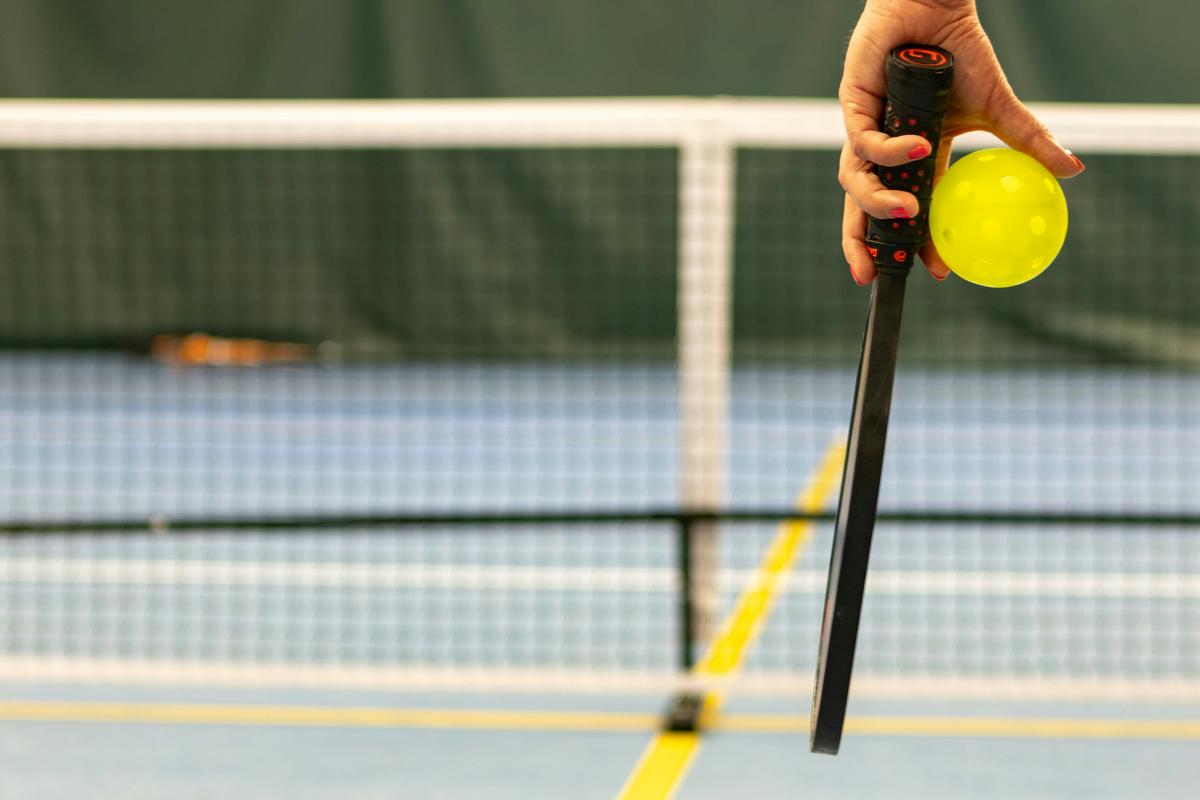
Step-by-Step Claim Process for Clubs
A 30-day inspection after receipt catches 90% of manufacturing defects before they hit your rental fleet.
For clubs, the paddle defect replacement process must be fast and unambiguous. A broken rental paddle means lost lesson revenue and unhappy members. Here is the exact process used by reliable bulk suppliers — including the steps that separate a smooth replacement from a two-week headache.
- Step 1: Document the defect: Take photos of the paddle front, back, edge, and a close-up of the failure. Also record a short video showing the defect in action. This evidence is non-negotiable for any claim. Without clear documentation, expect delays or denial.
- Step 2: Contact supplier within warranty period: Industry standard is 12 months from invoice date. But only 30% of suppliers explicitly cover delamination in writing — verify your policy. When you buy direct from an OEM manufacturer, responsibility is clear and non-transferable. Retail brands (e.g., HEAD) often push liability to Amazon or third-party sellers, leaving clubs stranded.
- Step 3: Supplier review (2–5 business days): Your claim is reviewed by the supplier's quality team. Expect a decision within 2–5 business days. Direct OEM suppliers handle this in-house, so no runaround. If they request additional photos, respond quickly to keep the process moving.
- Step 4: Replacement approved — return label or direct ship: If approved, the supplier sends a replacement. Some require you to return the defective paddle with a prepaid label. Factor in return shipping time (1–3 days) if applicable. Always ask whether you can keep the defective unit — some suppliers allow it to speed up your replacement.
- Step 5: Replacement ships in 7–14 days: Standard replacement shipping takes 7–14 days. For rental fleets, negotiate a pre-approved rapid replacement protocol upfront. This cuts the turnaround to 3–5 days, minimizing downtime. Clubs ordering 100+ paddles often get a 2% defect allowance (e.g., 2 free replacements) — lock that in at contract signing.
Clubs that combine a 30-day internal inspection protocol with a clear warranty process see defect rates below 2% and replacement turnaround under 10 days. That is the benchmark you should demand from any wholesale partner. Direct OEM suppliers deliver this at 50–70% lower cost than retail brands — because they are the factory, not a middleman.
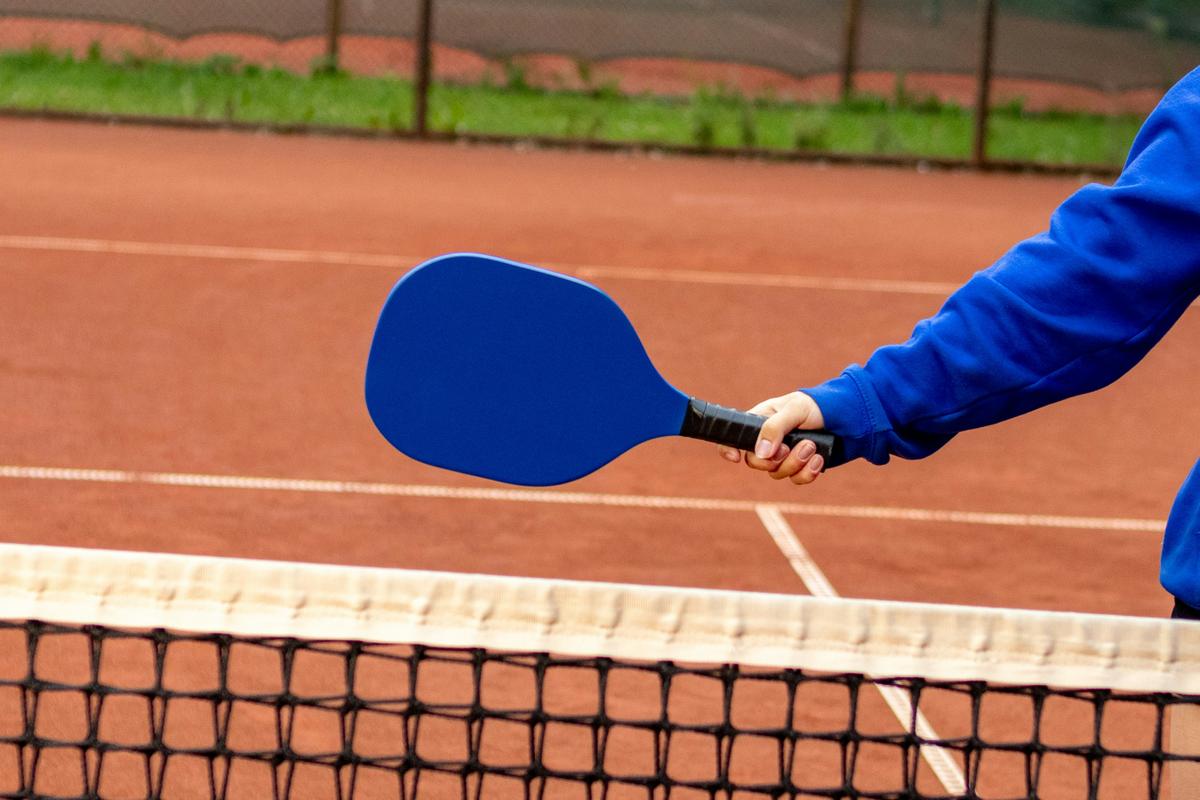
How Long Does a Paddle Last Before Needing Replacement?
Your rental fleet paddles will die in 2-4 months.
If you are running a club with daily rentals, do not expect your paddles to last as long as a personal paddle. The data is clear: a paddle used 4–5 times per week by a single player hits 3–6 months before performance drops. A paddle in a rental fleet – used 4–8 times per day by different players with varying skill levels – dies in 2–4 months. That is not a defect; that is physics and volume.
Edge guard failure is the number one reason paddles get replaced, accounting for over 60% of club warranty claims. The edge guard takes the brunt of ground scrapes, bag jostling, and beginners hitting the court edge. Once it separates from the frame, the core is exposed and the paddle is unsafe to play with. Do not confuse this with a manufacturing defect – edge guard wear is normal. But early separation (in the first 30 days) is a defect and should be documented immediately.
- Rental fleet lifespan: 2–4 months before edge guard wear or face degradation makes paddles unsuitable for safe instruction. Budget for replacement cycles accordingly.
- Personal player lifespan: 3–6 months for someone playing 4–5 times per week. The same paddle model lasts 40–50% longer in individual use because impact frequency is lower.
- 2% defect allowance: For bulk orders of 100+ paddles, most suppliers offer roughly 1 free replacement per 50 paddles (example: 2 free replacements in a 100-paddle order). Negotiate this upfront. It covers manufacturing defects, not edge guard wear from normal use.
- Critical window: Document all paddles within the first 30 days. Internal inspection after receipt catches 90% of true manufacturing defects – including edge guard separation that will later be blamed on wear. Miss that window and you pay full replacement cost.
The implication for your club is straightforward: do not buy 200 paddles expecting them to last a year with daily rentals. Plan on a 4-month replacement cycle for the bulk of your fleet, and keep a reserve stock for the 2% defect allowance. If a supplier claims their paddle lasts 12 months in a rental fleet, ask for their data. Most OEMs will tell you honestly that 2–4 months is realistic under heavy rotation.
Warranty Without Receipt – Is It Possible?
A receipt isn't required – your invoice is your warranty ticket.
For club orders, you don't need a cash register receipt. Bulk suppliers log every order by invoice number and order ID. If you have your purchase order or invoice, that's sufficient to initiate a club pickleball paddle defect policy claim. Most suppliers require only that proof of purchase – the physical receipt is irrelevant for B2B transactions.
One catch: if the paddles were purchased by a previous manager or a different entity, warranty rights are often non-transferable. Not all suppliers allow warranty claims from a second owner. That's why you need to confirm transferability when you take over a club inventory. A direct OEM partner like PickleOEM ties the warranty to the original order, so you can track it without relying on a paper receipt.
- What counts: Invoice or purchase order with order ID, supplier name, and paddle serial numbers.
- What doesn't: Credit card statements, verbal promises, or screenshots of a product page.
To avoid losing warranty coverage, maintain a digital log of every purchase: supplier name, invoice number, paddle serial numbers, and delivery date. A simple spreadsheet or cloud doc saves you weeks of hassle when you need to file a bulk paddle replacement process claim. For club paddle warranty without receipt scenarios, that log becomes your single source of truth.
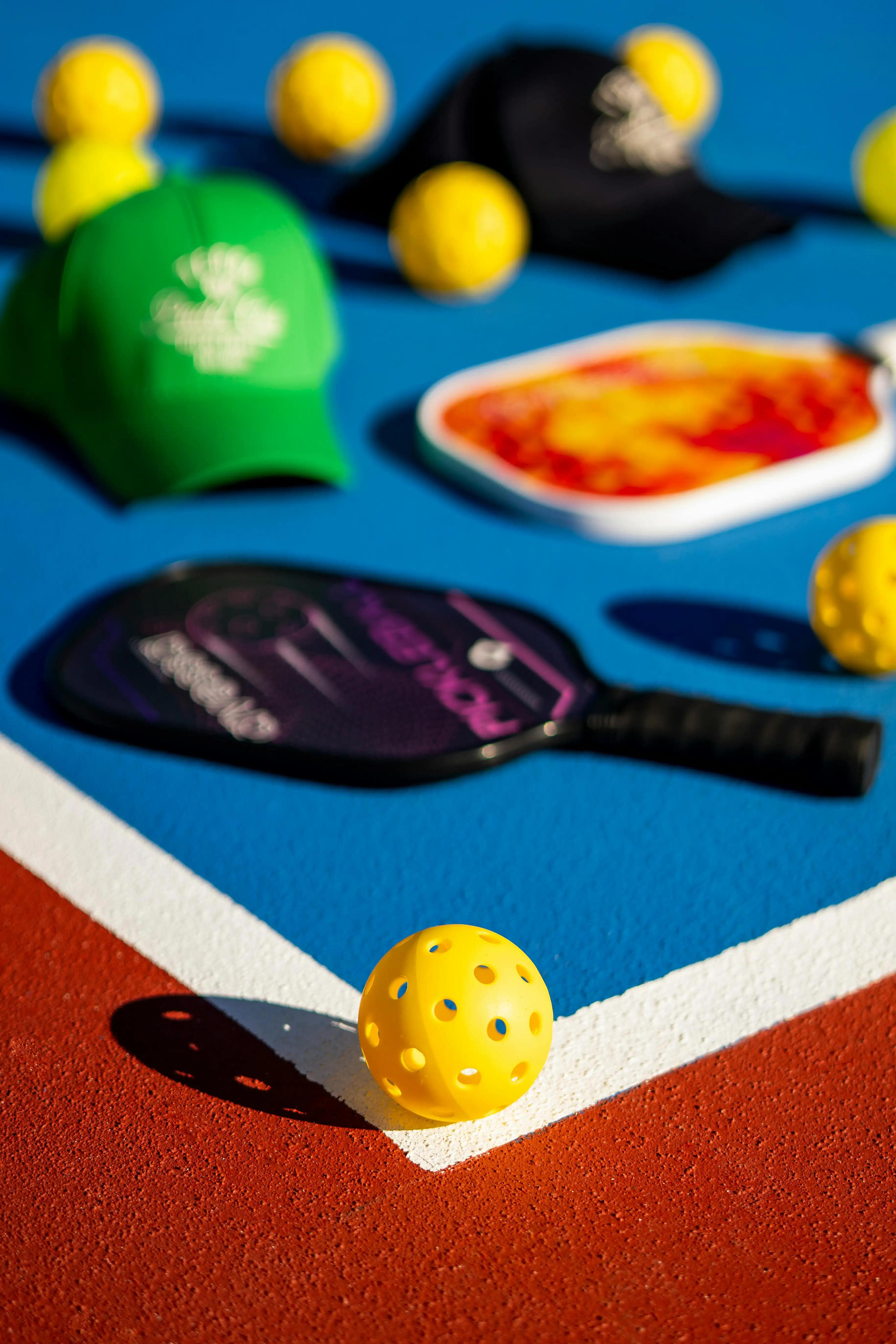
Red Flags to Spot Before Filing a Claim
60% of club claims fail due to misidentifying edge guard wear as a defect—know the policy before you file.
Most club managers assume a paddle's edge guard peeling off after 90 days of rental use is a manufacturing defect. In reality, that's normal wear from repeated impact with court surfaces and the net. The 12-month warranty from direct OEM suppliers like PickleOEM covers edge guard separation only when it starts within the first 30 days and is accompanied by clean separation from the frame without impact marks. If you file a claim for a paddle that's been in your rental fleet for 4 months with a scuffed guard, the supplier will reject it.
- Claim timing trap: The 12-month warranty clock starts on your invoice date. If you submit photos on day 380, the claim is automatically denied. For club orders of 100+ paddles, the industry standard 2% defect allowance (1 paddle per 50) is often limited to the first 6 months—check your contract.
- Modification voids coverage: Custom grip tape, edge guard add-ons, or replacing the factory grip with a thicker overwrap changes the paddle's flex under load. Suppliers test the original construction; any modification shifts liability to you. If your club insures rental gear through a third party, verify their policy on modified paddles first.
- Return-before-replacement cost: Some retail brands require you to ship back the defective paddle before they dispatch the replacement. Over standard ground shipping (5–7 days each way), that's 10–14 days without usable inventory. Direct OEM suppliers like PickleOEM typically send the replacement immediately upon photo approval and ask for the defective unit back on the same shipment—cutting downtime to 3–5 days via express.
The real risk is operational: a broken paddle in your rental fleet costs you a full lesson slot per day. If you have 50 paddles in rotation and one fails, you lose $30–$50 in rental revenue each day it's out of commission. A 14-day return-based claim cycle could cost you $700 in lost income for that single paddle. That's why the 2% defect allowance should be negotiated as immediate replacement without return—your supplier absorbs the scrap cost, not your lesson revenue.
Conclusion
You now know exactly what paddle defect replacement looks like: a 12-month warranty that covers delamination, edge guard failure, and frame cracks, backed by a pre-negotiated 2% defect allowance on bulk orders. The key is catching issues early — a 30-day inspection of every new paddle catches 90% of manufacturing flaws before they cost you lesson time.
Take this process to your next supplier conversation. Compare their claim timelines and defect definitions against the checklist here. When the terms match what you need, you’ll know you’ve found a partner who protects your fleet — not your patience.
Frequently Asked Questions
What is the average lifespan of a pickleball paddle?
For personal use, paddles typically last 3–6 months, but rental fleet paddles often die in 2–4 months due to daily court exposure. Core degradation and edge-guard separation are the main failure points that shorten. Expect shorter lifespan in high-use settings like clubs.
Which pickleball paddle has a lifetime warranty?
Several premium brands (e.g., Selkirk, Engage, ProXR) offer lifetime warranties on manufacturing defects, but the specific paddle model and coverage terms vary. Most lifetime warranties exclude normal wear, such as face. Verify the exact warranty language for the paddle model you buy.
How do you tell if your pickleball paddle needs to be replaced?
Obvious signs include delamination (face separating from core), edge guard peeling, core crushing, or a cracked handle. A sudden loss of ‘pop’ or dead spots on the face also indicate internal failure. Distinguish these from normal wear to avoid false warranty claims.
What is the warranty on Pickleballcentral?
Pickleballcentral does not offer a single warranty; instead, they list each manufacturer’s warranty on the product page, typically covering manufacturing defects for 30 days to 1 year. Non-defect returns follow their 30-day return. Always read the specific brand’s warranty tab before purchasing.
Can I still claim warranty without a receipt?
Some manufacturers accept alternative proof of purchase, like a bank statement or online order confirmation, but most require the original receipt. Defect claims that follow the evidence checklist (photos, video). Register your paddle with the manufacturer at purchase to simplify future claims.
Want to source this quality for your brand?
Contact our factory directly on WhatsApp for an instant MOQ and pricing quote.