Pre-Shipment AQL Inspection for Pickleball Orders
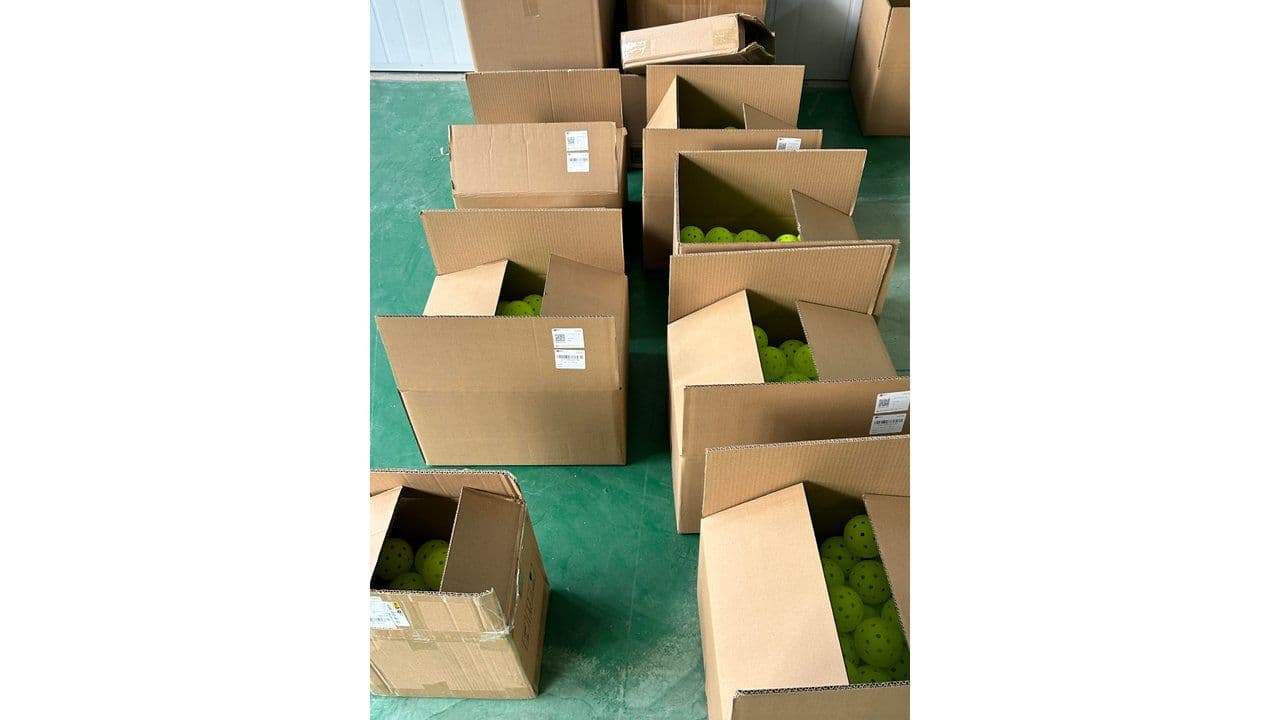
A pre-shipment inspection is the last point where a bad pickleball batch is still the factory's problem and not yours. Once the container leaves and you've paid the balance, a 5% crack rate becomes returns, refunds, and a supplier who's already moved on. An AQL inspection checks a statistically chosen sample against agreed defect limits before the goods ship, so you catch the bad lot while the final payment is still in your hands. It's the single cheapest insurance on a pickleball order, and it runs on a published standard, not a gut feel.
AQL stands for Acceptable Quality Limit, and the method behind it is ISO 2859-1 — the international standard for sampling by attributes. You don't inspect every paddle; you pull a sample sized to the lot, sort the defects into critical, major, and minor, and compare the counts to accept/reject numbers set in advance. Here's how to set your AQL levels, run the inspection step by step, and decide pass or fail before you release the balance.
Key Takeaways
- AQL inspection samples a batch against agreed defect limits before shipment, using the ISO 2859-1 standard.
- Standard AQL levels: 0 for critical defects, 2.5 for major, 4.0 for minor — set them in your contract before production.
- Sample size scales with lot size by a code letter; e.g. at AQL 2.5, a 200-unit sample accepts ≤10 defects and rejects at 11+.
- For paddles, delamination and out-of-spec weight are majors; a non-approved surface is critical. For balls, out-of-round and wrong hardness are majors.
- Run the inspection when goods are ~80% produced and partly packed, and tie a pass to releasing the final payment.
- Use a third-party agency (SGS, QIMA, Bureau Veritas) for orders where a bad lot would cost more than the inspection fee.
What an AQL inspection actually protects
The inspection exists to move risk back onto the supplier while you can still act. Pay first and inspect later, and a defect rate is your loss; inspect before the balance, and it's the factory's job to fix.
AQL replaces "they looked fine" with a number. Instead of eyeballing a few paddles off the top of a carton, you pull a sample sized by the standard and count defects against a threshold both sides agreed to. That removes the argument: a lot either passes the agreed AQL or it doesn't. The method comes from ISO 2859-1, the international sampling standard, so the rules aren't yours or theirs — they're neutral.
Step 1 — Set your AQL levels before production
AQL levels are agreed up front, in the contract, not negotiated after the defects show up. Three defect classes each get their own limit.
| Defect class | Typical AQL | Pickleball example |
|---|---|---|
| Critical | 0 | Non-approved surface, unsafe sharp edge |
| Major | 2.5 | Delamination, out-of-spec weight, out-of-round ball |
| Minor | 4.0 | Small cosmetic scuff, slight print misalignment |
Critical sits at 0 because a paddle that can't be sold legally or safely is never acceptable, not even one. Warning: if a supplier resists writing AQL levels into the PO, that's the moment to push — a factory confident in its line agrees to be measured.
Step 2 — Size the sample by the lot
You don't pick the sample size by feel; the standard does. Lot size maps to a code letter, and the code letter plus your AQL gives the sample size and the accept/reject numbers.
A worked example makes it concrete: for a typical order, code letter L at AQL 2.5 calls for a 200-unit sample — accept the lot at 10 or fewer major defects, reject it at 11 or more. The sample is pulled at random from across the lot, not handed to you off the top carton. Warning: if the factory pre-selects the units you inspect, the sample is meaningless — insist on random draw from sealed cartons.
Step 3 — Inspect and classify every defect
With the sample pulled, each unit is checked against the spec and any defect is sorted into critical, major, or minor. For pickleball goods, the checklist is specific.
- Paddles: face-to-core delamination, edge-guard or unibody bond, static weight to spec, surface roughness within the legal limit, no rattles or dead spots.
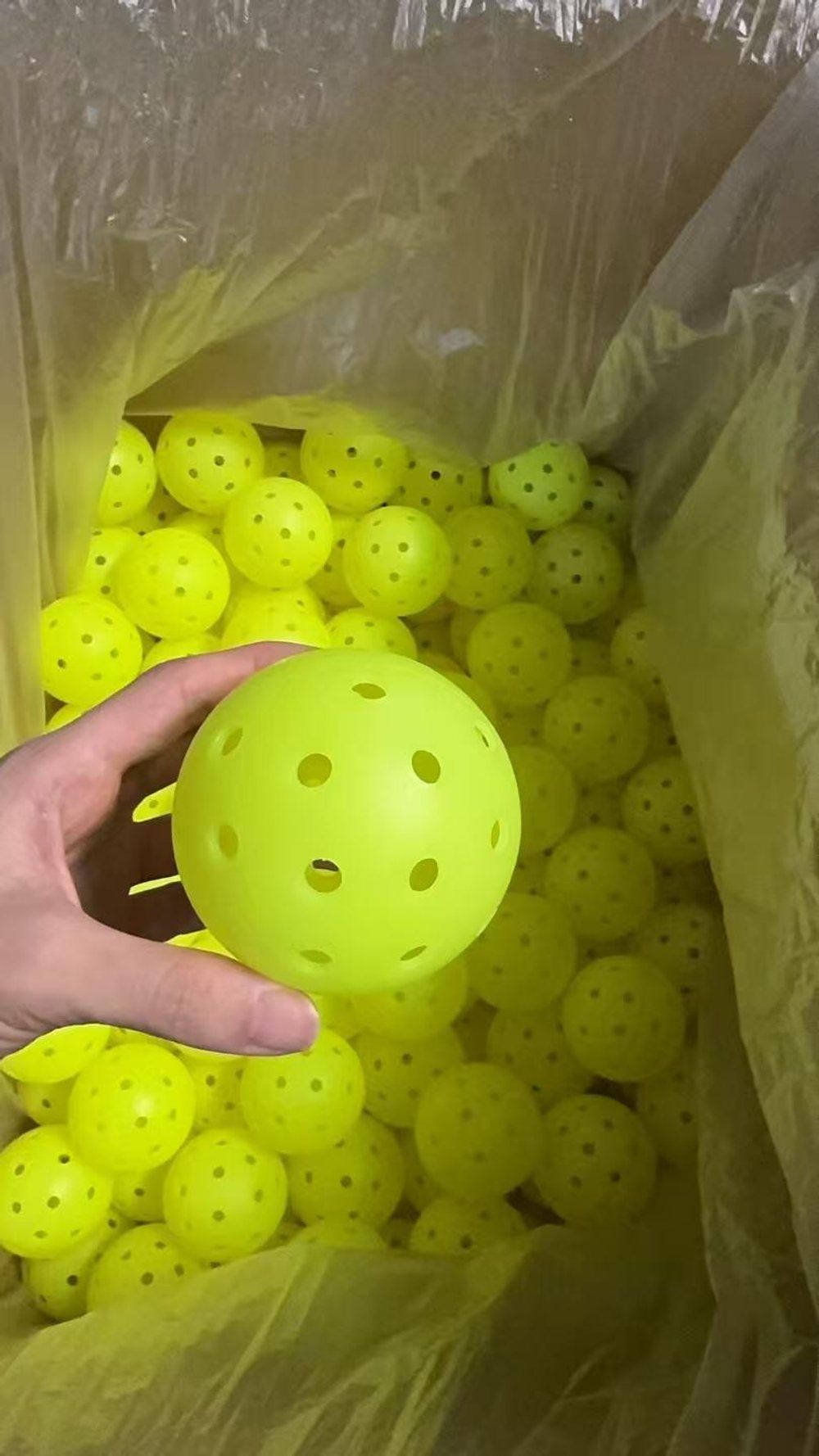
- Balls: roundness, weight band (about 21–26 g), Durometer hardness, hole drilling and count, seam integrity on injection balls.
- Both: correct logo and print, retail packaging and barcodes, carton count and shipping marks matching the packing list.
Functional checks belong here too — a drop test on balls, a flex check on paddle edges. Warning: a paddle can pass a visual and still fail a flex test, so don't let "looks fine" stand in for the measured QC checks.
Step 4 — Decide pass or fail before the balance
Count the defects in each class, compare to the accept/reject numbers, and the lot passes or fails on the math — no debate. Then tie that result to money.
That hold only works if the inspection happens before you release the final payment, usually the 70% balance. A pass releases the balance; a fail triggers rework and a re-inspection at the supplier's cost. Warning: schedule the inspection when production is roughly 80% done and partly packed — too early and there's nothing to sample, too late and the goods are already on a truck.
Should you inspect yourself or hire an agency?
Both work; the right call depends on order value and distance.
| Third-party agency (SGS, QIMA, BV) | Self / buyer's own check |
|---|---|
| Container-scale orders, distant buyers | Small orders, repeat trusted supplier |
| Neutral report, AQL expertise, ~one day | No fee, but you need to know the method |
| A flat fee far below a bad-lot loss | Risk of a biased or partial sample |
What we do before an order ships
Because the inspection only means something if the line is already controlled, every order is built to be inspection-ready. Before goods are released we:
- Run in-line sampling: Weight, roundness, hardness, and surface are sampled during production, not just at the end.
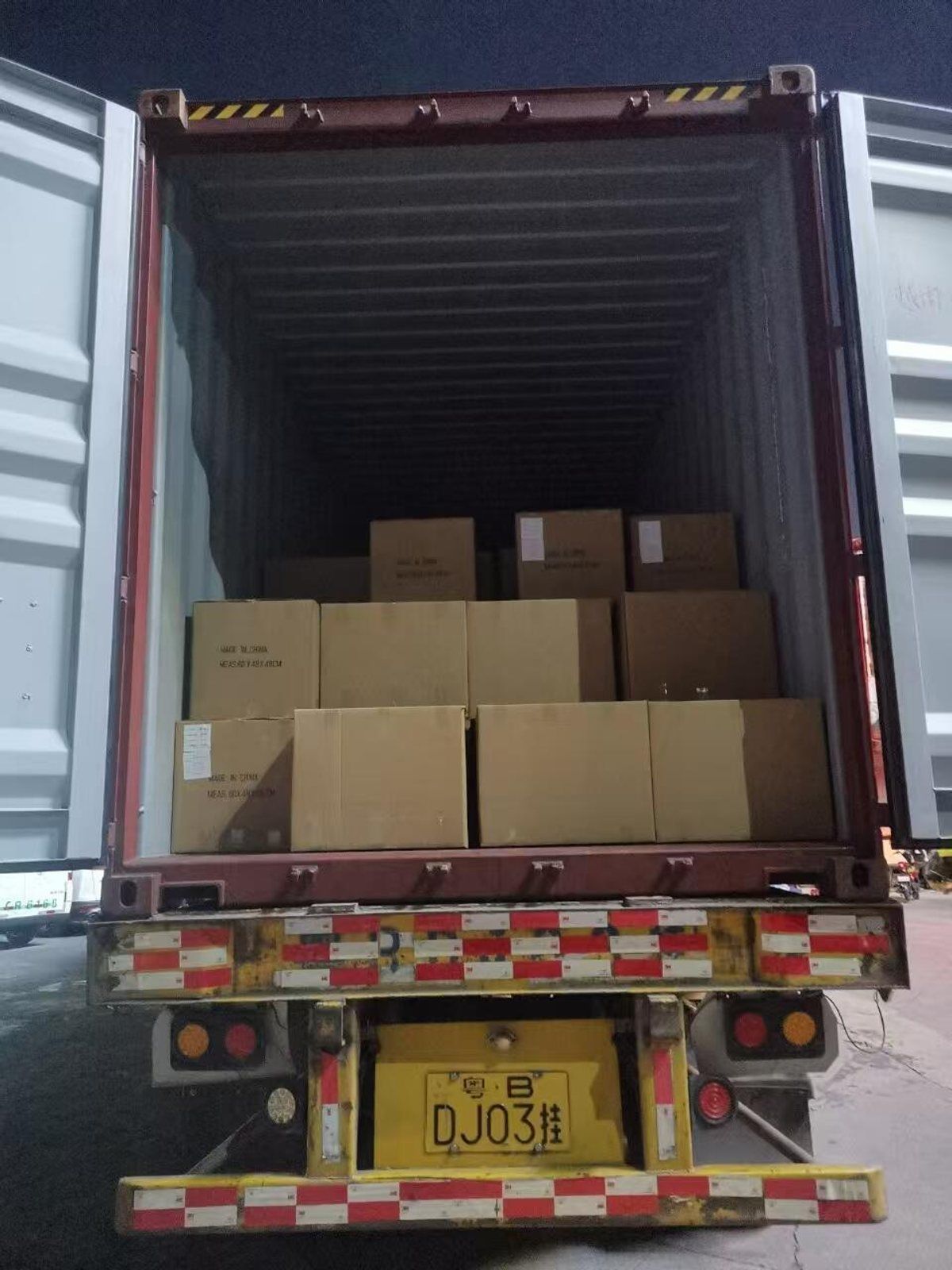
- Welcome third-party inspectors: SGS or QIMA bookings are accommodated, with cartons available for random draw.
- Match the packing list: Carton marks, counts, and barcodes are reconciled to the shipping documents before sealing.
- Hold the balance to the result: Final payment follows a passed inspection, not a promise.
Ask any supplier whether they'll accept a pre-shipment AQL inspection tied to the balance. A factory that says yes is telling you its defect rate can survive being measured.
Conclusion
A pre-shipment AQL inspection turns "trust me" into a measured pass or fail before your money is gone. Set critical/major/minor limits in the contract, size the sample by ISO 2859-1, classify every defect, and release the balance only on a pass. On a container of paddles or balls, the inspection fee is a rounding error next to the cost of a rejected lot landing in your warehouse. Inspect before you pay, and the defect rate stays the factory's problem.
If you're placing an order worth more than an inspection fee, book a third-party AQL check or run your own against these steps, and tie the result to the balance. Our team builds every order to be inspection-ready and works with the agency you choose.
Written by the PickleOEM team — a source pickleball factory in China producing carbon paddles and rotomolded balls for international brands and importers. We run in-line QC and accept third-party AQL inspections tied to the final payment.
Frequently Asked Questions
What AQL level should I use for pickleball products?
The common setup is 0 for critical, 2.5 for major, and 4.0 for minor defects. Tighten major to 1.5 for premium lines. Agree the levels in the purchase order before production starts.
How big is the inspection sample?
It scales with lot size via an ISO 2859-1 code letter. As an example, code letter L at AQL 2.5 uses a 200-unit sample, accepting 10 or fewer defects and rejecting at 11 or more.
When should the inspection happen?
When production is about 80% complete and partly packed, and always before you release the final balance. Too early leaves nothing to sample; too late and the goods are already shipping.
Do I need a third-party agency?
For container-scale or distant orders, yes — SGS, QIMA, or Bureau Veritas give a neutral report for a flat fee well below a bad-lot loss. For small repeat orders with a trusted supplier, a careful self-check can do.
Want to source this quality for your brand?
Contact our factory directly on WhatsApp for an instant MOQ and pricing quote.