Section 301 Tariffs on Pickleball Paddles: What US Importers Need to Know in 2026
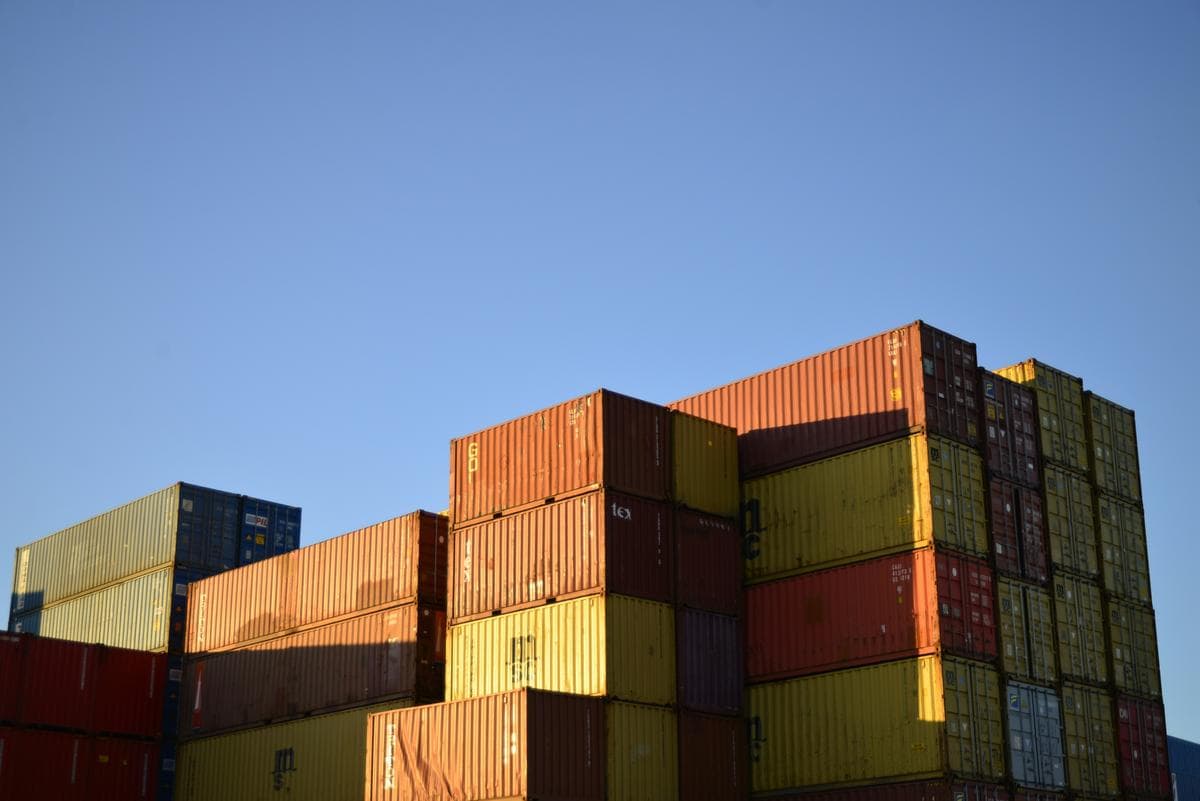
Every quarter a US distributor emails us in a panic because a container of pickleball paddles cleared customs at a rate they didn't budget for. Sometimes the extra line item is fentanyl-related duty. Sometimes it's the reciprocal tariff of the month. Sometimes it's the classic Section 301 List 3 charge they meant to plan for but rolled forward from last year's spreadsheet. The math is different every time; the surprise is the same. The people who never get surprised are the ones who treat US import duty on Chinese pickleball paddles as an active file, not a static number — and who read updates from USTR and CBP the way they read the weather.
This is the practical Section 301 picture for pickleball paddles imported into the United States as of mid-2026 — what the standing tariff structure looks like, why List 3 is the one that hits sporting goods, what the current suspension window means for pricing decisions, and how to plan a landed-cost model that survives the next policy update. Tariff rates and exclusions change; the framework for reasoning about them doesn't. Everything specific below should be re-confirmed with your customs broker at the time of import — nothing here substitutes for a compliance check on your exact shipment.

Key Takeaways
- Pickleball paddles imported from China typically classify under HS 9506.99 (other sporting goods) and fall under Section 301 List 3 at a 25% ad valorem rate on top of the base MFN duty.
- The base MFN duty on HS 9506.99.6080 (the practical subheading for many pickleball paddles) is often around 4% — check the current HTSUS entry for your exact SKU before quoting landed cost.
- USTR's most recent List-3 higher-rate increases and a set of 178 product exclusions have been extended through November 10, 2026 — the exact expiration date matters for order timing and should be re-checked before every shipment.
- Section 301 duty is only one layer of the current tariff stack on Chinese-origin sporting goods; additional layers (fentanyl-related duties and any active reciprocal tariff) can apply and change more often than Section 301 itself.
- Landed-cost models built on the current Section 301 rate are only valid for the specific import window they were built for — anyone quoting FOB China without a Section 301 line item in the delivered-to-warehouse math is not seeing their real margin.
- Practical mitigations exist — accurate HTSUS classification, applicable exclusions, correct country-of-origin declaration, and Foreign Trade Zone strategies — but each requires paperwork the importer, not the factory, produces.
The current tariff stack on a pickleball paddle from China
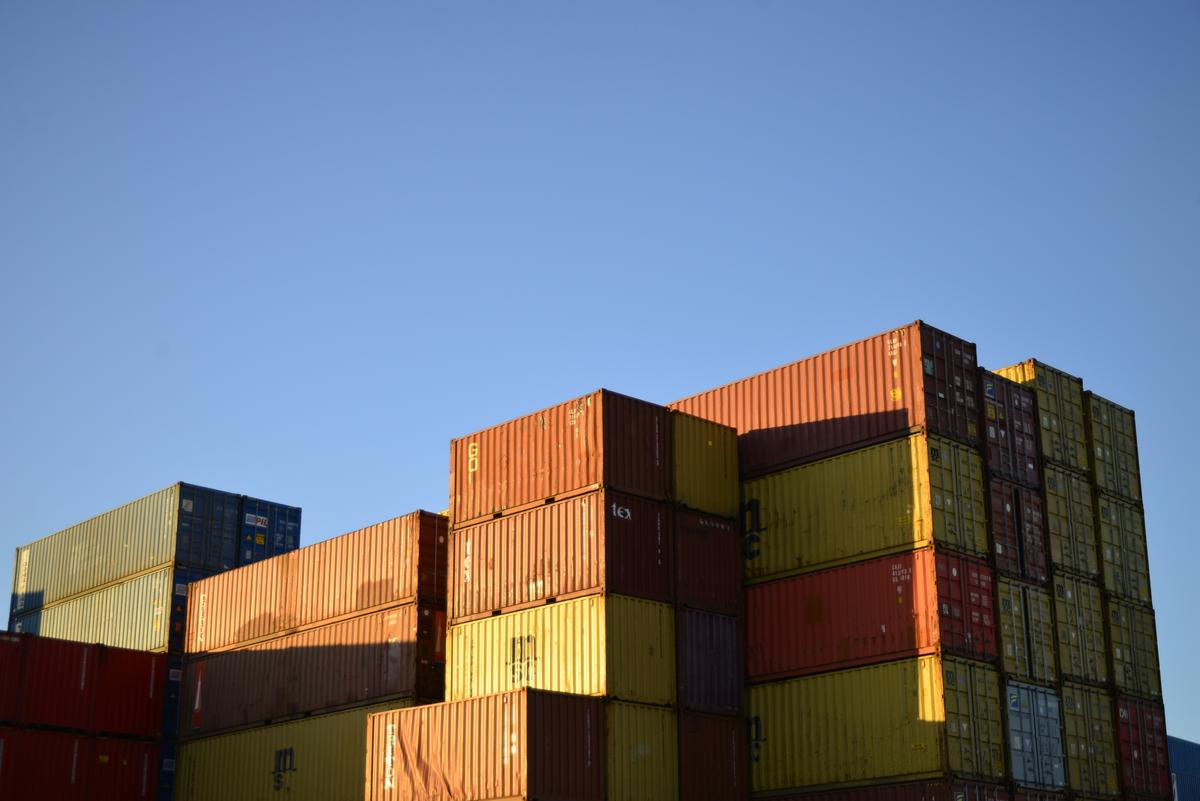
A pickleball paddle arriving in the US from a Chinese factory passes through a stack of duty layers, not a single rate. Building a landed-cost model that only sees one layer is where distributors get surprised.
Layer 1 — Base MFN duty (the standing tariff)
Pickleball paddles typically classify under HS 9506.99 (articles and equipment for general physical exercise, gymnastics, athletics, other sports; parts and accessories thereof — other). At the 10-digit level, many paddles fall under 9506.99.6080. The base MFN rate applied to origin-China goods for this subheading has historically been around 4% ad valorem — check the current Harmonized Tariff Schedule entry for your exact 10-digit code before quoting; the specific tenth of a percent can shift with tariff schedule revisions. The HS classification itself is a topic on its own — the depth is in our guide to pickleball paddle HS code.
Layer 2 — Section 301 List 3 (25% for sporting goods)
Section 301 is the trade action the USTR launched in 2018 against Chinese-origin imports, structured across four lists. Sporting goods — including pickleball paddles under HS 9506 — fall into List 3, referenced in the HTSUS by subheading 9903.88.03. The standing Section 301 rate on List 3 items is 25% ad valorem on top of the base MFN duty. This is the layer most first-time importers under-count. A container quoted FOB China at $X carries an additional ~25% of that value at the border for this single layer, before any other charge. The full detail on the USTR side is at ustr.gov/issue-areas/enforcement/section-301-investigations.
Layer 3 — Additional current-administration duties
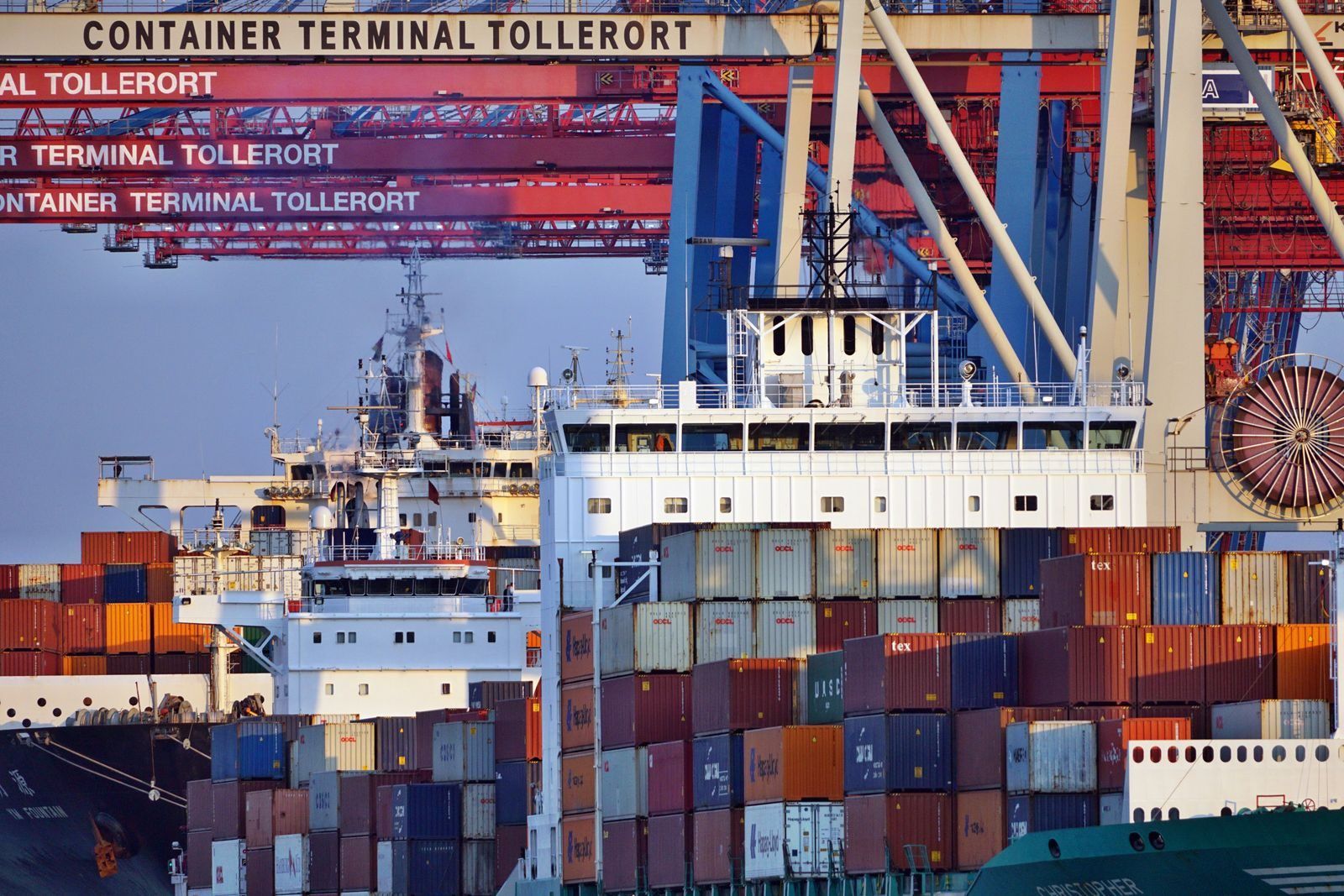
Additional duty layers have been applied to Chinese-origin goods above and beyond Section 301 in recent years — including fentanyl-related duties and reciprocal tariffs of varying magnitude. As of early 2026, for instance, the reciprocal layer moved onto Section 122 of the Trade Act of 1974 — a roughly 10% across-the-board duty introduced in February 2026 after the Supreme Court struck down the earlier IEEPA tariffs — and that measure carries a statutory 150-day limit, meaning it is legislated to lapse or be replaced within months of taking effect. It is exactly the kind of layer that will likely look different by the time your container lands. These layers change more often than Section 301, sometimes multiple times per quarter, and the specific rate applicable at time of import is the one your customs broker or clearance agent confirms against the entry. This guide will not name a specific figure for the additional layer because the number as of any given week is unlikely to be the number at your actual arrival date. Treat the additional layer as a variable in your landed-cost model, not a constant, and re-confirm before every shipment.
Layer 4 — Harbor Maintenance Fee and Merchandise Processing Fee
Not Section 301 but always present: the Merchandise Processing Fee (MPF, 0.3464% of value, subject to per-entry minimum and maximum) and the Harbor Maintenance Fee (HMF, 0.125% of value, on sea imports). Small individually, standard on every entry, and consistently forgotten by first-time importers.
A landed-cost estimate that ignores Layer 3 is not conservative — it's simply wrong for the current period. Any margin plan built on FOB + Section 301 alone will over-promise unit economics that reality will underdeliver.
The exclusion and suspension window: what expires November 10, 2026
USTR has repeatedly extended a set of Section 301 exclusions and paused certain higher-rate implementations. The most recent extension applies to 178 product exclusions and certain higher-rate increases, with the current window running through November 10, 2026. Two implications matter to a pickleball importer.
First: the specific list of excluded HTSUS subheadings is published by USTR and is worth checking against your exact classification. Most pickleball paddles are not on the exclusion list — the list historically leans toward medical goods, personal protective equipment, and specific industrial inputs. But confirm before assuming; the marginal chance your subheading is covered pays back the ten minutes of due diligence. The USTR Section 301 exclusion process page is at ustr.gov.
Second: the November 10, 2026 date matters for order timing. A container arriving at a US port after that date could clear at whatever the successor structure is — possibly identical, possibly with higher-rate reintroduction, possibly extended again. A landed-cost model for a Q4 2026 or Q1 2027 shipment has to acknowledge the window and either build in a contingency or bring the shipment landing forward.
The landed-cost math: a worked example
A worked example makes the layering visible. Take a hypothetical FOB-China order of 1,000 pickleball paddles at an FOB unit price of $18. Numbers below are illustrative and use only Section 301 for the "current administration duty" line; add your broker's actual current figure to any real quote.
| Cost component | Basis | Amount (USD) |
|---|---|---|
| FOB China (1,000 paddles × $18) | Factory + export cost | $18,000 |
| Ocean freight + BAF (indicative) | Sea freight to US port | $1,200 |
| Base MFN duty (~4% on FOB) | HS 9506.99, verify current rate | $720 |
| Section 301 List 3 (25% on FOB) | 9903.88.03 reference | $4,500 |
| Additional current-admin duty layer | Variable — confirm with broker | See note |
| MPF (0.3464%) + HMF (0.125%) | Standard federal fees on entry value | ~$85 |
| Customs broker + entry fees | Per-entry charge | $150–300 |
| Inland delivery to warehouse | US port to distribution center | $800–1,500 |
| Landed unit cost (before Layer 3) | $18 FOB → ~$25.50 landed | +41% over FOB |
Even without Layer 3, an $18 FOB paddle lands at roughly $25.50 in the warehouse — a 41% uplift on the factory price. Layer 3 pushes that further; the exact figure depends on the entry date and the current administration duty in force. Anyone modeling retail margin on FOB pricing alone is off by nearly half. The related total-import view including sea vs air freight is in our guide to importing pickleball paddles cost.
Practical mitigations that actually work
Two categories of mitigation exist: legitimate ways to reduce the duty owed, and mistakes to avoid that would increase it or invite penalty. Both categories are the importer's paperwork responsibility, not the factory's.
Accurate HTSUS classification
The single biggest legitimate lever. A pickleball paddle miscoded under a broader or narrower HTSUS classification can land at a materially different rate. Getting the correct 10-digit subheading right — often 9506.99.6080 for pickleball paddles — is a compliance obligation and can also be duty-optimizing. A binding ruling from CBP through the Customs Rulings Online Search System (CROSS) gives you a written CBP determination that removes classification ambiguity for future entries.
Applicable exclusions
Check whether your exact HTSUS subheading is on the current USTR Section 301 exclusion list — the list gets updated and extended periodically, most recently through November 10, 2026 for the 178 covered exclusions. Most pickleball classifications are not covered, but the check costs nothing.
Correct country-of-origin declaration (not a transshipment)
Some importers ask about routing Chinese-manufactured goods through third countries to change the origin declaration. This is transshipment, and it's fraud when the substantial transformation test is not genuinely met. Section 301 penalties for false country-of-origin declarations are severe and can include seizure of goods. If a factory in a third country genuinely performs substantial transformation on your paddle — meaningful production steps that change the origin — that's a legitimate origin story; a factory that only re-boxes Chinese goods is not.
Foreign Trade Zone (FTZ) strategies
For larger volumes and specific inventory-turn profiles, admitting goods to an FTZ defers duty until they enter US commerce and can enable duty reduction on re-exports. FTZs require setup and accounting overhead that only pays off past specific volume thresholds — for a distributor turning containers per month, worth the conversation with a customs broker; for a facility operator importing one container at opening, not.
The biggest mistake is treating tariff planning as a one-time exercise. Rates change; exclusions expire; new duty layers appear. The distributor who never gets surprised is the one who confirms the current stack with their broker on every PO — not once a year.
Best for / not for: is this the framework your business needs?
| Best for | Not the primary concern for |
|---|---|
| US distributors importing full containers of Chinese-origin paddles | Buyers using US-based drop-shippers who already carry the duty in their unit price |
| Facility operators pricing member gear against imported unit cost | Non-US buyers — Canadian, EU, AU/NZ import structures differ entirely |
| Retailers running FBA or DTC where landed unit cost is the margin lever | Brands whose paddles are already manufactured outside China (different HTSUS + no Section 301) |
What we check when we quote FOB for a US-bound customer
From a source factory's side, the responsibility is to quote FOB clearly and to help the US importer classify the goods correctly. The specific pattern:
- Correct HTSUS classification guidance. A pickleball paddle typically falls under 9506.99.6080 — we don't file the entry, but we can supply the technical description that helps the broker land the correct 10-digit code.
- Honest country-of-origin marking. "Made in China" or "Made in P.R.C." on the paddle and cartons, no ambiguity. Anything else is fraud waiting to be discovered.
- Commercial invoice matching the goods. The value on the invoice matches the actual FOB paid, not an artificially reduced figure. Under-invoicing is a well-known fraud pattern that CBP watches for; the risk to the importer is not worth the temporary duty saving.
- Packing list and manifest accuracy. Every SKU on the packing list, correct quantities, correct declared value per line. Ambiguity on the manifest triggers exams and delays.
- Referral to a real customs broker. First-time US importers who ask us "what will I pay in duty?" get referred to a broker rather than a hopeful number. The specific stack on any given day is a broker's job to confirm, not ours.
Frequently Asked Questions
What Section 301 rate applies to pickleball paddles imported from China?
Pickleball paddles under HS 9506 fall under Section 301 List 3, which carries a 25% ad valorem rate on top of the base MFN duty. The reference in the HTSUS is subheading 9903.88.03. Additional current-administration duty layers can apply and change more often than Section 301 itself — confirm the full stack with a customs broker at the time of import.
Are pickleball paddles on the current Section 301 exclusion list?
The 178 product exclusions extended through November 10, 2026 historically favor medical goods, PPE, and specific industrial inputs. Most pickleball paddle classifications are not on the exclusion list, but the exact list is worth checking against your 10-digit HTSUS code before assuming — the USTR maintains the current list at ustr.gov, and your broker can confirm.
Does the exclusion window really end November 10, 2026?
That is the currently-scheduled expiration for the extended exclusions and paused rate increases. USTR has repeatedly extended similar deadlines, but planning against extension is speculation. A shipment landing after that date should be modeled at whatever the successor structure is — or at the possibility that it reverts, extends again, or restructures. Buffer the timing on any Q4 2026 or Q1 2027 shipment accordingly.
Can I avoid Section 301 duty by shipping through a third country?
Only if the third country genuinely performs substantial transformation on the goods — meaningful production steps that legitimately change the country of origin. Simply routing Chinese-manufactured paddles through a warehouse in another country and re-declaring origin is transshipment fraud. CBP actively investigates this pattern, and penalties include duty recovery plus significant fines. If a factory in a third country genuinely manufactures your paddles, that's a legitimate origin story; a re-boxing operation is not.
Should the factory pay the tariff or the importer?
Standard practice is that the importer of record — the US party bringing the goods across the border — pays the duty. On FOB terms, the factory delivers to the vessel and the importer takes over from there, including all duties. On DDP terms, the seller technically covers duty to destination — but for high-volatility duty environments like current Chinese sporting-goods imports, most factories will not quote DDP because they cannot commit to a duty figure at time of order that will still be valid at time of import. FOB with the importer handling duty is the standard structure.
How do I calculate my true landed cost per paddle?
Sum FOB unit price + freight per unit + base MFN duty + Section 301 List 3 duty (25% of FOB) + any additional current-administration duty layer (broker-confirmed) + MPF and HMF + broker fees + inland freight per unit. Divide by the paddle count. For a moderately-priced paddle from China, expect landed unit cost to run 40–55% above the FOB unit price at current stack levels — before Layer 3 makes it higher.
Does Section 301 apply to pickleball balls and nets too?
Pickleball balls, nets, and most accessories also classify under HS 9506 and fall under the same Section 301 List 3 structure with the 25% rate. The base MFN rate varies by specific 10-digit subheading, but the Section 301 treatment is the same across the sporting-goods classification. The full HS-code picture across pickleball equipment is covered in HS code for pickleball paddles.
Where should I confirm the current tariff structure?
Three primary sources: the USITC Harmonized Tariff Schedule for the 10-digit rate on your classification, the USTR Section 301 tariff actions page for exclusions and suspension status, and a licensed customs broker for the full current stack applicable to your entry. The broker is the one whose signature is on the entry filing — treat their number as the authoritative one at time of import, not a public reference site.
Want to source this quality for your brand?
Contact our factory directly on WhatsApp for an instant MOQ and pricing quote.