Pickleball Paddle HS Code: Avoid 130% Tariff Mistakes
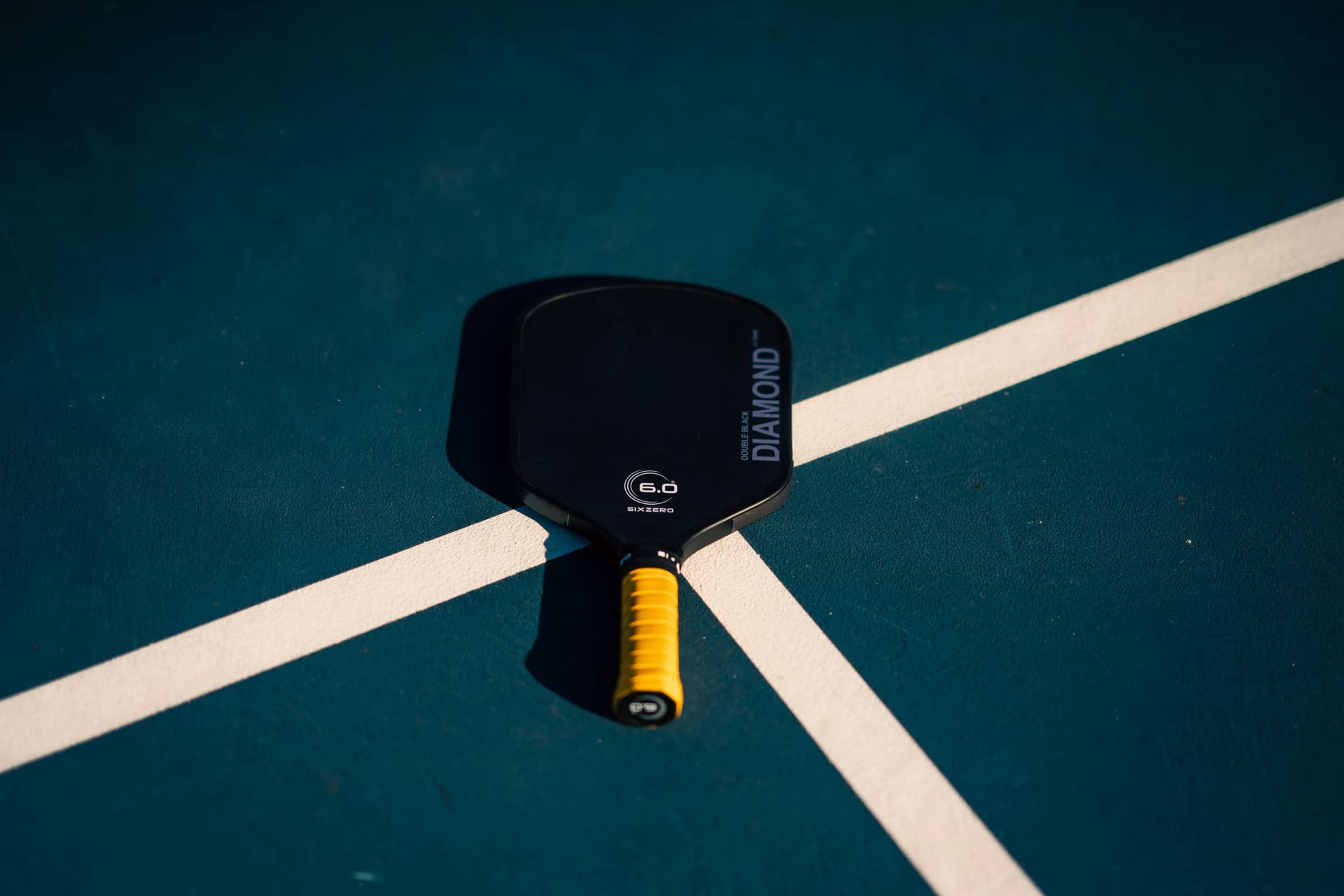
hs code pickleball paddles is the first checkpoint buyers should lock before they approve a supplier, budget, or production slot. You’ve got a container of paddles arriving from China, and the customs broker is asking for the HS code. This is where the margin on your club’s fleet or resale stock gets decided. Getting the HS code for pickleball paddles wrong means either a delayed shipment or a duty bill that blows your budget. Most suppliers will give you a generic number, but that’s where the trouble starts.
Start from what the record actually shows. Every CBP ruling letter on CROSS that names pickleball has put the goods in 9506.99.60, the residual ‘other’ line of heading 9506, at a general rate of 4%: a two-paddle, one-ball game with no net (NY N315307, 2020), a ball retriever tube (NY N334905, 2023) and a full paddle, ball, net and bag set (NY N347450, 2025) all landed at 9506.99.6080. No letter classifies a paddle entered on its own, and none puts a pickleball paddle in the rackets group. The 9506.59.40 line some brokers reach for reads ‘badminton rackets and parts and accessories thereof’ in the tariff text and carries 5.6%, and the ruling usually cited for it, NY D85048 (1998), is a badminton-set letter that never mentions pickleball. But if those paddles are made in China, you’re looking at an additional 20% under Section 301 and a reciprocal tariff of 125% as of April 2026. That pushes total duty past 130% if you don’t plan ahead. The real problem? Many factories misclassify carbon fiber paddles as composite panels under 3917 to dodge tariffs. Customs classifies by what the article is and what it is for, not the material name. A carbon fiber paddle is sports equipment of heading 9506, not an article of plastics. If your supplier’s paperwork says anything else, you risk seizure, not just a rate adjustment.
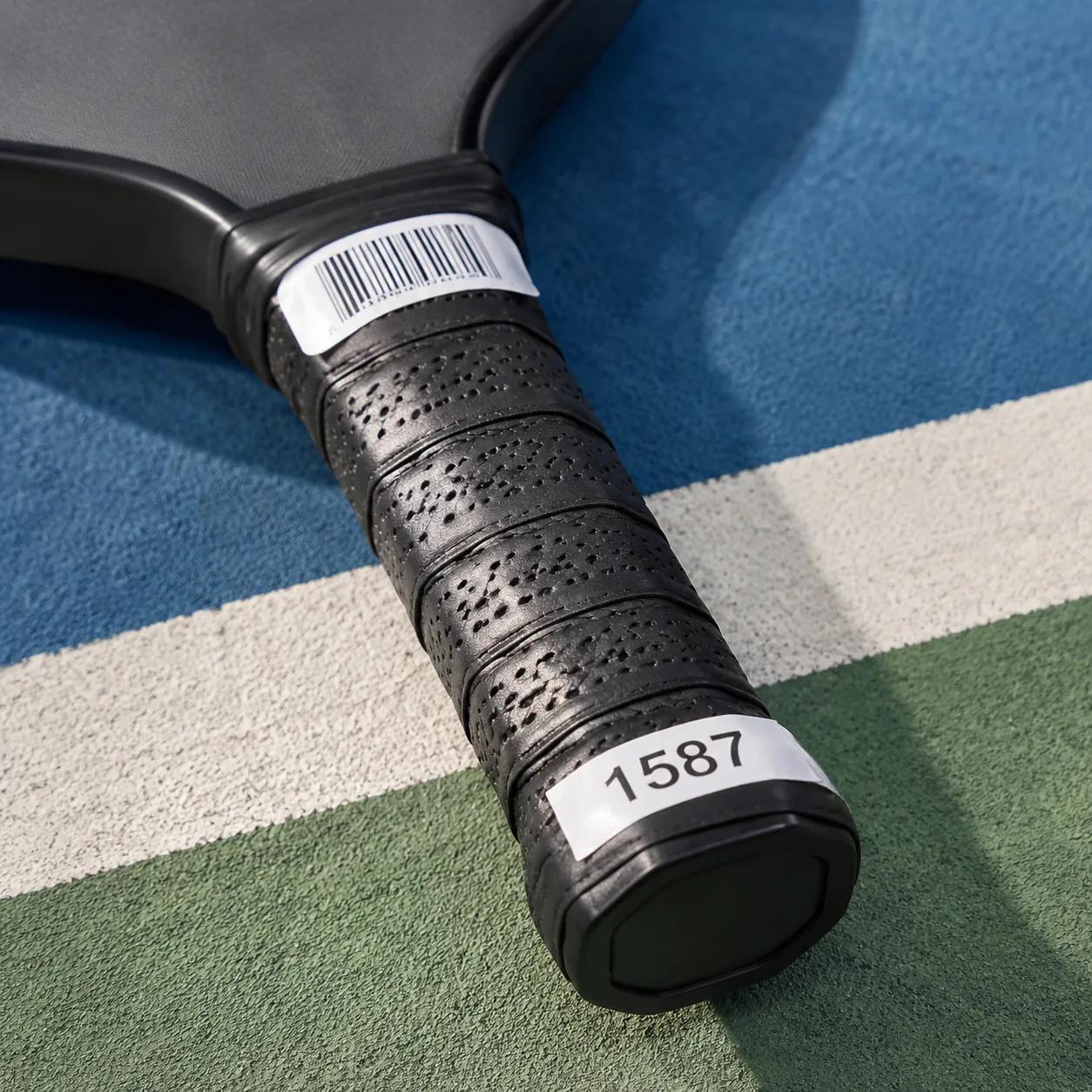
HS Code 9506 for Pickleball Paddles: The Basics
US Customs classifies paddles by function, not material.
The Harmonized System (HS) organizes global trade into chapters and headings. Chapter 95 covers sports equipment. Heading 9506 covers 'articles and equipment for general physical exercise, gymnastics, athletics, other sports (including table tennis) or outdoor games.' Inside 9506 the first split is between one-dash groups: ‘tennis, badminton or similar rackets’ (9506.51 and 9506.59), balls (9506.61 to 9506.69) and a residual ‘other’ (9506.99). Where a pickleball paddle sits is a GRI 6 question between the rackets group and the residual, and on the CBP record it is the residual that has been used: NY N315307 (2020) put a two-paddle, one-ball game at 9506.99.6080, and NY N347450 (2025) put a paddle, ball, net and bag set at the same line. NY D85048 (1998) is a badminton-set ruling; it explains how CBP weighs the components of a set but says nothing about pickleball.
For a standalone paddle the line consistent with every pickleball letter on CROSS is 9506.99.6080 (‘other’, general rate 4%), and that is the line to declare unless you hold a ruling that says otherwise. A retail set with net and balls is classified as one article under GRI 3(b) and has also landed at 9506.99.6080 (NY N347450). The line that does not fit is 9506.59.40: its tariff text is ‘badminton rackets and parts and accessories thereof’ at 5.6%, and no pickleball letter uses it. If your broker argues a paddle is a ‘similar racket’, the comparable line would be 9506.59.80 (‘other’ rackets, 4%); that argument belongs in the classification file and, if you intend to rely on it, in a binding ruling request — not on an entry as an assumption.
- Standalone paddle: HTSUS 9506.99.6080 (‘other’ articles of heading 9506). General rate: 4% ad valorem. No CROSS letter classifies a paddle alone; this is the line the pickleball letters use.
- Paddle set (with net/balls): HTSUS 9506.99.6080 per NY N347450 (2025). General rate: 4% ad valorem; the same China surcharges apply.
- China-origin surcharges: Section 301 (20% as of March 2026) + Reciprocal tariff (125% as of April 2026). Total effective rate can exceed 130%.
- Material misclassification trap: Some suppliers classify carbon fiber paddles under 3917 (composite panels) to evade tariffs. Customs classifies by what the article is — a paddle is sports equipment of heading 9506, not a panel. This invites seizure.
The practical takeaway: paddles alone and paddle sets both sit at 9506.99.6080 on the CBP record, so there is no rate to gain by splitting a boxed set across two invoices, and a retail set is classified in the condition it is imported regardless of how it is invoiced. Give your customs broker the letters that actually exist (NY N315307, NY N334905, NY N347450) with the line each one used, and the GRI 6 reasoning for your own paddle. A ruling number cited for a claim it does not make is worse than no citation.
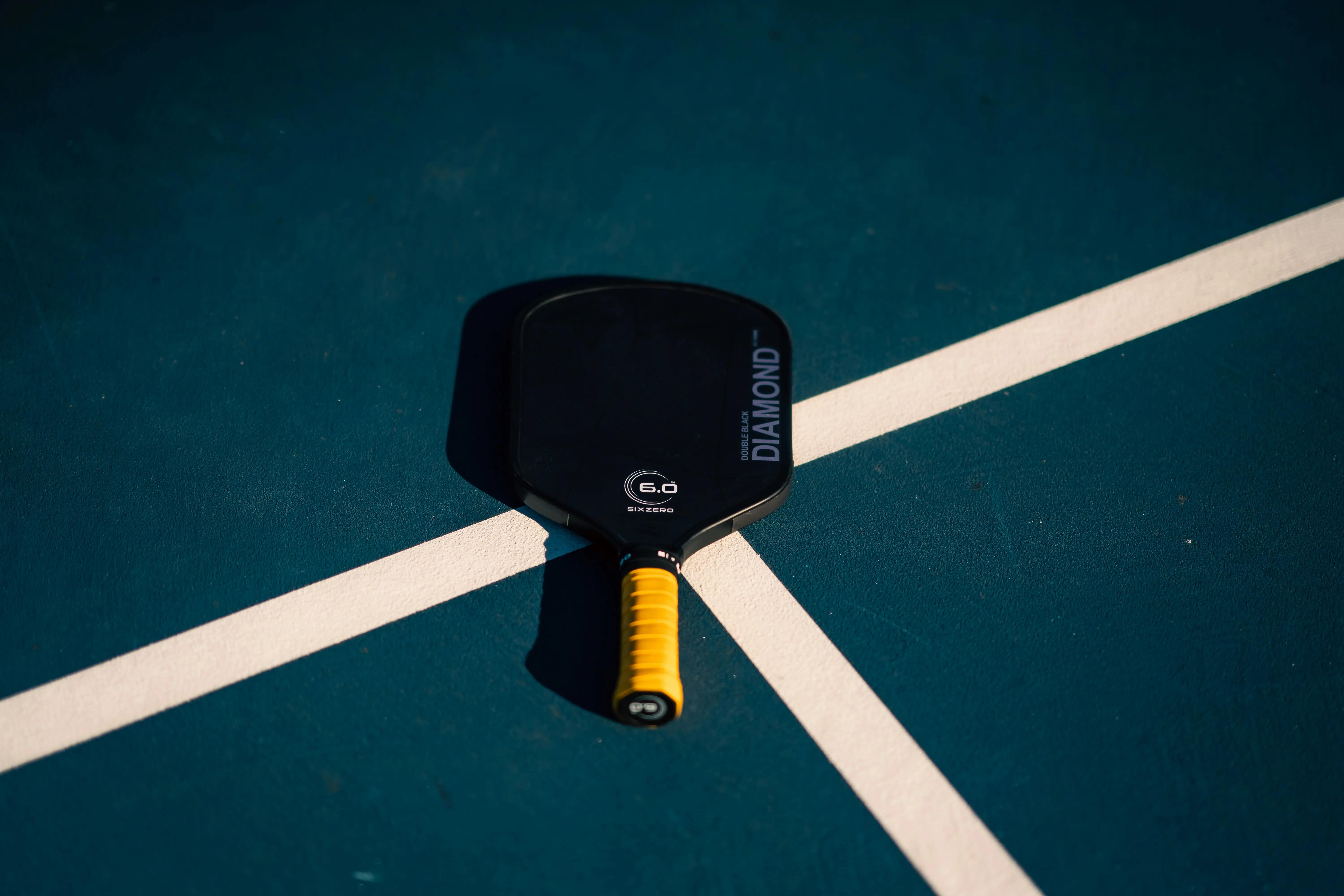
Why Paddle Material and Construction Affect Classification
Customs classifies by what the article is, not its material — carbon fiber is still a paddle of heading 9506.
Chapter 95 classifies by what the article is and what it is for, not by face material. The pickleball letters on CROSS describe wooden paddles (NY N347450) and plastic paddles (NY N315307), and the line did not turn on material: a T700 carbon paddle and a basic wood paddle are the same article for tariff purposes and sit at the same line, 9506.99.6080. The material matters only when a supplier uses it to declare the goods outside Chapter 95 altogether — for example, some suppliers declare carbon fiber paddles under a Chapter 39 plastics line such as 3917 to dodge Section 301 tariffs, which risks seizure and penalties.
- T300 vs T700: Both are carbon fiber grades. T700 is lighter and stiffer, but neither changes the HS code. Customs cares about function, not tensile modulus.
- Fiberglass and composite: Same classification as carbon fiber. A fiberglass paddle with a polymer honeycomb core is still sports equipment of heading 9506, at 9506.99.6080.
- Wood paddles: No special treatment. Wood, composite, or carbon fiber — all sit at 9506.99.6080 as a standalone paddle; the two CBP letters that describe paddle materials (wood in NY N347450, plastic in NY N315307) both landed there.
- Anti-dumping risk: If a supplier declares a carbon fiber paddle as 'carbon fiber composite panel' (HS 3917), that is misclassification. Customs can reclassify, apply penalties, and hold the shipment.
For club buyers importing 50–500 paddles, the declaration to give the broker is ‘pickleball paddle, [face material] face, [core] core — equipment for other sports or outdoor games, heading 9506’ at 9506.99.6080. Do not let your supplier file under a generic 'sports equipment' or 'composite article' code — that is how clubs end up with unexpected duty bills and delayed customs clearance.
| Material Factor | Customs Classification Impact | Risk for Club Buyer | Correct Action |
|---|---|---|---|
| Face Material (e.g., Carbon Fiber, Fiberglass) | Does not move the line inside heading 9506; the risk is a supplier declaring a Chapter 39 plastics code instead. | Misclassification as composite panel risks seizure and penalties. | Declare as ‘pickleball paddle, carbon fiber face, equipment of heading 9506’ at 9506.99.6080. |
| Core Type (e.g., Polymer, Nomex, Aluminum) | Does not change the HS code; all sit at 9506.99.6080. | Low risk, but core type affects durability for rental fleets. | Specify core material in product specs for quality assurance, not customs. |
| Paddle Weight (6.0–8.5 oz) | No impact on HS code; weight is a performance spec. | No customs risk, but affects player preference and club inventory. | Include weight in product description for buyer decision-making. |
| Set vs. Standalone Paddle | Both sit at 9506.99.6080 on the CBP record (set: NY N347450; paddle-and-ball game: NY N315307). | No rate difference; a set is classified as one article under GRI 3(b) in the condition it is packed. | Record the value split by component in the file; invoice-splitting does not change how a boxed set is classified. |
| Country of Origin (e.g., China) | Triggers Section 301 (20%) and reciprocal tariffs (125%) on top of 4% base duty. | Total duty can exceed 130%, crushing margins on club fleets. | Factor all surcharges into budget; work with broker to verify current rates. |
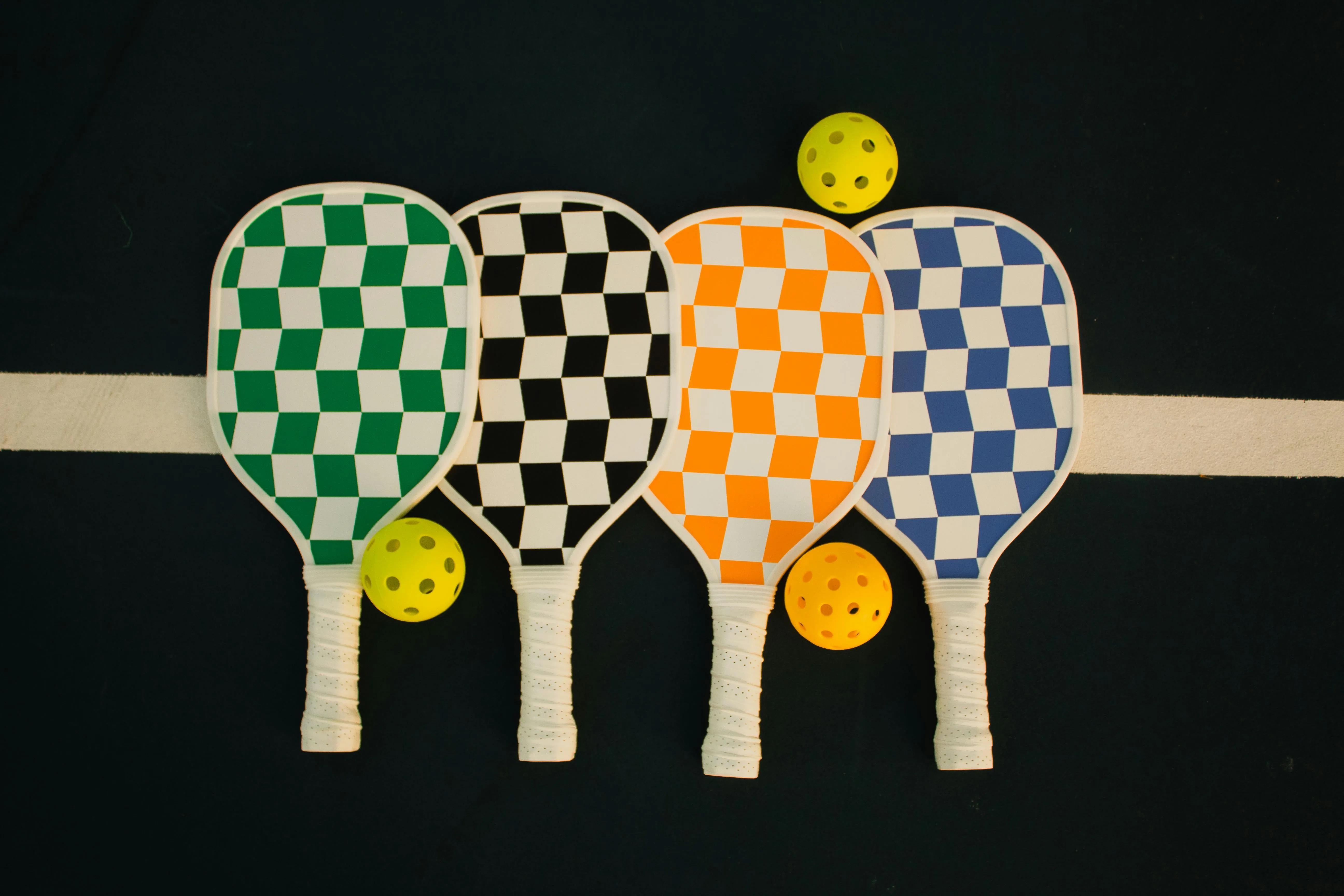
Step-by-Step: Classifying a Pickleball Paddle Under Heading 9506
Paddles and paddle sets both sit at 9506.99.6080 (4% general rate) on the CBP record; the rackets group is an argument, not a ruling.
Start with GRI 1: heading 9506 covers ‘articles and equipment for general physical exercise, gymnastics, athletics, other sports … or outdoor games’, and a pickleball paddle is inside it whatever its material. Then go down the subheadings under GRI 6, comparing groups at the same level. Every pickleball letter CBP has published (NY N315307, 2020; NY N334905, 2023; NY N347450, 2025) used the residual group, 9506.99.6080. If the product is a paddle alone, without net or balls, that is the line the record supports; the rackets group (9506.51/59) has never been applied to a pickleball paddle in a published ruling, and its 9506.59.40 line is badminton rackets by tariff text.
Next, determine whether the paddle ships standalone or as part of a retail set. A set with net, balls and paddles in one retail package is classified as one article under GRI 3(b), by the component that gives it its essential character, and NY N347450 (2025) put such a set at 9506.99.6080. Because the paddle line and the set line coincide, there is nothing to gain by splitting invoices; what the file needs instead is the value and weight split by component, which is what CBP looks at when it tests essential character.
Finally, verify with your customs broker and, if two answers survive, with a binding ruling under 19 CFR Part 177 before the goods ship. NY N347450 and NY N315307 are public and citable for what they hold — a set and a paddle-and-ball game at 9506.99.6080 — but neither is a ruling on your paddle, and a ruling binds CBP only for goods identical to the ones it describes. Send your broker the product spec sheet and country of origin certificate. For China-origin paddles, factor in the Section 301 surcharge (20% as of March 2026) and the reciprocal tariff (125% as of April 2026) on top of the 4% base. Total effective duty can exceed 130% — budget accordingly or explore de minimis for shipments under $800.
- Standalone paddle (9506.99.6080): General rate 4% + Section 301 20% + reciprocal tariff 125% = ~149% total for China origin. The residual line is what the CBP record supports; the rackets argument, if your broker wants to make it, belongs in a ruling request.
- Set with net and balls (9506.99.6080, NY N347450): General rate 4% + the same surcharges. One line for the box under GRI 3(b); keep the component value split in the file.
- De minimis threshold: Shipments valued under $800 may bypass duties entirely. Useful for sample orders or small club trials, but not for bulk fleet purchases.
Common Classification Mistakes Clubs Make (and How to Avoid Them)
Three classification errors that cost clubs thousands in penalties and delays.
The most common mistake is filing paddles on a balls line. The balls group (9506.61 to 9506.69) is where the balls go — a pickleball is a ‘noninflatable hollow ball not over 19 cm in diameter’ of 9506.69.40, and 9506.62 is inflatable balls — but a paddle is not a ball. On the CBP record paddles have gone to 9506.99.6080. Filing paddles on a balls line will trigger a customs hold, reclassification, and a penalty for incorrect entry. Clubs have been seen waiting 30 days for clearance because of this one-digit error.
Second mistake: classifying a paddle with a built-in ball holder as a 'set' under 9506.99.6080. A set requires two or more articles that are mutually complementary and packaged together for retail sale. A single paddle with a clip-on ball holder is not a set — it's still a paddle. Filing as a set adds a GRI 3(b) analysis the goods do not need. Keep it simple: a paddle with an accessory attached is still a paddle, and Chapter 95 Note 3 keeps accessories ‘suitable for use solely or principally’ with it in the chapter alongside it.
Third mistake: failing to declare China as country of origin correctly. As of April 2026, China-origin pickleball paddles face a base duty of 4%, plus Section 301 additional duty of 20%, plus a reciprocal tariff of 125%. That totals over 130% duty. If your customs broker doesn't see 'China' on the commercial invoice, they may apply the wrong rate — and you'll get a bill for the difference plus penalties. Always state 'Country of Origin: China' clearly on every document.
- Checklist Item 1: Confirm the product is a standalone paddle — not a ball, not a set. Declare 9506.99.6080, the line every pickleball letter on CROSS has used.
- Checklist Item 2: If the paddle includes a detachable ball holder, classify it as a paddle, not a set. A true retail set with net and balls is classified as one article under GRI 3(b); on the record that has also been 9506.99.6080 (NY N347450).
- Checklist Item 3: Declare 'Country of Origin: China' on the commercial invoice, packing list, and bill of lading. No abbreviations.
- Checklist Item 4: Verify with your customs broker that the HTSUS line matches the current CBP record. Cite NY N347450 (set, 2025) and NY N315307 (paddle-and-ball game, 2020) for what they hold, and check CROSS that day for a ‘modified by’ or ‘revoked by’ entry.
- Checklist Item 5: Calculate total duty: base 4% + Section 301 (20%) + reciprocal tariff (125%) = 149% for China-origin paddles. Factor this into your landed cost.
China Tariff Surcharges: What Club Buyers Must Know in 2026
Total effective duty on China paddles can exceed 149% by mid-2026.
For club buyers importing from China, the headline duty rate is only the starting point. As of March 2026, Section 301 tariffs on pickleball paddles under HS 9506.99.60 increased from 7.5% to 20%. Then in April 2026, the reciprocal tariff added another 125%. Combined with the base 4% rate, your total effective duty on a China-origin paddle can reach 149% — not including brokerage, handling, or freight.
This isn't theoretical. A club ordering 200 paddles at $12 FOB per unit faces a landed cost jump from roughly $2,700 (pre-tariff) to over $5,900 under the new rates. That crushes margins on resale and eats into fleet replacement budgets. You need to factor these surcharges into your unit economics before you place the order, not after.
- De minimis loophole: Shipments valued under $800 per day per consignee can enter duty-free under de minimis. For small club orders (e.g., 50 paddles at $10 each = $500), splitting shipments to stay under $800 can avoid the 149% hit. But this only works for low-value orders — 200 paddles at $12 each ($2,400) exceeds the threshold.
- Set vs. standalone: A boxed set is classified as one article under GRI 3(b), and on the CBP record that has been 9506.99.6080 (NY N347450) — the same line and the same 4% general rate as the paddle alone, with the same 20% + 125% surcharges. There is no invoice-splitting trick that changes it; what protects you is a file with the component value split and the GRI walk written down.
- Customs broker non-negotiable: Do not self-file for China-origin paddle imports in 2026. A qualified customs broker will verify the correct HTSUS subheading, apply the right Section 301 exclusions (if any), and handle the reciprocal tariff documentation. Expect to pay $150–$300 per entry — that's cheap insurance against a 149% misclassification penalty.
- FOB pricing protects you: Always request FOB pricing from your supplier. CIF quotes bundle freight and insurance, making it harder to separate product cost from shipping cost for duty calculation. With FOB, you know exactly what value CBP will use to assess duties. Our standard FOB terms for club paddles start at $8–$18 per piece depending on volume and customization.
Conclusion
Getting the HS code right for pickleball paddles isn't just paperwork. It's the difference between a 4% duty and a 130% surprise bill. Declare 9506.99.6080 for paddles and for boxed sets — the line every pickleball ruling on CROSS has used — and keep the component value split and the GRI reasoning in a file your broker can hand to CBP. That one step protects your club's margins on every order.
Hand this guide to your customs broker before you place the next order. Then review the paddle specs and USAPA certifications on our catalog page to see how a correctly classified, tournament-ready paddle fits your fleet budget.
Frequently Asked Questions
What are the classification of pickleball paddles?
On the CBP record, pickleball paddles and paddle sets both fall under HTSUS 9506.99.6080, the ‘other’ line of heading 9506 (NY N315307, 2020; NY N347450, 2025). No published ruling places a pickleball paddle in the rackets group, and 9506.59.40 is the badminton-racket line. Confirm whether your shipment is paddles alone or a retail set, and keep the value split by component in the file.
What is the HS Code 9506390000?
Subheading 9506.39 is the golf-equipment residual (‘other’ golf articles), not a rackets line, so 9506390000 is the wrong subheading for a pickleball paddle in any country’s schedule. In the United States the line the CBP record supports is 9506.99.6080; filing on a golf line invites reclassification and penalties.
What is the difference between T300 and T700 pickleball paddles?
T700 carbon fiber is stiffer and lighter than T300, offering better power and durability for competitive play. T300 is more affordable and suits recreational players or club loaner fleets. Choose T700 for performance; T300 for budget-friendly bulk orders.
How to identify your pickleball paddle?
Check the paddle face for material labels like carbon fiber, fiberglass, or wood, and look for a USAP approval stamp on the back. The core thickness and edge guard also help. Use the serial number or brand logo for exact model lookup.
What is the tariff code 9506999000?
9506999000 is a ten-digit ‘other sports equipment’ residual used in several national tariff schedules outside the United States. The US equivalent is 9506.99.6080, and that is the line CBP’s pickleball rulings have used. Do not paste a foreign ten-digit code onto a US entry; use the HTSUS line and confirm it with your broker.
Want to source this quality for your brand?
Contact our factory directly on WhatsApp for an instant MOQ and pricing quote.