Importing Pickleball Paddles into Canada: Tariffs, GST, CBSA & CARM
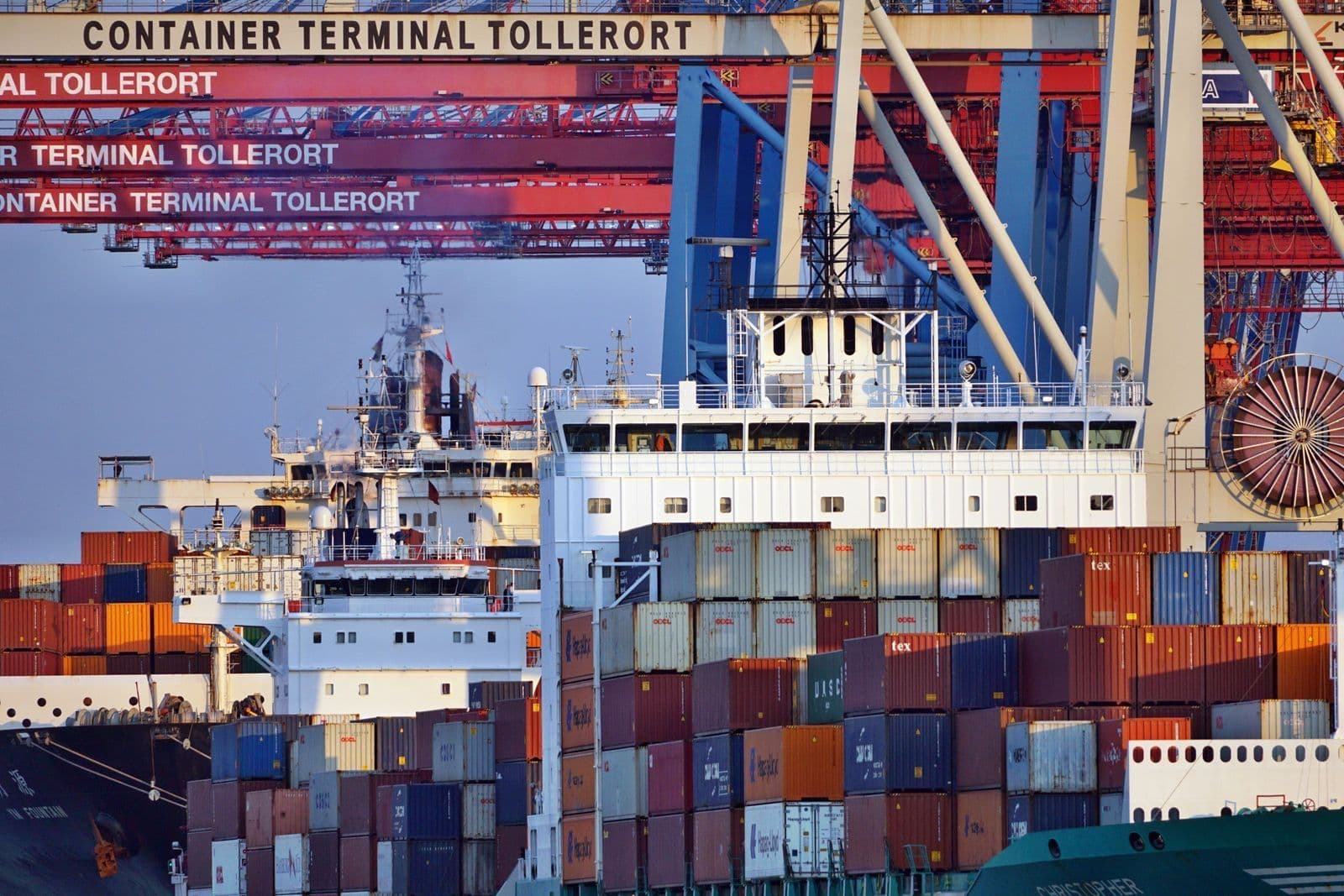
A US distributor who has spent 2026 absorbing Section 301 tariffs on Chinese pickleball paddles looks north and finds a very different picture: paddles generally enter Canada duty-free. The catch isn't the tariff — it's the system. Canada rebuilt how importers register and pay, and a first-time importer who nails the classification can still get stuck at the border over a portal account they didn't know they needed. The money side of importing to Canada is friendlier than the US; the process side has a new gate.
This guide maps the Canadian entry for pickleball paddles and balls — how they classify, what you actually pay, the CARM registration that's now mandatory, the importer setup CBSA expects, and the compliance details (bilingual labels included) that catch US sellers off guard. Customs and tax rules change and vary by importer, so treat the specifics here as the map and confirm the current details with a licensed Canadian customs broker before your first shipment.

Key Takeaways
- Pickleball paddles and balls generally classify under HS heading 9506 (typically 9506.99 for paddles), and the Canadian MFN duty rate for that line is commonly Free — China holds WTO Most-Favoured-Nation status, so paddles usually enter Canada without duty. Confirm the exact 10-digit code and current rate with a broker.
- There is no Canadian equivalent of the US Section 301 tariff. A distributor paying a heavy 301 stack to import into the US pays no comparable China-specific duty importing the same paddle into Canada — the headline difference between the two markets.
- You still pay 5% GST on imports, calculated on the value for duty (plus any duty), collected at the border. Provincial sales tax is generally handled at resale, not at import — confirm your province's treatment.
- CARM (CBSA Assessment and Revenue Management) is now the system of record. Commercial importers must register in the CARM Client Portal and arrange their own financial security to release goods before paying — this is the step first-timers miss.
- You need a Business Number with an import-export (RM) program account from the CRA before you import, plus a commercial invoice, packing list, and accurate country-of-origin details for CBSA.
- Consumer-product compliance still applies — bilingual English/French labeling and Canada Consumer Product Safety Act obligations can attach to sporting goods, so build labeling into the factory spec, not the border.
The headline: paddles usually enter Canada duty-free
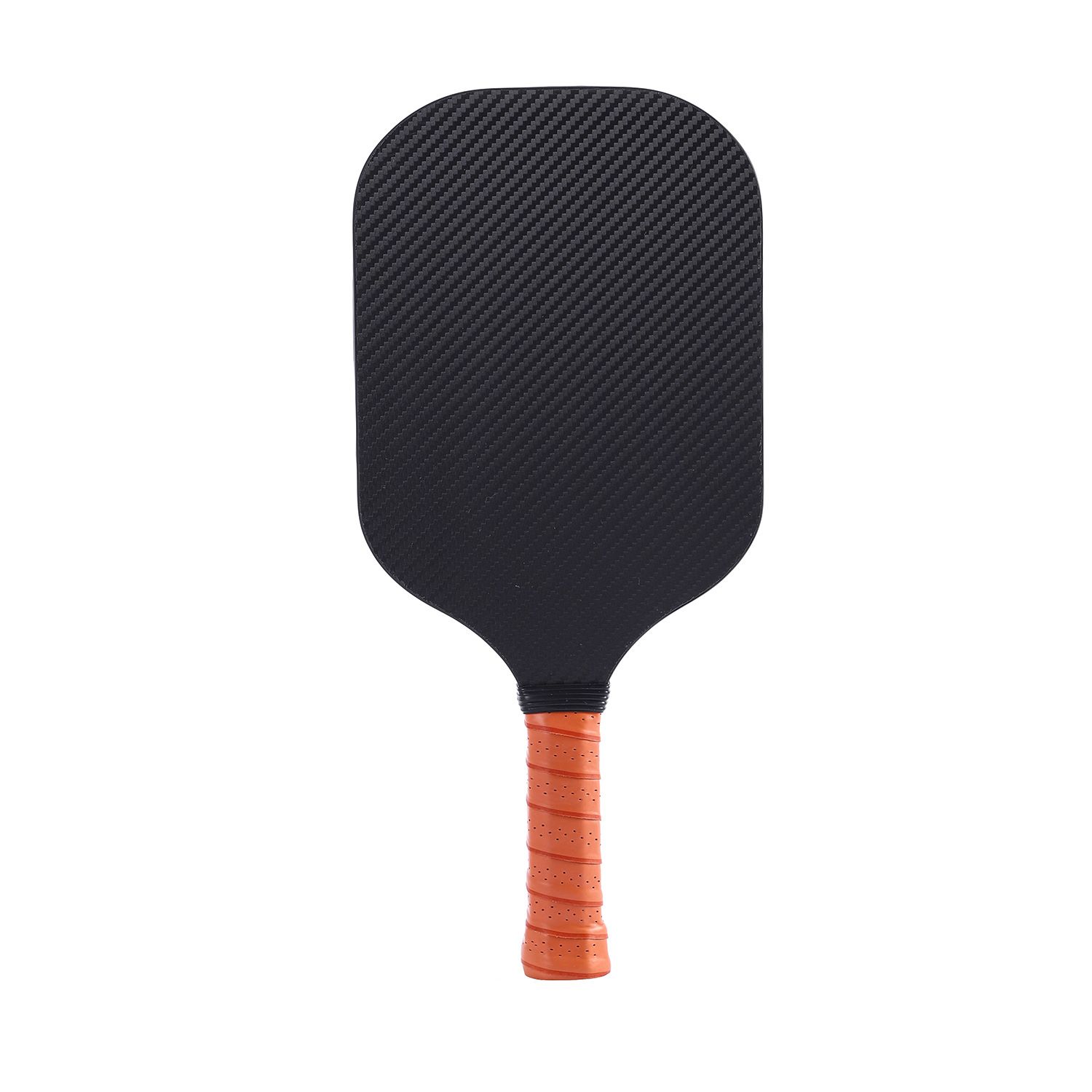
The number that matters most is the one you don't pay. Pickleball paddles fall under HS heading 9506 — sports equipment not specified elsewhere — typically at subheading 9506.99, and the Canadian Most-Favoured-Nation duty rate for that classification is commonly Free. Because China is a WTO member and receives MFN treatment, a paddle made in China generally enters Canada at 0% duty. For a distributor used to the US, where the same paddle carries a Section 301 stack, this is the whole reason Canada looks attractive as a second market.
Two cautions keep this honest. First, classification is specific: the exact 10-digit code and its rate depend on the product, and CBSA can disagree with a self-assigned code — for a first shipment, a broker's classification or an advance ruling is cheap insurance. Second, "duty-free" is not "cost-free" — GST and the process costs below still apply. One classification note for sellers who already import to the US: Canada and the US share the same six-digit HS subheading (9506.99), but the two systems diverge at the 10-digit statistical suffix, so the exact Canadian tariff line will not match the US HTS code you may already be using — don't copy it across. The US side of this comparison, and why the 301 stack changes the math there, is covered in Section 301 tariffs on pickleball paddles, and the classification mechanics in HS codes for pickleball paddles.
US vs Canada: what actually changes
The two regimes diverge most on the China-specific duty layer. Laying them side by side shows why the same paddle lands at a different cost in each market.
| Line | United States | Canada |
|---|---|---|
| Base duty (9506.99) | Free base rate | Free (MFN) |
| China-specific duty | Section 301 stack applies | None comparable |
| Import tax | No federal VAT/GST at import | 5% GST on value for duty |
| Importer system | CBP / ACE | CBSA / CARM (mandatory portal) |
Read the table as a shape, not a quote — the specific US 301 rate moves, and both countries revise programs. The durable point is structural: Canada trades a China-specific tariff for a 5% import tax and a mandatory portal, so the paddle is cheaper to land but the paperwork gate is stricter. All duty and tax figures should be confirmed with a customs broker at the time of import.
What you actually pay: GST and the value math
With duty commonly at zero, the real import cost is the 5% GST plus process fees. GST is charged on the value for duty — broadly the price paid for the goods, adjusted per CBSA valuation rules — plus any duty owed. On a duty-free paddle, that means roughly 5% of the goods' value for duty, collected at the border through your CARM account or your broker. There's no separate federal import VAT beyond that GST.
One threshold worth knowing for samples and small parcels: Canada's general commercial de minimis is just CA$20 — far below the US $800 — so a low-value courier parcel that clears free into the US can still attract GST (and duty, where it applies) coming into Canada. Shipments entering from the US or Mexico get higher CUSMA courier thresholds (CA$40 for tax, CA$150 for duty), but paddles shipped direct from China fall under the CA$20 line.
| Cost line | Typical treatment on a China-made paddle |
|---|---|
| Customs duty (9506.99, MFN) | Commonly Free (0%) |
| GST | 5% on value for duty (+ any duty) |
| Provincial sales tax | Generally at resale, not at import — varies by province |
| Brokerage | Per-entry fee if you use a broker |
| Freight + insurance | Same as any China–North America shipment |
Provincial sales tax is the part US sellers over-worry. For most commercial imports, provincial tax is generally collected downstream at resale rather than levied at the border, though treatment varies by province and by how you're registered — a point to confirm for your specific setup. The other real line items are brokerage and freight, which behave the same as any China-to-North-America shipment; the mode trade-offs are in air vs sea freight for pickleball, and the broader landed-cost method in the cost of importing pickleball paddles.
CARM: the registration that's now mandatory
CARM — the CBSA Assessment and Revenue Management system — is the change that catches first-time importers. It is now CBSA's system of record for assessing and collecting duties and taxes, and commercial importers must register in the CARM Client Portal (CCP) to import. Inside the portal you link your Business Number, manage your account, see your statements, and pay. Without a CARM account set up, a commercial shipment can't be properly accounted for in your name — the classification being correct doesn't help if the account gate isn't cleared.
The piece that surprises people is financial security. To get goods released before you've paid the duties and taxes — the normal Release Prior to Payment arrangement — importers now generally have to post their own security (a bond or cash deposit) through CARM rather than relying on a broker's bond as before. Set this up ahead of your first shipment, not when the container is already at the port. The grace period is over: CBSA's Release Prior to Payment transition ended on May 20, 2025 (Customs Notice 25-22), so financial security is now fully enforced — an importer that hasn't posted it can't use Release Prior to Payment and must pay duties and taxes at the time of release. Confirm your current CARM registration and security standing on CBSA's site or with your broker before you import.
The importer setup CBSA expects
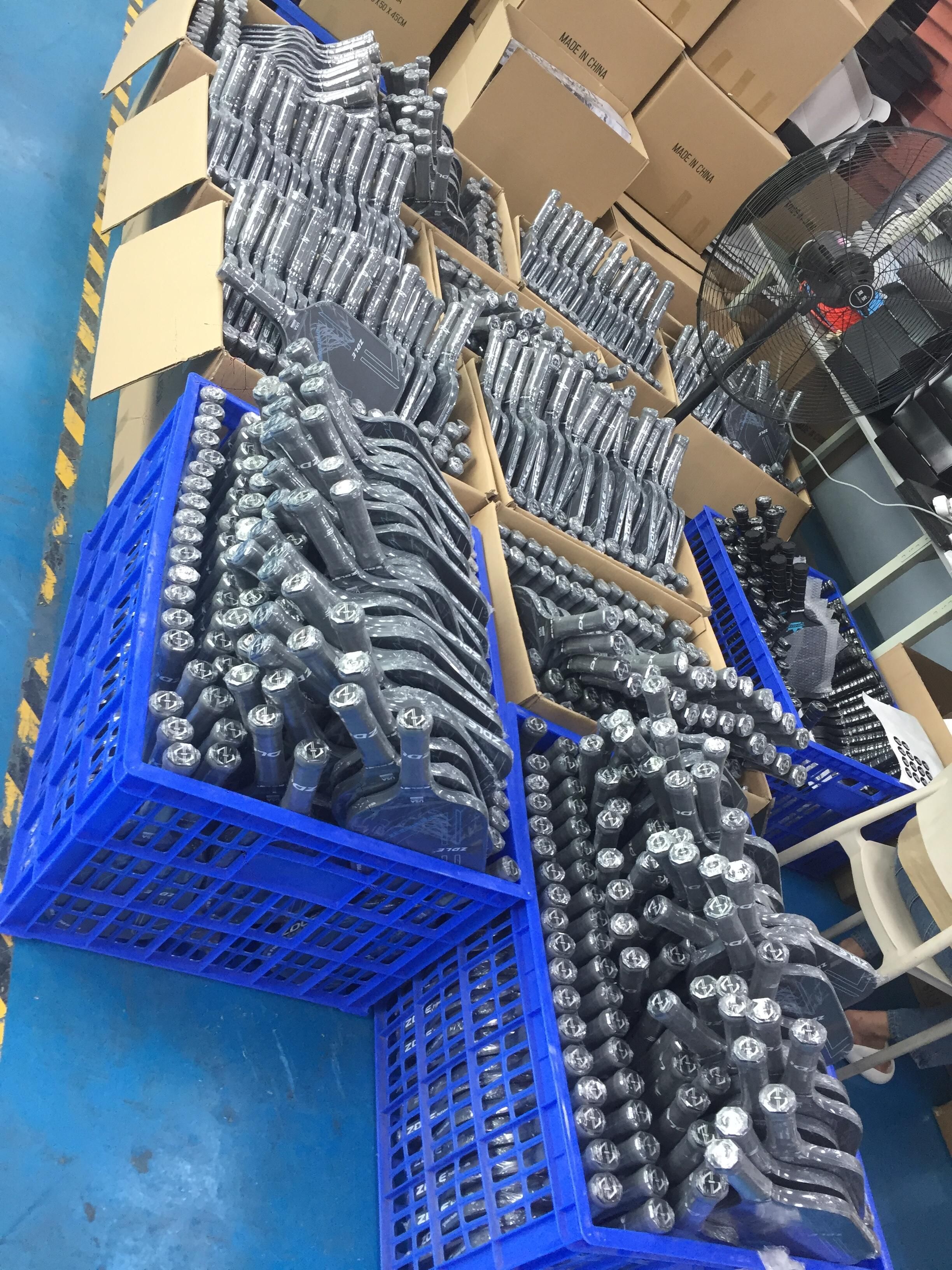
Before the first container, you need a Business Number with an import-export (RM) program account from the CRA — free to obtain and required to import commercially. With that and a CARM account in place, the transactional documents are the usual set: a commercial invoice with accurate descriptions, quantities, and values; a packing list that matches the cartons; the transport document; and clear country-of-origin details. A certificate of origin only matters if you're claiming a preferential rate under a trade agreement — importing Chinese-made paddles at the MFN Free rate, you generally don't need one, which simplifies the file.
| Import setup item | What it is / where it comes from |
|---|---|
| Business Number + RM account | Free from the CRA; required to import commercially |
| CARM Client Portal account | Register with CBSA; link your BN; post financial security |
| Commercial invoice | From the factory; descriptions, quantities, values, origin |
| Packing list + transport doc | From the factory / carrier; must match the cartons |
| Customs broker (optional) | Handles classification, CARM accounting, clearance for a fee |
Whether to use a customs broker is a real choice. A broker handles classification, accounting, and the CARM mechanics for a per-entry fee, which for a first-time importer is usually money well spent; self-clearing is possible once you know the ropes. Either way, the factory's paperwork feeds the whole process — an invoice that doesn't match the goods is the fastest way to a CBSA query. The document discipline is the same one that governs pickleball paddle customs clearance generally.
Compliance beyond duty: labels and product safety
Duty-free doesn't mean rule-free. Consumer goods sold in Canada carry labeling obligations, and the one that surprises US sellers is bilingual English and French labeling — mandatory product information generally has to appear in both official languages on consumer packaging. For a retail-boxed paddle, that's a packaging-design requirement, and it's far cheaper to build into the factory print run than to relabel a landed shipment. Quebec in particular enforces French-language requirements strictly.
Product safety obligations under the Canada Consumer Product Safety Act can also attach to sporting goods — restrictions on substances, and a general duty not to sell unsafe products. Adult paddles are a lighter-touch category than children's products, but the obligation to know your product is compliant sits with the importer, and requirements differ from US CPSIA rules, so don't assume a US-compliant paddle is automatically Canada-compliant. The equivalent US and EU safety picture is in CE, CPSIA and REACH pickleball safety compliance. Confirm current Canadian labeling and safety obligations for your specific product with a compliance advisor or CBSA before you commit packaging.
First-shipment sequence
Put together, a clean first import into Canada runs in this order. Most of the work happens before the container sails, which is exactly why first-timers who start at the port get stuck.
- Register. Get a CRA Business Number with an import-export (RM) account, then register in the CARM Client Portal and arrange your financial security.
- Classify. Confirm the HS code (typically 9506.99) and its Free MFN rate with a broker or an advance ruling, so the duty position is certain before you order.
- Spec compliance. Build bilingual labeling and any required safety marking into the factory packaging spec, not the landed shipment.
- Document. Have the factory issue a commercial invoice and packing list that match the goods exactly, with clear country-of-origin details.
- Clear and pay. Your broker (or you) accounts for the shipment through CARM; you pay the 5% GST on the value for duty, and the paddles release.
Frequently Asked Questions
Do pickleball paddles have import duty in Canada?
Generally no. Paddles typically classify under HS 9506.99, and the Canadian MFN duty rate for that line is commonly Free, so China-made paddles usually enter Canada at 0% duty. You still pay 5% GST on the value for duty. Confirm the exact 10-digit classification and current rate with a licensed customs broker, since classification is product-specific and rates can change.
Is there a Section 301-style tariff in Canada?
No. Section 301 is a US measure. Canada does not apply a comparable China-specific tariff to pickleball paddles, which is the main reason the landed duty cost is lower importing into Canada than into the US. Canada does apply its own trade measures in other categories, so confirm nothing unusual attaches to your specific product, but for standard paddles there is no 301 equivalent.
What is CARM and do I have to register?
CARM is the CBSA Assessment and Revenue Management system, now CBSA's system of record for assessing and collecting import duties and taxes. Commercial importers must register in the CARM Client Portal to import, link their Business Number, and arrange their own financial security to release goods before paying. It's the account-level step first-time importers most often miss; set it up before your first shipment and verify current requirements on CBSA's site.
How much tax do I pay importing paddles to Canada?
The main import tax is 5% GST, charged on the value for duty plus any duty owed — on a duty-free paddle, roughly 5% of the goods' value for duty, collected at the border. Provincial sales tax is generally handled at resale rather than at import for commercial goods, though this varies by province and registration. Brokerage and freight are separate costs. Confirm the exact tax treatment for your setup with a broker.
Do I need bilingual labels on paddles sold in Canada?
Usually yes for consumer packaging. Mandatory product information generally must appear in both English and French on goods sold in Canada, and Quebec enforces French-language requirements strictly. For a retail-boxed paddle, design the bilingual labeling into the factory print run rather than relabeling after import. Confirm the specific labeling obligations for your product, since requirements depend on the item and how it's sold.
Do I need a customs broker to import into Canada?
Not legally, but for a first-time importer it's usually worth it. A broker handles classification, CARM accounting, and clearance for a per-entry fee, which reduces the risk of a misclassification or an account error stalling your shipment. Self-clearing is possible once you understand the process. Either route still requires your own Business Number and CARM registration — a broker doesn't replace those.
Want to source this quality for your brand?
Contact our factory directly on WhatsApp for an instant MOQ and pricing quote.