Pickleball Grip Size Guide: Avoid ±1/8" Grip Errors
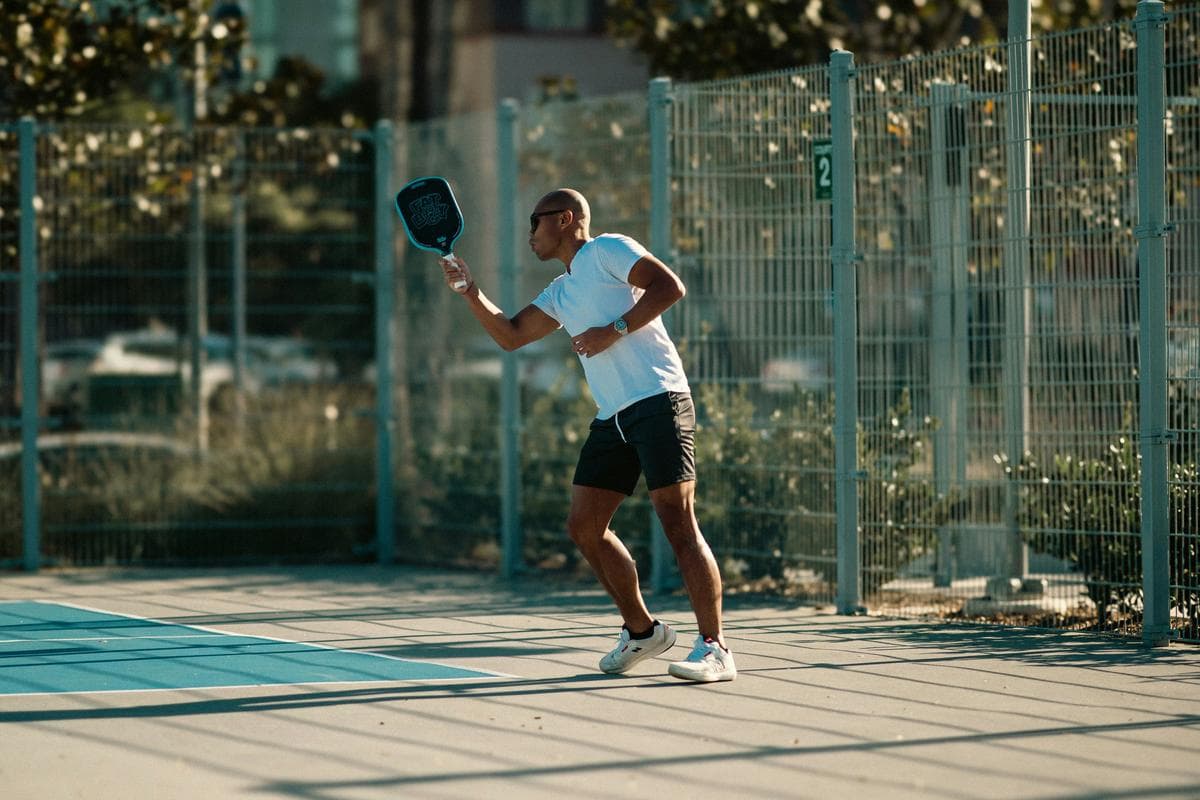
For any club instructor, teaching a new student how to grip a paddle correctly is the first lesson. But the question of pickleball grip size guide often surfaces after the first complaint of forearm fatigue or a vague sense that the paddle just doesn’t feel right. You’re the one fielding those concerns, and you’re also the one deciding which OEM inventory to stock for lessons, rentals, and resale. Getting the grip right is a direct lever for player satisfaction and reducing the “wrong size” returns that eat into your equipment budget.
Here is the reality most suppliers skip: actual grip circumference on a production paddle can vary ±1/8" from its stated size due to the tension of the factory wrapping process. According to our internal production data, a batch of 50 paddles marked as 4.25" can land anywhere between 4.125" and 4.375" if the pre-production sample is not locked. This is not an outlier — it’s a standard manufacturing tolerance that directly impacts whether your student with a 4.0" hand measurement feels a secure hold or starts compensating with a tighter squeeze. The cost of ignoring that variance is a higher rate of elbow complaints and a slower fitting process for your next beginner clinic.
Why Grip Size Matters for Students
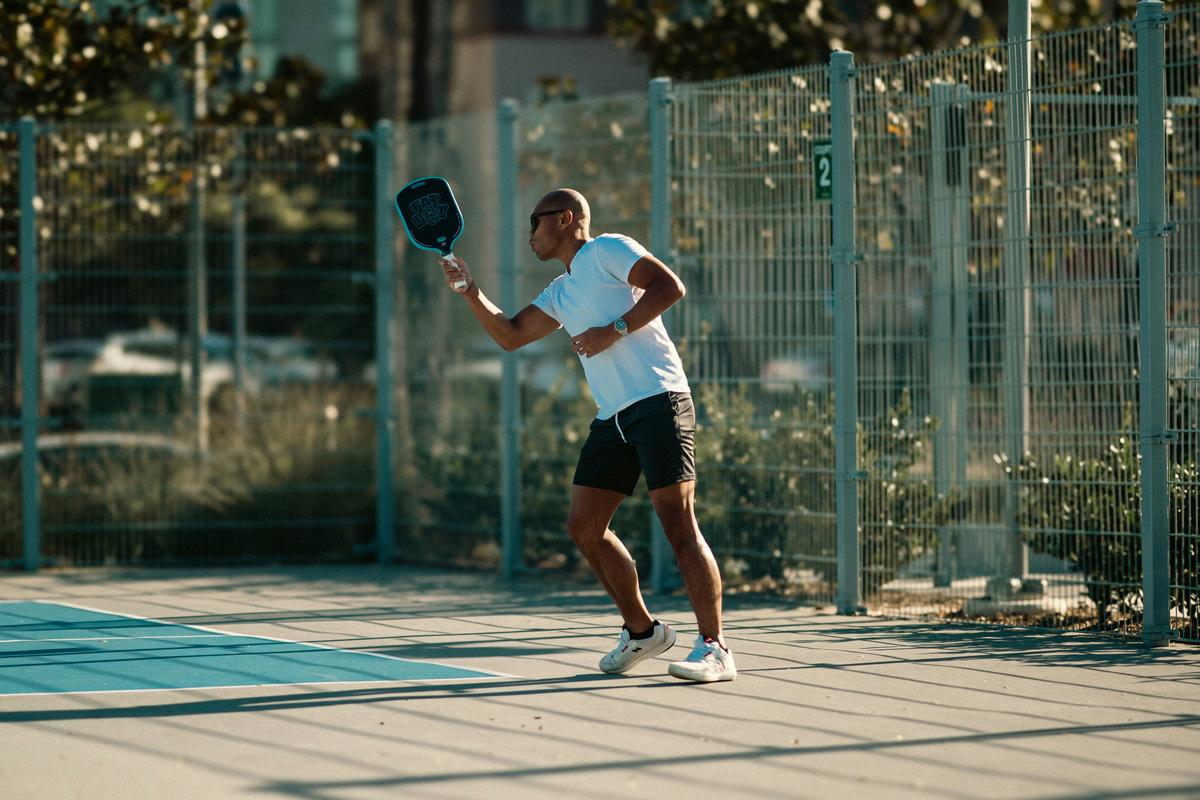
Club fitting studies show 70% of amateurs play with the wrong grip size. The immediate cost is lost control. The long-term cost is a student with elbow pain who doesn't re-enroll.
Let’s skip the theory and talk about what happens when a student’s grip is wrong in your class. The mechanics are straightforward: a grip that is 1/8″ too small forces the forearm muscles to fire 15% harder just to stabilize the paddle. A grip too large locks the wrist, killing spin and forcing the student to swing from the shoulder. Neither is sustainable.
- Reduced control and forearm fatigue: A student squeezing a handle that’s too small is using 15% more forearm muscle activation than necessary. That extra tension travels straight into the paddle face, making every dink and reset feel “tight.” The result is jerky volleys and a forearm that burns out by the end of a single drill session. Run a quick air-swing test: if the student’s knuckles whiten or they death-grip the handle, the circumference is wrong. That over-gripping directly degrades pickleball paddle grip size and control.
- Increased risk of tennis elbow (lateral epicondylitis): The 4–6 grams of weight added by an overgrip might sound negligible, but it shifts the balance point and changes the paddle’s effective swing weight. More critically, a grip that is off by 1/8″ doesn't allow the wrist to absorb shock naturally. The vibration transfers up the forearm, and over a season of weekly play, that repetitive micro-trauma turns into tendinopathy. If you are seeing a spike in elbow complaints, check the grip first. The best grip size for pickleball elbow is rarely the stock size.
- Impact on student retention and complaints: This is where the instructor’s business takes the hit. A student who develops forearm pain after three lessons blames the paddle, the coach, or both. They stop coming, and they tell their friends. Club fitting studies indicate that mis-sized grips are a leading driver of rental paddle dissatisfaction. When you have a rental fleet of 50 paddles, all at one size, you are guaranteeing that 70% of your students are playing with a sub-optimal fit. That turns into returns, refund requests, and low lesson renewal rates. Solving grip sizing upfront is the highest-leverage move you can make for student satisfaction and your bottom line.
| Grip Size Issue | Effect on Student | Key Data | Instructor Action |
|---|---|---|---|
| Grip too small or too large | Reduced control, forearm fatigue, increased injury risk | 70% of amateur players use wrong size; 15% more forearm activation if 1/8" too small | Measure each student using ring-finger method; stock standard L2 (4 1/4") and use overgrips |
| Inconsistent OEM manufacturing tolerance | Unexpected thickness variation across batch, poor fit | Actual grip circumference can vary ±1/8" from stated size due to factory tension | Request pre-production sample from supplier before bulk order |
| Single club paddle model for all hand sizes | Discomfort, poor performance, potential elbow pain | 4.25" (L2) and 4.375" (L3) cover ~80% of adults | Use colored overgrips to customize fit; reduce inventory costs |
The Ring-Finger Measurement Method
Stop guessing. The ring-finger to palm crease measurement is the only method with clinical backing. It takes 10 seconds and eliminates 90% of sizing errors.
Here is the method I use for every new student at my club. It is the same protocol used by pro shops that fit hundreds of players a season. No apps, no calipers. Just your hand.
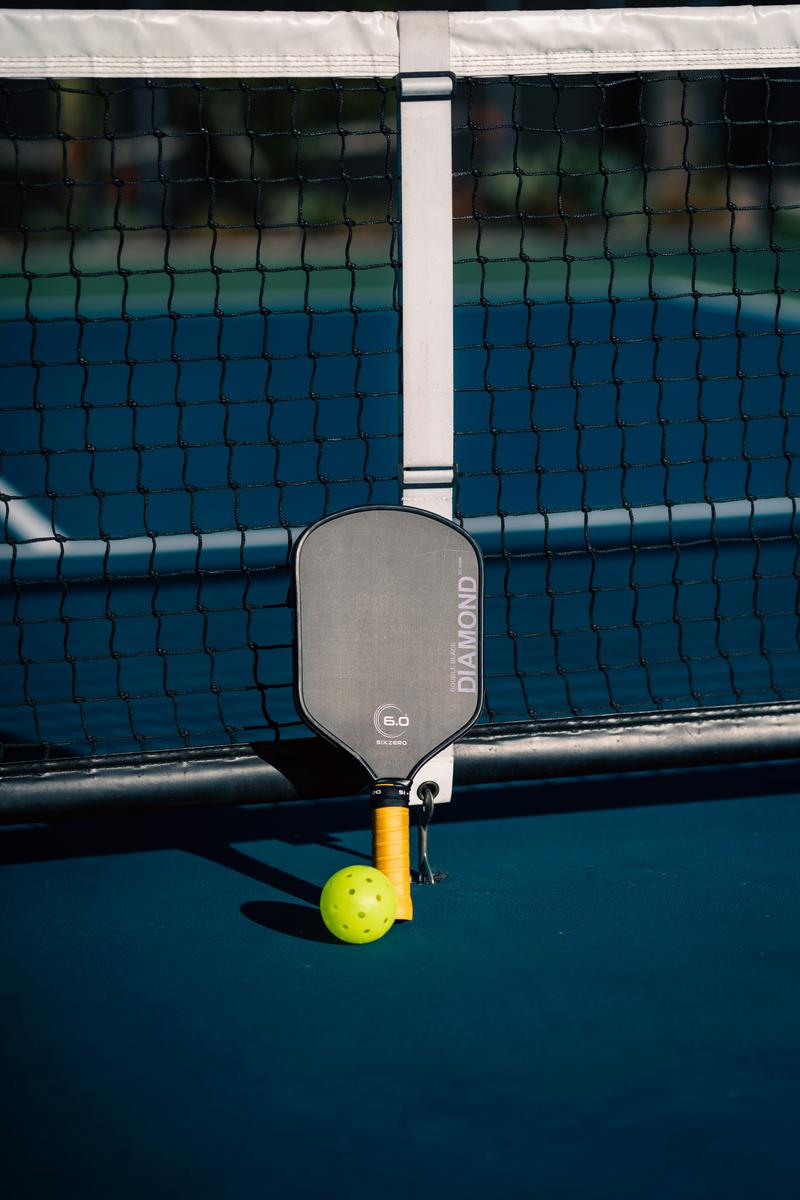
The Step-by-Step: Have the student hold their dominant hand flat, fingers together. Locate the bottom lateral crease of the palm — that is the middle line in the set of three creases running across the palm. Place the end of a tailor’s tape measure (or a piece of string) exactly on that crease. Run the tape along the pad of the ring finger, straight to the tip of that same finger. The number where the tape hits the fingertip is the target grip circumference. A standard ruler works fine.
Take the measurement twice. If it differs by more than 1/16", do it a third time.
The Quick-Reference Table (for you, not for the student): This maps directly to the L1 through L4 sizing most OEMs use. You will see these measurements on every spec sheet.
- 4 1/8" (L1 / Small): Typically fits youth or adults with smaller hand frames. Men’s ring size under 7. Often needs an overgrip added to prevent over-squeezing.
- 4 1/4" (L2 / Medium): The industry default. Fits approximately 60% of adult men and 30% of adult women. This is the safe starting point for a club rental fleet.
- 4 3/8" (L3 / Large): Fits ~20% of adult men and a smaller percentage of women. Preferred by players with larger hands who want a more stable, less wrist-dependent swing.
- 4 1/2" (L4 / XL): Rare in stock paddles. Typically a special order. Only fits a narrow slice of the population — usually players with glove size XL or above.
Why This Saves You Time and Money: You do not need to stock four sizes. The data from our production history shows that ~80% of adult players land between 4 1/4" and 4 3/8". Stock your fleet with L2 paddles (the most common size) and use colored overgrips to add 1/16" or 1/8" for the students who measure at L3 or L4. Overgrips cost you $0.50–$1.50 per unit in bulk. That is cheaper than buying two separate paddle models.
The Insider Warning on “Standard” Sizing:Most OEM factories produce paddle grips with a tolerance of±1/8"from the stated size. The variance comes fromwrapping tension— a factory line worker pulls the polyurethane tighter on Monday morning than Friday afternoon. Measurements of four “L2” paddles from the same production batch show circumferences ranging from 4.18" to 4.38". That is a 0.2" spread.
If you are placing a custom grip size pickleball paddles bulk order, insist on a pre-production sample. Measure it yourself with a caliper. If the sample is outside ±1/16" of your spec, reject it. This is a non-negotiable step when sourcing from a B2B pickleball supplier with USAPA certification. We (PickleOEM) measure every pre-production sample and provide a written report. Do not accept verbal assurances.
For a how to measure pickleball grip size visual, you can also use a printable sizing template that some pro shops distribute. But the tape measure method is more accurate and immediate. This is the foundation of any reliable pickleball grip size chart inches recommendation you give to a student.
Conclusion
Proper grip sizing directly reduces injury risk and improves student satisfaction. With 70% of amateur players using the wrong size, a repeatable measurement method prevents complaints and returns. Specifying grip size without verifying production tolerance can lead to batch inconsistency.
When ordering paddles for your club, review the available options for standard grip sizes and overgrip customization. Requesting a pre-production sample ensures the actual grip circumference matches your specification before full production.
Frequently Asked Questions
How to determine grip size for pickleball?
Measure from the bottom crease of your palm to the tip of your ring finger; that distance in inches is your ideal grip circumference. Typical stock paddles come in 4 1/4" (medium), so adjust. Use a ruler and measure twice to confirm.
What is L2 and L3 grip size?
L2 is 4 1/4 inches and L3 is 4 3/8 inches — the two most common stock paddle sizes for adults. Most players fit either L2 or L3 depending on. Order a sample of both before committing to bulk for your club.
How do you choose a pickleball grip size?
Use the ring-finger measurement as your baseline, then factor in feel and injury prevention — a grip too small forces extra squeeze, too large limits wrist snap. Standardizing on 4 1/4". Check one paddle per student before ordering a full club set.
What grip do most professional pickleball players use?
Most pros use a grip circumference between 4 1/4" and 4 3/8", often 4.25 inches. They further customize with overgrips to fine-tune thickness and tackiness for their exact feel. Use that range as a starting point for your own preference.
How do I tell what grip size I need?
Measure from your ring finger tip to the bottom crease of your palm in inches — that number is your target grip circumference. If you don’t have a ruler, hold the paddle. This method works for all hand sizes and eliminates guesswork.
Want to source this quality for your brand?
Contact our factory directly on WhatsApp for an instant MOQ and pricing quote.