Custom Pickleball Paddles – Low MOQ, High Margin
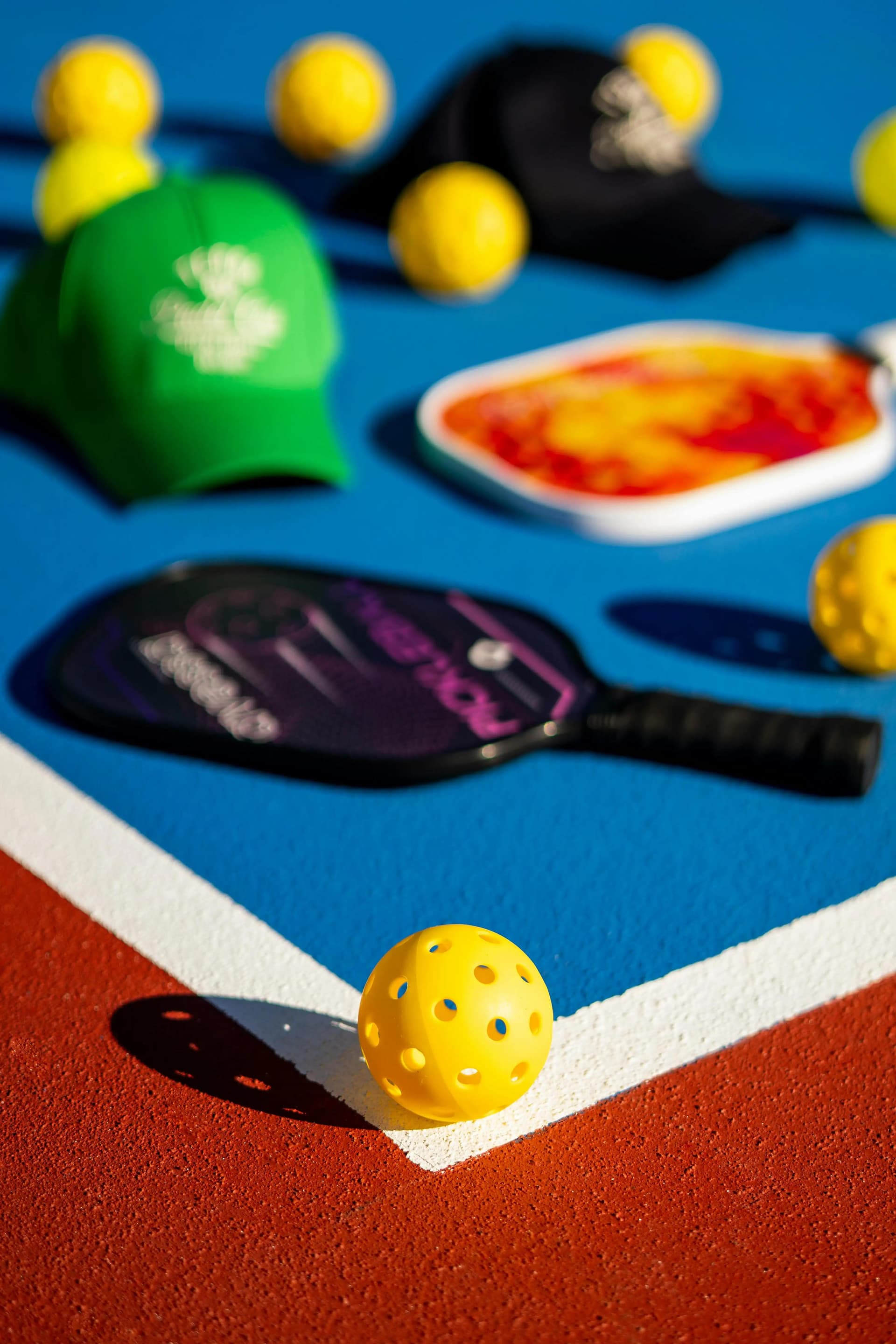
Pickleball paddle customization is where the real margin story starts for a retail buyer looking to stand out on a crowded shelf — but the fear of high MOQs and hidden setup costs often stops the conversation before it begins. Most first‑time buyers I talk to assume they need to commit to 1,000 units and pay a small fortune in tooling just to get their logo on a decent paddle, which is why they default to selling the same national brands as every other store.
Here is the reality that changes the math: 78% of retailers who go private‑label report 15–25% higher margins, and factories now offer sublimation printing with a minimum order of just 50 units. That means you can test a branded paddle line with the same upfront risk as a single display rack of stock inventory. The key is knowing which customization levers — printing method, core material, packaging — actually move the needle for your customers without locking you into a production run you cannot sell. Direct‑to‑consumer brands like Salted City Sports outsource to the same OEM factories you can access, cutting out the 15–25% markup they charge for their brand. That is the gap this guide closes.
Customization Options Overview: What Retailers Can Control
You don’t need a new mold to launch your brand. Most factories apply your graphics to existing stock shapes, keeping MOQs low and setup costs under control.
Retailers have four levers to pull when designing a custom paddle: core material, shape, surface texture, and printing method. Each one changes how the paddle plays, feels, and costs. Here’s what you need to know to make decisions that align with your margins and target player.
Core material is the biggest performance driver. Polymer honeycomb is the industry standard for bulk orders — balanced weight (7.5–8.5 oz), reasonable durability, and the lowest cost at $8–12 FOB. Nomex (aramid honeycomb) is stiffer and louder, preferred by power hitters, but adds about $2–3 per unit. Carbon fiber cores are lightest and most responsive, often used in premium paddles retailing above $100, but they add $4–6 to wholesale cost and require careful face lamination to avoid delamination after 300–400 hours of play.
Paddle shape affects reach and swing weight. Standard (15.5–16 in long, 7.5–8 in wide) is the most popular for recreational players. Elongated (16.5 in long, 7.5 in wide) gives extra reach and a narrower sweet spot — preferred by control-oriented players. Widebody (15.5 in long, 8.5 in wide) offers a larger face and more forgiveness, appealing to beginners and seniors. Most factories offer all three shapes as stock molds; you pick the one that fits your target customer and apply your graphics. No custom tooling required.
Surface texture determines spin generation. Smooth fiberglass faces are standard on entry-level paddles — they provide consistent rebound but limited spin. Textured grit (applied via a spray-on coating or embossed peel ply) adds friction, increasing spin potential by 15–20% in controlled tests. The trade-off: grit wears down faster. Polyurea-based grit coatings maintain performance for 200+ games; low-cost alternatives can peel after 50 games. For a retailer, specifying “polyurea textured face” in your brief avoids that failure.
Printing method is where branding happens. Screen printing works for 1–3 solid colors, costs $0.50–$1.00 per paddle in setup, and requires a 300–500 unit MOQ per design. Sublimation (heat‑transfer) allows full‑wrap photographic graphics, unlimited colors, and a lower MOQ of 50–100 units — but adds $2–3 per paddle. Debossing creates a recessed logo with a premium tactile feel, but requires a steel mold ($200–$500 setup) and only works on the paddle face, not edges. Insider tip: many factories default to a single-sided print unless you specify “double-sided” in your purchase order. A quick line in the contract saves you from receiving 1,000 paddles with your logo on one side only.
- Core material options: Polymer honeycomb (standard, $8–12 FOB), Nomex (stiffer, +$2–3), carbon fiber (lightest, +$4–6).
- Stock shapes available: Standard, elongated, widebody — no custom mold needed.
- Surface texture: Smooth fiberglass (low spin) vs. polyurea textured grit (higher spin, longer wear).
- Printing methods: Screen (2–3 colors, 300–500 MOQ), sublimation (full‑color, 50–100 MOQ), deboss (tactile logo, $200–500 mold fee).
One often-overlooked lever is edge tape. A simple colored edge tape — black, white, or matching your brand color — can transform a generic stock paddle into something that looks premium on the shelf. It costs less than $0.10 per paddle and takes zero extra lead time. Most factories stock rolls of edge tape in common colors; just ask for it in your spec sheet.
Printing Methods: Screen vs. Sublimation vs. Debossing
Screen printing delivers the lowest unit cost above 300–500 pieces. Sublimation lets you start with 50 paddles and full-wrap graphics. Debossing adds a premium tactile logo but requires a $200–500 mold investment.
Here is the breakdown of the three printing methods you need to weigh when building a branded paddle line. Each serves a different retail scenario, and picking the wrong one will either lock you into excess inventory or leave margin on the table.
- Screen printing (1–2 colors): Best for simple logos on the paddle face. MOQ is typically 300–500 units. Setup is cheap (~$50–100), so per-unit cost at 500 pieces runs $8–12 FOB. The limitation: only solid colors, no gradients, and the ink adds a slight texture that some players notice. Works well for club paddles or event giveaways where brand recognition matters more than aesthetics.
- Sublimation (full‑wrap graphics): Dyes the graphic into the outer layer, so it never peels or chips. MOQ can drop as low as 50 units, perfect for testing a design or seasonal runs. The trade-off: it adds $2–3 per paddle over screen printing, bringing the landed cost to $12–18 FOB. Unlimited colors, photographic images, edge‑to‑edge coverage. Most DTC brands (Salted City, etc.) use sublimation because it looks premium on a retail shelf. If you want to match a specific Pantone, the factory will run a pre‑production color sample – request this or risk a shade mismatch.
- Debossing (tactile logo): A metal die presses your logo into the paddle face or handle. Setup runs $200–500 for the mold, but there is no per-unit printing cost. MOQ is usually 200+ because the mold is a fixed expense. The result is a clean, recessed logo that feels high‑end and won’t wear off. Downside: only a single‑color impression (no fine details), and the process cannot be applied to carbon‑fiber faces without cracking the surface. Use debossing for a flagship model or pro‑line paddle where you want to signal durability.
Here is the real‑world decision matrix: If your initial order is under 200 units and you want full‑color branding, go sublimation – the lower MOQ offsets the $2–3 per‑paddle premium. If you are ordering 500+ units and your logo fits two colors, screen printing saves roughly 25% per unit. If you need a premium look and your paddle face is fiberglass or polymer, debossing can justify a $5–10 retail price bump.
One more insider tip: colored edge tape is a cheap way to boost perceived quality. Most factories offer it in 8–10 standard colors at no extra cost beyond the material (~$0.30 per paddle). A black paddle with a red edge tape looks intentionally designed, not generic. Avoid ignoring this detail – it is the difference between a stock paddle and a store‑brand product that commands a premium.
Balancing Quality and Cost: Material & Weight Choices
The material stack defines both playability and margin. Don't default to carbon fiber—most entry-level retail customers won't feel the difference, but you will when the cost overruns.
Start with the baseline: polymer honeycomb core with a fiberglass face. At $8–12 FOB, this is the workhorse construction for private-label paddles. It's forgiving to manufacture, delivers consistent pop, and survives the drop test. Use this for your value tier or club program where volume is the priority.
The carbon fiber upgrade adds $4–6 per paddle at wholesale and justifies a retail of $60–90. But here's what most first-time buyers miss: not all carbon fiber is the same. Cheap prepreg delaminates within three months of heavy use. Ask your factory for a 72-hour edge soak test report. If they hesitate, walk.
Here is the spec range you need to lock in before approving any sample:
- Weight: 7.5–8.5 oz. Lighter paddles (sub 7.8) sell to seniors and beginners. Heavier (8.2+) sells to competitive players who want stability. One spec does not fit all—run two weight variants if your MOQ splits allow.
- Thickness: 13 mm vs. 16 mm. This is your biggest lever for feel. 16 mm kills vibrations and extends dwell time—better for control. 13 mm pops harder and feels crisper at net. 80% of our retail buyers choose 16 mm for their first private-label run because returns are lower.
- Core Hardness: Measured indirectly by polymer density. Most factories use 3–4 lb/ft³ density for standard stock. Drop to 2.5 lb and the paddle feels dead. Go above 4.5 lb and it sounds like a wood block. Insist on a core density spec in writing—verbal promises vanish during production.
Insider warning: A factory that quotes a carbon fiber paddle at under $11 FOB is likely using a cosmetic carbon skin over a fiberglass structural layer. That paddle will look like carbon on the shelf but play like glass. Verify by asking for a cross-section photo of the face layup during sample stage.
| Material Combo | Weight & Thickness | Wholesale Cost (FOB) | Suggested Retail Price | Best For |
|---|---|---|---|---|
| Polymer Honeycomb Core + Fiberglass Face | 7.5–8.5 oz / 13–16 mm | $8–$12 per paddle | $40–$60 | Entry-level & mid-range; high margin for bulk orders |
| Polymer Honeycomb Core + Carbon Fiber Face | 7.5–8.0 oz / 13–16 mm | $12–$18 per paddle | $60–$90 | Performance segment; justifies premium pricing |
| Nomex Core + Carbon Fiber Face | 7.0–7.5 oz / 13 mm | $15–$22 per paddle | $80–$120 | Advanced players seeking stiffness & light weight |
Packaging That Sells at Retail
Most novice retailers over‑invest in fancy boxes. A smart polybag with a header card does the job at 1–3% of unit cost—spend your budget on the paddle, not the cardboard.
Custom packaging is where many first‑time buyers either waste money or miss an opportunity. You have three standard options, and the right choice depends on your retail channel and price point. Here’s the breakdown with the actual cost ranges you should expect from a factory.
- Individual polybag with header card: Budget 1–3% of your unit cost. This is the workhorse for mid‑priced paddles ($40–$60 retail). The bag protects from scratches during shipping, and the header card holds your logo, barcode, and a few selling points. Most factories include this at no extra charge if you order 200+ units. It’s the standard choice for custom printed pickleball paddles wholesale.
- Full‑color gift box: Budget 5–8% of unit cost. Use this only if you’re retailing above $80. A rigid, printed box with foam insert adds perceived value, but it also adds freight weight and storage volume. I’ve seen retailers spend $4 per box on a $12 paddle—that math never works. Reserve this for premium lines where the unboxing experience is part of the brand story.
- Multi‑pack display cartons: Ideal for club orders or tournament giveaways. You pack 4, 6, or 12 paddles in a single unprinted corrugated carton with a branded sleeve. Per‑unit packaging cost drops to under 0.5%, but you need a minimum order of 500 units per SKU to justify the setup. Great for bulk custom pickleball paddles for retail planned as floor displays.
A word of warning: many novice buyers ask for full‑color gift boxes because they think it makes them look like a “real brand.” In practice, a clean header card with a barcode and a QR code linking to a care video converts just as well. The factories that produce private label pickleball paddle production runs will tell you the same—I’ve watched retailers save 4% per paddle simply by choosing polybag over box, and that margin difference is what pays for your next marketing campaign.
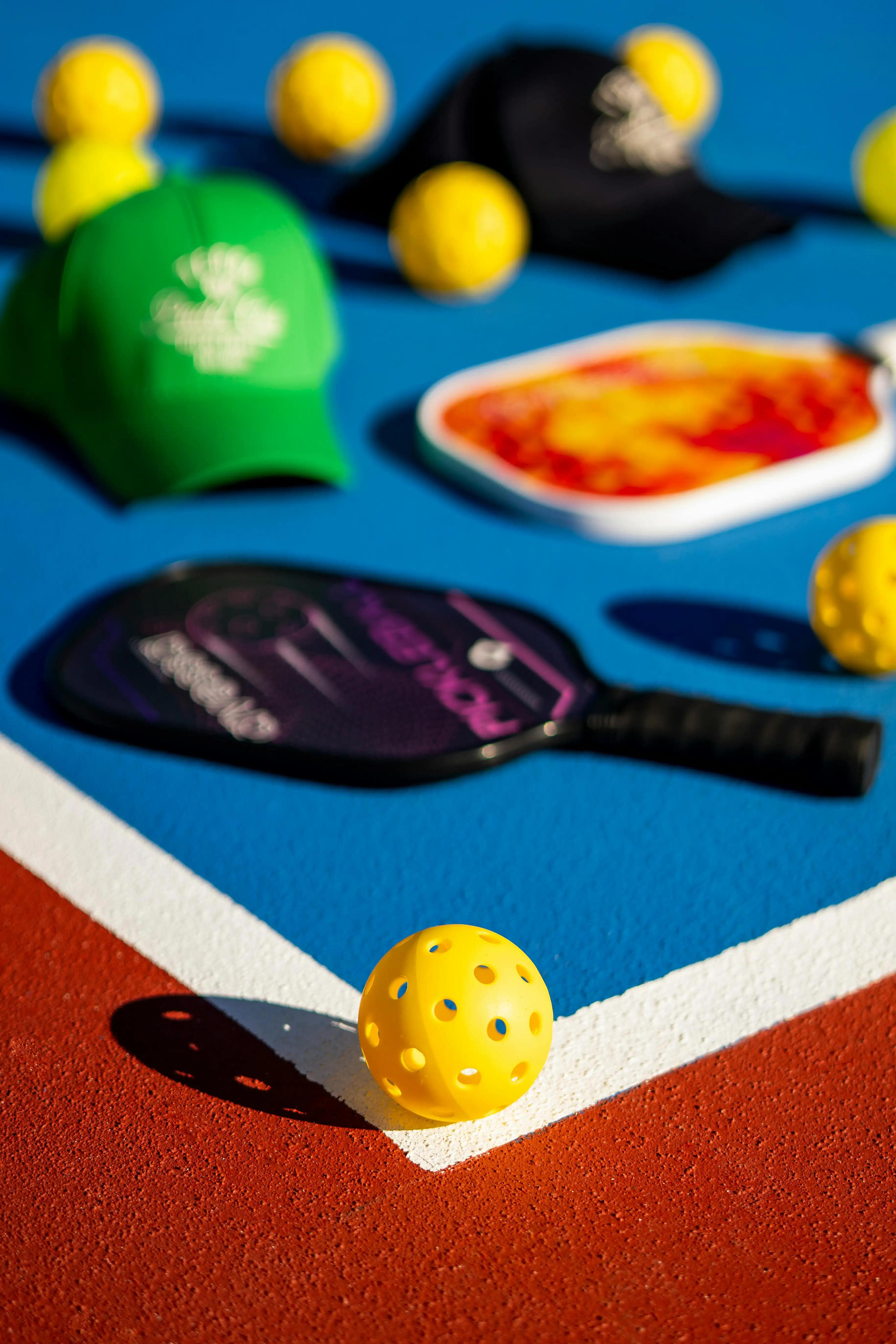
The Customization Process from Inquiry to Delivery
Total lead time from artwork approval to your warehouse: 43–65 days. Plan backward from your launch date or risk missing the season.
Most novice retailers fixate on unit price and ignore the timeline. Then they discover their “8-week production” actually takes 12 because they didn't account for design revisions or container booking delays. Here is the real calendar, phase by phase.
Design Approval (3–5 days): This is where most first-time buyers lose a week. You send a logo file. The factory sends back a placement mockup. You request changes. They adjust. If your artwork is vector format (AI, EPS, PDF) with embedded fonts, this takes 3 days. If you send a low-resolution JPEG and ask “can you just clean it up?”, expect 5 days or a rejection. Request a print-ready proof (color-matched to PMS numbers) before signing off. Verbal approval is not approval — sign a PDF or confirm via email with the sales manager’s name on it.
Sample Production (7–10 days): This step is optional but reckless to skip. A sample of your exact artwork, core, and face material costs $25–$50 plus shipping (around $60 via DHL). Wait for the sample to arrive (5–7 days shipping), inspect edge tape adhesion, print registration, weight variance (±0.3 oz is acceptable; ±0.5 oz is a rejection), and play-test for 30 minutes. If the face feels slick or the core has dead spots, you catch it here — not after 1,000 units land at your door.
Bulk Production (15–20 days): Once the sample is approved, the factory orders raw materials specifically for your batch. Production runs 15 days for screen-printed orders, up to 20 days for full-wrap sublimation (because each paddle goes through a heat-press individually). Ask your supplier for a mid-production photo set (blanks stacked, printing in progress, finished paddles staged) on day 10. If they hesitate, your order is likely queued behind larger buyers.
Ocean Freight (20–30 days): This is the phase that eats margins if you rush. Air freight costs 4–5x more per unit (adds $3–$5 per paddle) but cuts transit to 7 days. Use it only for urgent replenishment, not first orders. Standard FOB terms mean ocean freight is your cost. Book a container 2 weeks before production finishes, or you lose a week waiting for space. Customs clearance adds 2–5 days on arrival. Factor in a 2-day buffer at each handoff — your actual door-to-door timeline is closer to 50 days than 43.
Conclusion
These five customization options give you a clear path to launch a branded paddle line without overcommitting. By balancing printing method, materials, and packaging against your budget and minimum order requirements, you can achieve 15–25% higher margins than selling national brands.
Review the current pricing and MOQ details on Pickleoem's customization page to see which option matches your retail strategy.
Frequently Asked Questions
Can I customize my pickleball paddle?
Yes, retailers can customize paddles through screen printing, heat-transfer sublimation, or debossing. The best method depends on your graphics complexity, color count, and order volume. Choose your printing method based on design and MOQ requirements.
What are the rules for pickleball paddle modification?
For tournament play, modifications must not alter performance characteristics and paddles must comply with USA Pickleball equipment standards. Recreational play has few restrictions, but official rules ban any texture or finish that changes. Always verify with USA Pickleball before ordering tournament-bound paddles.
How much does a custom pickleball paddle cost?
Screen-printed paddles start at $8–12 FOB with 500-unit MOQ, while sublimated paddles run $12–18 FOB with 200-unit MOQ, plus $50–150 setup fees. Costs rise with premium materials like carbon fiber and. Get a quote only after finalizing design, volume, and material stack.
What are the different types of custom pickleball paddles?
Custom paddles vary by core material (polymer honeycomb, Nomex, carbon fiber), shape (standard, elongated, widebody), and surface texture (smooth or textured grit). Polymer honeycomb is the most popular for bulk. Match the type to your target players' skill level and playing style.
How to customize a paddle?
Select a base paddle model and core material, then apply your logo or graphics via screen printing, sublimation, or debossing. Ordering directly from an OEM factory lets you skip middlemen. Define your design and printing method, then request samples before full production.
Want to source this quality for your brand?
Contact our factory directly on WhatsApp for an instant MOQ and pricing quote.