Private-Label Pickleball Packaging: Boxes, Hangtags & Barcodes
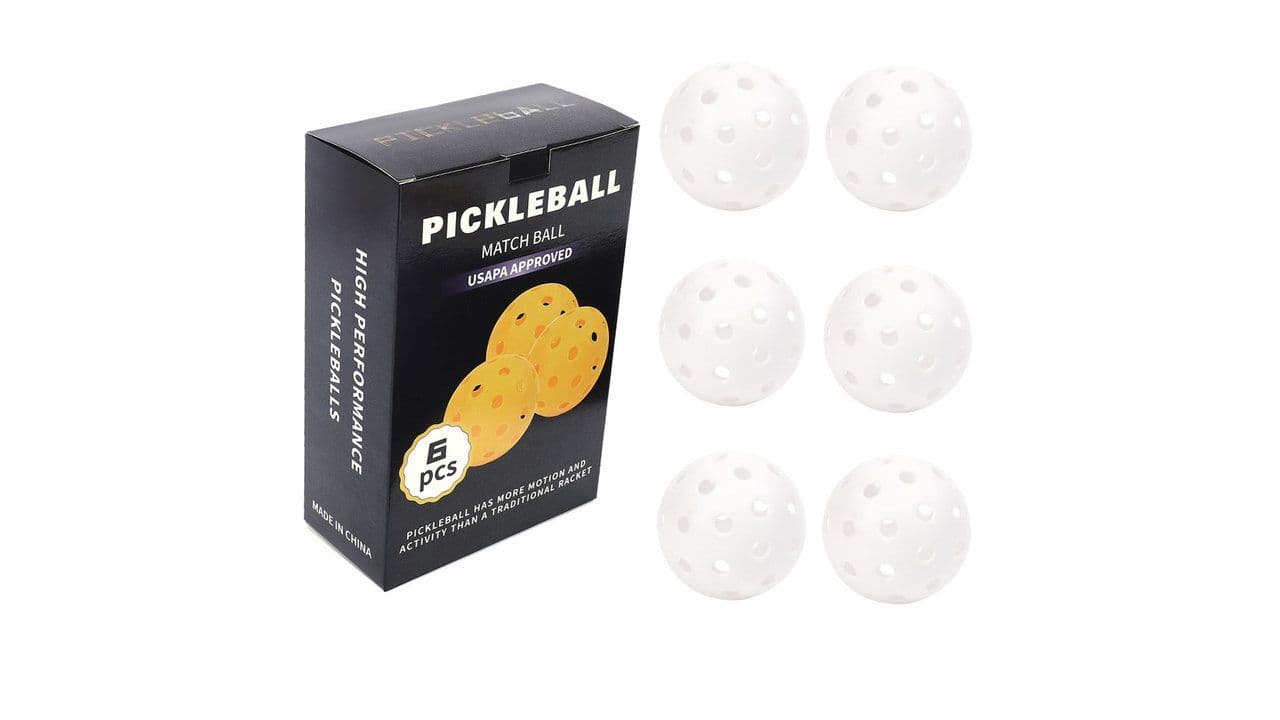
Private-label pickleball packaging is where a generic paddle becomes a brand and where a marketplace listing either goes live or gets rejected. It's not the wrapper — it's a spec, the same as the paddle's core or face, and treating it as an afterthought is how new brands end up with a great product nobody can scan, shelve, or trust. Get the format, the print, the barcode, and the compliance marks right and your paddle earns a shelf or a buy-box. Get them wrong and you're reprinting boxes or fighting a marketplace takedown. If you're launching a pickleball brand, packaging is the step that makes the product sellable, not just made.
There are two decisions: the format that fits how you sell, and what has to be printed on it. This covers both — the retail formats by channel, the barcode and compliance marks a marketplace requires, and how to brief a factory so the first print run is the right one.
Key Takeaways
- Packaging is a spec: choose the format by channel — retail box, hangtag, mesh sleeve, or bulk.
- Online and shelf retail need a barcode (UPC/EAN); buy one from GS1, not a cheap resold code that marketplaces reject.
- A printed retail box carries your logo, barcode, paddle specs, and any required compliance marks; a hangtag is the low-cost alternative.
- Provide print-ready artwork to the factory's dieline; mismatched dimensions or low-res files cause reprints.
- Match packaging durability to shipping — a crushed box damages a sale before it happens.
- Confirm marketplace and market labeling requirements before you print, since they vary by channel and country.
Pick the format by channel
The right package depends on where the paddle sells. Match the format to the channel and you avoid paying for packaging the channel doesn't reward.
| Format | Cost | Best for |
|---|---|---|
| Printed retail box | Highest | Shelf retail, gift, premium SKUs |
| Sleeve + hangtag | Medium | Online retail, mid-tier |
| Hangtag only | Low | Budget lines, club sale |
| Bulk / poly bag | Lowest | Clubs, fleets, B2B |
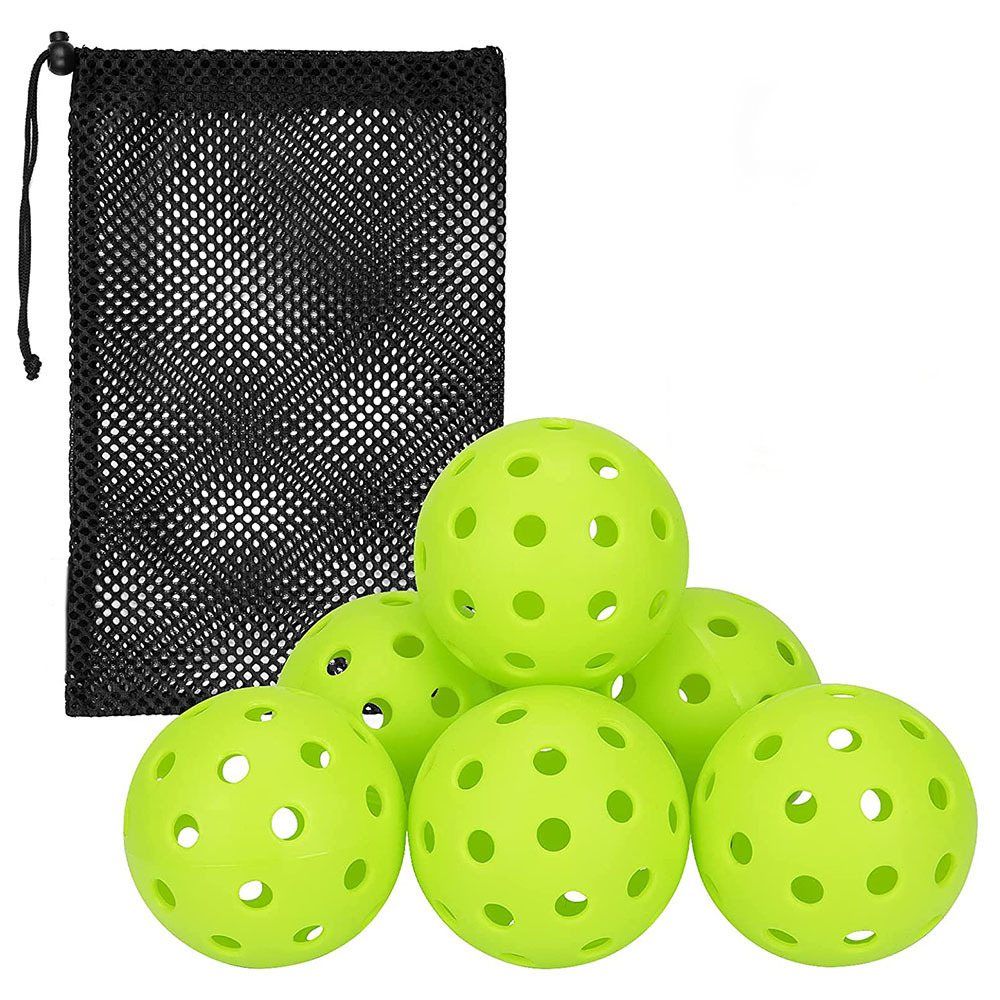
For an online launch, a sleeve-and-hangtag often hits the sweet spot — branded enough to look legit, cheap enough to protect margin. Save the full printed box for shelf retail and premium models where the unboxing is part of the product.
What has to go on the package
Branding is the obvious part; the parts that get a listing approved or rejected are easy to forget. A sellable package carries all of these.
- Brand and model: logo, model name, and the paddle's key specs (face, core, weight) buyers compare on.
- A real barcode: a UPC or EAN sourced from GS1, the global barcode authority — marketplaces increasingly reject cheap resold codes.
- Country of origin: a "Made in" mark, commonly required for retail and customs.
- Compliance marks: any market-specific labeling your channel requires, depending on how the product is sold.
Requirements vary by marketplace and country, so confirm what your specific channel demands before printing — a missing barcode format or origin mark is a fixable mistake on a file and an expensive one on 500 printed boxes.
Brief the factory so the first run is right
Most packaging reprints come from a sloppy handoff, not a factory error. Give the factory what it needs to print once.
Work to the factory's dieline — the exact cut-and-fold template for the box — and supply print-ready vector artwork with correct bleed, real fonts outlined, and a high-resolution logo. Confirm the print method and material weight, and ask for a physical packaging sample, not just a screen proof. A box looks different printed than it does on a monitor, and a printed sample catches color and registration issues before the full run. Tie the packaging sample into your golden-sample approval so the whole presentation is locked together.
What we handle on packaging
Because packaging decides whether a good paddle actually sells, every private-label order treats it as part of the spec. On packaging we set up:
- Format and dieline: the right box, sleeve, or hangtag for your channel, with a template for your designer.
- Print-ready check: artwork reviewed for bleed, resolution, and barcode scannability before printing.
- A physical sample: a printed packaging sample to approve alongside the golden-sample paddle.
- Ship-tested packing: material and inner protection matched to the carton and freight so boxes arrive uncrushed.
Ask any factory for a printed packaging sample and a barcode test before the full run. A supplier that prints from a screen proof alone is one reprint away from your launch slipping.
Conclusion
Private-label packaging is a spec that decides whether your paddle is sellable, not just made. Pick the format your channel rewards, put a real GS1 barcode and the required marks on it, brief the factory to its dieline with print-ready art, and approve a physical sample alongside the paddle. Do that and your first print run ships scannable, compliant, and on-brand — instead of becoming the reprint that delays your launch.
If you're finalizing a launch, lock packaging at the same time as the paddle spec, not after. Our team sets up the format, checks the artwork, and approves a printed sample with your golden-sample paddle so the whole package ships right the first time.
Written by the PickleOEM team — a source pickleball factory in China producing carbon paddles and rotomolded balls for international brands and importers. We set up private-label packaging — boxes, hangtags, barcodes — and approve a printed sample with every custom order.
Frequently Asked Questions
What packaging do I need to sell pickleball paddles online?
At minimum a branded sleeve or hangtag with a real UPC/EAN barcode, your logo, model specs, and a country-of-origin mark. A full printed retail box is worth it for shelf retail and premium SKUs.
Where do I get a barcode for my paddles?
Buy a UPC or EAN from GS1, the global barcode authority. Marketplaces increasingly reject cheap resold codes, so a GS1-issued barcode avoids a listing being pulled later.
Can the factory design my packaging?
A factory supplies the dieline and prints, but you provide print-ready artwork and the barcode. Many can assist with layout, but the brand design and codes are yours to supply and own.
Why approve a physical packaging sample?
A printed box looks different from a screen proof — color, registration, and material show up only in print. Approving a physical sample catches issues before you commit to the full run.
Want to source this quality for your brand?
Contact our factory directly on WhatsApp for an instant MOQ and pricing quote.