Golden-Sample Approval for Custom Pickleball Paddles
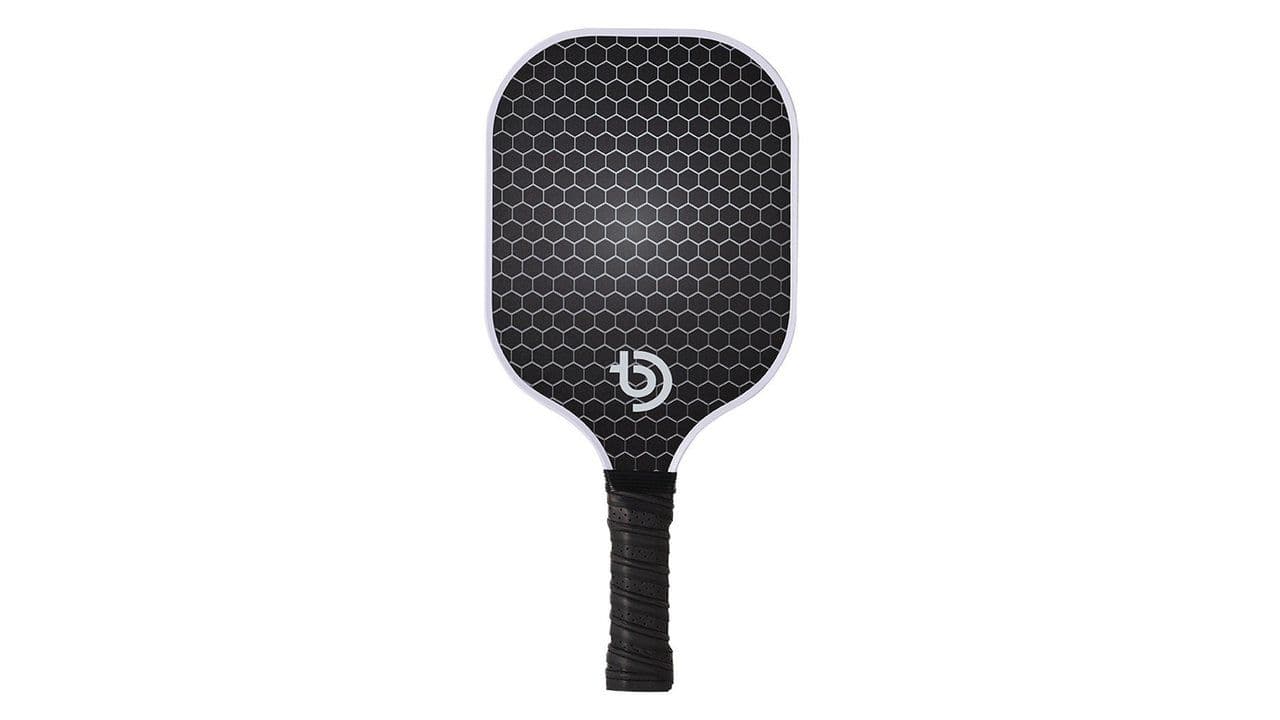
The most expensive gap in a custom pickleball order is the one between the sample you fell in love with and the batch that actually ships. A golden sample closes it. You approve one physical paddle as the reference, both sides seal a copy, and the entire production run is measured against that paddle — not against a memory or a photo. It's the cheapest insurance against a factory quietly swapping a carbon grade, thinning a grip, or printing your logo a shade off, and it's the step first-time brands skip most. If you're launching a pickleball brand, this is the control point that protects your first order.
A golden sample (also called a pre-production sample, or PPS) only works if you treat it as a contract, not a courtesy. That means evaluating the right things, signing and sealing it properly, and tying the production run and the final payment back to it. Here's the workflow, step by step.
Key Takeaways
- A golden sample is one approved reference paddle that the whole production batch is measured against.
- Both sides seal and keep a signed copy, so neither can change the standard after approval.
- Evaluate it against your written spec sheet — weight, swing weight, face grade, surface, print, and finish — not just by feel.
- Approve in writing, then make the golden sample the reference for the pre-shipment AQL inspection.
- Tie the final payment to a batch that matches the sealed sample, so a drifting run gets caught before it ships.
- Skipping the golden sample is the most common reason a mass-production batch differs from the sample.
What a golden sample is and why it matters
A golden sample is the physical standard for an order: one finished paddle, approved by you, that defines exactly what "correct" looks and feels like. Everything in the production run gets compared to it.
The reason it matters is drift. A sample is made carefully by hand; a 300-unit run is made on a line, and without a fixed reference, small substitutions creep in — a cheaper resin, a lighter core, a faster print. A sealed golden sample removes the wiggle room: the paddle either matches the sealed reference or it doesn't. That single object turns "it should be fine" into a measurable pass or fail.
Step 1 — Request the sample against a written spec
A golden sample is only as good as the spec behind it. Send the factory a complete spec sheet first, so the sample is built to your numbers rather than their standard.
Include all seven paddle specs — core thickness, face material and grade, surface, construction, shape, weight and swing weight, and grip — plus your print artwork and colors. Warning: approving a sample with no written spec behind it means you have nothing to hold the batch to later; the sample becomes the only record, and "matches the sample" is harder to argue than "matches the spec and the sample."
Step 2 — Evaluate it against the spec, not just by feel
When the sample arrives, check it like an inspector, not a shopper. Feel matters, but feel alone misses the things that fail in production.
- Weight and balance: Weigh it and check the swing weight and balance against your target, gripped as the customer would hold it.
- Face and surface: Confirm the carbon grade with a material certificate and check the surface texture against the legal roughness limit.
- Print and color:inherit; a print that smears or sits off-center repeats across the whole run.
- Finish and build: Inspect the edge bond, grip wrap, and any rattles or dead spots that signal a core or adhesion problem.
If anything is off, request a revised sample rather than approving "close enough." Every flaw you accept in the sample, you accept across the batch. The 7-spec checklist is the list to grade against.
Step 3 — Sign, seal, and split the sample
Approval has to be physical and shared, or it isn't binding. This is the step that makes the golden sample a standard instead of a suggestion.
Sign and date the approved paddle, photograph it from all sides, and have it sealed — commonly in two copies, one kept by the factory on the line and one kept by you. Both are tagged to the order. Warning: an unsealed, unsigned "approved sample" lets either side claim a different reference later; the seal is what stops the standard from moving after the fact.
Step 4 — Make it the reference for inspection and payment
A sealed sample only protects you if it's wired into the back end of the order — the inspection and the money.
Name the golden sample as the reference standard in the pre-shipment inspection, so the sampled units are compared to it directly, and tie your final balance to a passed inspection. That way a run that drifts from the sealed paddle is caught before it ships and before you pay. Run the check with the AQL inspection method, against current USA Pickleball equipment standards for any spec they govern.
What we lock in a golden sample
Because the sample is the standard the batch lives or dies by, every custom order seals one before mass production starts. On each golden sample we record:
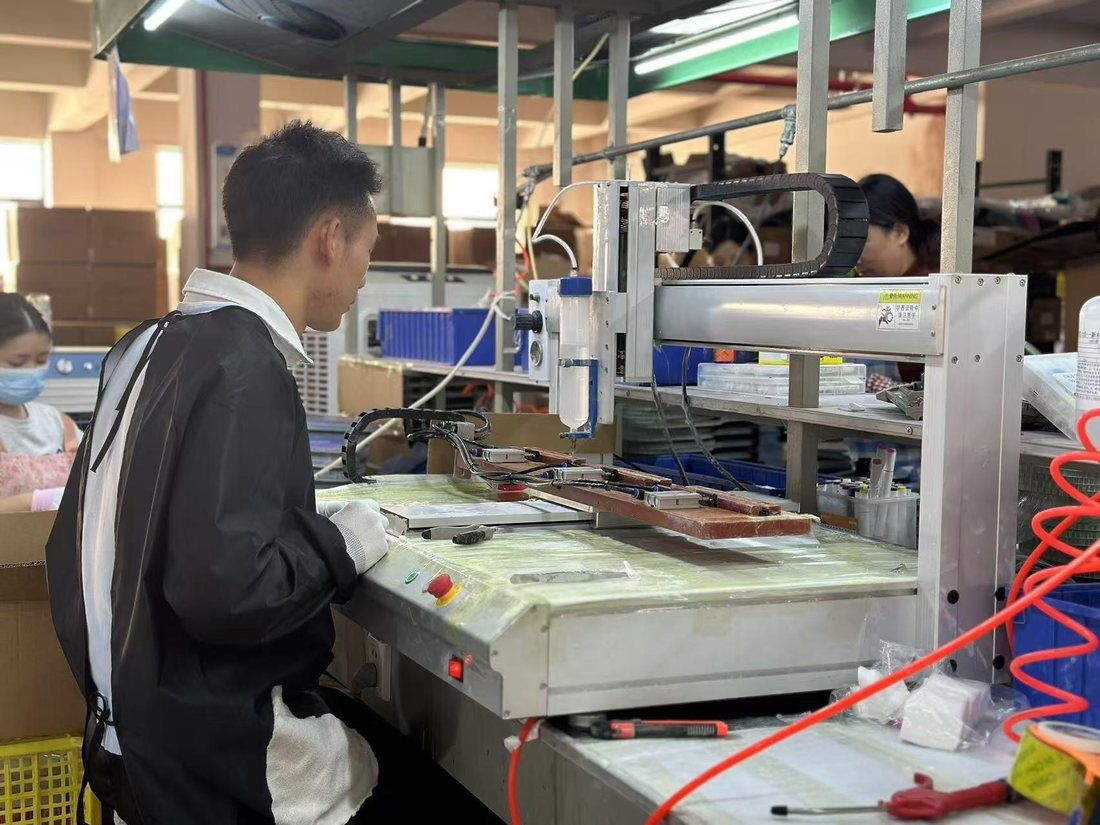
- Measured specs: Actual weight, swing weight, and balance of the approved paddle, written on the tag.
- Material proof: The carbon grade documented to source, so the batch can't quietly drop a tier.
- Print reference: Signed artwork and a photographed paddle for logo placement and color.
- Sealed copies: One reference kept on the line, one with the buyer, both tagged to the PO.
Ask any factory to seal a signed golden sample before your deposit funds production. A supplier that wants to skip straight to the run is asking you to trust a sample you can't hold them to.
Conclusion
A golden sample is the difference between hoping the batch matches the sample and proving it does. Build the sample to a written spec, evaluate it like an inspector, sign and seal a copy on both sides, and make it the reference for both the pre-shipment inspection and the final payment. Do that and the paddle your customers receive is the paddle you approved — not a cheaper cousin that drifted in on the production line.
If you're placing a first custom order, insist on a sealed golden sample before the deposit, and tie your balance to a batch that matches it. Our team seals a signed sample on every order and checks the run against it before shipment.
Written by the PickleOEM team — a source pickleball factory in China producing carbon paddles and rotomolded balls for international brands and importers. We seal a signed golden sample on every custom order and inspect the batch against it before shipment.
Frequently Asked Questions
What is a golden sample?
It's one approved, sealed reference paddle that defines the standard for an order. The whole production batch is measured against it, so a run that drifts from the sample can be rejected.
Why seal two copies of the sample?
So neither side can change the standard after approval. The factory keeps one on the line to produce against; you keep one to inspect against. Both are signed and tagged to the order.
How is a golden sample different from a regular sample?
A regular sample shows what's possible; a golden sample is the signed, sealed standard the batch must match. Approval is in writing and binding, not just "looks good."
When should I approve the golden sample?
Before your deposit funds mass production. Evaluate it against your written spec, request revisions if anything is off, and only seal it once it's right — every accepted flaw repeats across the batch.
Want to source this quality for your brand?
Contact our factory directly on WhatsApp for an instant MOQ and pricing quote.