How to Start a Pickleball Brand: Source, Brand & Launch
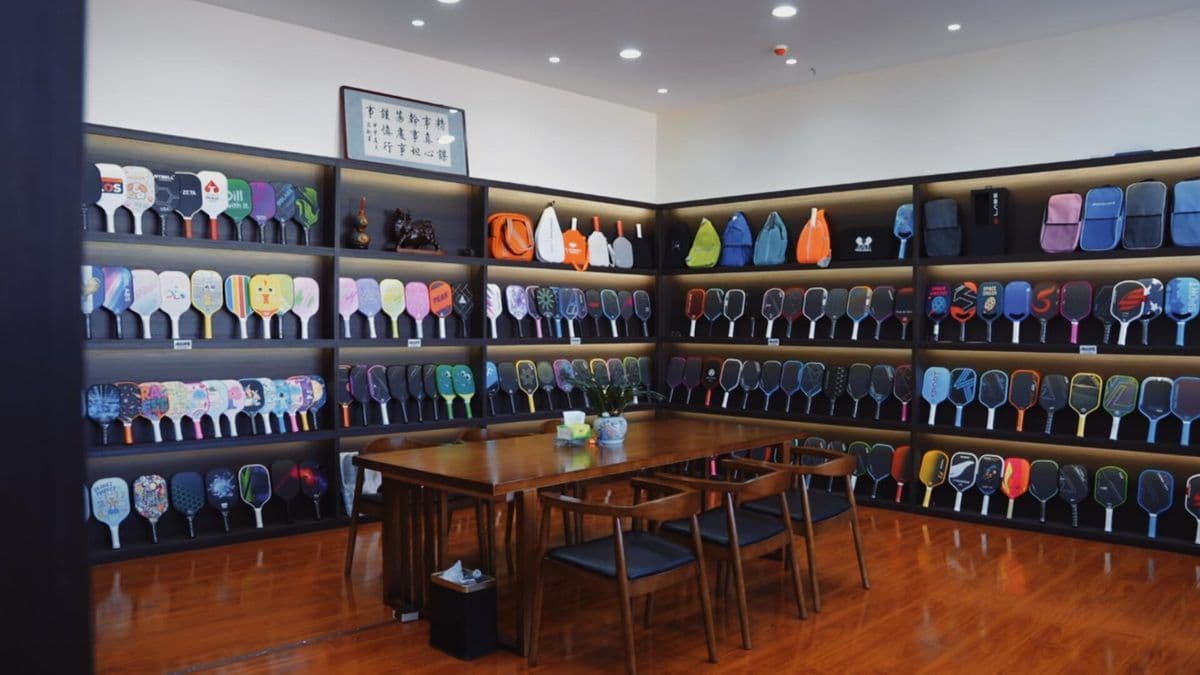
Starting a pickleball brand has never been cheaper to enter or easier to get wrong. The barrier that used to stop new brands — 500 to 1,000-unit minimums — has fallen to 50–100 units at many factories, so the risk now isn't capital, it's the decisions: which sourcing model, which specs, which packaging, which certification, and in what order. Get the sequence right and a custom-branded paddle line runs a 40–65% margin instead of the 15–25% you'd make reselling someone else's brand. Get it wrong and you've tied up cash in inventory that doesn't sell or can't be played in a league.
This is the full roadmap: choose white-label, ODM, or OEM; size the order to your risk; spec the paddle; design the branding and packaging; lock quality with a golden sample; settle payment terms; and handle certification only where your market needs it. Each step links to a deeper guide, but the sequence below is the part most first-time brands miss.
Key Takeaways
- MOQ has dropped from 500–1,000 units to 50–100 at many factories, so you can launch without catastrophic inventory risk.
- Three models: white-label (your logo on a stock paddle, fastest), ODM (customize a pre-engineered design), OEM (your exact spec). Most brands start ODM and grow into OEM.
- Custom-branded paddles run roughly 40–65% margin versus 15–25% reselling an established brand.
- Lock the seven paddle specs and a signed golden sample before production, and settle payment terms (commonly 30% deposit, 70% before shipment).
- USA Pickleball listing matters mainly for league and competitive sale and is a real per-model cost — plan it only where your market needs it.
- A low-risk path: launch 100–200 ODM units to gather reviews, then fund a proprietary OEM model once you have sales data.
Step 1 — Pick your sourcing model
The first decision shapes everything after it: cost, speed, MOQ, and how much the paddle is truly yours. Three models, in rising order of control and effort.
| Model | What you control | Speed & MOQ | Best for |
|---|---|---|---|
| White-label | Logo on a stock paddle | Fastest (2–4 wks), lowest MOQ | Testing a market, clubs |
| ODM | Customize a pre-engineered design | Fast, low MOQ | Most new brands |
| OEM | Your exact spec, top to bottom | Slower, higher MOQ | Brands with proven sales |
The smart move for most first-timers is to start ODM — customize a proven design rather than engineer one from scratch — then graduate to full OEM once sales justify the tooling. Jumping straight to OEM with no market data is the most common way new brands overspend. The deeper trade-offs are in the OEM vs private label breakdown.
Step 2 — Size the order to your risk
MOQ is the number that used to keep new brands out, and it's the one that's changed most. Many factories now run 50–100 units where 500–1,000 was standard a few years ago, which turns a launch from a five-figure gamble into a test you can afford.
Each tier buys you something different: a 100-unit run gets you in cheap with limited customization; 300 units unlocks better unit cost and custom packaging; 500+ opens full OEM tooling. Start at the smallest tier that proves demand, then scale. The MOQ guide shows why 300 is often the sweet spot once you're past testing.
Step 3 — Spec the paddle
A brand is a product first, and a paddle is the sum of seven specs. Leave any of them as "supplier standard" and the factory picks the cheapest option that still looks right — which is rarely what your customers will rebuy.
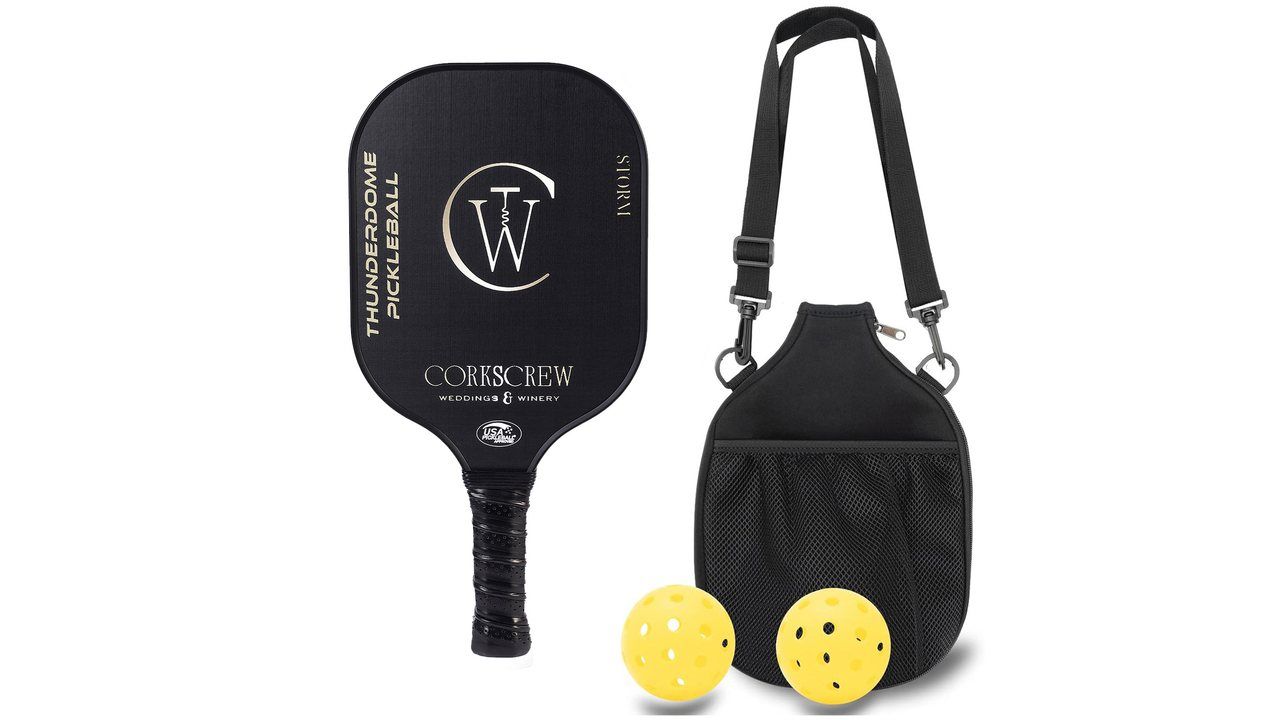
Lock core thickness, face material and grade, surface texture, construction, shape, weight and swing weight, and grip — per SKU. A clean starter line is three models: a control paddle, an all-court paddle, and a power paddle, each with its own spec line. Build the full sheet from the 7-spec checklist, and decide the face tier with the carbon vs fiberglass guide.
Step 4 — Design the branding and packaging
Branding is where a generic paddle becomes yours, and packaging is where it earns a shelf or a buy-box. Both are specs you submit, not afterthoughts.
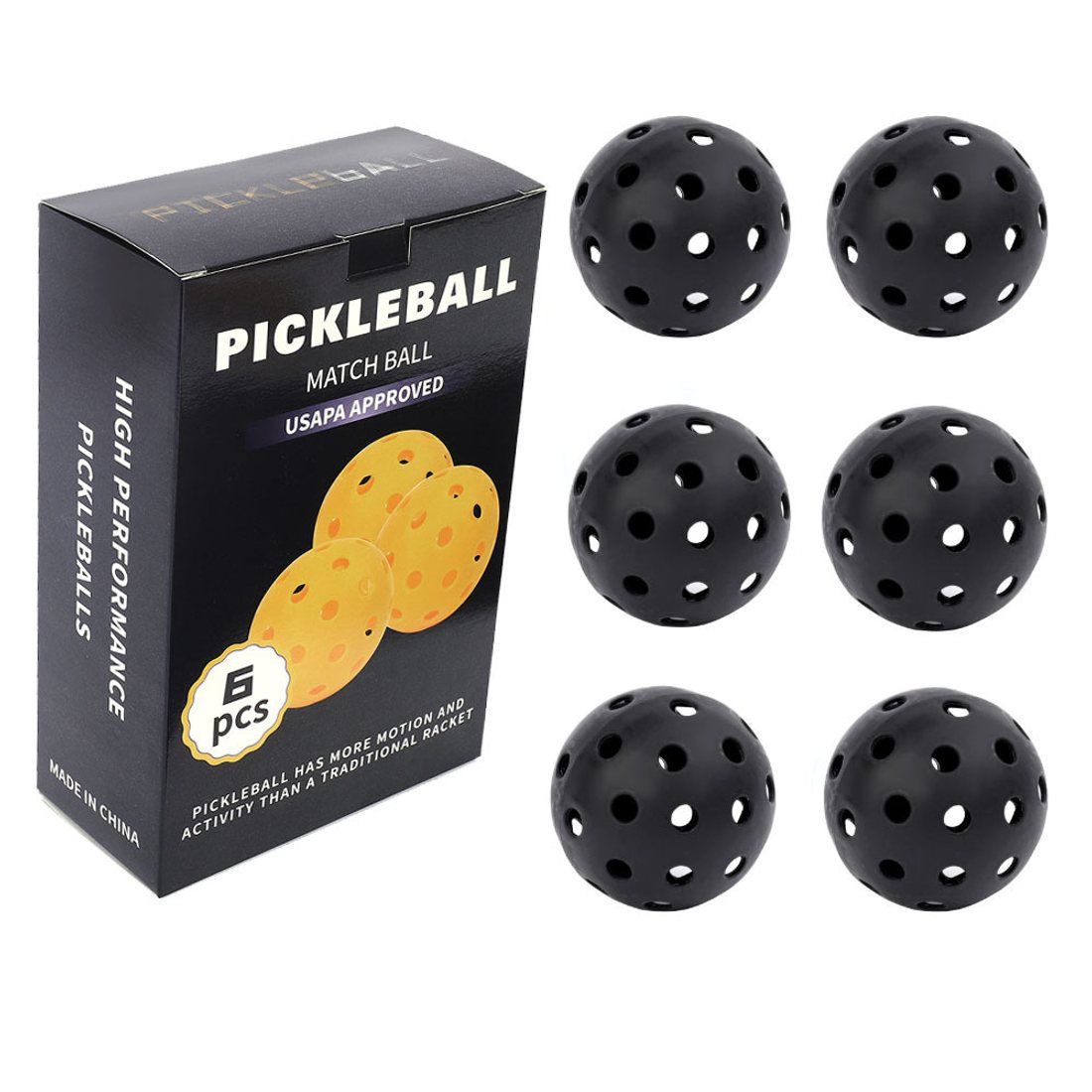
On the paddle, you choose the face print method, grip color, and edge-guard color. Around it, you choose the retail format — a printed box, a hangtag, a mesh sleeve — plus the barcode and compliance marks a marketplace requires. Get the print method right for durability with the branding methods guide, and the retail format right with the private-label packaging guide.
Step 5 — Lock quality with a golden sample
The gap that ruins first orders is the one between the sample you approved and the batch that ships. A golden sample closes it: you sign off one reference paddle, and the production run is measured against it.
Approve the sample for feel, finish, print, and weight, then have it sealed and kept as the standard for the batch. Pair it with a pre-shipment inspection tied to your final payment so a drifting run gets caught before it ships. The full process is in the golden-sample approval guide, and the inspection method in the AQL inspection guide.
Step 6 — Settle payment terms
Payment terms decide how much risk you carry and when. The common structure is a 30% deposit to start production and 70% before shipment, with the balance tied to a passed inspection — so your money and the goods change hands at the same moment of proof.
For a first order with a new supplier, a platform escrow like Trade Assurance can hold the balance until you confirm the goods. The mechanics, and when to use escrow versus a direct bank transfer, are in the payment terms guide.
Step 7 — Handle certification where your market needs it
Certification is the step new brands either over-worry or ignore entirely. Whether you need it depends on who you sell to.
For league, tournament, and serious club sale, buyers will often expect a paddle on the USA Pickleball approved equipment list, and listing a model is a real per-model cost and timeline, not a checkbox — budget several thousand dollars per model and confirm the current process with USA Pickleball. For casual, gift, and rec-only sale, approval may not be required at all. Requirements vary by market, channel, and how the paddle is sold, so confirm what your specific buyers need before you pay for certification you don't.
A realistic launch timeline
Here's how the steps sequence into a low-risk launch instead of one big bet. Treat it as illustrative, and adjust to your channel.
| Phase | What you do |
|---|---|
| Months 1–3 | Launch 100–200 ODM units, gather reviews and sales data |
| Months 3–6 | Refine specs and packaging from feedback; widen the line |
| Months 6–9 | Fund a proprietary OEM model; add certification if needed |
This hybrid path lets early sales fund the expensive moves, so you design a proprietary paddle with real data instead of a guess. The brands that fail usually invert it — big OEM run first, customers second.
What we set up for a new brand
Because a first-time brand needs guidance more than a price list, every new-brand project starts the same way before any deposit:
- Model fit: We map you to white-label, ODM, or OEM based on your budget, timeline, and how custom you need to be.
- A complete spec sheet: All seven paddle specs filled in per SKU — no blanks left as "standard."
- A signed golden sample: The approved paddle becomes the reference the batch is measured against.
- Branding and packaging files: Print method, grip and edge color, and a retail format that fits your channel and barcodes.
- Inspection tied to the balance: A pre-shipment check so your final payment follows proof, not a promise.
Ask any factory to walk you through these before quoting a price. A supplier that only sends a quote, with no model fit or spec conversation, is selling you a paddle, not helping you build a brand.
Conclusion
Launching a pickleball brand in 2026 is a sequencing problem, not a capital problem. Pick the sourcing model that matches your stage, start at an MOQ you can afford, lock all seven paddle specs and a golden sample, design branding and packaging as real specs, settle payment terms tied to inspection, and certify only where your market demands it. Do it in that order — small ODM first, proprietary OEM once you have data — and you launch a brand that earns a real margin instead of a warehouse full of paddles that don't sell.
If you're starting a brand, begin with the sourcing model and a three-SKU spec sheet rather than a big first order. Our team maps new brands to the right model, fills in every spec, and locks it to a golden sample before production.
Written by the PickleOEM team — a source pickleball factory in China producing carbon paddles and rotomolded balls for international brands and importers. We help new brands choose a model, spec a line, and lock it to a signed golden sample with low MOQ and private-label branding.
Frequently Asked Questions
How much does it cost to start a pickleball brand?
Less than it used to. With MOQs now at 50–100 units, a first ODM run is a few thousand dollars of inventory. Certification, if your market needs it, is a separate per-model cost in the thousands. Start small and scale on sales.
Should I start with white-label, ODM, or OEM?
Most new brands start with ODM — customizing a proven design keeps cost and time low while still giving you a branded paddle. Move to full OEM once sales justify the tooling and you have data to design from.
Do my paddles need USA Pickleball approval?
It depends on your buyers. League, tournament, and serious club players usually expect approved paddles; casual, gift, and rec sale often doesn't require it. Listing a model is a real per-model cost, so confirm what your market needs first.
What margin can a custom paddle brand make?
Custom-branded paddles typically run a 40–65% margin, versus 15–25% reselling an established brand. The margin is why brands move from reselling to their own line once they have steady demand.
Want to source this quality for your brand?
Contact our factory directly on WhatsApp for an instant MOQ and pricing quote.