Thermoformed vs Cold-Pressed Pickleball Paddles: Which to Source
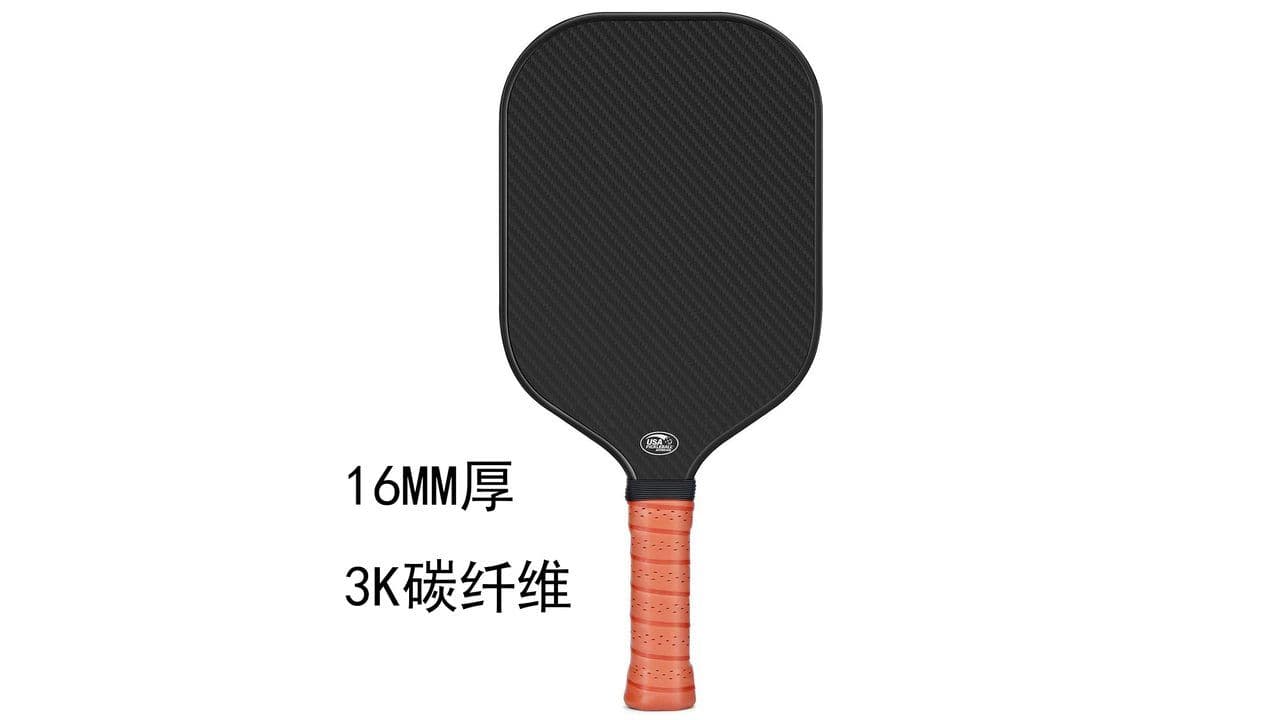
Thermoformed pickleball paddles are the spec everyone wants on the box right now, and that demand is exactly why you need to source them carefully. The same hot-press process that gives a thermoformed paddle its extra power can also crush the core and kill the paddle inside a year — which is why a few established makers looked at thermoforming and walked away from it. So "thermoformed vs cold-pressed" isn't a story of new-beats-old. It's a trade between more power now and proven durability later, and the right answer depends on who's buying the paddle and how well your supplier controls the process.
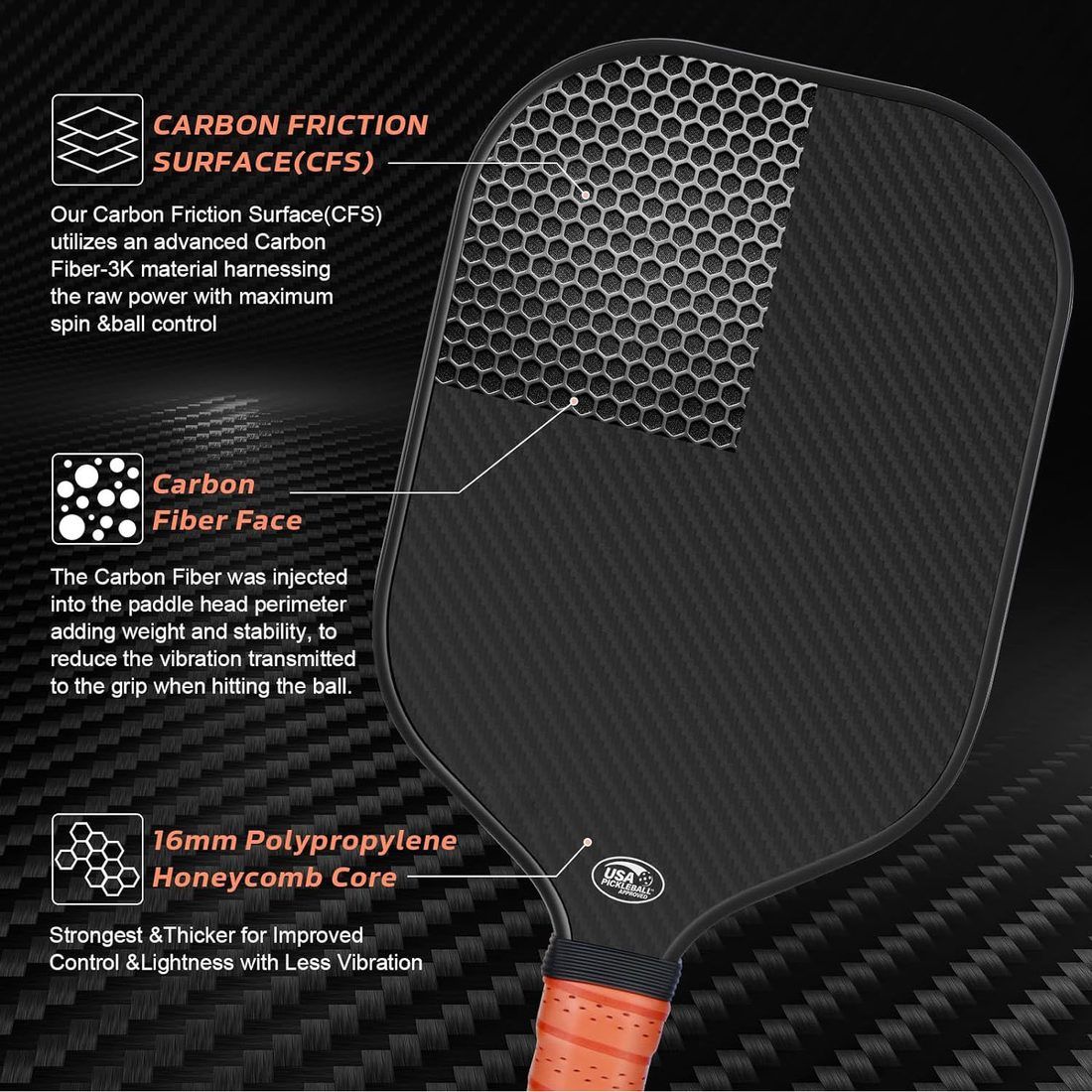
Both constructions start from the same parts: a polypropylene honeycomb core and carbon faces. What changes is how they're joined, and that single difference drives power, sweet spot, edge durability, and failure rate. Get the construction wrong for your market and you either ship a paddle that feels flat against the competition, or one that delaminates under warranty.
Key Takeaways
- Cold-pressed: core and carbon faces glued with epoxy at room temperature, then a plastic edge guard is taped on. Proven and repairable.
- Thermoformed: carbon wrapped around the whole paddle, including a foam-injected edge, fused under heat (250–300°F) and pressure into one unibody piece.
- Thermoformed delivers roughly 15–20% more power and a bigger sweet spot, with exit speeds a few mph faster on drives.
- The unibody edge resists cracking and delamination better; edge-guard peeling is the #2 repair on cold-pressed paddles, usually after 8–12 months.
- The catch is core crush: heat and pressure can collapse a flawed core, spiking power via a "trampoline effect" — then failing early. Controlled cores and QC are non-negotiable.
- Buy thermoformed for premium/power lines from a supplier who controls core quality; cold-pressed still wins for budget SKUs and repair-friendly fleets.
How each paddle is built
The construction method is the whole story here, so it's worth being precise about what actually happens on the press.
Cold-pressed (traditional)
The honeycomb core is sandwiched between two carbon face sheets with epoxy and pressed at room temperature until the epoxy cures. A separate plastic edge guard is then glued around the rim. It's the long-standing method: predictable, lower-risk on the core, and easy to repair because the edge guard is a replaceable part. The weak point is that glued rim — it's the piece that peels.
Thermoformed (unibody)
Carbon sheets are wrapped around the entire paddle — face and edge together — then fused under heat around 250–300°F and high pressure into one seamless piece, usually with a foam-injected edge instead of a taped guard. There's no glued perimeter to peel and no adhesive layer between face and core to absorb energy, which is where the extra power comes from. The paddle becomes one structure instead of a stack of bonded parts.
Construction compared, spec by spec
This is the decision table. Each row is a property a buyer feels on court or a complaint that lands in your inbox.
| Factor | Thermoformed | Cold-pressed |
|---|---|---|
| Edge | Foam-injected unibody, no peel | Glued-on guard, can peel |
| Power | ~15–20% more, faster exit speed | Moderate, predictable |
| Sweet spot | Larger, better off-center | Smaller |
| Main failure risk | Core crush from heat/pressure | Edge-guard peel, delamination |
| Repairability | Low; one fused piece | Higher; edge guard replaceable |
| Cost | Higher | Lower |
The peel row matters for your warranty math: edge-guard failure is the second most common repair on cold-pressed paddles, and it shows up around 8–12 months — right when a club is deciding whether to reorder. The defect-rate logic from paddle QC applies here too.
The core-crush controversy you need to understand
This is the part a good supplier will explain and a bad one will hide. Thermoforming's power gain has a dark side, and it caused one of the sport's biggest paddle controversies.
Under high heat and pressure, air trapped in honeycomb imperfections expands and can crush parts of the core. A crushed core flexes more, which produces a "trampoline effect" — more power, which feels great in a demo. The problem is that a crushed core is a damaged core, and those paddles delaminate and go dead, sometimes within a year. That's why some experienced makers evaluated thermoforming and chose not to use it: the power is real, but so is the early-failure risk if the core isn't controlled.
The takeaway isn't "avoid thermoformed." It's that thermoforming only pays off when the supplier controls core quality and presses to spec. A cheap thermoformed paddle is a delamination claim waiting to happen; a well-made one is a genuinely better paddle. Your job is to tell which one you're sampling.
Which construction fits your line?
Neither build wins outright. Match it to the SKU's job and the buyer's expectations.
| Go thermoformed for… | Go cold-pressed for… |
|---|---|
| Premium and power-oriented SKUs | Budget and entry price points |
| Buyers who want the marquee spec and a big sweet spot | Rental/club fleets where edge guards get replaced, not the paddle |
| A supplier who can prove core control | Markets that value proven longevity over peak power |
What we check on a thermoformed order before shipment
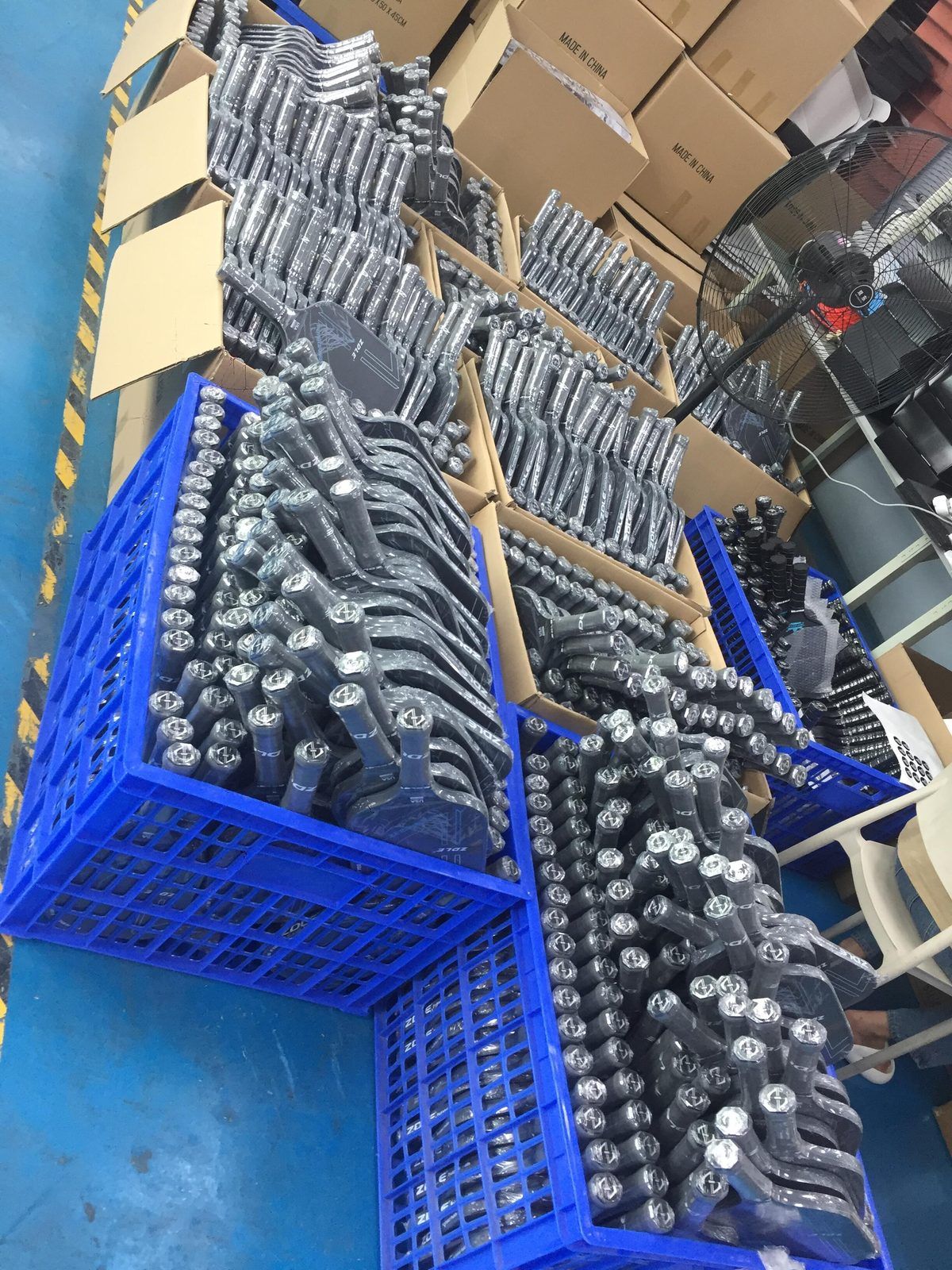
Because the core-crush failure mode is invisible from the outside, inspection is what separates a good thermoformed paddle from a warranty problem. Every carbon paddle order runs through the same checks before the balance is released:
- Core integrity: Samples are checked for crush and soft spots, since a crushed core reads as "extra power" but fails early.
- Edge bond: The unibody or injected perimeter is inspected for full fusion with no voids that start a crack.
- Face-to-core adhesion: Checked to head off the delamination that ends a thermoformed paddle's life.
- Weight and balance: Each paddle is weighed to the SKU spec so swing weight stays consistent across the batch.
- Surface compliance: Texture is verified against the USA Pickleball roughness limit when new.
Ask a thermoformed supplier how they prevent core crush. If the answer is vague, the power you're feeling in the sample may be a defect, not engineering — and it'll come back as a delamination claim.
Conclusion
Thermoformed paddles trade a glued edge for a fused unibody, buying more power, a bigger sweet spot, and an edge that won't peel — at the cost of higher price and a real core-crush risk if the process isn't controlled. Cold-pressed stays the safer, cheaper, more repairable choice for budget and fleet SKUs. The deciding factor isn't the label on the box; it's whether your supplier controls the core and can prove it. Spec thermoformed where the power justifies the price, cold-pressed where longevity and repair matter more.
If you're choosing a construction for a new paddle line, sample both and inspect the core, not just the feel. Our team builds carbon paddles to spec and can walk you through which construction fits each SKU in your range.
Frequently Asked Questions
Are thermoformed paddles better than cold-pressed?
Thermoformed paddles give more power, a bigger sweet spot, and a no-peel edge, but cost more and risk core crush if poorly made. Cold-pressed is cheaper, repairable, and proven. The better choice depends on the SKU's price tier and your supplier's core control.
What is core crush in a thermoformed paddle?
Core crush is when heat and pressure collapse part of the honeycomb core during molding. It adds a "trampoline" power boost at first, but the damaged core delaminates and goes dead early, sometimes within a year.
Why do cold-pressed paddles have edge-guard problems?
Their edge guard is a separate plastic strip glued to the rim, so ground and net impacts can lift it. Edge-guard peeling is the second most common cold-pressed repair, usually after 8–12 months of play. It is replaceable, though.
How much more power does a thermoformed paddle have?
Roughly 15–20% more, with drive exit speeds a few mph faster, because the fused unibody has no adhesive layer absorbing impact energy. Some of that gain can also come from an over-crushed core, so verify it's engineering, not a defect.
Should an entry-level paddle line be thermoformed?
Usually no. Cold-pressed costs less, is easier to repair, and is lower-risk on the core — a better fit for budget and rental SKUs. Save thermoformed for premium and power-oriented models where the price is justified.
Want to source this quality for your brand?
Contact our factory directly on WhatsApp for an instant MOQ and pricing quote.