Buying Pickleball Paddles in Bulk: 5 Channels Compared
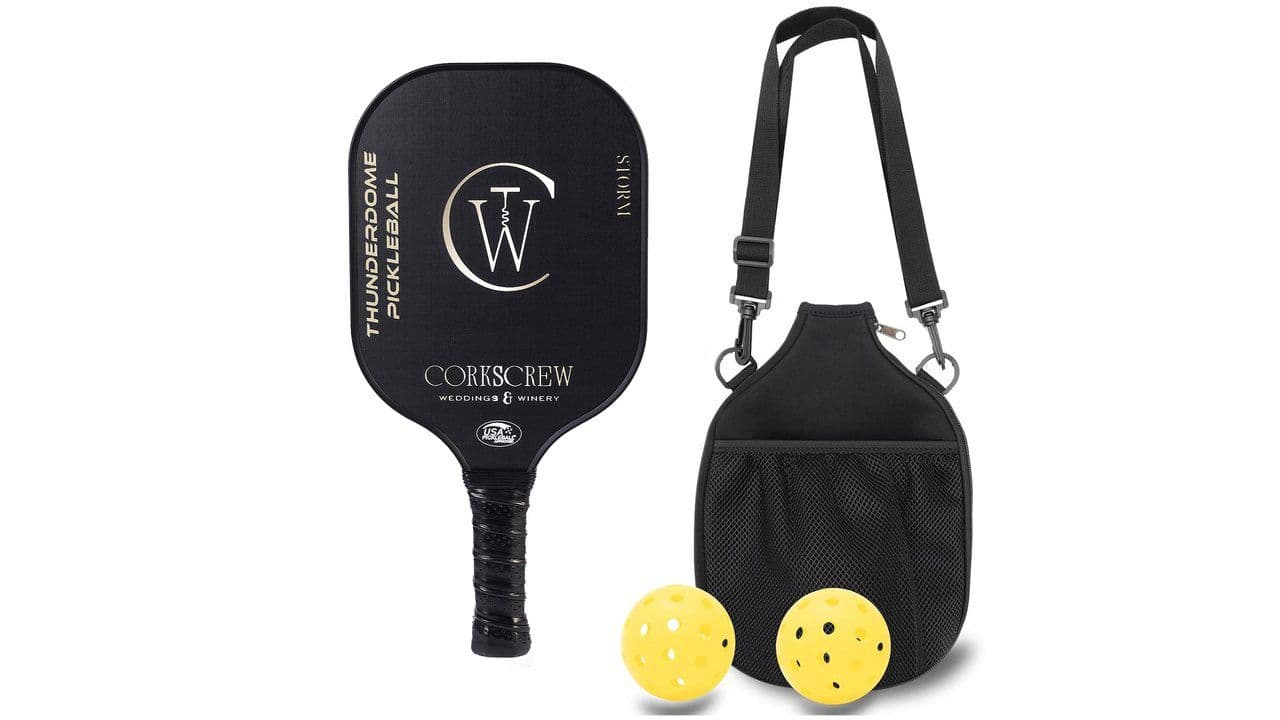
Buying pickleball paddles in bulk looks like one decision, but it is really five different purchases with five different price tags. The same 16mm thermoformed carbon paddle can land in your warehouse at roughly $22 a unit through one channel and $50 through another — and both numbers can be the right call, depending on whether you need 25 paddles next week or 500 paddles with your own logo on the face. Most bulk-buying advice skips this and jumps straight to "negotiate the MOQ." The channel decides your economics before the negotiation even starts.
This guide compares the five real ways to buy paddles in volume — brand dealer programs, US wholesale distributors, Faire-style marketplaces, Alibaba, and factory-direct private label — with the typical unit costs, minimums, and trade-offs of each. It ends with the margin math on a single worked example, so you can see what each route does to the same retail price.

Key Takeaways
- There are five bulk channels: brand dealer programs, US distributors, Faire-style marketplaces, Alibaba, and factory-direct OEM. Each has a different unit cost, minimum, and branding ceiling.
- Brand dealer programs start as low as 5 paddles and typically leave a 30–50% resale margin — the fastest start, the thinnest economics.
- Faire and similar marketplaces commonly offer net-60 payment terms and low minimums, which makes them working-capital friendly but unit-cost expensive.
- Alibaba unit prices look lowest, but half the "factories" on it are trading companies adding a margin — verification is the real cost.
- Factory-direct private label typically runs $8–$45 per unit depending on construction, needs a 50–500 unit commitment, and is the only channel where the brand on the paddle is yours.
- Rule of thumb: under 50 units, buy domestic; 50–200 units, marketplaces or dealer terms; 200+ units with a brand, go to the factory.
The five channels, compared
Every bulk paddle purchase runs through one of five doors. The table below is the whole decision at a glance; the rest of this guide walks through each door in detail. Prices are typical market ranges as of this year, not quotes — construction, volume, and freight move all of them.
| Channel | Typical unit cost | Realistic minimum | Whose brand |
|---|---|---|---|
| Brand dealer program | 50–70% of MSRP | As low as 5 paddles | Theirs |
| US wholesale distributor | ~50% of MSRP | Case quantities | Theirs |
| Faire / B2B marketplace | ~50% of MSRP + fees | Often 1 case, low $ minimums | Theirs |
| Alibaba / sourcing platform | $8–$45 FOB | 50–500 units | Yours or blank |
| Factory-direct OEM | $8–$45 FOB | 50–500 units | Yours |
Notice that the two cheapest rows carry the same price band. That is not a typo. Alibaba listings and true factory-direct quotes draw from the same production floors — the difference is whether a trading company sits between you and that floor, and whether anyone has verified the factory at all. The retailer's guide to wholesale paddle sourcing covers how to vet the supplier once you pick a door; this guide is about picking the door.
Brand dealer and reseller programs
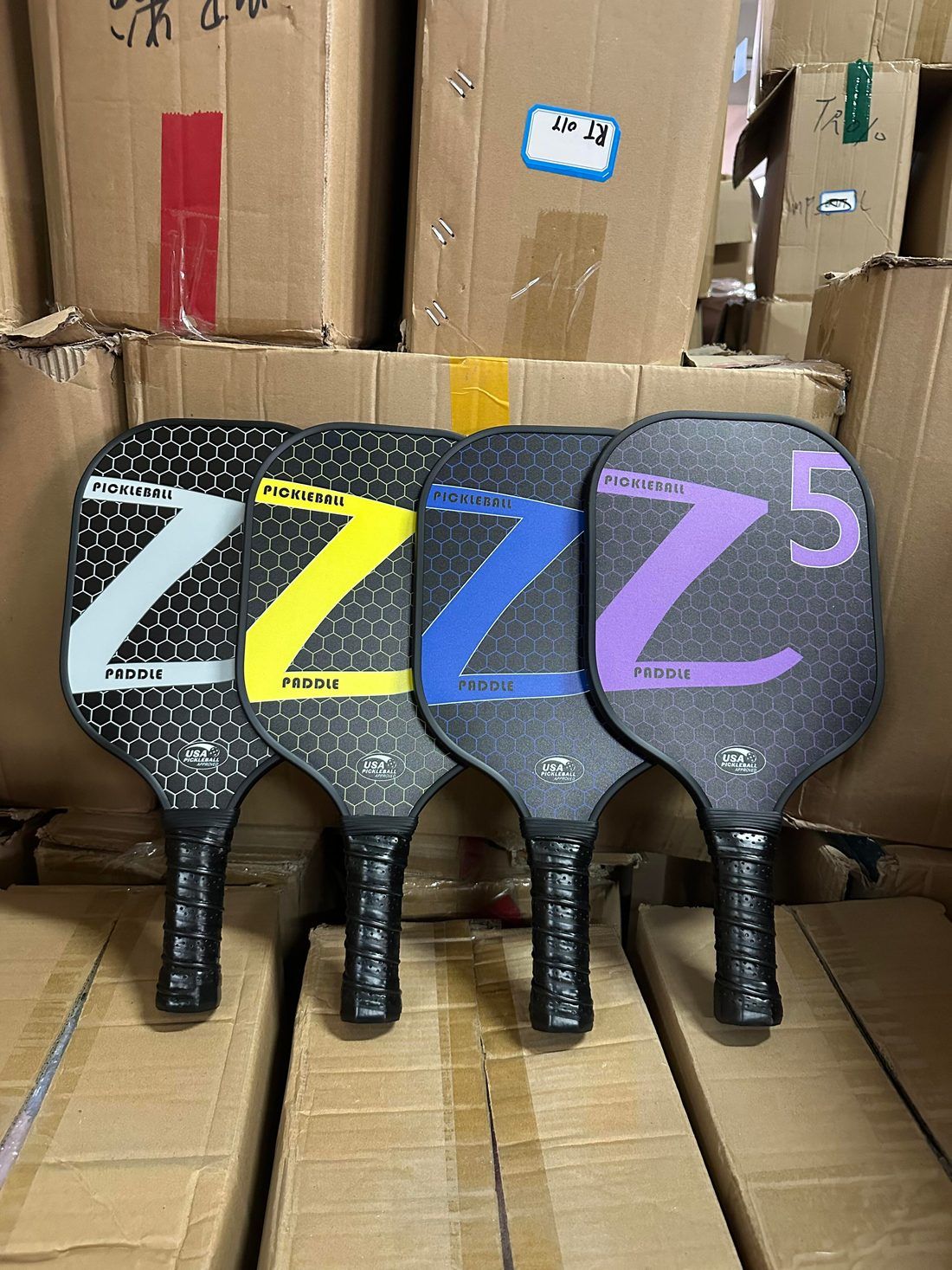
Most established paddle brands run dealer programs: you apply, they approve your shop, and you buy their paddles at a dealer discount to resell. Entry barriers are deliberately low — some programs accept first orders of as few as 5 paddles, with no upfront fee. Dealer margins in this category typically land between 30% and 50% of retail, and the brand usually supplies marketing assets, product training, and early access to new releases.
The trade-off is that you are renting someone else's brand equity. Dealer agreements commonly come with minimum advertised price (MAP) rules, so you cannot discount your way out of slow stock. And when the brand refreshes its lineup, your shelf inventory ages on their schedule, not yours. A pro shop that needs recognizable names at the counter accepts this happily. A buyer trying to build a margin structure that survives paid advertising usually cannot.
Verdict: the right first channel for a pro shop or club store that needs known brands fast — and the wrong long-term channel for anyone whose ad costs eat a 40% margin.
US wholesale distributors
Distributors aggregate many brands under one account: one order, one freight bill, thirty brands on the pallet. The biggest players in pickleball carry 30+ manufacturers and thousands of SKUs, which makes them the restock backbone for retailers who cannot manage a dozen separate dealer accounts. Pricing usually sits near 50% of MSRP, with domestic shipping measured in days rather than the 30–45 days an ocean shipment takes.
Speed is the whole value proposition, and it is worth real money in April. Pickleball retail is seasonal — a spring stockout costs you the exact weeks when courts fill up. Distributors solve that. What they do not solve is differentiation: every competitor in your zip code can buy the same catalog. If your plan is to compete on anything other than location and service, the distributor channel is your safety stock, not your strategy.
Verdict: use a distributor for fast replenishment and brand breadth. Just accept that nothing on the pallet is exclusive to you.
Faire and B2B marketplaces
Faire and similar wholesale marketplaces (Abound, Handshake before it closed) changed one thing that matters enormously to a small retailer: payment terms. Qualified buyers commonly get net-60 terms — sell the paddles before you pay for them — plus low or no minimums and free returns on a first order with a new brand. For a boutique testing whether pickleball belongs on its shelves at all, that risk profile is hard to beat. You can find dozens of paddle brands listed on Faire with case-level minimums.
You pay for that flexibility in the unit price. Marketplace wholesale prices bake in the platform's commission, so the same brand often costs a few points more than its direct dealer program. The catalog also skews lifestyle: paddle brands built for design-forward boutiques, not tournament spec sheets. If your customer asks about a paddle's core thickness before its colorway, this is not where your inventory should come from.
Verdict: the lowest-risk way to test pickleball as a category — net-60 terms and returnable first orders — at the highest per-unit price of the five channels.
Alibaba and sourcing platforms
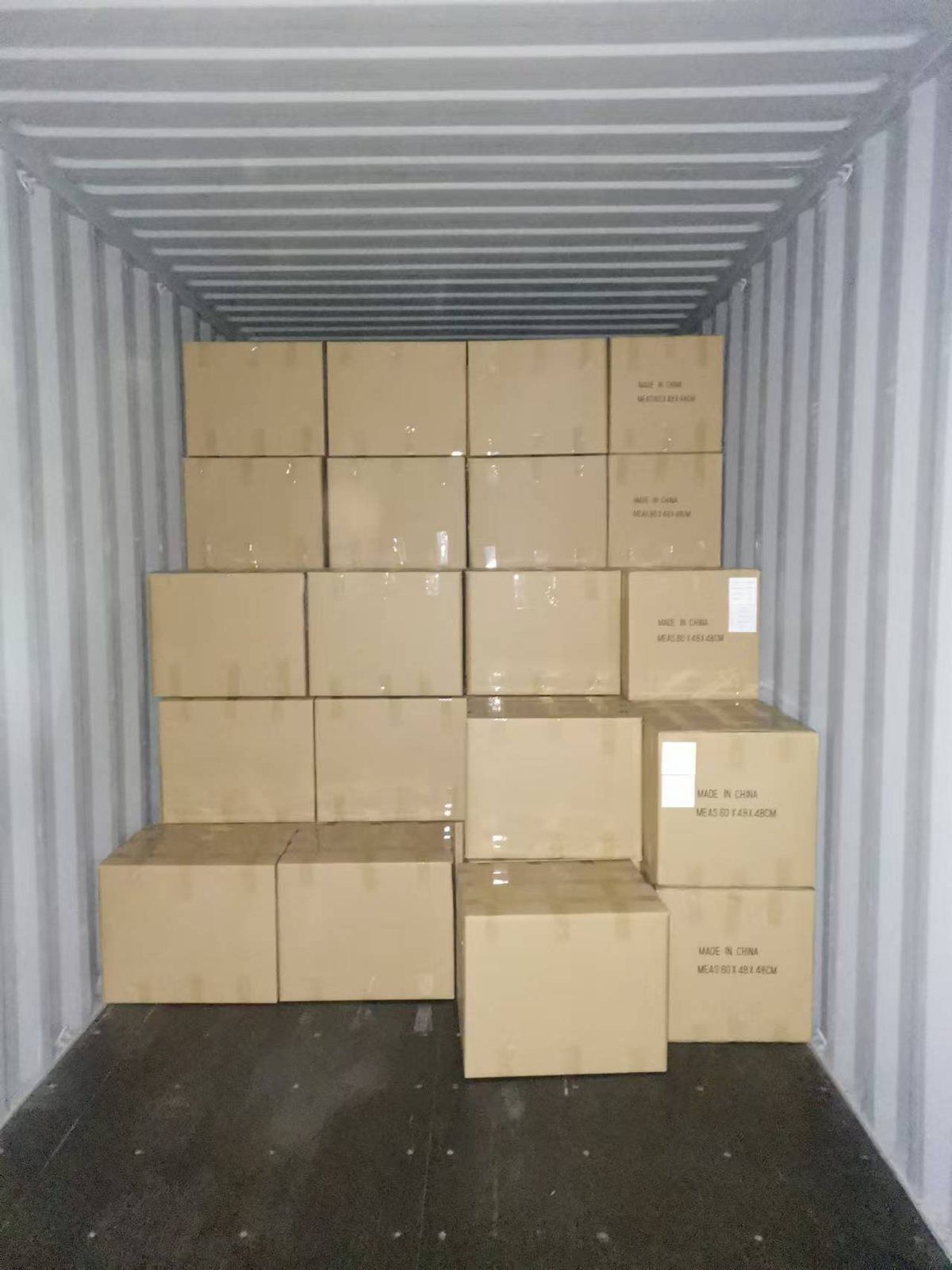
Alibaba is where the unit prices that make importers lean forward live: fiberglass paddles from around $8, raw T700 carbon faces in the $18–$30 band, thermoformed builds topping out near $45. Those numbers are real. The catch is structural — a large share of "manufacturer" storefronts on sourcing platforms are trading companies reselling a factory's output with a markup and, worse, without control over what the factory actually laminates into your order. The gap between a listing photo and the delivered paddle is the single most common complaint from first-time importers, and it is why r/Pickleball keeps asking whether $40 Alibaba paddles are the same as $200 brand paddles.
Worked properly, the channel is workable: order paid samples from 3 suppliers, compare them against a spec sheet, use Trade Assurance so payment releases against documented milestones, and assume the first quoted MOQ is an opening position. Budget 4–8 weeks and a few hundred dollars for that filtering process. If a supplier quotes 30% below every other quote you hold, that is not a bargain — that is a thinner core, a lower-grade face, or a company that will not exist at reorder time.
Verdict: the lowest sticker price with the highest verification burden. Sensible for experienced importers; expensive tuition for buyers who skip the sampling step.
Factory-direct private label
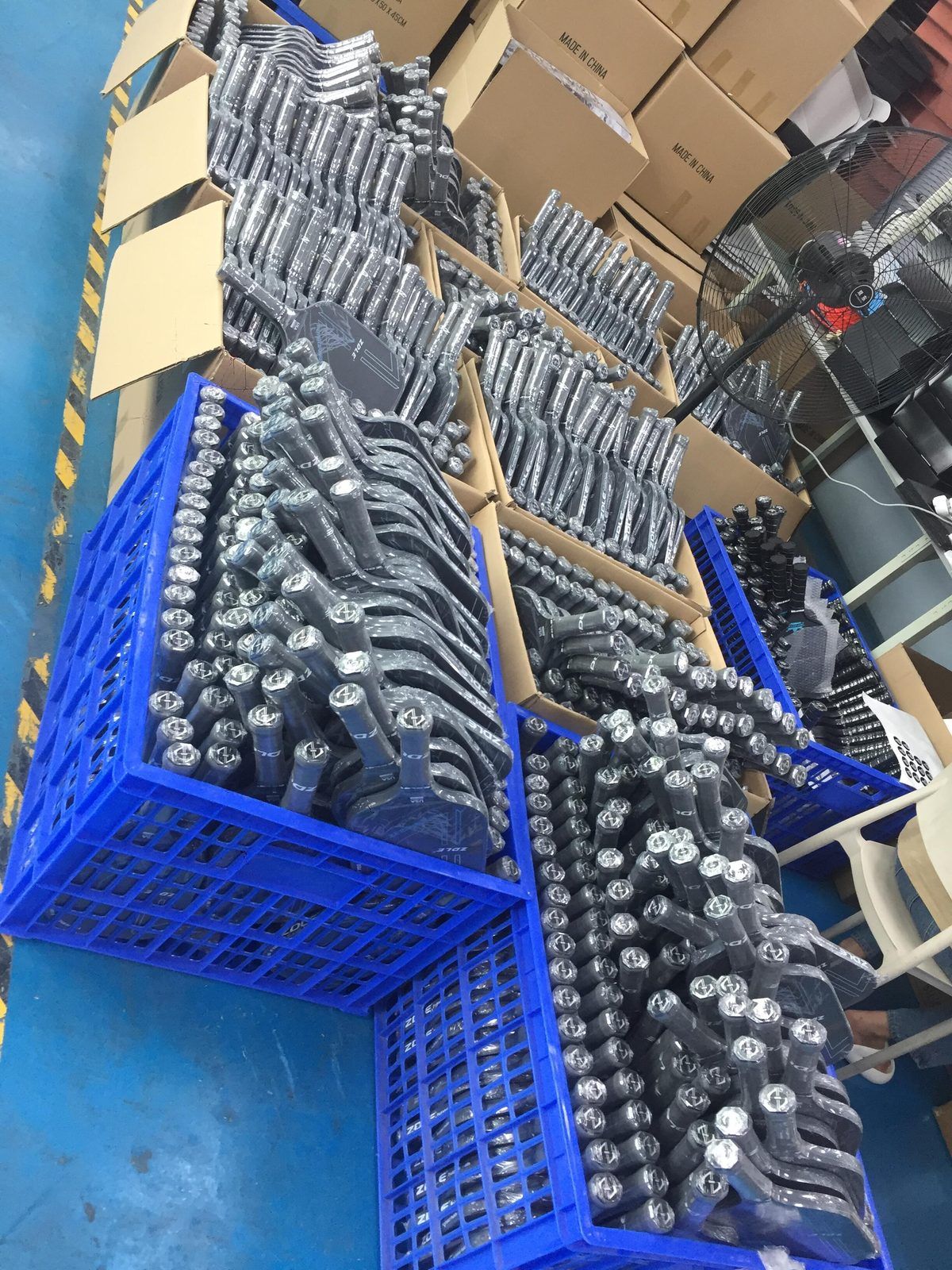
Factory-direct means the entity quoting you owns the presses. Same price band as Alibaba — because it is the same production floor, minus the trading-company layer — but the relationship is different in kind: you approve a physical sample before production, your logo goes on the face, and the spec sheet you signed is what the AQL inspector checks against before the balance payment releases. The typical flow runs spec sheet → paid sample → golden-sample sign-off → production → pre-shipment inspection, and a first order realistically takes 60–90 days door to door. Our OEM and private-label program starts at lower minimums than the industry's usual 500-unit ask, which is what makes the channel reachable for first-time brands and not just established importers.
The honest downside is commitment. A factory run is not returnable the way a Faire order is; if your design misses the market, you own every unit. That is why the sane sequence for a new brand is small: a sample round, then a pilot batch, then volume — locking quality gates at each step, as covered in the golden-sample approval workflow. Skipping steps to save three weeks is how buyers end up photographing delaminated faces for a warranty claim thread.
Verdict: the only channel where the margin structure and the brand belong to you. Worth it from roughly 200 units up — below that, the fixed costs of doing it right outweigh the unit savings.
The margin math: one paddle, five landed costs
Here is the whole guide compressed into one worked example. Take a 16mm thermoformed carbon paddle that retails at $99.99 — a normal mid-premium price point this year. The table shows what that same class of paddle typically costs to put on your shelf through each channel, and what gross margin survives. Freight, duty, and inspection are folded into the factory and Alibaba rows; the domestic rows carry only inbound shipping.
| Channel | Typical landed cost | Gross margin at $99.99 |
|---|---|---|
| Brand dealer program | $50–$65 | 35–50% |
| US distributor | ~$50 + freight | ~45–48% |
| Faire / marketplace | $50–$60 | 40–50%, net-60 terms |
| Alibaba (verified well) | $28–$40 | 60–72% |
| Factory-direct OEM | $26–$38 | 62–74% |
Two things jump out of that table. First, the domestic channels cluster: whichever US door you walk through, roughly half the retail price stays with you. That margin funds a physical shop; it rarely survives paid customer acquisition online, where a 45% gross margin can turn negative after a $25 cost-per-acquisition. Second, the import rows double the margin but add cost lines the table hides in "landed": ocean freight per unit, tariffs that shift with trade policy, and an inspection fee. On US-bound orders, Section 301 tariffs remain the swing variable — the current tariff treatment of pickleball paddles can move landed cost by several dollars a unit, so run that math before you commit, and confirm the current rate with your customs broker.
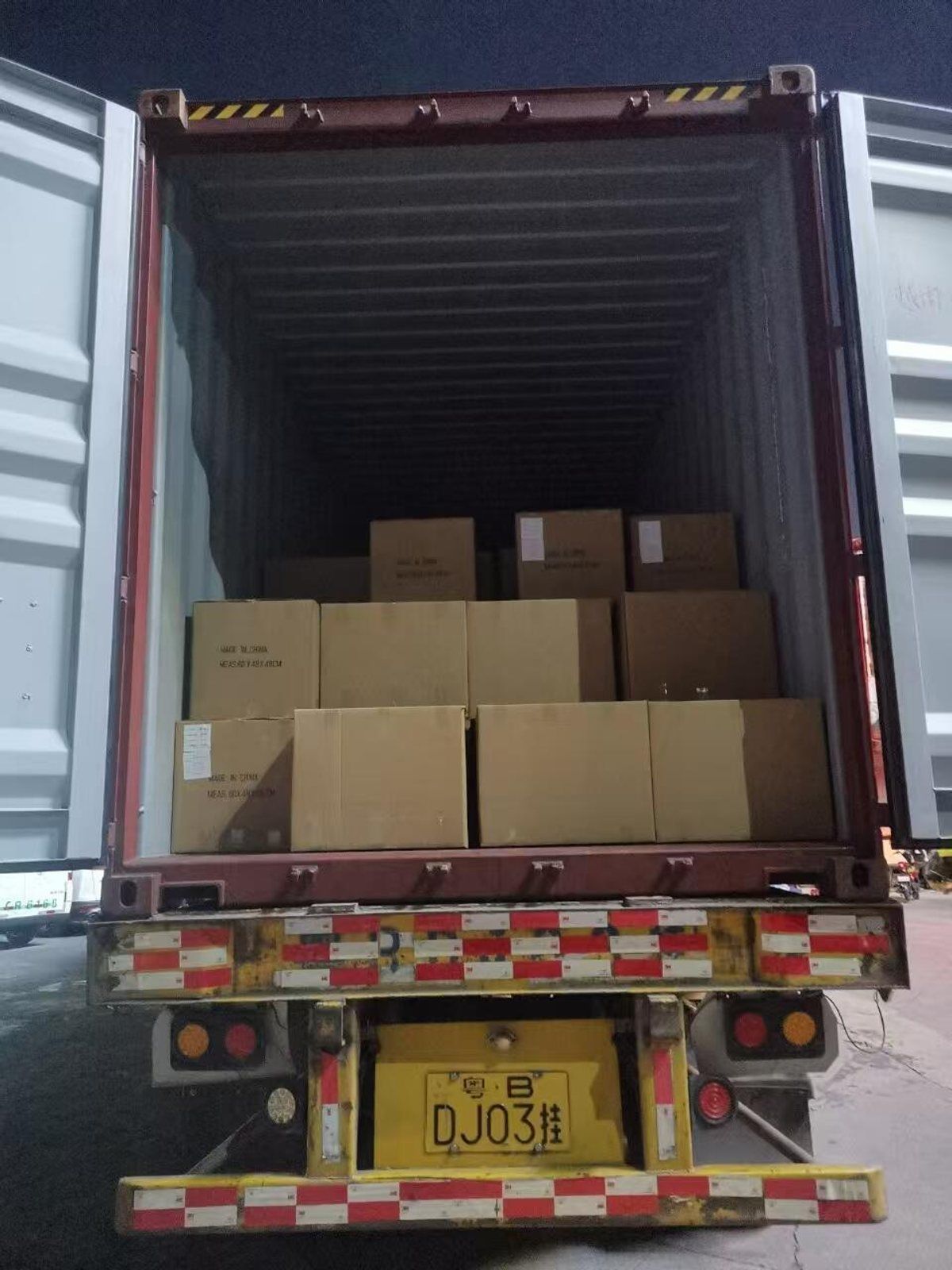
A realistic scenario, end to end. A club-shop owner in Texas wants 300 paddles for a house brand at $99.99 retail. She samples from two factories in March ($150 in samples and courier fees), signs off a golden sample in April, pays a 30% deposit on a $9,600 order, and books a pre-shipment AQL inspection ($300). Production plus ocean freight lands the goods in late June — landed cost about $36 a unit all-in, a 64% gross margin, and roughly $19,000 more gross profit on the 300 units than the same paddles bought at dealer pricing. The cost was 90 days of lead time and the working capital to fund it. That is the entire channel decision in one paragraph: margin against patience.
Which channel fits which buyer
Match the channel to your volume, your brand ambitions, and your tolerance for lead time — not to the lowest number on a screen. This is where most bulk buyers over- or under-shoot: a 30-paddle buyer chasing factory pricing, or a 500-paddle brand paying marketplace premiums.
| You are | Best channel | Avoid |
|---|---|---|
| Pro shop / club store, under 50 units | Dealer programs + a distributor account | Importing — fixed costs eat the savings |
| Boutique testing the category | Faire-style marketplace, net-60 | Any channel with a 100+ unit commitment |
| Club or facility fleet buyer | Distributor now; factory-direct at 200+ units | Retail multipacks — wrong durability tier |
| Amazon / e-commerce seller | Factory-direct private label | Dealer programs — MAP rules + thin margin |
| Brand launcher, 200–500+ units | Factory-direct OEM | Trading companies posing as factories |
One more filter that catches most mistakes: if the paddle will carry someone else's logo, stay domestic under 100 units. If it will carry yours, the import channels are the only ones that work at all — and then the real question becomes minimums, which is exactly what custom paddle MOQs actually look like from the factory side.
Conclusion
The five channels are not competitors; they are stages. Most buyers who end up importing 500-unit factory runs started with a distributor account and a Faire order, learned what actually sells, and moved upstream only when the volume justified the lead time. The channel that fits you is the one whose worst-case scenario you can absorb this quarter.
If you already know your volume and spec, compare a direct factory quote against your current channel's landed cost — the gap, times your annual units, is the number that decides whether the switch is worth 90 days of patience.
Frequently Asked Questions
How many paddles do I need to buy for wholesale pricing?
It depends on the channel: brand dealer programs start around 5–25 paddles, marketplaces at case quantities, and factory-direct private label typically at 50–500 units. Real per-unit price breaks usually begin near 100 units.
What do wholesale pickleball paddles cost per unit?
Factory-level pricing typically runs $8–$15 for fiberglass, $18–$30 for raw carbon, and $30–$45 for thermoformed builds. Domestic wholesale through dealers or distributors runs 50–70% of MSRP instead.
Is Alibaba or factory-direct cheaper for bulk paddles?
The price bands overlap because both draw from the same factories. Factory-direct removes the trading-company markup and gives you sample approval and inspection rights, so at equal quotes the direct relationship is worth more.
How long does a bulk paddle order take to arrive?
Domestic distributor orders ship in days. A factory-direct order takes 60–90 days for a first run — sampling, production, inspection, and ocean freight — and 30–45 days on reorders where the spec is already locked.
Can I put my own logo on wholesale paddles?
Only through the import channels. Dealer programs and distributors sell existing brands as-is. Factory-direct private label prints your logo and graphics on the paddle face, usually from around 50–100 units per design.
Want to source this quality for your brand?
Contact our factory directly on WhatsApp for an instant MOQ and pricing quote.