Custom Pickleball Paddle Production Timeline: Spec to Shipment
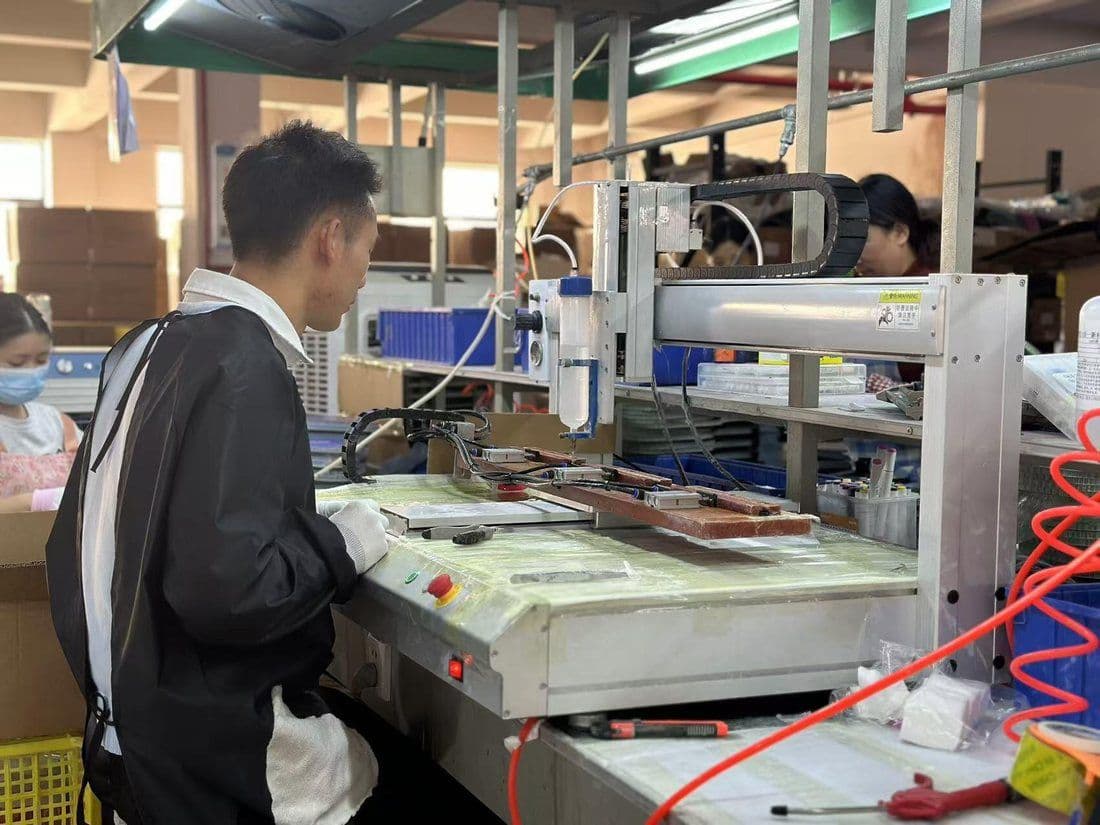
"How long until my paddles ship?" is the first question every brand asks and the one most factories answer dishonestly. The quoted number is usually just the production slot — it quietly leaves out sampling rounds, approval loops, packaging proofs, and the inspection window, which is how a "30-day" order turns into a 90-day wait and a missed launch date. If you're planning a product launch, a trade show, or a seasonal buy, you need the whole clock, not the flattering part of it.
This is the real timeline of a custom paddle order, stage by stage, with the durations that are actually normal, the stages buyers consistently underestimate, and the specific moves that compress the calendar without gambling on quality. The short version: a first custom order realistically runs 8–12 weeks door to door, and most of the variance is in the stages before production even starts.

Key Takeaways
- A realistic first custom paddle order runs 8–12 weeks door to door: spec + quote (1–2 wks), sampling and approval (2–4 wks), production (3–5 wks), inspection + freight (1–4 wks depending on mode).
- Sampling is the stage buyers underestimate most — each design revision adds a full 7–14 day loop. Three sloppy revisions cost more calendar time than production itself.
- The factory's quoted "lead time" usually means production only. Always ask for the full clock: sample, approval, production, inspection, and freight as separate line items.
- Repeat orders skip sampling and tooling, dropping to 4–6 weeks — locking a golden sample is what unlocks that speed.
- The biggest schedule killers are avoidable: incomplete spec sheets, slow logo-file handoffs, packaging proofs left to the end, and paying the deposit late.
- Sea freight adds 25–40 days, air adds 5–10. Decide the mode before production starts, not after — it changes the whole launch plan.
The full timeline at a glance
Here's the whole clock for a first-time custom order. Repeat orders cut the first two stages almost entirely — which is why the second order always feels easy and the first one always feels slow.
| Stage | Typical duration | What can stretch it |
|---|---|---|
| 1. Spec sheet + quote | 3–10 days | Vague specs, back-and-forth on materials |
| 2. Sampling + revisions | 2–4 weeks | Each revision = +7–14 days; slow feedback |
| 3. Golden sample sign-off + deposit | 2–5 days | Late payment delays the production slot |
| 4. Materials + production | 3–5 weeks | Carbon supply, peak season, order size |
| 5. Pre-shipment inspection | 3–7 days | Booking a third-party slot; failed lots |
| 6. Freight | Air 5–10 days / sea 25–40 days | Port congestion, customs, peak season |
Add it up honestly: 8–12 weeks for a first order shipped by sea. A factory quoting "30 days" isn't lying — it's answering a narrower question than the one you asked. Stage 4 alone is 30 days. Your launch date depends on all six.
Stage 1–2: spec and samples — where launches are won or lost
The pre-production stages feel like paperwork, so buyers rush them. That's backwards. A complete spec sheet — shape, core thickness, face material, surface finish, weight window, grip, edge guard, logo files in vector format, packaging requirements — lets the factory quote accurately in days and build the first sample right. A vague one guarantees a revision loop, and every loop is a sample built, shipped internationally, reviewed, and rebuilt: 7–14 days each, minimum. Use a proper custom paddle spec checklist before you brief anyone, and the first sample lands close enough to approve or fix in one pass.
The sample stage ends with a signed golden sample — the physical reference unit that production will be judged against. Don't skip the formality: the golden-sample workflow is what makes "the batch doesn't match the sample" an enforceable claim instead of an argument. It's also the asset that makes every repeat order fast, because next time production starts from the approved reference with zero sampling.
Stage 3–4: deposit, materials, and the production run
Production doesn't start when the sample is approved — it starts when the deposit clears and the factory books your slot on the line. A late deposit quietly pushes the slot back, and in peak season (roughly August through November, ahead of the Western retail cycle) a lost slot can cost two weeks. If your order is time-sensitive, treat the payment date as a production milestone, not an accounting detail. The structure of that payment — deposit and balance — has its own risks worth understanding; see how OEM payment terms actually work.
The run itself is the most predictable stage: for a typical first order (200–1,000 paddles), 3–5 weeks covers material prep, pressing, curing, edge and grip assembly, branding, and packing. Two things move it. Order size matters less than buyers expect — a 500-unit and a 1,000-unit order often land in the same window because setup dominates. Material availability matters more: specific carbon weaves or a custom-colored edge guard can add a sourcing week before pressing even begins. Ask the factory to confirm materials are in stock when you pay, not when you follow up three weeks later. If you're still sizing that first order, the MOQ trade-offs are worth reading before you commit.
Ask one question when you pay the deposit: "Are all materials for my order in stock today?" A yes puts you 3–5 weeks out. A vague answer means the clock hasn't actually started.
Stage 5–6: inspection and freight — the tail that wags the launch
Inspection is a few days that protects the whole order: a third-party or self-run pre-shipment AQL inspection happens while the goods are still at the factory and you still hold the balance payment. Book the inspection slot a week ahead — SGS/QIMA calendars fill up, and waiting for an inspector is the most avoidable delay on the list. If the lot fails, you'll be glad the failure surfaced before the container was sealed; that's the whole point.
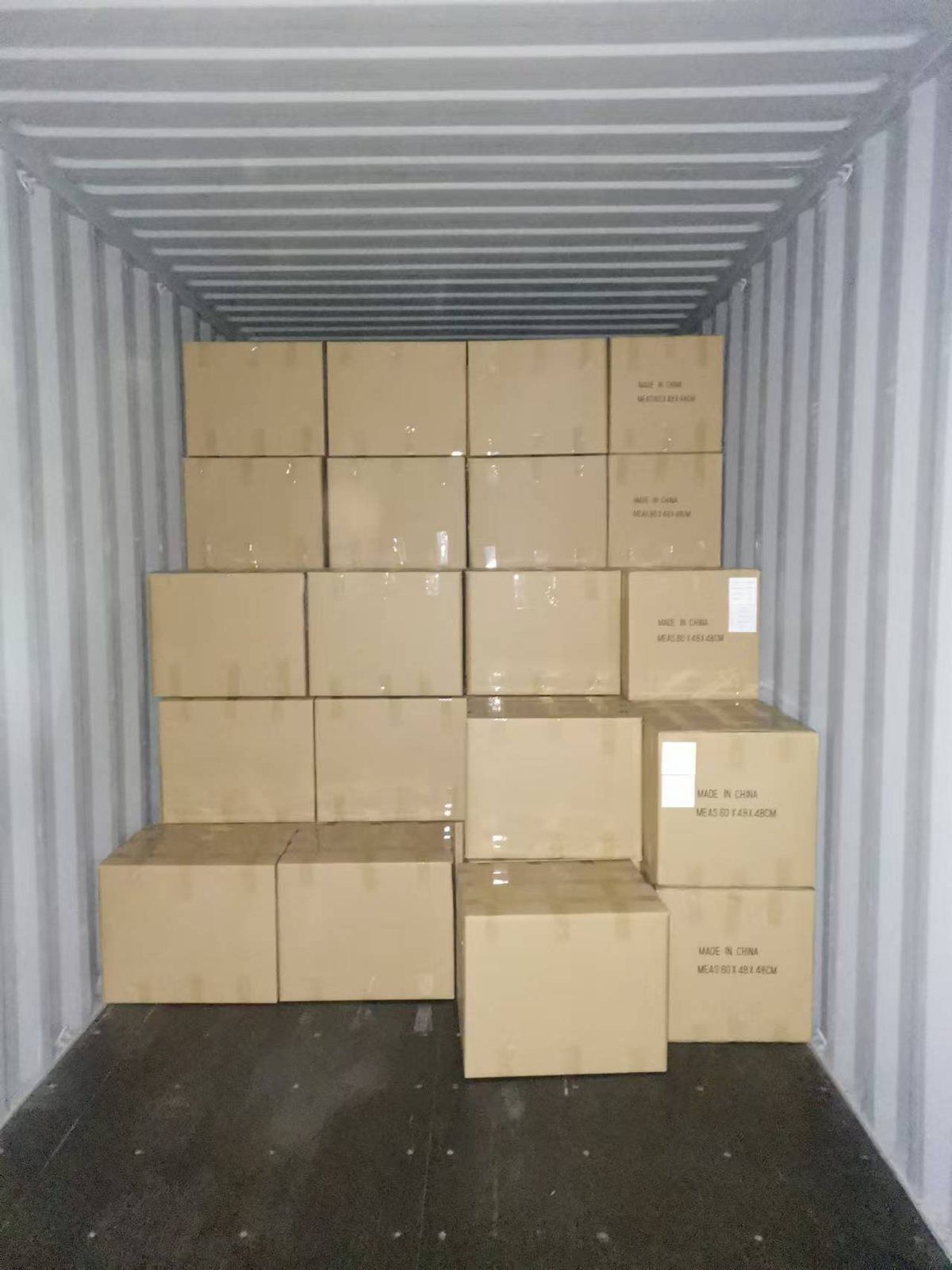
Then freight decides the last stretch: air lands in 5–10 days and sea in 25–40 depending on the lane, customs, and season. The mistake isn't picking sea — it's picking sea after planning the launch around air-like timing. Decide the mode before production starts and back-plan the whole calendar from your on-shelf date. The full cost-versus-speed math is in our air vs sea freight breakdown, but the timeline rule is simple: sea freight means your paddles ship a month before you need them.
How to compress the timeline without cutting corners
You can't skip stages, but you can run them tighter. These are the moves that reliably save weeks:
- Send a complete spec + vector logo files on day one. Half of all sampling delays are the factory waiting for artwork or a missing dimension. This alone can save two weeks.
- Consolidate revision feedback. Review the sample once, with everyone who has an opinion, and send one consolidated change list. Three separate "one more thing" emails = three sample loops.
- Approve packaging in parallel, not after. Box and insert proofs can run during production. Leaving them to the end adds a week at the worst possible time.
- Pay the deposit the day you approve the sample. The production slot is booked on payment, not on approval.
- Book the inspection while production is running, not when it finishes.
- For a hard launch date, split the shipment: a small air batch for launch stock, the volume by sea. It costs more per unit on the air slice but protects the date.
Repeat orders: the 4–6 week rhythm
Everything above describes the first order. From the second order on, the calendar changes shape: the spec is locked, the golden sample sits on a shelf at the factory, artwork and packaging are on file, and tooling exists. A repeat order is effectively deposit → production (3–5 weeks) → inspection → freight, which lands most reorders in a 4–6 week rhythm by sea-adjacent planning, faster by air.
That rhythm is the real answer to inventory planning: once the first order is through, you can restock on a predictable cycle and time reorders against your sell-through rate instead of guessing. It's also why changing factories mid-line is expensive in time even when the unit price looks better — you restart the sampling clock and rebuild the golden sample from zero.
What we commit to on every order
Because we run production in-house, the timeline is something we put in writing rather than something we hope for. On each custom paddle order we confirm:
- A stage-by-stage schedule at quote time — sampling, production, inspection, and freight as separate dated commitments, not one blended "lead time."
- Material stock confirmed at deposit — so the production clock starts the day you pay, not after a hidden sourcing week.
- A first sample in 7–10 days for standard carbon builds, with revision loops quoted honestly at 7–14 days each.
- Third-party inspection access — SGS/QIMA welcome on site before the balance payment.
- Weekly production photo updates so a slipping schedule is visible in week one, not week five.
Ask any factory for the same schedule in writing. A supplier who will only commit to a single blended number is telling you which stages they plan to be flexible with — at your expense.
Conclusion
A custom paddle order is a six-stage clock, and only one of those stages is the "lead time" most factories quote. Plan a first order at 8–12 weeks door to door, know that sampling discipline and deposit timing are the levers you control, and lock a golden sample so every order after runs on the 4–6 week rhythm. The buyers who hit their launch dates aren't the ones with the fastest factory — they're the ones who planned against the whole calendar and put every stage in writing.
If a date matters, work backwards from it: on-shelf date minus freight, minus inspection, minus production, minus sampling. Whatever lands on today's date is your real deadline for sending a complete spec sheet — and it's almost always sooner than it feels.
Frequently Asked Questions
How long does a custom pickleball paddle order take from start to delivery?
A realistic first order runs 8–12 weeks: spec and quote (3–10 days), sampling and approval (2–4 weeks), production (3–5 weeks), inspection (3–7 days), and freight (5–10 days by air, 25–40 by sea). Repeat orders drop to roughly 4–6 weeks because sampling and tooling are already done.
Why do factory lead-time quotes differ from the real timeline?
Most quoted "lead times" cover production only — typically 3–5 weeks — and exclude sampling, approval loops, inspection, and freight. Ask for each stage as a separate dated commitment to see the full clock before you plan a launch around the number.
How long does pickleball paddle sampling take?
A first sample typically takes 7–10 days to build plus international shipping, and each design revision adds another 7–14 day loop. Sending a complete spec sheet with vector logo files up front, and consolidating all feedback into one revision, is the fastest way through this stage.
What is the fastest way to get custom paddles for a launch date?
Back-plan from the on-shelf date, send a complete spec on day one, approve packaging in parallel with production, and split the shipment — a small air batch to cover the launch, with the volume following by sea. The air slice costs more per unit but protects the date.
Do larger orders take longer to produce?
Less than most buyers expect. Setup dominates the schedule, so a 500-unit and a 1,000-unit order often land in the same 3–5 week window. Material availability and seasonal factory load move the timeline more than quantity does.
Want to source this quality for your brand?
Contact our factory directly on WhatsApp for an instant MOQ and pricing quote.