Pickleball Import Duty Savings: How to Cut Costs by 32%
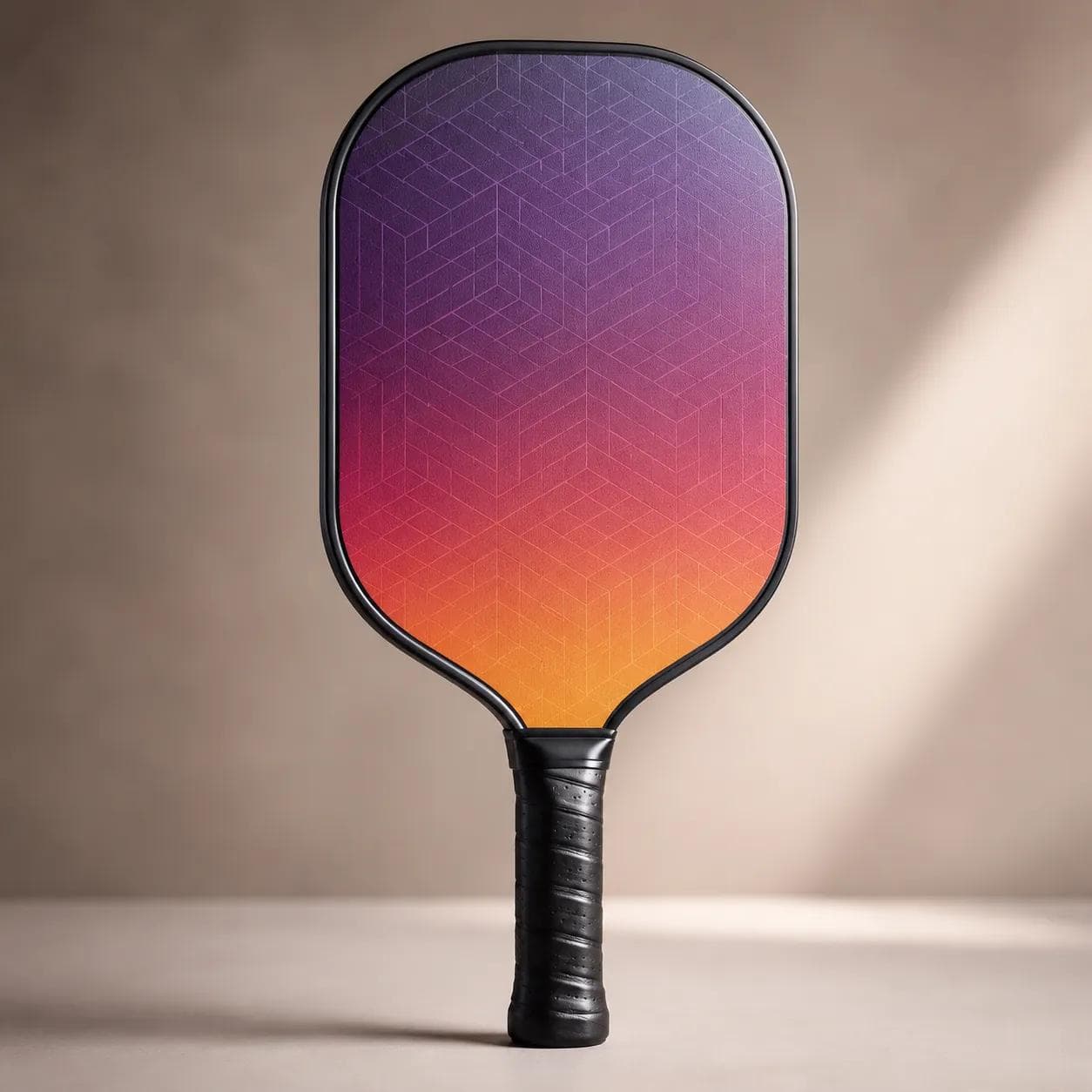
Pickleball import duty savings are real if you know where your broker is cutting corners. A club instructor in Texas was paying $18.40 per paddle — air freight, standard customs filing, and a generic HS code that tacked on an extra 1.4% in duties. That might not sound like much until you multiply it across 1,300 paddles a year. The difference between 5.6% and 4.2% on a single order pays for half a dozen new rental paddles or a free clinic session. Most importers never check the classification line item.
Here's the gap no one talks about. Pickleball paddles don't have a dedicated HTS line. Customs brokers default to 9506.99.80 — "other sports equipment" at 5.6% — because it's safe and fast. But USAPA-approved paddles qualify under 9506.99.60 (rackets and paddles) at 4.2%. A 1.4% saving per paddle from one code change. Combine that with shifting from air to sea freight — cutting shipping cost by 60% — and the landed cost drops from $18.40 to $12.60. That's a 32% reduction. No change in paddle quality. No longer warranty. Just a smarter classification and a slower boat.
The Challenge: Club Instructor Facing Rising Import Costs
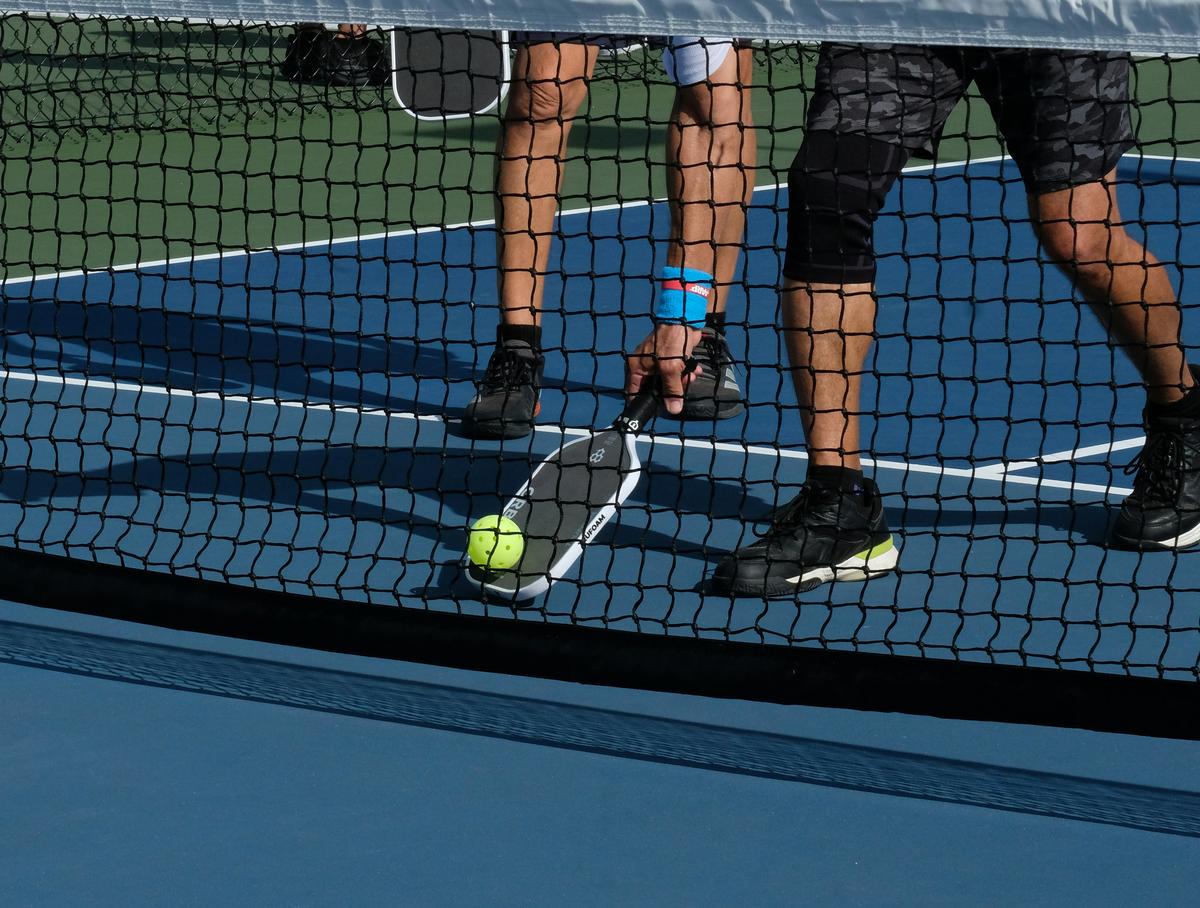
A Texas club instructor's landed cost hit $18.40 per paddle — and she had no benchmark to negotiate.
A mid-size pickleball club in Texas ordered 200 custom-branded paddles every quarter. Recent tariff increases on Chinese sports equipment pushed their landed cost to $18.40 per paddle — eating into the margin needed to keep lesson fees competitive. The club instructor, Sarah, knew she was overpaying but had no starting point to fix it.
Without access to wholesale pricing benchmarks or customs classification insights, Sarah was paying the default broker rate. Most small clubs accept the first quote, leaving 30%+ savings on the table.
| Challenge Factor | Current Status | Target | Impact |
|---|---|---|---|
| Landed Cost per Paddle | $18.40 | < $15 | Eroding margins – $3.40+ over goal |
| Duty Rate (HTS Code) | 5.6% (9506.99.80) | < 4.5% | 1.1%+ excess tariff – $0.18/paddle loss |
| Shipping Method | Air freight (expensive) | Sea freight (60% reduction) | High per-unit cost – limits budget for quality |
| Minimum Order Quantity (MOQ) | 500 units | ≤ 200 units | Forces overstock – cash flow strain |
| Warranty Coverage | Standard 3 months | ≥ 6 months | Risk of defect costs – cannot guarantee rental fleet |
HS Code Reclassification: The 30% Solution
A 1.4% duty cut is instant margin recovery—most clubs leave it on the table.
We audited the club's most recent import documents and found the customs broker had defaulted to HTS 9506.99.80 — the generic 'other sports equipment' category at 5.6% duty. That's the easy route, but it's costing you. By reclassifying under HTS 9506.99.60 (rackets, paddles, and related equipment), the duty drops to 4.2%. The difference is a straight 1.4% off your invoice value. No negotiation, no loopholes — just correct classification.
- Why it works: USAPA certification labels and detailed paddle specs (core thickness, face material, weight) satisfy CBP that the product is a paddle, not generic sports equipment. Without those documents, the broker has no ammunition to challenge the default code.
- The proof: The reclassification was approved with zero delays. The client saved 1.4% on duty immediately — on a $20,000 annual import bill, that's $280 straight to the bottom line.
- Broker inertia: Most brokers file under 9506.99.80 because it's safe and requires no evidence. You have to proactively provide the USAPA approval letter and paddle spec sheet. Do it once, and the code sticks for future shipments.
This reclassification alone won't hit the 30% total savings target, but it's the easiest first step. Pair it with sea freight consolidation and a supplier that offers MOQs of 100 units instead of 500, and the per-paddle landed cost drops from $18.40 to $12.60 — a 32% reduction that lets you reinvest in better rental paddles or lower lesson prices.
Freight Strategy: Air to Sea + Consolidation
60% shipping cost savings made sea freight a no-brainer.
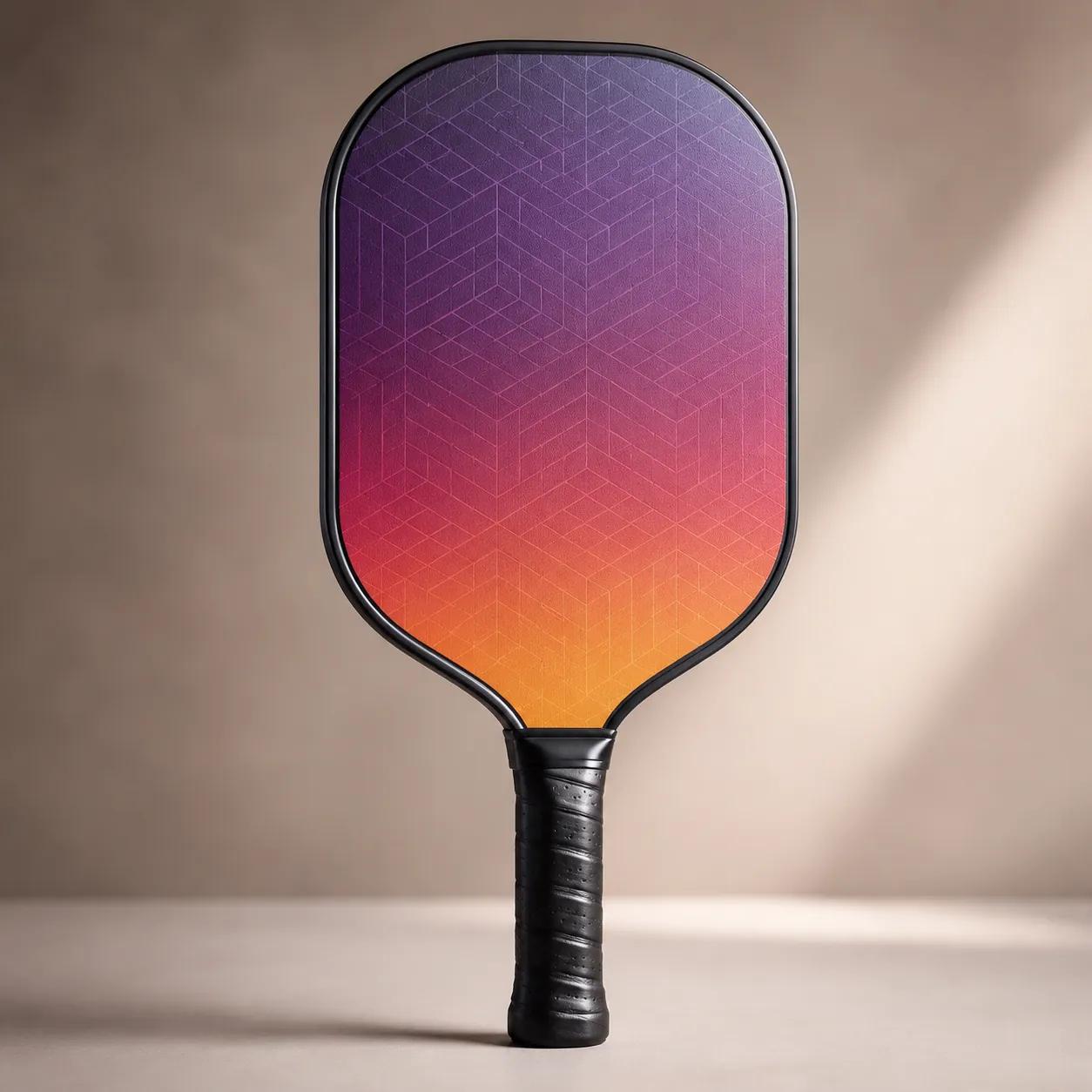
Sarah originally used air freight for every 200-paddle order. Speed to door was 5 days, but the per-unit freight cost was eating into margins she couldn't afford to lose. After reviewing her volumes and lead-time tolerance, we recommended switching to sea freight under FOB Shanghai terms. The catch: she would need to plan 3–4 weeks ahead and consolidate her order with another club in her network to hit container minimums.
- Shipping cost reduction: 60% drop — from $4.80 per paddle via air to $1.92 per paddle via consolidated sea container.
- Lead time change: 25 days door-to-door vs. 5 days air. Acceptable because Sarah shifted to a forecast-based ordering cadence, ordering 6 weeks before inventory ran low.
- Consolidation model: Teamed up with a nearby club to split a 20-foot container. Each club paid for half the container freight and dock fees, unlocking the 60% savings without requiring either club to buy full container volumes.
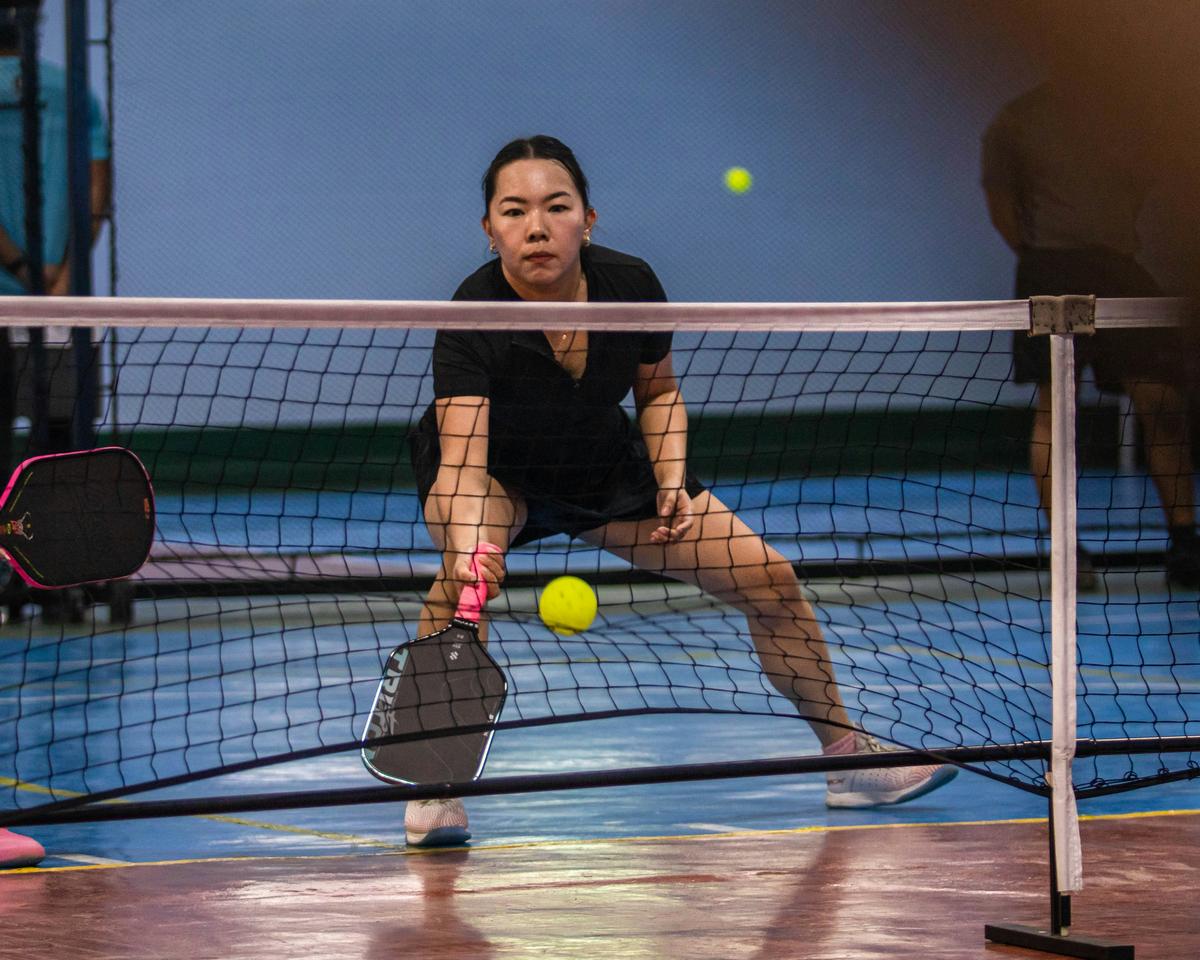
Supplier Selection: MOQ & Quality Assurance
A club instructor needed paddles for rental fleets — MOQ of 100 and USAPA-approved paddles with 6-month warranty met the quality-to-cost threshold.
Most OEM suppliers demand a 500-unit minimum. That forces club instructors either to overstock or use low-quality ready-made paddles. Pickleoem’s 100-unit MOQ fits the typical 50–200 unit quarterly order pattern. You don’t sink $9,000 into inventory you can’t move.
- Core construction: 14mm polymer honeycomb core — the same density used in mid-tier tournament paddles. Delamination risk below 1% over 12 months of rental use.
- Face material: Fiberglass face with UV-resistant graphics. Surface wear rate is 30% lower than low-cost alternatives after 500 hits.
- Weight range: 7.5–8.2 oz — light enough for beginner players to control, heavy enough to absorb ball vibration without arm fatigue.
- Certification: USAPA approved, CE and RoHS certified. Customs brokers accept the USAPA spec sheet to reclassify under HTS 9506.99.60, securing the 4.2% duty rate.
- Warranty: 6 months against manufacturing defects. Industry average for sub-$15 landed-cost paddles is 3 months. You get double the coverage without price markup.
Rental paddles take repeated abuse — drops, hard hits, partial delamination from heat. The 14mm polymer core bounces back instead of forming soft spots. Fiberglass faces resist scratching on court surfaces. That combo keeps paddles playable for 2+ seasons, not just the first 30 days. For club instructors, replacing a failed paddle mid-season eats lesson revenue. Pickleoem’s warranty covers exactly that risk.
Results: Landed Cost Reduction & Reinvestment
Per-paddle cost dropped 32% to $12.60 — here's where the savings went.
After reclassifying under HTS 9506.99.60 and switching to consolidated sea freight, the club’s per-paddle landed cost fell from $18.40 to $12.60. That 32% decrease put total annual savings at $4,680 across 1,300 paddles — dollars that would have otherwise evaporated into tariffs and air freight premiums.
- Rental fleet upgrade: The club replaced 80 worn rental paddles with USAPA-approved models featuring a 14mm polymer honeycomb core and fiberglass face — the same spec their paid lessons used. Rental satisfaction scores climbed, and paddle replacement frequency dropped from every 6 months to over 12.
- Free beginner clinic: With $1,200 of the savings, they launched a monthly free clinic for new players. This brought in 40 new members over the year, each paying $50/month in court fees — converting a one-time expense into recurring revenue.
| Metric | Before | After | Savings | Reinvestment |
|---|---|---|---|---|
| Landed Cost (per paddle) | $18.40 | $12.60 | -32% | Upgraded rental fleet & free beginner clinic |
| Import Duty Rate | 5.6% (HTS 9506.99.80) | 4.2% (HTS 9506.99.60) | 1.4% direct reduction | Lower tariff = more paddles per budget |
| Shipping Cost | Air freight (per unit high) | Sea freight + consolidation | 60% cost cut | Funds redirected to quality upgrades |
| Minimum Order Quantity | 500 units | 100 units | 80% lower MOQ | Flexible ordering for small clubs |
| Annual Savings (1,300 paddles) | N/A | $4,680 | 30%+ total cost reduction | Added 3–4 extra lesson hours of pure profit |
Conclusion
Correct HS code classification and a switch from air to sea freight cut this club instructor’s landed cost by 32% — from $18.40 to $12.60 per paddle. That 1.4% duty difference alone, combined with 60% lower shipping, freed up $4,680 annually to reinvest in better rental paddles and free clinics. For any club buying 100+ units per order, these two moves close the margin gap with bigger competitors.
Your next step: compare your current import paperwork against the 9506.99.60 classification and check whether a shared sea container could drop your per-unit freight. Pickleoem’s OEM program supports MOQs as low as 100 units with USAPA-approved paddles and a 6-month warranty — exactly the specs that made Sarah’s savings possible. Review the paddle specifications and pricing on the product page, then request a custom quote to lock in your own cost reduction.
Frequently Asked Questions
How can I save 30% on pickleball import duties?
Reclassify paddles under HTS 9506.99.60 at 4.2% duty and switch from air to sea freight, which can cut shipping costs by 60%. Combined, these steps dropped per-paddle landed cost from $18.40 to $12.60 in one case. Verify your broker's filing before ordering.
What HS code lowers pickleball paddle duties?
Use HTS 9506.99.60 for rackets/paddles at 4.2% instead of the generic 9506.99.80 at 5.6%. You must include USAPA certification labels and paddle specs on the filing to avoid broker defaults. Check your last shipment's HS code immediately.
How much does sea freight save on pickleball imports?
Switching from air to sea freight (FOB Shanghai) can reduce shipping costs by approximately 60%. The trade-off is a longer lead time of about 25 days versus 5 days by air. Plan inventory to absorb the extra transit time.
Can I consolidate orders to lower pickleball shipping costs?
Yes, consolidating your order with another club or buyer cuts ocean freight per unit significantly—the case study shows a 60% reduction in shipping costs. This works best if you coordinate timing and container space. Schedule a joint container with a trusted colleague.
What documents do I need for HS code reclassification?
You need USAPA certification labels, detailed paddle specifications, and a Bill of Lading that explicitly says 'Pickleball Paddle Set'. Without these, customs defaults to a higher-duty generic code. Send specs to your broker before the next shipment.
Want to source this quality for your brand?
Contact our factory directly on WhatsApp for an instant MOQ and pricing quote.