How to Vet a Pickleball OEM Factory and Spot Genuine Makers
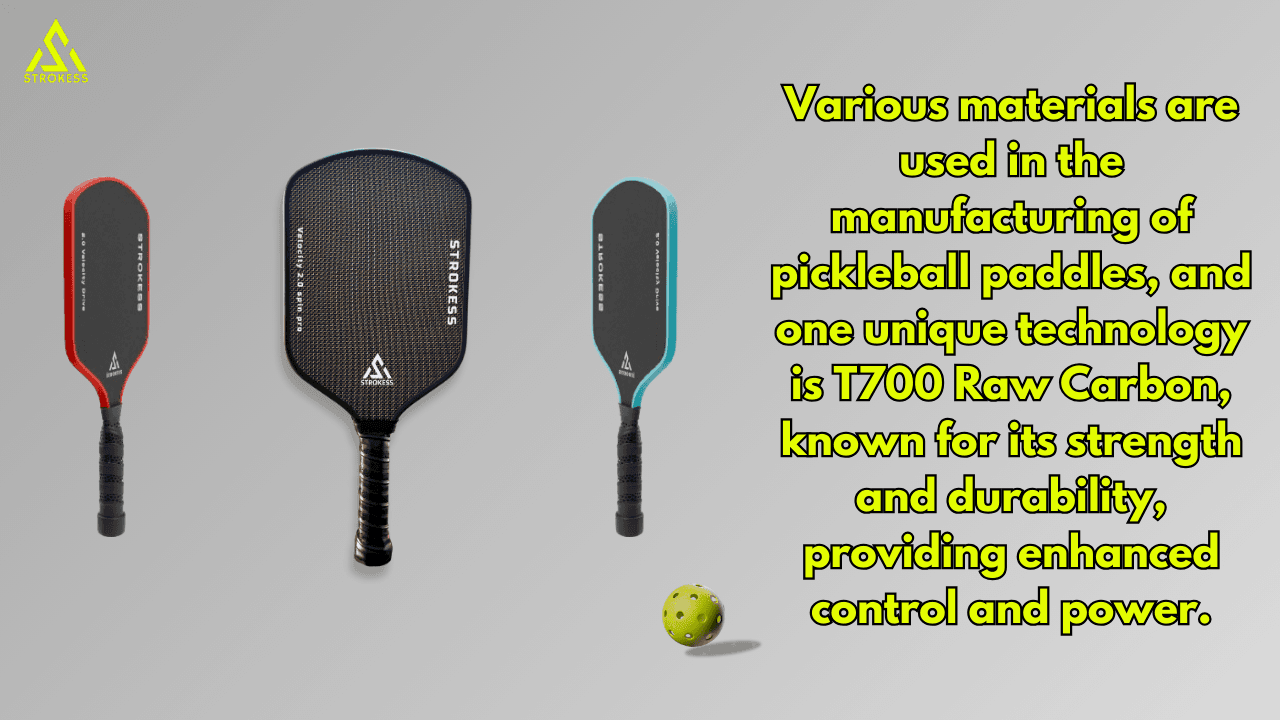
Untitled is the first checkpoint buyers should lock before they approve a supplier, budget, or production slot. When you're vetting apickleball OEM manufacturer, the first thing that separates a real factory from a trading company is whether they'll let you walk the floor. You're probably comparing three to five suppliers on price and lead time, but the ones that won't show you production are the ones you should drop first. Too many buyers commit to a supplier based on a polished brochure and an Alibaba storefront, only to find out the address is a shared office with no machines in sight.
The real cost of picking the wrong partner goes beyond a bad batch. For a standard T700 carbon fiber paddle with a 16mm core, FOB prices run $6 to $15 per unit. Anything under $3 FOB for carbon fiber means recycled fiber or zero USAPA testing. The biggest quality gap most buyers miss is vibration dampening — budget manufacturers skip the foam or rubber layers that prevent arm fatigue. That's the kind of detail that kills repeat sales for a retail brand.
Why Most Pickleball OEM Searches Fail: The Hidden Risks
Most pickleball OEM searches on Alibaba end in a 50/50 gamble — here's what flips the odds.
Factories that lack a physical address, refuse a video tour, or claim to produce everything from carbon fiber to plastic toys are the first red flag. A legitimate pickleball OEM manufacturer has dedicated production lines, not a shared office. If they can't show you the floor, they're likely a broker, not a factory.
- Inconsistent weight: Standard paddle weight is 7.6–8.4 oz. Unverified suppliers often ship paddles with +/– 0.6 oz variance across a single batch, making every paddle feel different and ruining player confidence.
- Poor spin and surface: Without USAPA-approved grit depth, your paddles will lose spin after 20 games. Real test data shows budget OEMs use paint coatings that wear off in under 10 hours of play.
- Missing USAPA certification: A factory may claim USAPA approval but have no documentation. Always request the actual test report for bounce, friction, and durability. Without it, your entire inventory is unsellable in sanctioned tournaments.
The financial hit is brutal. A 500-unit order with a 10% defect rate means 50 paddles that can't be sold. At a $12 FOB cost, that's $600 down the drain — not counting lost retail margin and brand damage when customers post negative reviews. An industry-standard defect rate is ≤2% with a 12-month warranty on structural defects. Any supplier that won't guarantee that is a liability.
The pricing tells the story. Carbon fiber FOB runs $6–$15. If a quote comes in under $3, it's recycled fiber or incomplete certification. That's not a deal — it's a trap. Real factories are transparent about materials and will walk you through their quality checks, including in-house weight calibration and spin testing.
Real Cost Breakdown of Pickleball OEM Manufacturing (2026 Data)
The FOB price is only the start — mold fees, artwork, and shipping add 30–50% to your landed cost.
For a standard T700 carbon fiber paddle with a 16mm polypropylene honeycomb core, 2026 FOB prices from Chinese OEMs land between $6 and $15 per unit. The exact price depends on order volume, customization complexity, and packaging. Entry-level fiberglass paddles start at $3–$5 FOB. Any quote below $3 for a carbon fiber paddle signals recycled fiber content or skipped USAPA certification — walk away.
- Mold fees: $500–$2,000 one-time, depending on paddle shape and thermoformed mold complexity. Amortize this across your first order.
- Artwork setup: $100–$300 per design for sublimation or screen print plates. Factor in 2–3 rounds of proofing.
- Packaging design: Custom cardboard boxes or sleeves add $0.50–$1.50 per unit. Bulk polybags keep costs near zero but hurt retail shelf presentation.
- Shipping (FOB Shanghai to US West Coast): Container rates $3,000–$5,000. A 40' container holds roughly 10,000 paddles (boxed), adding $0.30–$0.50 per unit.
Run the full math: a $10 FOB carbon fiber paddle + $0.75 mold amortization (at 1,000 units) + $0.80 packaging + $0.40 shipping = $11.95 landed per unit. Retail at $79.99 leaves a healthy margin — but only if you accounted for all four cost buckets. Miss the mold fee and your margin evaporates.
| Cost Category | Standard Range | Volume Discount Impact | Red Flag Alert |
|---|---|---|---|
| FOB Price (Carbon Fiber) | $6 – $15 per paddle | 15–25% drop at 1,000+ units | Below $3 indicates recycled fiber or no USAPA cert |
| FOB Price (Fiberglass) | $3 – $5 per paddle | Similar discount structure | Below $2 often means substandard materials |
| MOQ (Custom Paddles) | 300 – 500 units per design | Lower MOQ possible at higher unit price | MOQ under 100 units suggests no real factory |
| Mold & Setup Fees | Mold $500–$2,000; Artwork $100–$300 | Non-recurring, amortized over first order | Zero fee often means existing mold, no exclusivity |
| Lead Times (Samples/Production) | Samples 10–15 days; Production 20–40 days | Rush 7–10 days at premium | Samples under 10 days = likely pre-made stock |
| Defect Rate & Warranty | ≤2% defect rate; 12-month structural warranty | Replacement/credit for defective units | No warranty or >2% defect rate = high risk |
| Shipping (FOB to US West Coast) | $3,000 – $5,000 per container | Container rates vary; not included in FOB | Factory hiding shipping costs = hidden fees |
| Vibration Dampening & Construction | Thermoformed unibody; foam/rubber layers | Premium construction reduces delamination risk 80% | Budget OEMs omit dampening layers = arm fatigue |
Pickleball OEM vs Private Label: Which Sourcing Model Fits Your Brand?
Private label gets you to market in 4 weeks; OEM builds an asset you own for years.
OEM means you own the mold and control every spec — from core thickness (10/13/16mm) to face material (T700 carbon fiber vs fiberglass). You pay for the tooling ($500–$2,000) and commit to 300–500 units per design. In return, no competitor can copy your paddle without retooling. This model fits buyers who need exclusive specs for a premium retail line.
Private label uses an existing factory mold with your logo and packaging. No tooling fee, no material engineering — sample turnaround drops to 5–7 days and MOQ can start at 100 units per design. The trade-off: your paddle shares geometry and layup with other brands. If your competitor orders the same shape, you look identical on the shelf. Use private label for market testing or budget-tier launches ($20–$40 retail).
- TCO comparison: At 300 units, OEM adds ~$4.50/unit in tooling amortization vs private label zero tooling. At 1,000+ units, OEM costs drop 15–25% and you own the tool — a 24-month ROI advantage for any brand expecting reorders.
- Quality trap: Most private-label factories omit the foam or rubber vibration-dampening layer to hit the $3–$5 FOB price. A seller that doesn't test for arm fatigue will see 15%+ return rates from elbow pain complaints. OEM lets you mandate a dampening layer in the spec sheet.
- Insider warning: If a supplier offers private label at $2.80 FOB for a carbon fiber paddle, they are substituting recycled carbon fiber clippings — no USAPA certification, no consistent weight. Always request a factory video tour before committing any MOQ.
How to Verify a Pickleball OEM Manufacturer's Quality (Step-by-Step)
If a manufacturer refuses a live video walkthrough of the production floor, assume they are not the factory.
Start with a virtual factory tour. A legitimate pickleball OEM manufacturer will schedule a live video walkthrough of their production floor without hesitation. If they deflect, claim their factory is 'confidential,' or offer only a pre-recorded video, you are likely dealing with a trading company. Insist on seeing the assembly line, the core cutting area, and the quality check station — not just the showroom.
Demand USAPA approval documentation and the actual test reports, not just a certificate number. A credible USAPA-approved paddle OEM will provide the specific bounce, friction, and durability test results from the USAPA-approved lab. Cross-check the paddle model listed on the report against the one you are sourcing. Many factories recycle a single approval across multiple designs — that is a red flag.
Order samples from their current production run, not from a pre-production batch. Pre-production paddles are often hand-finished and do not reflect the consistency of a 500-unit run. Request 3–5 samples from the same production lot and measure weight variance. Industry standard paddle weight is 7.6–8.4 oz; any deviation beyond 0.5 oz across samples indicates poor process control. A carbon fiber paddle manufacturer worth partnering with will meet a ≤2% defect rate and offer a 12-month warranty covering delamination and edge guard failure — get that in writing.
- Individual boxes: Retail-ready packaging with custom branding, usually adds $0.50–$1.50 per unit. Ideal for boutique stores or direct-to-consumer sales.
- 12-pack bundles: Standard bulk unit for clubs and small retail. Reduces per-unit packaging cost by roughly 20% vs individual boxes.
- 36-pack buckets: High-density container for tournament organizers or large distributors. Lowest packaging cost per paddle but requires secure stacking to prevent edge guard damage in transit.
Conclusion
Selecting a pickleball OEM manufacturer in 2026 means verifying factory credentials, USAPA certification, and consistent batch quality at FOB prices between $6 and $15 for carbon fiber paddles. A thermoformed unibody construction with proper vibration dampening cuts delamination risk by 80% and protects your brand from mid-contract warranty claims. These specifications separate trustworthy suppliers from those that hide shared offices or skip compliance testing.
Review the OEM service page to compare core thickness options, MOQ thresholds as low as 100 units, and packaging configurations. Confirming these details before ordering ensures your retail line launches with paddles that meet both player expectations and your margin targets.
Frequently Asked Questions
What certifications should a pickleball OEM manufacturer have?
A reliable OEM manufacturer should hold USAPA certification and ideally ISO 9001 for quality management. These certifications ensure your paddles are approved for tournament play and manufactured to consistent standards. Always ask for valid certification documents before placing an order.
What are typical MOQs for custom pickleball paddles?
Typical MOQs range from 300 to 500 units for fully custom paddles, but some manufacturers accept as low as 50 units for basic customization. Lower MOQs often come with higher per-unit pricing. Clarify your customization level to get an accurate MOQ quote.
How long does custom paddle production take?
Custom paddle production typically takes 4 to 8 weeks from sample approval to shipment. Private label designs can ship in as little as 4 weeks, while full OEM development. Always confirm lead times that include production, curing, and sea freight if applicable.
Can I get samples before bulk order?
Yes, most reputable OEM manufacturers offer samples before committing to a bulk order. You will typically pay for sample costs and shipping, but this cost is often deducted from your first production. Request at least 3–5 samples to evaluate consistency and feel.
What is the average defect rate for OEM paddles?
The average defect rate for reputable OEM manufacturers is typically below 2%, with top-tier factories aiming for under 1%. The exact rate depends on the factory's quality control processes and. Include a defect allowance clause in your contract to protect your brand.
Want to source this quality for your brand?
Contact our factory directly on WhatsApp for an instant MOQ and pricing quote.