Sourcing USAPA-Approved Pickleball Balls: Certification & Testing
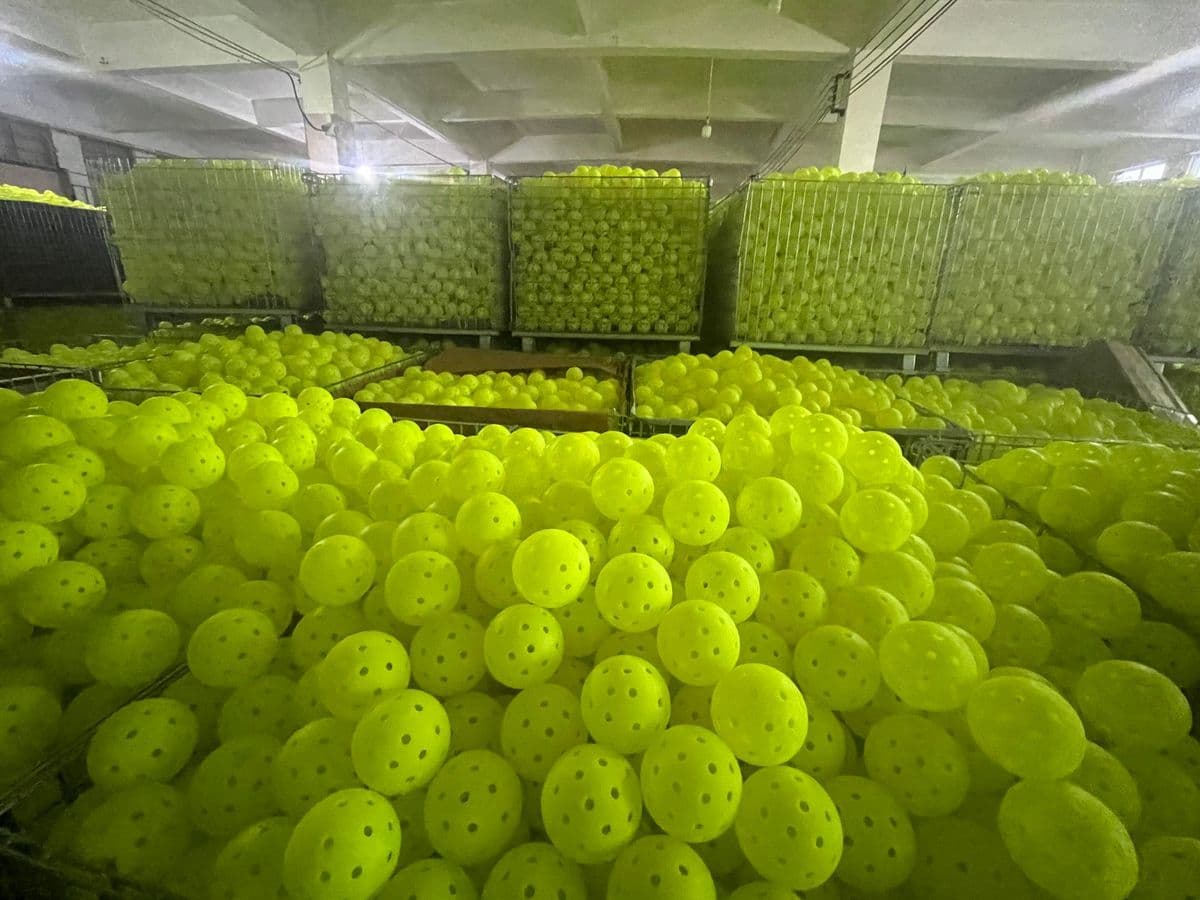
Most sourcing guides obsess over paddle approval and treat the ball as an afterthought. That's backwards for anyone stocking a house brand. A non-approved ball can't be used in a sanctioned tournament, can get your SKU pulled from a serious retailer's shelf, and quietly signals to buyers that the rest of your line is cut-rate too. The ball is the cheapest item in the catalog and the one most likely to be inspected against a published standard — so certification is exactly where a careless supplier trips you up.
This explains what "approved" actually means for a pickleball, what the ball has to pass, how USA Pickleball, UPA-A, and international bodies differ, and — the part that saves you — how to verify a supplier's claim instead of trusting a line on a quote. If you sell into the US, run a club, or want tournament-eligible stock, this is the checklist to source against before you place an order.
Key Takeaways
- "USA Pickleball Approved" is a specific listing, not a vibe — the exact ball model appears on the official equipment list, and only that listed model is tournament-eligible.
- An approved outdoor ball must sit inside published windows: roughly 2.874–2.972 in diameter, 24.3–26.2 g weight, a defined bounce height, and hardness measured on a durometer.
- UPA-A now administers equipment approval for the pro tour (PPA/MLP) in the US, while USA Pickleball governs recreational and grassroots play; internationally the IFP/national bodies apply.
- Approval attaches to a model, not a factory — a supplier can make an unlisted ball to the same spec, but it can't be sold as "approved" without the listing.
- Verify claims against the official list yourself, and require batch QC (weight, roundness, bounce) so production balls actually match the approved sample.
- For most rec, club, and school buyers a spec-compliant ball is enough; certification matters most when you sell into tournaments, serious retail, or a premium brand promise.
What "USA Pickleball approved" actually means for a ball
Approval is a listing, not an adjective. USA Pickleball publishes an official equipment list, and a ball is "approved" only when that exact model appears on it. The manufacturer submits the specific ball, it's tested against the standard, and if it passes it goes on the list by name. That's why "our factory is USA Pickleball approved" is a meaningless sentence — factories aren't listed, ball models are.
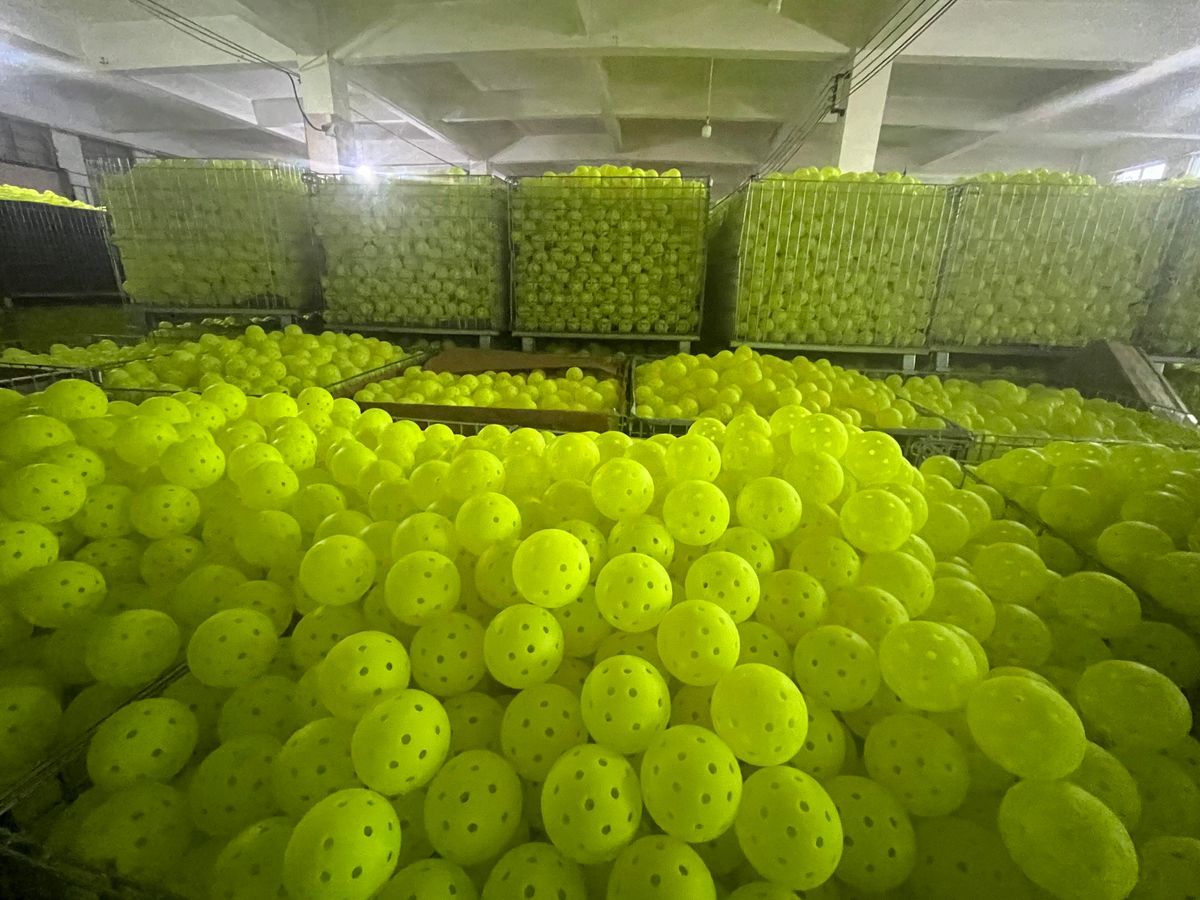
The practical consequence for a buyer: approval is model-specific and it's checkable. You can look up any claimed model on the public list in under a minute. If it isn't there, it isn't approved — regardless of what the quote or the product photo says. And approval isn't permanent by accident: a model has to keep being produced to the spec it was listed under, which is why the batch consistency of your actual shipments matters as much as the certificate on the sample.
What the ball has to pass
A ball earns its listing by landing inside a set of measured windows, not by looking right. These are the properties a testing body checks, and the same ones you should expect a serious supplier to control on every batch.
| Property | Typical approved-ball window | Why it's tested |
|---|---|---|
| Diameter | 2.874–2.972 in | Out-of-spec size changes flight and how it plays off the paddle |
| Weight | 24.3–26.2 g | Weight scatter is felt as inconsistent bounce and pace |
| Bounce | Defined rebound height from a set drop | Ensures consistent, fair play across balls |
| Hardness | Durometer within a set band | Too hard cracks and stings; too soft goes dead fast |
| Roundness | Within tolerance, no measurable out-of-round | Out-of-round balls roll and bounce off-line |
| Holes | Set count/pattern (≈40 outdoor, 26 indoor) | Pattern governs wind behavior and flight |
Treat these windows as exact figures to confirm against the current standard, since bodies revise them periodically. The point for sourcing is that every row is a place a cheap ball drifts: soft resin misses hardness and bounce, a rushed line misses weight and roundness. The manufacturing reasons behind each of these are covered in how pickleballs are made, and the full inbound routine in wholesale pickleball ball QC.
USA Pickleball vs UPA-A vs international bodies
"Approved" doesn't point at one authority anymore, and which one you need depends on where and to whom you sell. Getting this wrong means sourcing a ball certified for the wrong context.
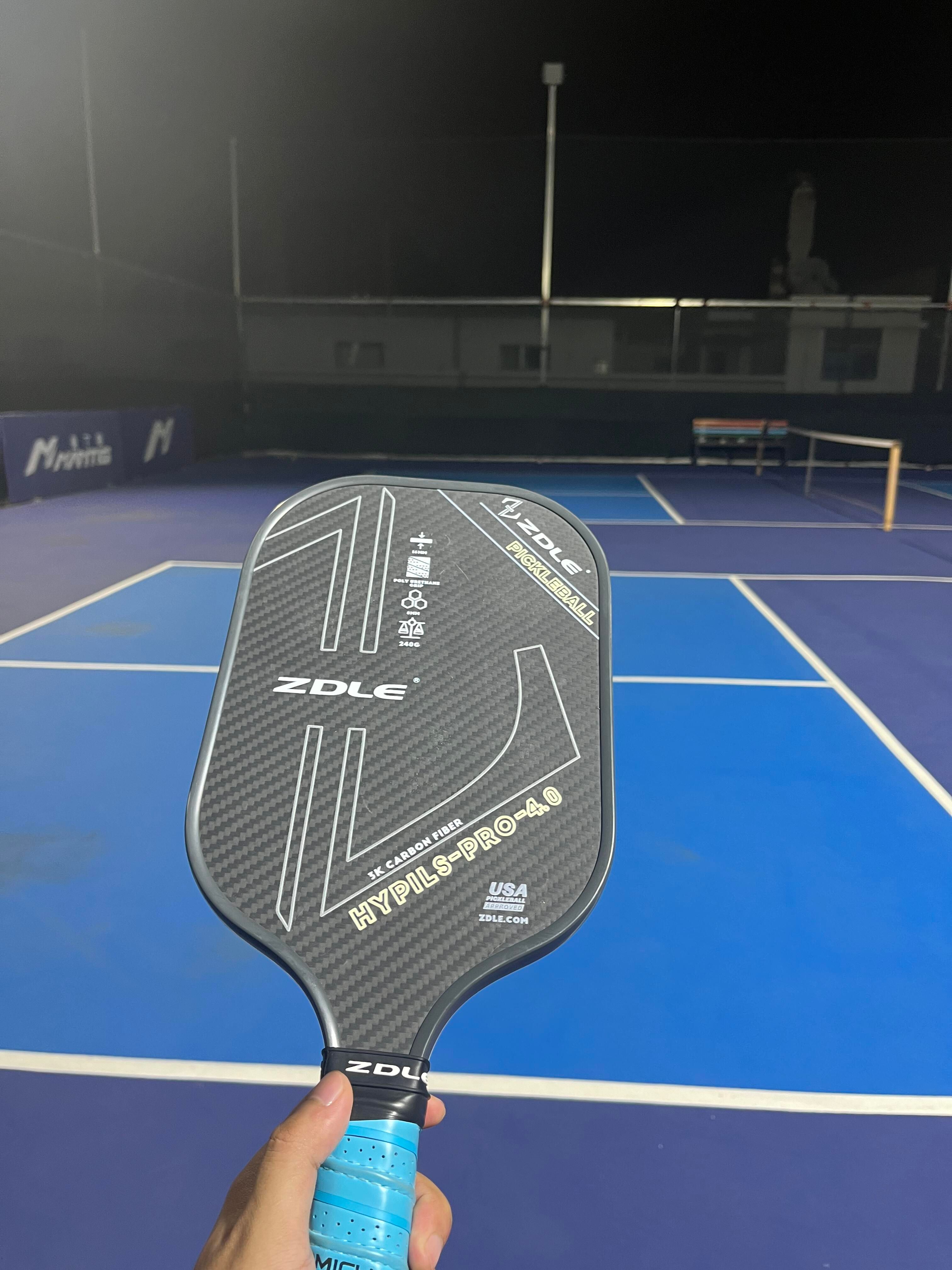
- USA Pickleball (USAP): Governs recreational, club, and grassroots sanctioned play in the US and maintains the widely referenced approved-equipment list. For most US retail and club buyers, this is the listing customers recognize.
- UPA-A: The equipment approval arm tied to the professional tour (PPA/MLP). If your ball needs to be eligible for pro-level events, this is the relevant standard — and it's the reason you now see equipment marketed against both.
- IFP / national federations: Internationally, the International Federation of Pickleball and national bodies set eligibility. Selling into Europe, Asia, or a specific national circuit means checking that market's governing list, not assuming USAP carries over.
The overlap is large — the physical spec windows are similar — but the listing is what a tournament director or retail buyer checks. Match the certification to your sales channel: rec retail and clubs lean USAP, pro-adjacent stock needs UPA-A awareness, export needs the destination market's body. The equivalent breakdown for paddles is in USAPA vs UPA-A vs IFP certification.
How to verify a supplier's approval claim
This is where money is saved or lost. An approval claim is trivial to type into a quote and easy to check — the gap between the two is where you protect your brand. Run these steps before you commit an order.
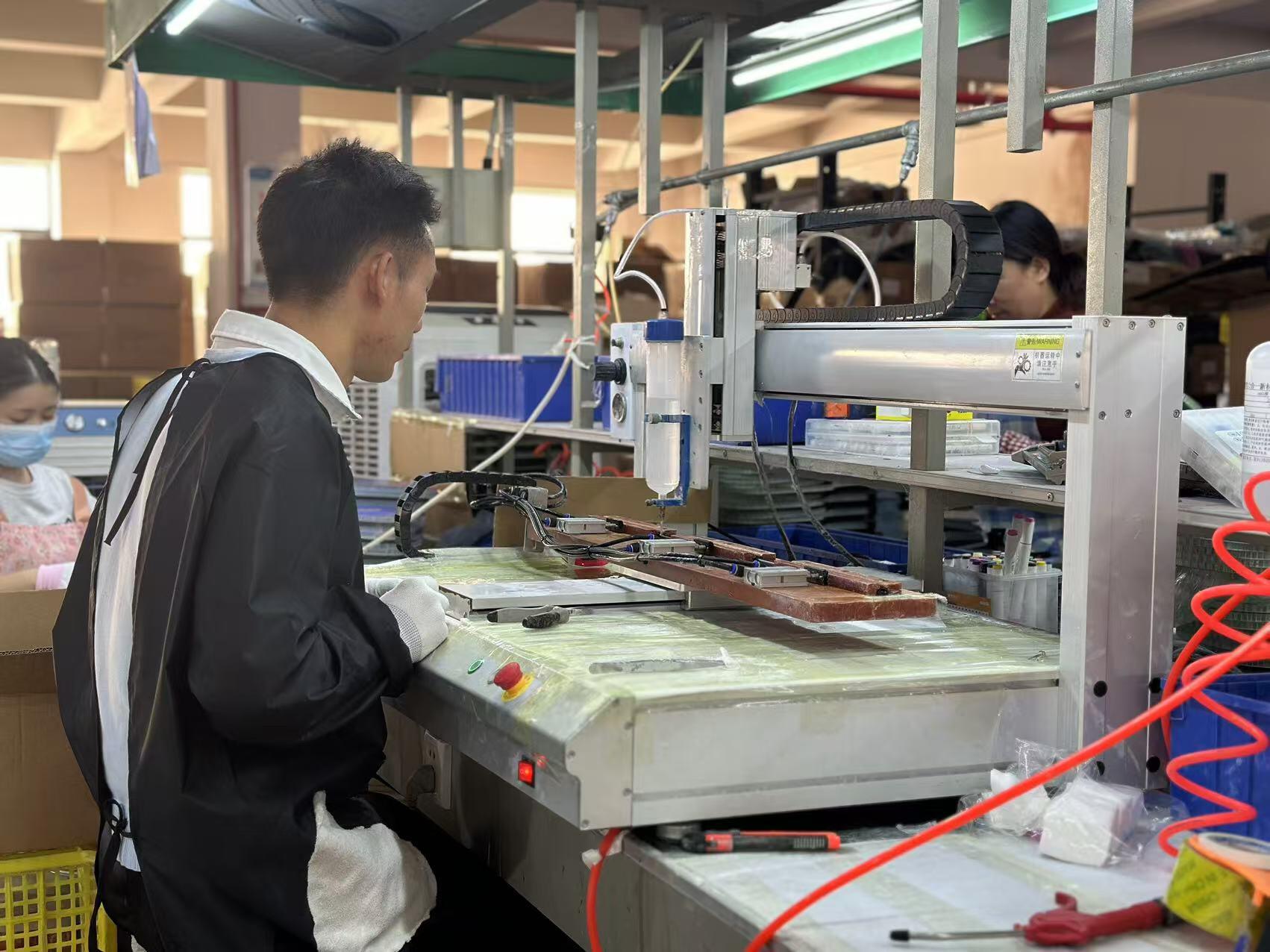
- Get the exact model name and look it up. Ask for the listed model designation, then find it on the official USA Pickleball (or relevant body's) equipment list yourself. No listing, no approval — end of check.
- Separate "approved" from "meets spec." A supplier may make an unlisted ball to the same spec windows. That can be perfectly good for rec sales, but it cannot be sold as approved. Decide which you're actually buying.
- Demand batch QC, not just a sample certificate. Approval is on the sample; your risk is in the container. Require documented weight, roundness, and bounce sampling per batch so production keeps matching the approved model.
- Watch for private-label listing rules. If you're branding the ball as your own, understand whether the listing transfers or whether the ball is sold under the maker's approved model name — this affects how you can legally market it.
The same verify-then-trust logic applies to paddles; the paddle version of this lookup is walked through in how to check if a paddle is USA Pickleball approved. And whether you need a listed ball at all comes down to spec versus certification — the sourcing trade-offs, MOQ, and compliance sit in wholesale pickleball balls: specs, MOQ & compliance.
Do you actually need a certified ball?
Certification is a cost and a constraint, not a universal must. Match it to what you sell, and don't pay for a listing your buyers never check.
| Insist on a listed, approved ball if… | A spec-compliant ball is enough if… |
|---|---|
| You sell to tournament directors or sanctioned events | You supply rec clubs, schools, or casual play |
| Your retail buyer requires approval on the SKU | You sell direct-to-consumer to recreational players |
| Your brand promise is "tournament-grade" | You compete mainly on price and durability |
| You sell into a market whose federation mandates it | Your market has no listing requirement for rec play |
Either way, spec consistency is non-negotiable — an uncertified ball that misses the weight band still plays badly and still comes back as a complaint. Certification decides whether you can say "approved"; QC decides whether the ball is actually good.
Conclusion
Ball certification is simpler than it sounds once you separate the two questions it answers. "Approved" means a specific model is on a specific body's published list — USA Pickleball for rec and grassroots, UPA-A for pro-tour eligibility, IFP and national bodies abroad — and it's checkable in a minute. "Good" means the ball actually lands inside the diameter, weight, bounce, hardness, and roundness windows on every batch, which is a QC question, not a certificate question.
Source against both. Confirm the model on the official list yourself, decide whether your channel truly needs the listing, and require documented batch QC so your containers match the sample that got approved. Do that and the cheapest item in your catalog stops being the one that undermines the rest of it. If you want tournament-eligible stock matched to your market, sample first and check the spec windows in your own hand before you commit.
Frequently Asked Questions
What makes a pickleball USA Pickleball approved?
The exact ball model must be submitted, tested against USA Pickleball's standard, and listed by name on the official approved-equipment list. Approval is model-specific — a factory itself is never "approved," and only the listed model is tournament-eligible.
What is the difference between USA Pickleball and UPA-A approval?
USA Pickleball governs recreational and grassroots sanctioned play and maintains the widely recognized equipment list. UPA-A handles equipment approval tied to the professional tour (PPA/MLP). Which you need depends on whether your balls are sold for rec play or pro-level events.
How do I verify a supplier's approved-ball claim?
Ask for the exact listed model name and look it up on the official equipment list yourself. If the model isn't listed, it isn't approved regardless of the quote. Then require batch QC on weight, roundness, and bounce so production matches the approved sample.
Do I need approved balls to sell them?
Not always. Approval is required for sanctioned tournament play and often for serious retail buyers, but recreational clubs, schools, and casual players usually only need a spec-compliant ball. You can sell an unlisted ball made to the same spec — you just can't market it as "approved."
What specs does an approved outdoor ball have to meet?
An approved outdoor ball typically measures about 2.874–2.972 in in diameter, weighs 24.3–26.2 g, has around 40 holes, and passes defined bounce and hardness (durometer) tests within tolerance. Confirm current figures against the governing body's published standard, as they are revised periodically.
Want to source this quality for your brand?
Contact our factory directly on WhatsApp for an instant MOQ and pricing quote.