Importing Pickleball Paddles into Australia: ChAFTA Duty, GST & the Certificate of Origin
Australia is one of the fastest-growing pickleball markets outside North America, and for a distributor sourcing from China the import math is friendlier than it first looks — but only if one document is in the file. Get the paperwork right and Chinese-made paddles land in Australia duty-free; get it wrong and the same paddles pick up a 5% duty that didn't need to be there. The difference isn't luck or negotiation. It's a ChAFTA Certificate of Origin.
This guide maps the Australian entry for pickleball paddles and balls — how they classify, why the ChAFTA free-trade agreement makes the Certificate of Origin the document that decides your duty, how GST actually gets calculated (on a broader base than you might expect), and the importer and product-safety setup Australian Border Force and the ACCC expect. Duty and tax rules change and depend on your specific goods and role, so treat this as the map and confirm current details with a licensed Australian customs broker before you ship.
Key Takeaways
- Pickleball paddles and balls classify under HS heading 9506 (typically 9506.99). The Australian general duty on that line is commonly around 5%, but under ChAFTA it drops to Free — if you hold a valid Certificate of Origin.
- The ChAFTA Certificate of Origin (or Declaration of Origin) is the document that unlocks the 0% rate. Without it, Australian Border Force applies the general rate; with it, the goods enter duty-free. It is the single most valuable piece of paper in the whole shipment.
- GST is 10% and is charged on the value of the taxable importation — customs value plus any duty plus transport and insurance. Because freight and insurance are in the base, Australia's GST is calculated on more than just the goods' price.
- Consignments over AUD 1,000 need a formal import declaration; under that value the Certificate of Origin generally isn't required, but a commercial paddle order clears the threshold easily.
- You'll want an Australian Business Number and GST registration to claim import GST credits, and most importers use a customs broker to lodge the declaration and apply ChAFTA correctly.
- Product safety sits with the ACCC — Australian Consumer Law and any applicable safety or information standards apply to goods sold here, so build compliant labeling into the factory spec rather than fixing it after landing.
The document that decides your duty
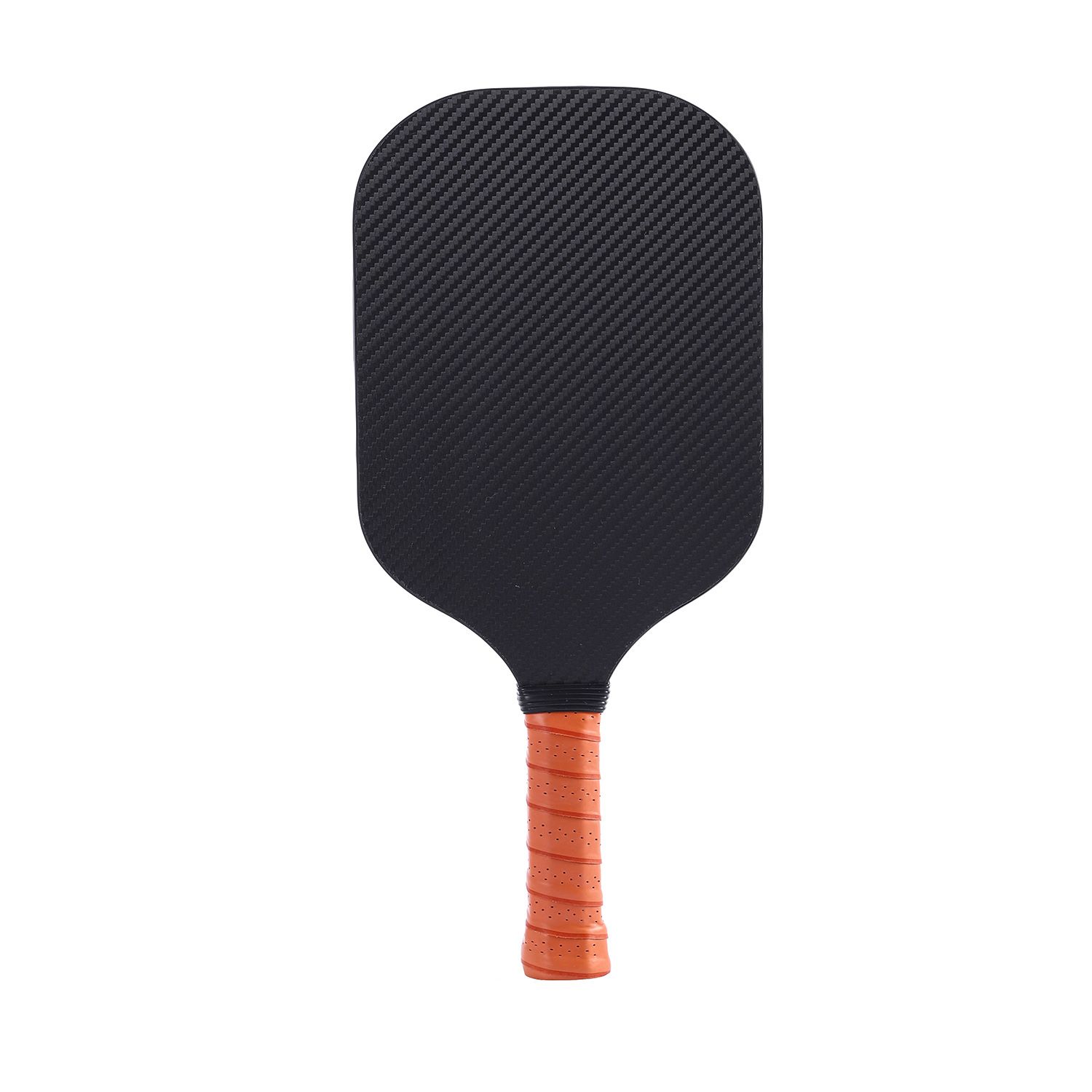
Australia and China have a free-trade agreement — ChAFTA — and under it, qualifying Chinese-origin goods receive preferential tariff treatment, which for pickleball paddles means a duty rate of Free instead of the general rate of roughly 5%. The catch is that the preference isn't automatic. To claim it, the shipment must be accompanied by a valid ChAFTA Certificate of Origin or Declaration of Origin proving the goods originate in China under the agreement's rules. No certificate, and Australian Border Force charges the general 5% rate; certificate in hand, and the same paddle clears at 0% under ChAFTA's certificate-of-origin rules.
That makes the Certificate of Origin the highest-value document in the file, and it's the factory's job to help produce it — the COO is issued in China by an authorized body based on the manufacturer's origin declaration. Build it into the order from the start: ask the factory up front whether they can provide a ChAFTA Certificate of Origin for the shipment, because a supplier who has exported to Australia before will handle it routinely, and one who hasn't may need lead time to arrange it. This is the same origin-documentation discipline that governs any preferential-rate import, and it's why the Australian picture differs from the neighbouring markets covered in importing pickleball paddles into Canada and Section 301 tariffs in the US.
Three markets, three regimes
A distributor selling across North America and Australia is dealing with three different duty stories for the same Chinese paddle. Seeing them together shows where Australia sits.
| Line | United States | Canada | Australia |
|---|---|---|---|
| Duty on the paddle | Base Free + Section 301 stack | Free (MFN), no certificate needed | ~5% general → Free with ChAFTA COO |
| Key document | Commercial invoice; 301 applies regardless | Commercial invoice; no COO needed | ChAFTA Certificate of Origin |
| Import tax | No federal VAT/GST | 5% GST on value for duty | 10% GST on customs value + duty + freight/insurance |
| Regulator | CBP | CBSA / CARM | Australian Border Force / ACCC |
Read the table as a shape, not a quote — rates and programs change in all three countries. The structural takeaway: Australia's duty is potentially zero like Canada's, but unlike Canada it's conditional on the ChAFTA certificate, and its 10% GST is calculated on a wider base than Canada's 5%. Confirm every figure with a broker at the time of import.
How GST actually gets calculated
Australia's 10% GST is charged on the value of the taxable importation, which is the customs value of the goods plus any customs duty plus the cost of transport and insurance to Australia. That's the detail US and Canadian sellers miss: the freight and insurance are inside the GST base, so on a duty-free paddle you still pay 10% not just on the goods but on the landed cost that includes shipping. On a container of paddles, that's a real number worth modelling before you price the Australian market.
The offset is that GST-registered importers can generally claim the import GST back as an input tax credit, so for a registered business it's a cash-flow item rather than a permanent cost — another reason to register for an ABN and GST before importing. Because freight sits in the tax base, the mode you choose has a second-order tax effect on top of its direct cost; the trade-off between speed and price is in air vs sea freight for pickleball, and the full landed-cost method in the cost of importing pickleball paddles.
What you actually pay and lodge
| Line | Typical treatment on a China-made paddle |
|---|---|
| Customs duty (9506.99) | ~5% general, or Free with a valid ChAFTA Certificate of Origin |
| GST | 10% on customs value + duty + transport & insurance |
| Import declaration | Formal declaration required over AUD 1,000 |
| Import processing charge | A per-declaration government charge applies |
| Brokerage + freight | As with any China–Australia shipment |
A commercial paddle order almost always exceeds the AUD 1,000 threshold, so a formal import declaration is the norm, lodged with Australian Border Force — in practice by your customs broker. The broker classifies the goods, applies the ChAFTA preference against your Certificate of Origin, and calculates the GST on the correct base. This is the same clearance discipline described in pickleball paddle customs clearance, and the classification mechanics are in HS codes for pickleball paddles.
The importer setup
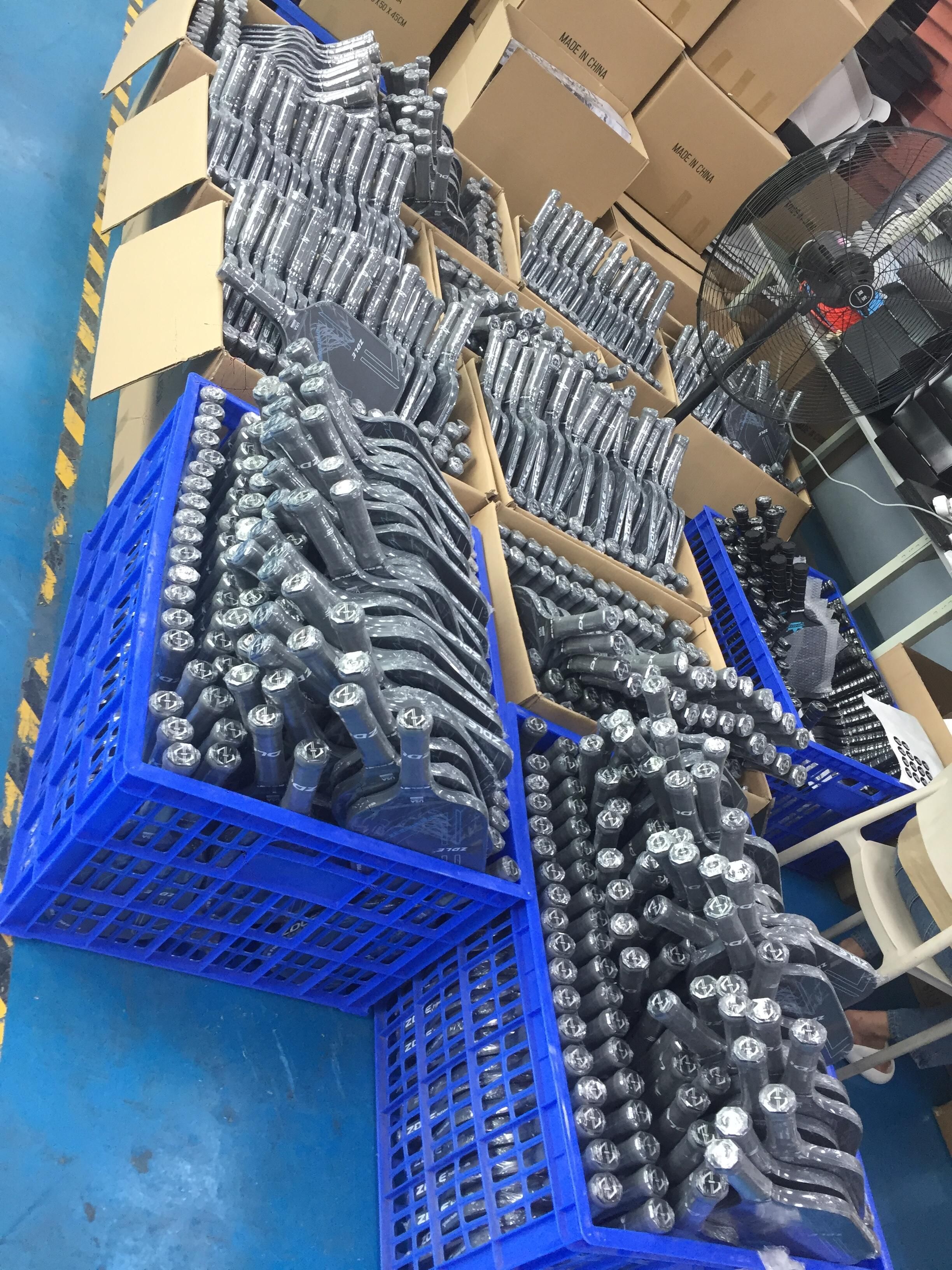
To import commercially into Australia you generally want an Australian Business Number (ABN) and GST registration — the ABN identifies your business and GST registration lets you claim the import GST back as a credit. You don't strictly need an import licence for general goods like paddles, but you do need the transactional documents: a commercial invoice, a packing list that matches the cartons, the transport document, and the ChAFTA Certificate of Origin if you're claiming the preference. A customs broker ties it together and lodges the declaration.
| Import setup item | What it is / where it comes from |
|---|---|
| ABN + GST registration | Identifies your business; lets you claim import GST as a credit |
| ChAFTA Certificate of Origin | From the factory / authorized China body; unlocks the 0% duty rate |
| Commercial invoice | From the factory; descriptions, quantities, values, origin |
| Packing list + transport doc | From factory / carrier; must match the cartons |
| Customs broker | Lodges the import declaration; applies ChAFTA; calculates GST |
Whether to use a broker is really a question of how often you'll import. For a first shipment, a broker's fee buys correct classification, correct ChAFTA application, and correct GST calculation — cheap relative to the cost of a misclassification or a lost duty preference. The factory's paperwork feeds the whole process, so an invoice and certificate that match the goods exactly are what keep a clearance from stalling — the same documentation care that a solid sourcing timeline builds in from the start.
Product safety and the ACCC
Duty-free doesn't mean obligation-free. Goods sold in Australia fall under Australian Consumer Law, administered by the ACCC, which imposes a general safety obligation and, for some product categories, mandatory safety or information standards. Adult sporting equipment like paddles is a lower-risk category than children's products, but the duty to ensure what you sell is safe and correctly represented sits with you as the importer, and requirements differ from US or EU rules. Don't assume a paddle built for another market automatically meets Australian expectations.
The practical move is to spec any required labeling and safety marking into the factory packaging run, not to fix it on landed stock. If children's or junior equipment is in the range, the compliance bar rises and is worth confirming specifically. The equivalent US and EU safety picture — a useful reference point even though the Australian rules differ — is in CE, CPSIA and REACH pickleball safety compliance. Confirm current Australian safety and labeling obligations for your specific product with a compliance advisor or the ACCC before you commit packaging.
First-shipment sequence
A clean first import into Australia runs in this order, and — as with any preferential-rate market — most of the work is done before the container sails.
- Register. Get an ABN and register for GST so you can claim the import GST credit.
- Confirm the ChAFTA path. Verify with the factory that they can supply a valid ChAFTA Certificate of Origin, and confirm the HS classification and its preferential rate with a broker.
- Spec compliance. Build any required labeling and safety marking into the factory packaging spec.
- Document. Have the factory issue a commercial invoice, packing list, and the Certificate of Origin, all matching the goods.
- Clear and pay. Your broker lodges the formal import declaration, applies the ChAFTA preference, and you pay 10% GST on the taxable-importation value; the paddles release.
Frequently Asked Questions
Do pickleball paddles have import duty in Australia?
The general duty on paddles (HS 9506.99) is commonly around 5%, but under the China–Australia Free Trade Agreement it drops to Free if the shipment carries a valid ChAFTA Certificate of Origin. Without the certificate you pay the general rate; with it, the goods enter duty-free. You still pay 10% GST either way. Confirm the exact classification and rate with a licensed customs broker.
What is a ChAFTA Certificate of Origin and who issues it?
It's the document proving your goods originate in China under ChAFTA's rules, which is what lets them claim the preferential 0% duty rate. It's issued in China by an authorized body based on the manufacturer's origin information, so your factory arranges it. Ask up front whether the supplier can provide one — an experienced exporter to Australia handles it routinely, while a first-time exporter may need lead time.
How is GST calculated on imports into Australia?
GST is 10%, charged on the value of the taxable importation — the customs value of the goods plus any duty plus transport and insurance to Australia. Because freight and insurance are in the base, you pay 10% on the landed cost, not just the goods' price. GST-registered importers can generally claim it back as an input tax credit, making it a cash-flow item rather than a permanent cost.
Do I need an ABN to import paddles into Australia?
You don't strictly need one to import, but you generally want an ABN and GST registration to operate commercially and to claim the import GST back as a credit. General goods like paddles don't require a special import licence. You do need the transactional documents — commercial invoice, packing list, transport document, and the ChAFTA certificate if claiming the preference — and most importers use a broker to lodge the declaration.
Is there a minimum value before I have to lodge a declaration?
Consignments over AUD 1,000 require a formal import declaration; below that, a Certificate of Origin generally isn't required and clearance is simpler. A commercial paddle order almost always exceeds AUD 1,000, so plan for a formal declaration, an import processing charge, and the ChAFTA certificate as standard for any real order.
Does the ACCC regulate pickleball equipment?
The ACCC administers Australian Consumer Law, which imposes a general safety obligation and, for some categories, mandatory safety or information standards. Adult paddles are lower-risk than children's products, but as the importer you carry the duty to ensure your goods are safe and correctly represented, and Australian requirements differ from US or EU rules. Confirm the specific obligations for your product, especially if junior equipment is in the range.
Want to source this quality for your brand?
Contact our factory directly on WhatsApp for an instant MOQ and pricing quote.