Ordering Paddles Direct From a Chinese Factory: A Reality Check
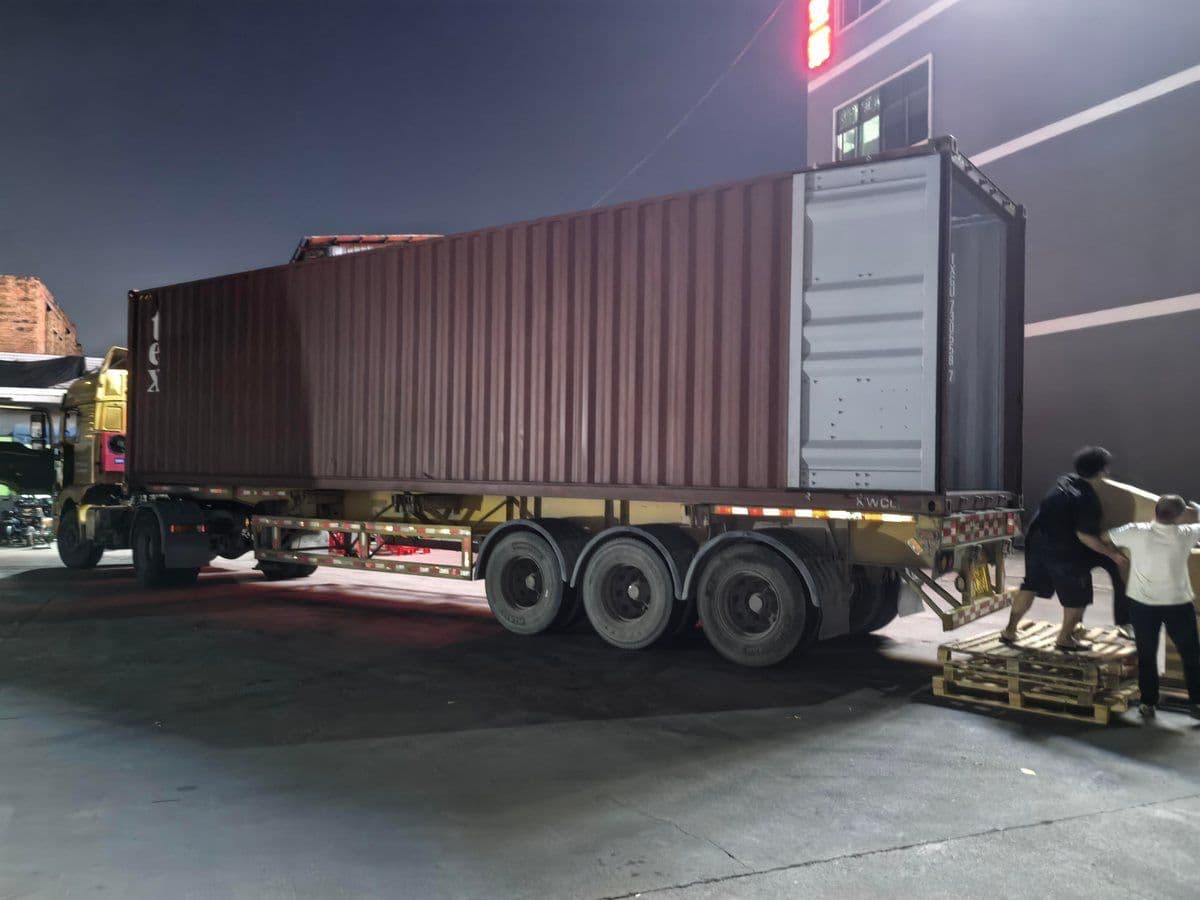
Every few weeks a thread appears on r/Pickleball where someone realizes the obvious: the paddles are all made in China anyway, so why not order direct from the factory? Then the replies split. One buyer ordered six paddles from different suppliers and found "only one really good QC'd" source. Another got a paddle that plays at 90% of their branded one for a quarter of the price. A third got something that wasn't worth the shipping. All of them are describing the same truth from different angles: buying direct works — but it's a skill, not a discount code.
We're the other side of that transaction — a source factory that deals with individual buyers, first-time brand builders, and volume importers every week. This is the reality check we'd give a friend: what "direct from the factory" actually looks like depending on how much you're buying, where the process genuinely goes wrong, and the checkpoints that separate the buyer who got the 90% paddle from the one who got burned.

Key Takeaways
- "Direct from the factory" means three different transactions: a 1–2 paddle personal buy (you're testing luck), a 20–100 unit small-batch buy (you're testing a supplier), and a 200+ OEM order (you're building a relationship with contracts and QC).
- The Reddit buyer who found one good supplier out of six wasn't unlucky — that ratio is roughly honest. Listings look identical; QC discipline doesn't.
- The sample you receive and the batch that follows are different products unless you lock the spec — sample quality proves capability, not consistency.
- Real protection is structural, not trust: verified supplier checks, payment terms with a balance held until inspection, and a pre-shipment AQL check while you still have leverage.
- Factories are volume businesses — a supplier who is excellent at 500 units may be indifferent at 2. Match your expectations to your order size.
- Total landed cost includes shipping, duties, and time. A $35 paddle plus $25 express shipping plus a three-week wait is a different deal than the listing price suggests.
The three versions of "buying direct" — know which one you're doing
Most direct-buy disappointment comes from running one kind of transaction with the expectations of another. There are three, and they work differently:
- The personal buy (1–5 paddles). You're a rounding error in the factory's week. You'll get whatever the current run produced, no spec input, no real recourse. Sometimes that's a great paddle at a quarter of retail — Reddit is full of happy examples — but understand you're sampling a lottery whose odds you can't see. Order from suppliers with long transaction history, and treat the first paddle as the test it is.
- The small-batch buy (20–100 units). Club orders, team gear, market-testing a brand idea. You now matter enough to ask for things: specific weights, a sample before the batch, photos before shipment. This is the zone where supplier quality differences bite hardest — big enough to lose real money, too small for formal contracts. The MOQ trade-offs live here.
- The OEM order (200+ units). Now it's a business relationship: locked spec sheet, golden sample, deposit/balance payment structure, inspection rights, and a plannable production timeline. Everything in the factory's behavior changes because repeat business is now the prize.
Why one supplier in six is good — and how to find that one faster
The Redditor who ordered from six suppliers and found one with real QC wasn't cursed; that's roughly what the supplier landscape looks like from the outside. The listings are indistinguishable — same stock photos, same "T700 carbon," same certifications claimed. What varies is everything you can't see in a listing: whether anyone weighs the paddles before packing, whether the press cycle gets rushed on busy weeks, whether "in stock" means built or means will-build-when-you-pay.
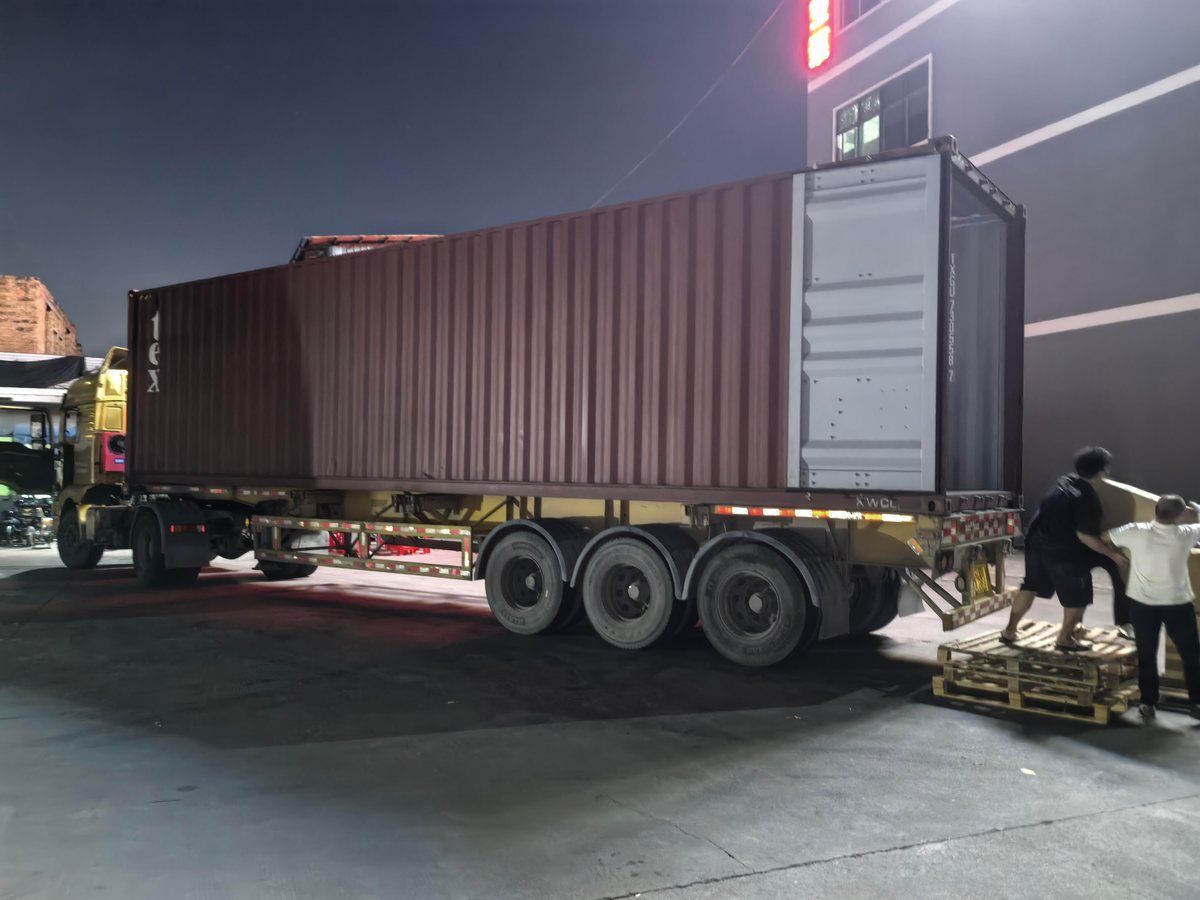
You can't fix the ratio, but you can stop paying tuition to find the good one. The full playbook is in our factory vetting guide; the short version that filters hardest, fastest:
- Ask a question only a factory can answer. "What's your weight tolerance window on this model, and what happens to paddles outside it?" A trading company reselling someone else's production stalls; a real factory answers in numbers.
- Ask for production evidence, not certificates. A 30-second video from the pressing line of your actual model, this week. Factories with real lines send it within a day; listing-only sellers can't.
- Check how they handle a defect question before you order. Ask "if the batch comes in outside spec, what's the remedy?" The answer (replacement policy, credit, silence) tells you exactly what after-sales will look like.
- Video call the floor. Ten minutes of live walking-around beats every brochure. A factory proud of its line offers; ours does, and any factory that hesitates has answered your question.
The sample trap: capability is not consistency
The most expensive lesson in direct buying fits in one sentence: the sample proves the factory can build the paddle, not that the batch will match it. Samples get the senior worker, the fresh materials, the unhurried press cycle. The batch gets whoever and whatever is available the week it runs — unless something forces otherwise.
That something is structure, and it's the entire difference between transaction sizes. On an OEM order, the signed golden sample plus written spec windows plus inspection rights make sample-match a contractual obligation. On a small-batch buy you can approximate it: get the spec in writing on the invoice ("weight 218±3g, T700 face, 16mm core"), require batch photos with a scale in frame before balance payment, and put a pre-shipment inspection on anything you can't afford to lose. On a personal buy you can't — which is fine, as long as you priced in the gamble.
A factory quotes you faster than it inspects for you. If your order structure never forces anyone to measure anything, assume nobody measured anything.
Money and leverage: pay in a way that keeps you protected
Direct buying horror stories are almost always leverage stories: the buyer paid 100% up front, the goods disappointed, and there was nothing left to negotiate with. The fix isn't trust — it's payment structure. On platform buys, keep the transaction inside the platform's protection window until you've inspected what arrived. On batch orders, the standard 30% deposit / 70% balance structure exists precisely so the balance is paid only after the batch passes inspection — the full mechanics, including trade assurance and what it does and doesn't cover, are in our payment terms guide.
And run the whole math before celebrating the unit price. Shipping a single paddle express can cost nearly as much as the paddle; a small batch moves by air at real cost per kilo; container-scale orders bring the sea-versus-air decision and destination duties into play. "Factory price" is the beginning of the landed-cost calculation, not the end of it.
The direct-buy checklist, by order size
Everything above, compressed into the checks that matter for the transaction you're actually running:
| Check | Personal (1–5) | Small batch (20–100) | OEM (200+) |
|---|---|---|---|
| Supplier history & reviews | Essential — it's all you have | Essential | Baseline; verify factory vs trader |
| Sample before batch | The order IS the sample | Yes — always | Signed golden sample |
| Spec in writing | Listing screenshot | On the invoice, with tolerances | Full spec sheet, contractual |
| Payment protection | Stay inside platform window | Deposit/balance; balance after photos | 30/70 with inspection gate |
| Inspection | Inspect on arrival, dispute fast | Batch photos w/ scale; AQL if you can | Third-party AQL pre-shipment |
| Landed-cost math | Add express shipping | Air freight + duties | Sea vs air plan + duties |
Conclusion
Buying paddles direct from a Chinese factory is neither the scam the skeptics claim nor the free lunch the deal threads imply. It's a normal import transaction whose outcome tracks how you structured it. The happy Reddit stories and the horror stories usually differ in exactly one way: whether the buyer matched their process to their order size — luck-testing with money they could lose, or spec, payment gates, and inspection when it mattered.
Know which of the three transactions you're running, make one supplier prove they're a factory before you shortlist them, never confuse a sample with a batch, and keep your leverage until something's been measured. Do that, and "direct from the factory" stops being a gamble and becomes what it is for every brand already doing it: just how paddles are bought.
Frequently Asked Questions
Can I buy pickleball paddles directly from a Chinese factory as an individual?
Yes — many suppliers sell single units through platform storefronts. Understand what you're getting: no spec input, no real QC commitment, and outcomes that vary by supplier. Pick sellers with long transaction history, keep payment inside the platform's protection window, and treat the first order as a test.
How do I tell a real paddle factory from a trading company?
Ask questions only a production floor can answer — weight tolerance windows, what happens to out-of-spec units — and request a same-week video from the line building your model. Factories answer in numbers and footage within a day; traders stall, generalize, or send catalog photos. A live video tour is the fastest single filter.
Why is my bulk order worse than the sample I approved?
Because samples get the best worker, fresh materials, and an unhurried press, while the batch gets whatever the week allows — unless structure forces consistency. Lock the spec in writing with tolerances, require batch evidence before the balance payment, and use a pre-shipment AQL inspection on orders you can't afford to lose.
What payment terms protect me when ordering from China?
Never pay 100% up front on a batch. The standard structure is a 30% deposit with the 70% balance paid only after the goods pass inspection — that gate is your leverage. On platform purchases, complete the transaction inside the platform's buyer-protection window and inspect immediately on arrival.
Is buying factory-direct actually cheaper after shipping and duties?
Usually yes at batch scale, less than it looks at single-unit scale. Express shipping one paddle can approach the paddle's own cost, while batch orders amortize freight across units. Always compute landed cost — unit price plus freight, duties, and inspection — before comparing against retail.
Want to source this quality for your brand?
Contact our factory directly on WhatsApp for an instant MOQ and pricing quote.