How to Check if a Pickleball Paddle Is USAPA Approved
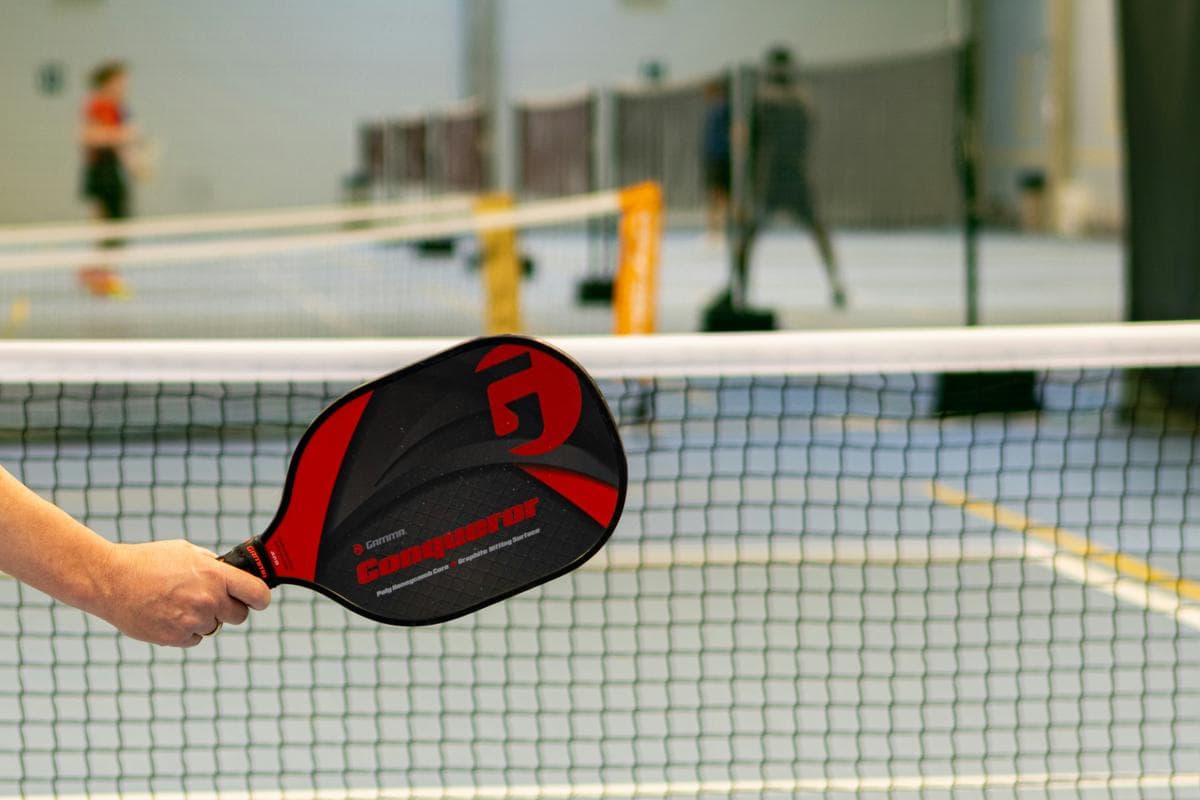
You’ve got a stack of new pickleball paddles ready for resale, but can you check USAPA approved paddle status fast enough to keep tournament players from walking out the door? That’s the question hitting procurement desks more often this year. The 2026 rulebook is strict—players expect their gear to pass pre-match inspection, and if a paddle gets flagged, you’re the one managing the return and the refund.
Here’s the specific insight few retail buyers consider upfront: over 5,200 paddles sit on the official USAP list right now, but thousands of OEM models never make it there. The reason is straightforward—manufacturers skip the $250 per model testing fee. That leaves you unknowingly stocking illegal equipment. A missed stamp means a $10 to $20 paddle becomes a liability the moment a tournament player buys it.
Why Checking USAPA Approval Matters for Retailers
A single tournament disqualification can cost you a customer for life.
The official USA Pickleball approved paddle list contains over 5,200 entries as of June 2026. Yet many private-label and unbranded OEM paddles never make it onto that list—not because they fail testing, but because the manufacturer skips the $250 per model certification fee. For a retailer, selling a paddle that isn't on the list means every tournament player who buys it risks immediate disqualification under Rule 2.F.1. That's not a minor inconvenience; it's a guaranteed return request and a one-star review on your storefront.
Even paddles that are currently approved can be sunset mid-season. In December 2026, USAP announced that models like the Joola Perseus Mod TA-15 would be removed from sanctioned play by July 2026 due to new performance limits on spin and pop. Retailers who don't monitor the quarterly compliance updates get stuck with inventory that is suddenly illegal for tournaments. And the physical USAP decal? It's often a sticker that can peel off. Rule 2.E.7 requires a clearly marked brand and model name. Best practice is to verify both the list entry and the decal before a paddle hits your shelf.
- Negative reviews: Tournament players talk. A paddle that gets disqualified leads to public complaints on pickleball forums and social media, damaging your store's reputation with the entire local community.
- Return costs: Paddles returned because they're not tournament-legal cost you $10–20 per unit in shipping, restocking, and lost margin. At wholesale volumes, that adds up fast.
- Lost repeat business: A buyer who gets burned once will never buy from you again. For a sports retailer, the lifetime value of a dedicated tournament player is easily hundreds of dollars in repeat paddle and accessory sales.
Step 1: Search the Official USAP Paddle List
The official USAP list is the ultimate authority — not a sticker or a supplier's word.
Go directly to equipment.usapickleball.org/paddle-list/. That's the only database that USA Pickleball uses for tournament compliance. Enter the brand and model name into the search fields. If the paddle is approved, it will show up. If it doesn't, it's not legal for sanctioned play — regardless of what any supplier tells you.
- Search by exact brand and model: Partial or misspelled names may return no results. Use the exact text printed on the paddle face. Rule 2.E.7 requires the brand and model to be clearly marked, so that text is your search term.
- Why generic OEM paddles often miss the list: Each model requires a $250 testing fee paid to USAP. Many OEM factories skip this cost, leaving their paddles unlisted. If your supplier cannot provide a specific model name that appears on the list, you are selling a recreational paddle — not a tournament-legal one.
- Action for retailers: Before placing a wholesale order, request the exact brand and model name in writing. Search that name on the approved list. If it's absent, either ask the supplier to get it certified (expect 4–6 weeks and a $250 fee) or find a different supplier.
Step 2: Inspect the Physical Paddle for Approval Marks
The physical decal is your paddle's tournament passport.
Every USAP-approved paddle must display the official approval decal or stamped text on its face. This is not optional — Rule 2.E.7 mandates that the brand and model name be clearly marked. A paddle that passes the online list check but lacks the physical mark is illegal for sanctioned play.
- Decal location: Usually on the front face near the handle. Some suppliers apply it as a sticker — ensure it is securely affixed before retail display. Peeled or missing decal triggers immediate disqualification.
- Model name rule: Rule 2.E.7 requires the brand and model to be permanently or durably marked. Referees will check for clarity; a blurred or removable label can fail inspection.
- Surface defects: Referees also inspect for delamination, excessive texture, or raised edges. A paddle that is on the list but shows physical wear or manufacturing flaws can be ruled illegal.
- Missing decal consequence: Even if the paddle is listed on the USAP database, without the decal the referee can reject it. The safest practice is to have both the decal and the model name visible.
Insider note: The USAP decal is often a thin adhesive sticker that can peel off during handling. Some referees may accept a paddle without the decal if the online list clearly shows the model, but this is at their discretion. For retail inventory, verify that every paddle leaving your stockroom has the decal intact. Missing decal = immediate disqualification for your customer — and a return for you.
Step 3: Verify Model-Specific Compliance Updates
A paddle can be legal today and banned next month — check quarterly.
The USAP approved paddle list is not static. Paddles are added weekly, but they can also be removed if a model fails new performance tests — for example, spin rate or pop limits. In December 2026, USAP announced that the Joola Perseus Mod TA-15 and several other models would be sunset from sanctioned play effective July 1, 2026. If a retailer ordered a container of those paddles in early 2026, they would be stuck with inventory that cannot be used in tournaments after that date.
- Action: Visit the official USAP Compliance List (equipment.usapickleball.org) at least once per quarter. Search by brand and model name to confirm the paddle is still active, not marked 'sunset' or 'removed'.
- Risk: Many OEMs skip certification because the $250 per-model testing fee eats into their margin. That leaves retailers unknowingly selling paddles that were never approved — or that were approved but later delisted due to rule changes.
- Supplier guarantee: Buy from manufacturers who provide a written compliance guarantee with each shipment. A responsible supplier will share the current approval status and notify buyers if a model faces sunset before the next order cycle.
For example, if you source the PickleOEM 3K Carbon Fiber Paddle, the factory includes the USAP test report and the model name exactly as listed on the official list. This prevents the scenario where a paddle has a sticker but doesn't match the approved name — a common mismatch that referees catch during equipment checks (Rule 2.E.7).
| Compliance Factor | What to Check | Why It Matters | Action Required | Example |
|---|---|---|---|---|
| List Status | Current USAP Approved Paddle List for your model | Paddle may be delisted after purchase, making it illegal for tournament play | Verify quarterly on equipment.usapickleball.org/paddle-list/ | Joola Perseus Mod TA-15 sunset July 1, 2026 |
| Performance Limits | New spin rate and pop limits set by USAP | Paddle may violate updated standards even if previously approved | Review USAP compliance updates and supplier certifications | Spin rate > 2500 RPM may trigger delisting |
| Sunset Deadlines | USAP sunset schedule for violating models | Inventory becomes unsellable for tournament use after deadline | Sell delisted paddles for casual play at discount; order new compliant stock | Sunset deadline July 1, 2026 for Joola Mod TA-15 |
| Physical Decal | USAP approval decal still intact and readable | Missing or peeling decal = immediate disqualification | Inspect paddle face before retail display; reapply sticker if separate | Decal often a sticker; referees may accept list match if missing |
| Supplier Guarantee | Manufacturer provides current compliance certificate | Protects retailer from holding illegal stock after delisting | Request written compliance guarantee in purchase agreement | PickleOEM provides USAP certification for each model |
Where to Source Wholesale USAPA Approved Paddles
PickleOEM covers the $250 USAP testing fee per model — many OEMs won't.
Most OEM factories skip the $250 per model USAP testing fee to save costs, leaving retailers unknowingly stocking illegal paddles. At PickleOEM, every production run is tested and listed before shipment. Your brand and model name are included in the official USAP submission, so the paddle appears in the approved database the moment it lands in your warehouse.
- Testing fee:$250 per model — covered by the factory. No surprise invoice from USAP.
- Wholesale MOQ: 500 units per model. Unit price ranges $10–18 depending on face material and core density.
- Private labeling: Your brand name and model name are legally registered with USA Pickleball. We supply the decal and stamped model number for referee inspection.
Our current approved models are listed on the products page. Each entry shows the exact model name and certification status. If you need a new model, we submit a fresh sample to USAP within the standard lead time. No backdoor listings, no expired approvals.
Conclusion
Checking USAPA approval comes down to two steps: searching the official list and inspecting the physical decal. Both are non-negotiable for tournament play. The risks of selling unverified paddles — returns, refunds, reputation damage — are avoidable with a simple, repeatable process.
If you're sourcing paddles for resale, review the certification details on each model before committing to a bulk order. The Products page lists current USAPA-approved paddles with full compliance documentation, saving you the guesswork.
Frequently Asked Questions
I'm going to play in my first tournament. How do I know if my paddle is legal?
Check the USA Pickleball Approved Paddle List online by brand and model, and verify your paddle has a USAP decal on its face. Both must match; if either is missing, it's not legal for. Confirm both list and decal before game day.
How often is the USAP paddle list updated?
The USAP paddle list is updated regularly as new paddles are approved or delisted, often on a monthly or quarterly basis. Always check the current list before each tournament because delistings can happen without warning. Check the list before every tournament.
Can I sell a paddle without USAPA approval?
Yes, you can sell it, but it cannot be used in USAP-sanctioned tournaments. If your customers are tournament players, expect returns and lost trust. Only sell unapproved paddles to recreational or casual players.
What happens if a paddle is delisted after I buy inventory?
The paddle becomes illegal for tournament play, and you will likely face returns and refund requests. Retailers typically absorb a $10–20 loss per paddle and must reclassify the stock as recreational only. Monitor the USAP list and negotiate return protections with suppliers.
What if my paddle has a USAP sticker but is not on the list?
That paddle is not legal for tournament play because the physical decal alone is insufficient; the model must appear on the official list. Counterfeit or outdated models often carry stickers but are. Verify the model on equipment.usapickleball.org before relying on the sticker.
Want to source this quality for your brand?
Contact our factory directly on WhatsApp for an instant MOQ and pricing quote.