Amazon FBA Prep for Pickleball Paddles: FNSKU Labels, Poly-Bagging & Carton Specs from the Factory
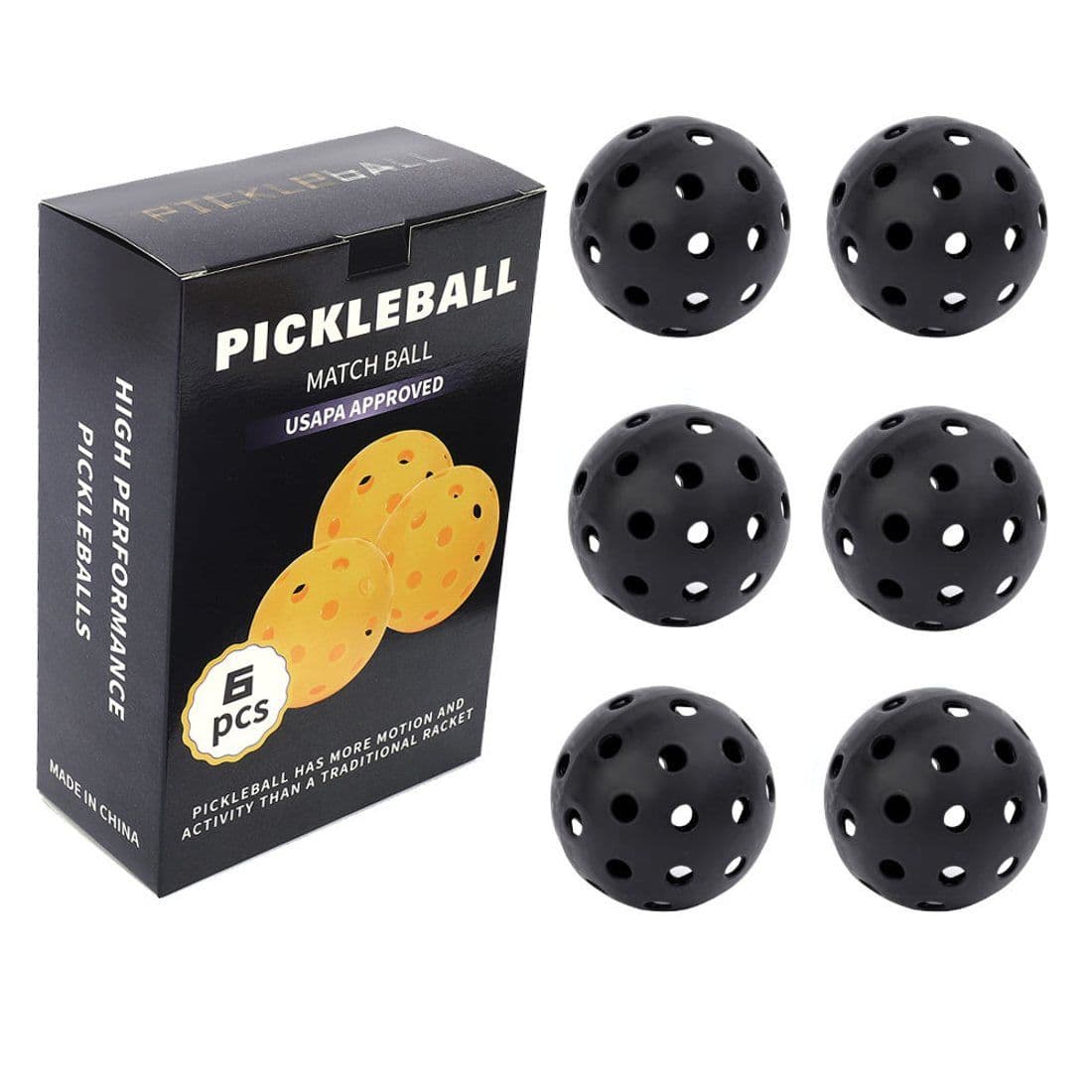
A pallet of unlabeled pickleball paddles lands at a US prep center, and the seller learns the real cost of skipping factory-side prep: a per-unit poly-bagging fee, a per-unit FNSKU labeling fee, a receiving fee, and a week of delay before anything goes live on Amazon. Every one of those charges was avoidable if the labels and bags had gone on at the factory, before the container ever shipped. For a private-label paddle brand selling on Amazon, where and when the prep happens is a margin decision, not a detail.
This is the practical guide to getting pickleball paddles FBA-ready at the source factory — FNSKU labels, poly-bagging, bundle rules, and master-carton specs — so units arrive at Amazon compliant and go straight to sellable. It matters more in 2026 than it used to, because Amazon changed the rules on who does the prep, and the answer is now clearly you.

Key Takeaways
- As of January 1, 2026, Amazon stopped fixing barcodes, poly-bagging, and prepping US FBA units on your behalf — so prep either happens at your factory or at a paid US prep center. Factory-side is almost always cheaper per unit.
- Every unit needs its own scannable FNSKU label, and it must cover any existing barcode so only one code scans. The FNSKU comes out of your Seller Central account, so the factory needs the file from you before it can label.
- Poly bags must be transparent, at least 1.5 mil thick, sealed and snug, with the FNSKU scannable through the bag; any bag with an opening of 5 inches or more needs a suffocation warning printed or labeled on it.
- Paddle-plus-ball-plus-bag sets ship as one FNSKU with a "sold as set, do not separate" label — a bundle is one sellable unit to Amazon, not three.
- Master cartons stay under 50 lb unless marked Team Lift (over 50) or Mechanical Lift (over 100), and each carton needs accurate box-content information; oversize or overweight cartons get charged or refused at the fulfillment center.
- Amazon requirements change — confirm current bagging, labeling, and carton rules in Seller Central before you lock a prep spec with the factory, and put the whole prep scope in writing on the PO.
Why factory-side prep is the 2026 default
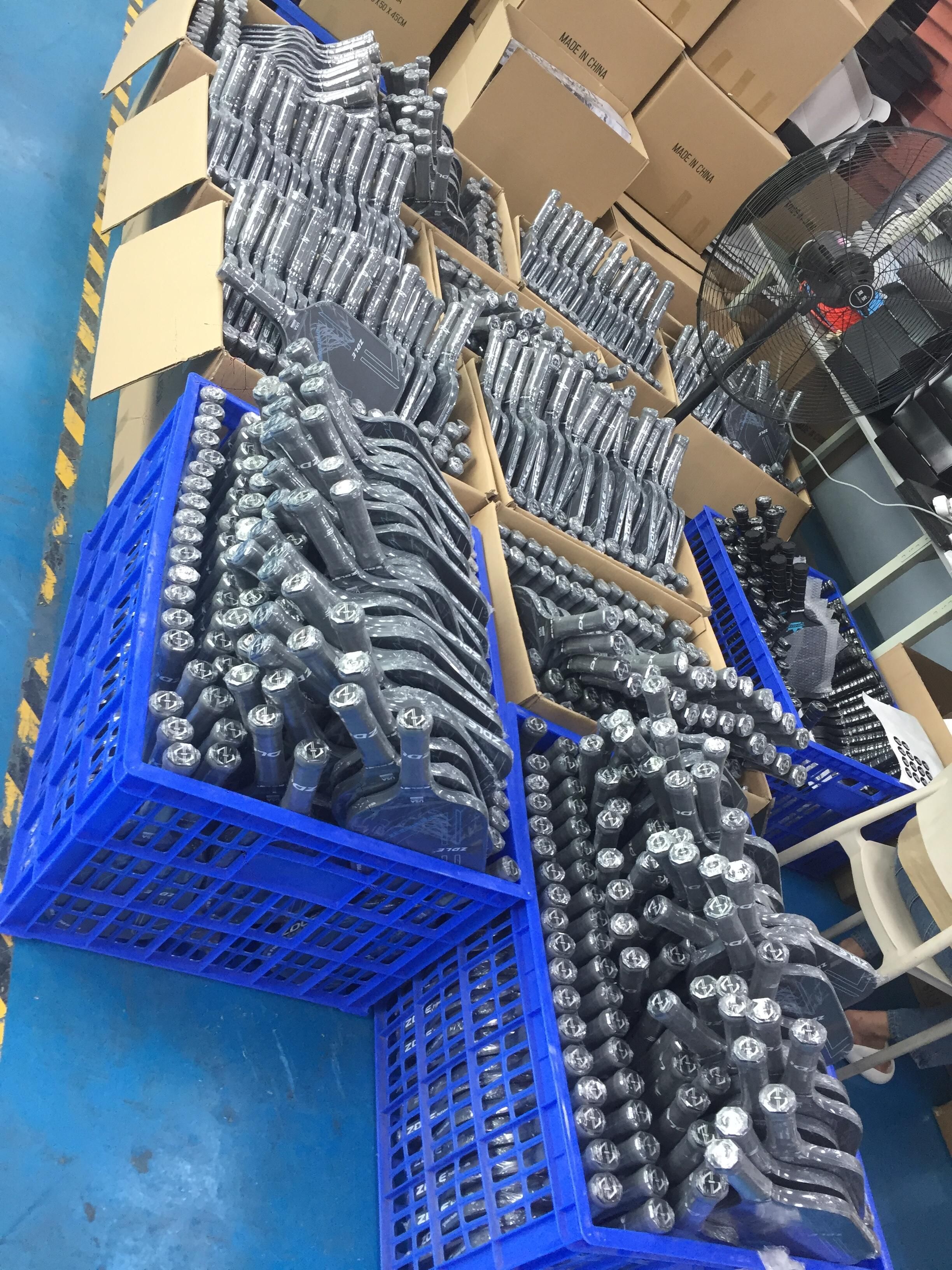
Amazon used to offer a safety net: send in units without prep and Amazon's FBA Prep Service would poly-bag, label, or fix barcodes for a per-unit fee. Starting January 1, 2026, that service ended for US FBA shipments — Amazon no longer bags your products, applies your FNSKU, or corrects unscannable barcodes on your behalf. A unit that arrives non-compliant now gets flagged, and you either pay a third-party prep center to fix it or have it returned. The safety net is gone.
That makes the factory the natural place to prep. The paddles are already in hand there, labor is cheaper than a US prep center's per-unit rate, and the work folds into the production line before the goods are cartoned. Prep at the source and a paddle arrives at Amazon sellable on receipt — no US-side handling, no re-boxing, no delay. The one thing the factory can't invent is your FNSKU; that comes from your Seller Central account, so the workflow depends on you sending the label file and a clear spec. This is one more reason a first paddle order benefits from the discipline in ordering paddles direct from a China factory and a written spec sheet.
FNSKU labels: one code, scannable, covering the rest
The FNSKU (Fulfillment Network Stock Keeping Unit) is Amazon's barcode for your specific product in their warehouse. Three rules decide whether the factory applies it correctly. First, every single unit gets one — not the carton, the unit that a customer receives. Second, it must be scannable: printed sharp on a plain label, not stretched, not over a seam, not under glossy film that glares. Third, it must cover any other barcode on the packaging — a leftover UPC or a factory SKU that also scans creates a conflict at receiving, so the FNSKU goes directly over it.
The label file comes from your Seller Central account, not the factory. You generate the FNSKU when you create the listing, export the label PDF, and send it to the factory with a placement instruction — usually on the poly bag over the printed barcode, or on a specific panel of the retail box. Send a physical prep sample or a clear photo of where the label goes; "put the barcode on it" invites the factory to guess, and a mis-placed FNSKU is exactly the kind of error that turns into a prep-center charge later. The barcode discipline pairs with the golden-sample and spec-sheet discipline in the custom paddle specs checklist.
Poly-bagging a paddle to spec
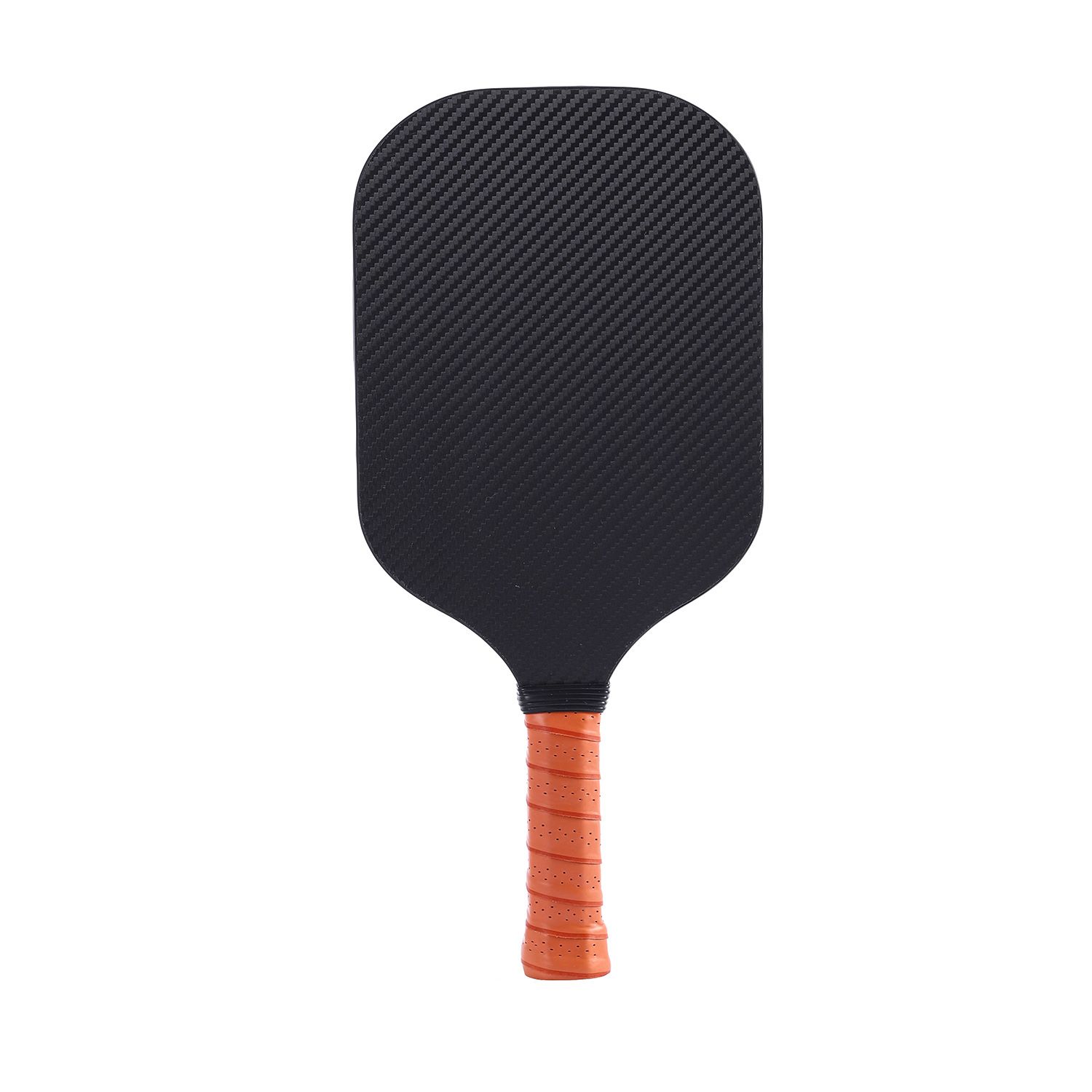
A paddle sold without a retail box needs a poly bag, and the bag has its own spec. It must be transparent so the FNSKU scans through it, at least 1.5 mil thick so it doesn't tear in the fulfillment center, and sealed and snug — no more than about 3 inches of slack beyond the paddle. The suffocation rule is the one factories miss most: any bag with an opening of 5 inches or more must carry a suffocation warning, printed on the bag or applied as a label. A full-size paddle bag is well over 5 inches, so the warning is effectively mandatory — spell it out in the prep spec so it's printed, not forgotten.
If the paddle ships in a retail box instead, the box itself can be the FBA packaging as long as it's sturdy, closes fully, and carries the FNSKU on the outside. A retail box that already displays a UPC still needs the FNSKU over it — same one-code rule as the poly bag. Whether you go bag or box is partly a branding decision covered in private-label pickleball packaging; whichever you choose, the packaging that leaves the factory is the packaging Amazon receives, so it has to be right at the source.
Bundles and sets: one FNSKU, do not separate
Paddle sets — a paddle with two balls and a carry bag, or a two-paddle starter kit — are a single sellable unit to Amazon, and they prep as one. The whole set goes in one outer poly bag or box, carries one FNSKU for the bundle, and gets a "Sold as set, do not separate" label so a fulfillment associate doesn't split it into individual items. Labeling each component with its own barcode is the classic bundle mistake; it causes the set to be broken apart and mis-shelved.
Decide bundle-versus-single before the factory bags anything. Re-bagging a bundled set into singles (or the reverse) at a US prep center costs more than the paddles saved by guessing — bundle structure is a spec, not an afterthought.
Master cartons: weight, content, and the limits that get you charged
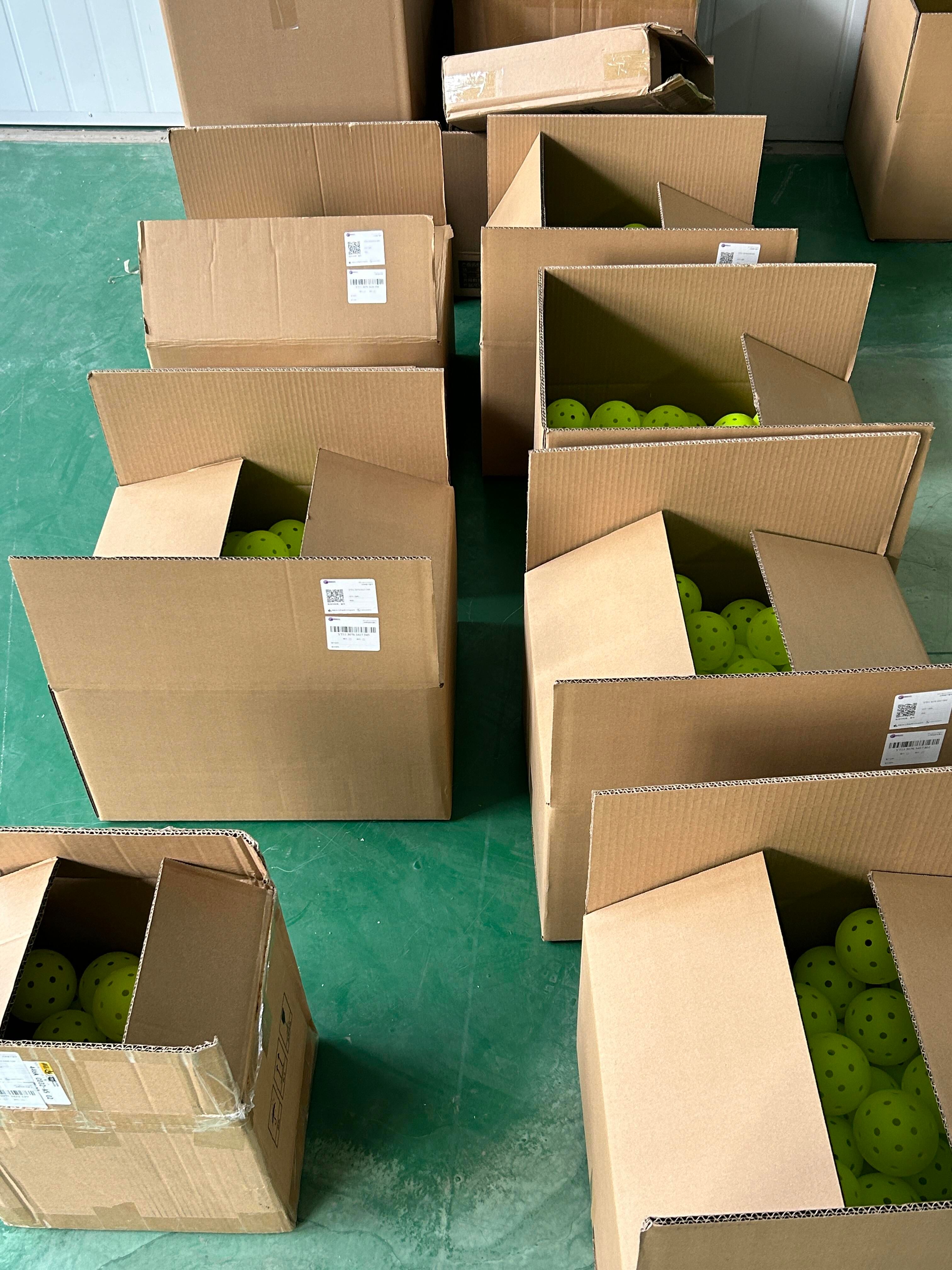
Prepped units go into master cartons, and the cartons have rules of their own. A standard carton stays under 50 lb; a carton over 50 lb needs a Team Lift label, and one over 100 lb a Mechanical Lift label, or it's refused. Amazon also enforces carton dimension limits and requires accurate box-content information — what's in each carton and how many — provided in your shipment plan so receiving can reconcile. Paddles are light, so weight rarely binds, but a carton packed to a big cube can still exceed a dimension limit; confirm the current carton weight and size limits in Seller Central before fixing your carton count.
Getting carton quantities right also feeds your freight math. Uniform carton counts and dimensions make the container load predictable and the FBA shipment plan clean, which ties into air vs sea freight for pickleball and the overall sourcing lead time. A carton that has to be re-packed on the US side because it's overweight or mis-counted erases the savings of prepping at the factory in the first place.
The factory FBA-prep spec, line by line
Hand the factory this, not "make it Amazon-ready." Each line is a decision the factory can't make for you, and each is a charge at a US prep center if it's wrong on arrival.
| Prep line | What to specify |
|---|---|
| FNSKU label | Your label PDF; one per unit; placed over any existing barcode; scannable |
| Poly bag | Transparent, ≥1.5 mil, sealed, snug; suffocation warning (opening ≥5 in) |
| Retail box (if used) | Sturdy, fully closing; FNSKU on the outside over any UPC |
| Bundles/sets | One outer pack, one FNSKU, "sold as set / do not separate" label |
| Master carton | Under 50 lb (else Team/Mechanical Lift); within size limits; fixed unit count |
| Box content | Units per carton documented to match your shipment plan |
| Prep sample | One fully prepped unit approved before the run — your golden prep reference |
A third-party inspection can verify the prep before the container ships — the FBA-specific scope is exactly what a good inspection agency checks when you ask for it, covered in the pickleball inspection agent comparison. Confirm current requirements against the Amazon Seller Central bagging requirements and FBA packaging and prep pages, because Amazon updates them and a rule that was optional last year can be enforced this one.
Direct-to-FBA or via a US prep center?
Factory-prepped units can go two ways: straight into the FBA network, or through a US prep/inspection center first. The right route depends on how much you trust the prep and how the freight is structured.
| Route | Best when |
|---|---|
| Factory prep → direct to FBA | Prep is proven on prior orders; you want the lowest cost and fewest touches |
| Factory prep → US prep center → FBA | First order with a new factory; you want a US-side check and FBA label application before injection |
| No factory prep → US prep center does everything | Rarely the cheapest now — only if the factory genuinely can't prep to spec |
On a first order, factory prep plus a US prep center as a safety check is the conservative play — you get the low per-unit prep cost and a US-side set of eyes before units hit the FBA network. Once a factory has prepped a few clean orders, direct-to-FBA removes a whole handling step and its cost. The FBA shipment labels themselves are generated in Seller Central after you create the shipment plan, so those go on at whichever US point injects the freight, not at the factory.
Best for / not for: prepping at the factory
Factory-side prep is the right call for most Amazon paddle sellers now, but not every order profile.
| Prep at the factory | Use a US prep center instead |
|---|---|
| Full-container or large orders where per-unit prep savings add up | Tiny first test batches where a mistake on the whole run is the bigger risk |
| A factory that has prepped FBA orders before and can show samples | A factory with no FBA prep experience on a deadline-critical launch |
| Stable listings where the FNSKU and packaging won't change mid-run | Frequently changing bundles or listings where flexibility beats unit cost |
Frequently Asked Questions
Can a China factory apply my Amazon FNSKU labels?
Yes. You generate the FNSKU in your Seller Central account, export the label file, and send it to the factory with a placement instruction. The factory prints and applies one per unit over any existing barcode. The factory cannot create the FNSKU for you — it's tied to your account and listing — so the workflow always starts with you sending the file and approving a prepped sample.
Does a pickleball paddle need a suffocation warning?
If it's poly-bagged and the bag opening is 5 inches or larger, yes — the suffocation warning must be printed on the bag or applied as a label. A full-size paddle bag is well over 5 inches, so the warning is effectively required. Specify it in the prep instructions so the factory prints it; it's the single most commonly missed poly-bag rule.
Did Amazon really stop prepping units in 2026?
As of January 1, 2026, Amazon ended its FBA prep and item-labeling services for US shipments — it no longer poly-bags, applies FNSKU labels, or fixes unscannable barcodes on your behalf. Non-compliant units get flagged and you pay a third party to fix them or have them returned. That change is why prepping at the factory, before the container ships, went from optional to the practical default. Confirm the current policy in Seller Central, as Amazon revises its programs.
How should a paddle-plus-balls set be labeled?
As one unit. The whole set goes in a single outer bag or box, carries one FNSKU for the bundle, and gets a "sold as set, do not separate" label so Amazon doesn't split it. Do not put individual barcodes on the components — that causes the set to be broken apart at the fulfillment center. Decide bundle structure before the factory bags anything.
How heavy can a master carton be for FBA?
A standard carton stays under 50 lb. Over 50 lb it needs a Team Lift label, and over 100 lb a Mechanical Lift label, or it's refused. Paddles are light, so weight rarely binds, but oversize cartons can still exceed dimension limits. Confirm the current weight and size limits in Seller Central before fixing your carton pack-out, since Amazon adjusts them.
Is factory prep cheaper than a US prep center?
Almost always, on per-unit cost — the paddles are already in hand at the factory and labor is lower, so bagging and labeling fold into the production line at a fraction of a US prep center's per-unit rate. The exception is a first order with an unproven factory, where routing through a US prep center as a check can be worth the added cost until the factory's prep quality is established.
Want to source this quality for your brand?
Contact our factory directly on WhatsApp for an instant MOQ and pricing quote.