Pickleball vs Padel vs Paddle Tennis: What Changes on the Production Line
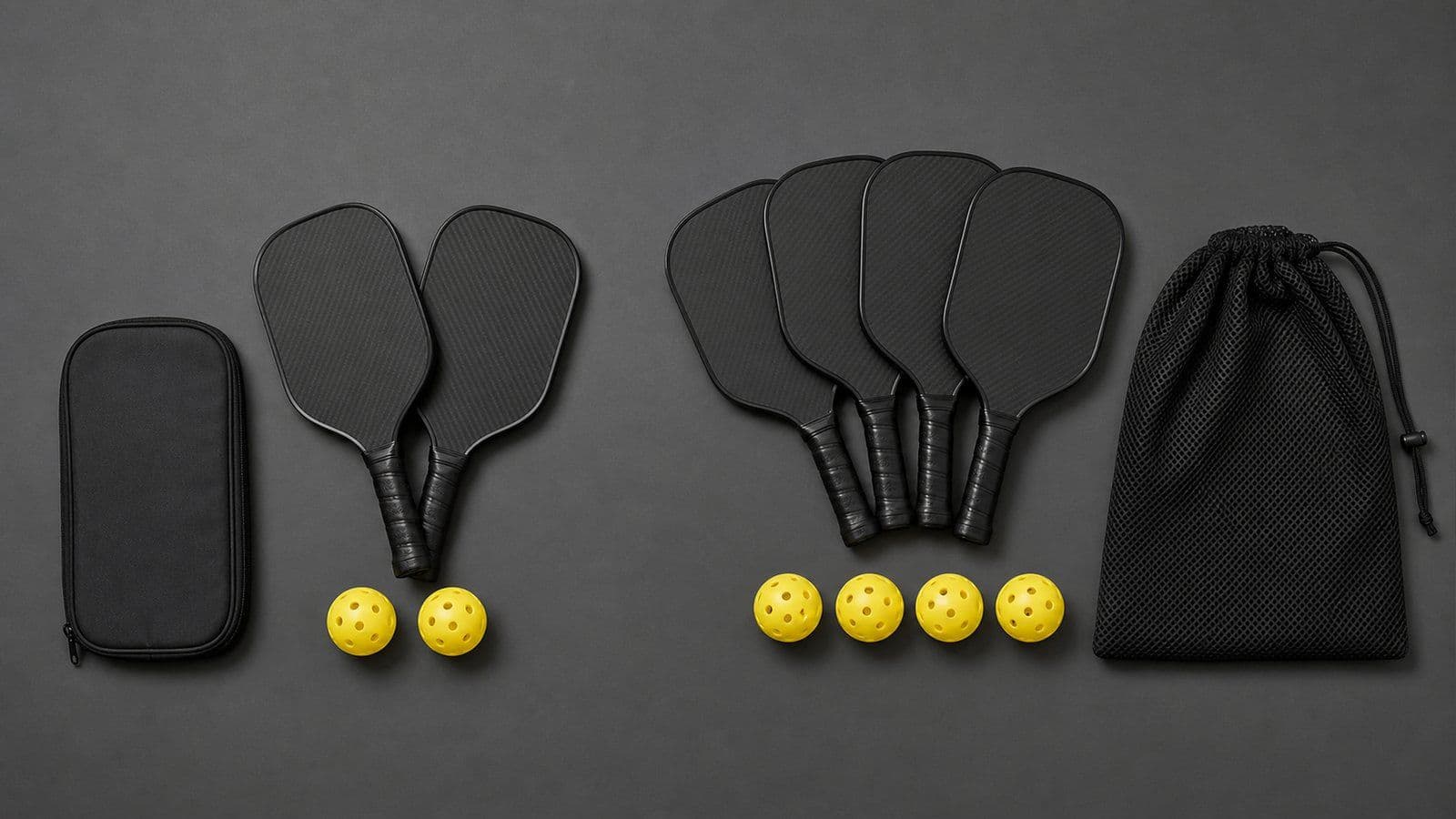
If you searched for the difference between pickleball and paddle ball, you are probably asking about one of four different sports, and the answer you need depends entirely on which one you meant. Here is the short version, so nobody has to read further than they need to.
- Paddleball is a wall sport played with a rubber ball. Pickleball uses a solid stringless paddle and a moulded plastic ball with holes. Padel is a glass-walled doubles sport with a perforated racket. Paddle tennis (POP Tennis) uses a punctured, depressurised tennis ball.
- USA Pickleball caps combined length and width at 24 inches (60.96 cm) and length at 17 inches (43.18 cm), with no restriction on paddle thickness and no restriction on paddle weight.
- The International Padel Federation caps a racket at 45.5 cm total length, 26 cm width and 38 mm thickness — and requires the hitting surface to be perforated with cylindrical holes of 9 to 13 mm.
- That perforation requirement, plus the 38 mm ceiling, is why a pickleball paddle mould cannot simply be re-used for padel. The two hard stops are geometric, not commercial.
- Only pickleball sets a numeric surface-roughness limit (30 µm Rz average). Padel's rule says only that both faces must be flat, smooth or rough.
- What carries over between the categories is the composite skill set. What does not carry over is the tool.
If you came here to find out which sport to play on Saturday, that first bullet is your whole answer — the rest of this page is written for someone who has to get the equipment built. From here on it is about production: what each governing body actually mandates, what those mandates do to a mould, and what a brand can and cannot reuse when it adds an adjacent paddle category to an existing range.
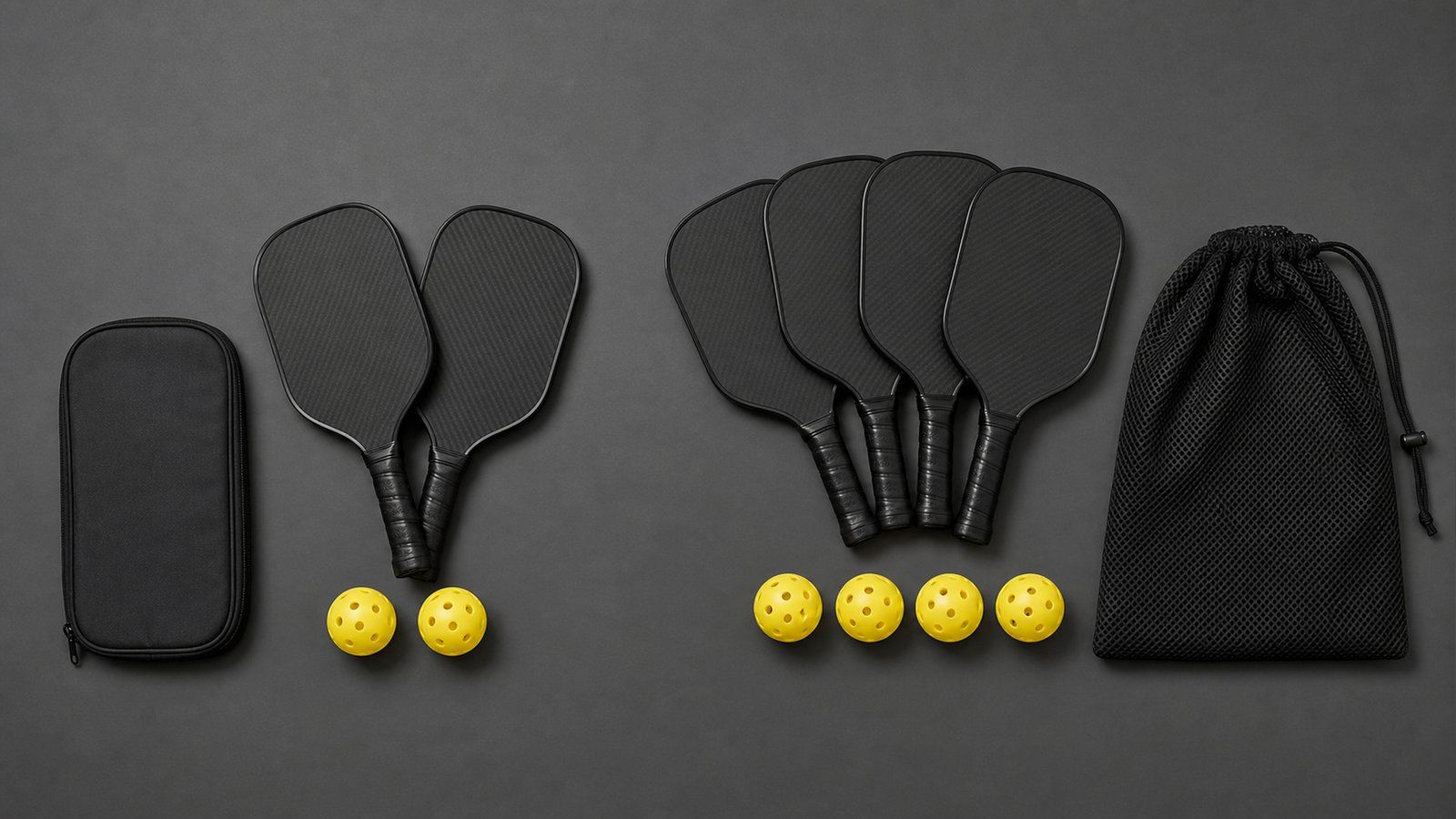
Paddleball, Padel, Paddle Tennis: Which One Are You Actually Asking About?
The phrase "paddle ball" collides with at least four distinct sports, and search engines cannot tell them apart because the people typing it usually cannot either. Sorting them out takes one paragraph each, and it matters commercially because each one implies a different factory.
Paddleball is the original American wall game, played against a one-wall or four-wall court with a small rubber ball — closer in feel to racquetball than to anything else on this list. Pickleball is the open-court sport with a solid, stringless paddle and a rigid moulded plastic ball perforated with holes.
Padel is a doubles sport played inside a glass-and-mesh enclosure where the walls are in play, using a thick perforated racket and a ball close to a tennis ball. Paddle tennis, now formally organised as POP Tennis, is played on a shortened court with a solid paddle and — this is the detail nobody expects — a real tennis ball that has been deliberately punctured to bleed off pressure.
The one distinction that actually separates them
Forget scoring and court size. From a manufacturing standpoint, the useful split is what the ball is, because the ball dictates how much energy the striking implement has to absorb and return, and that decides core material, thickness and construction.
- Rigid moulded plastic ball with holes (pickleball) — low energy return, so the paddle does the work. Rewards a stiff composite panel.
- Pressurised rubber-cored ball (padel) — high energy return off a thick foam core, played off walls, so the racket manages rebound rather than generating it.
- Depressurised tennis ball (POP Tennis) — a tennis ball with the pressure let out, so the paddle handles a heavier, deader impact than a pickleball paddle ever sees.
- Soft rubber ball (paddleball) — a wall game, and the outlier here; it is not a composite-panel category in the way the other three are.
If your interest is the sport, you can stop here with an accurate answer. If your interest is sourcing, the rest of this page is the part that no rules explainer covers: three of these four sports are built from carbon or glass composite panels, and the question worth several thousand dollars is whether one supplier and one set of tooling can produce more than one of them.
The Spec Sheets Side by Side: What Each Governing Body Actually Mandates
Every sourcing conversation about an adjacent category starts in the wrong place — with what a factory says it can do. It should start with what the governing body says the object has to be, because those limits are not negotiable and they are published. The three that matter are the USA Pickleball Equipment Standards Manual (Revision 3.0), the FIP Rules of Padel in force from 1 January 2026, and the POP Tennis Rules. Everything below is quoted from those documents rather than from equipment marketing.
| Parameter | Pickleball (USA Pickleball) | Padel (FIP) | Paddle Tennis (POP Tennis) |
|---|---|---|---|
| Overall size | Combined length + width ≤ 24 in (60.96 cm), incl. edge guard and butt cap | Head + handle ≤ 45.5 cm; width ≤ 26 cm | Not more than 9½ × 18½ in |
| Max length | 17 in (43.18 cm) | 45.5 cm total (handle ≤ 20 cm of it) | 18½ in |
| Thickness | No restriction | ≤ 38 mm, with a 2.5% tolerance allowed at measurement | Not specified; must be solid material |
| Weight | No restriction | Not specified in the racket rule | Not specified |
| Perforation | Not permitted as a face feature | Mandatory — unlimited cylindrical holes, 9–13 mm centre area; up to 20 mm within 4 cm of the edge | Optional — "may be perforated and/or textured" |
| Strings | Solid face, stringless | Solid, perforated | "shall contain no strings" |
| Surface finish rule | Numeric: avg ≤ 30 µm Rz and ≤ 40 µm Rt, six directions per face | Qualitative: both sides flat, "may be smooth or rough" | Texturing allowed; no numeric limit |
| Handle fixture | Butt cap; no tether required | Mandatory wrist cord, non-elastic, ≤ 35 cm, fixed into the handle | None specified |
The three numbers a specifier should copy down
Read that table as a production brief rather than a rulebook and three lines carry almost all the engineering consequence.
The first is pickleball's absence of a thickness and weight limit. USA Pickleball's Equipment Standards Manual states plainly that there is no restriction on paddle thickness and no restriction on paddle weight. That is why the pickleball market argues endlessly about 14 mm versus 16 mm cores — the rules left that entire axis open, so it became the product-differentiation battleground. Padel does not have that freedom: 38 mm is the ceiling, and the 2.5% measurement tolerance means a nominal 38 mm racket has almost nothing in hand.
The second is padel's mandatory perforation. The FIP rule does not permit holes, it requires them: the hitting surface is perforated by an unlimited number of cylindrical holes each measuring between 9 and 13 mm in the centre area, with larger or differently shaped openings up to 20 mm allowed only within 4 cm of the edge. A padel racket without holes is not a stylistic variant, it is an illegal racket.
The third is the asymmetry in surface rules. Pickleball is the only one of the three that hands you an instrument reading to hit: an average no greater than 30 micrometers on the Rz scale and 40 micrometers on Rt, measured in six directions on each face, with no single reading above 33 µm Rz or 44 µm Rt. Padel's rule is a sentence — both sides flat, smooth or rough. If you have been building to the pickleball roughness window, you already own a discipline padel does not formally ask for.
Where the Production Line Diverges: Perforation, Thickness and the Wrist Cord
Here is the question behind the search, for anyone already importing paddles: my supplier makes my pickleball paddles well — can they just make padel rackets too? The honest answer is that the composite skills transfer and the tooling does not, and the reasons are specific enough to check before you ask anyone for a quote.
Perforation is a mould problem, not a drilling problem
The instinct is to assume holes get drilled after moulding. On a structural composite panel that is the expensive way to do it: drilling through a cured carbon or glass laminate cuts the fibres that were carrying the load, leaves an edge that wants to delaminate, and turns every hole into a stress raiser on a part that gets struck thousands of times. Padel's rule asks for an unlimited number of 9–13 mm holes across the whole hitting surface, so this is not a handful of features — it is the defining geometry of the face.
A mould built for a pickleball paddle has a continuous cavity face because a pickleball paddle has a continuous, unbroken hitting surface. To make padel rackets properly you need a tool that forms those openings, which is a different cavity, different core preparation and a different set of process controls. It is a new tool, not a modified one.
38 mm is a ceiling that a pickleball tool has never had to respect
Pickleball paddles live in a thickness band the rules never constrained, and a typical polypropylene honeycomb paddle sits far below padel's 38 mm limit. Padel rackets are thick foam-cored objects that use most of the allowance they are given. A press set up around a thin sandwich panel is not simply "turned up" to produce a part several times thicker: the cavity depth, the core, and the heat and dwell needed to cure through that depth are all different problems.
The FIP's 2.5% thickness tolerance is worth reading twice if you are the one signing the spec. On a 38 mm nominal racket that is roughly 0.95 mm of allowance at inspection — and it is a tolerance on measurement, not a licence to exceed the limit by design.
The wrist cord is a small rule with a real assembly consequence
The FIP requires a non-elastic cord of a maximum length of 35 cm fixed into the handle and put around the wrist, and its use is obligatory. That single sentence adds an anchorage point inside the handle, a component to source, an assembly operation, and a pull-test worth having on the inspection sheet. A pickleball paddle has no equivalent feature anywhere in its build.
What the process literature actually documents
Published research on this exact category is thin, which is itself informative. The most substantial peer-reviewed treatment is a 2022 study by González Ruiz, Blanco and Gascons in Cogent Engineering (vol. 9, no. 1), which applied Six Sigma DMAIC and Value Stream Mapping to composite padel racket manufacture. It names the common manufacturing processes for the category as cutting, laminating and curing, and reports that cost savings and process performance were increased by 18.5% and 15% respectively in the workstations where advanced composite materials are processed.
Two things follow for a buyer. First, the process spine of a padel racket is recognisably the same family as a composite pickleball paddle — cut, lay up, cure — which is why the skills transfer. Second, a peer-reviewed study found double-digit performance available in those workstations, which tells you that variation in this category is normal rather than exceptional. A supplier who has never run the category should not be assumed to arrive at a stable process on your order.
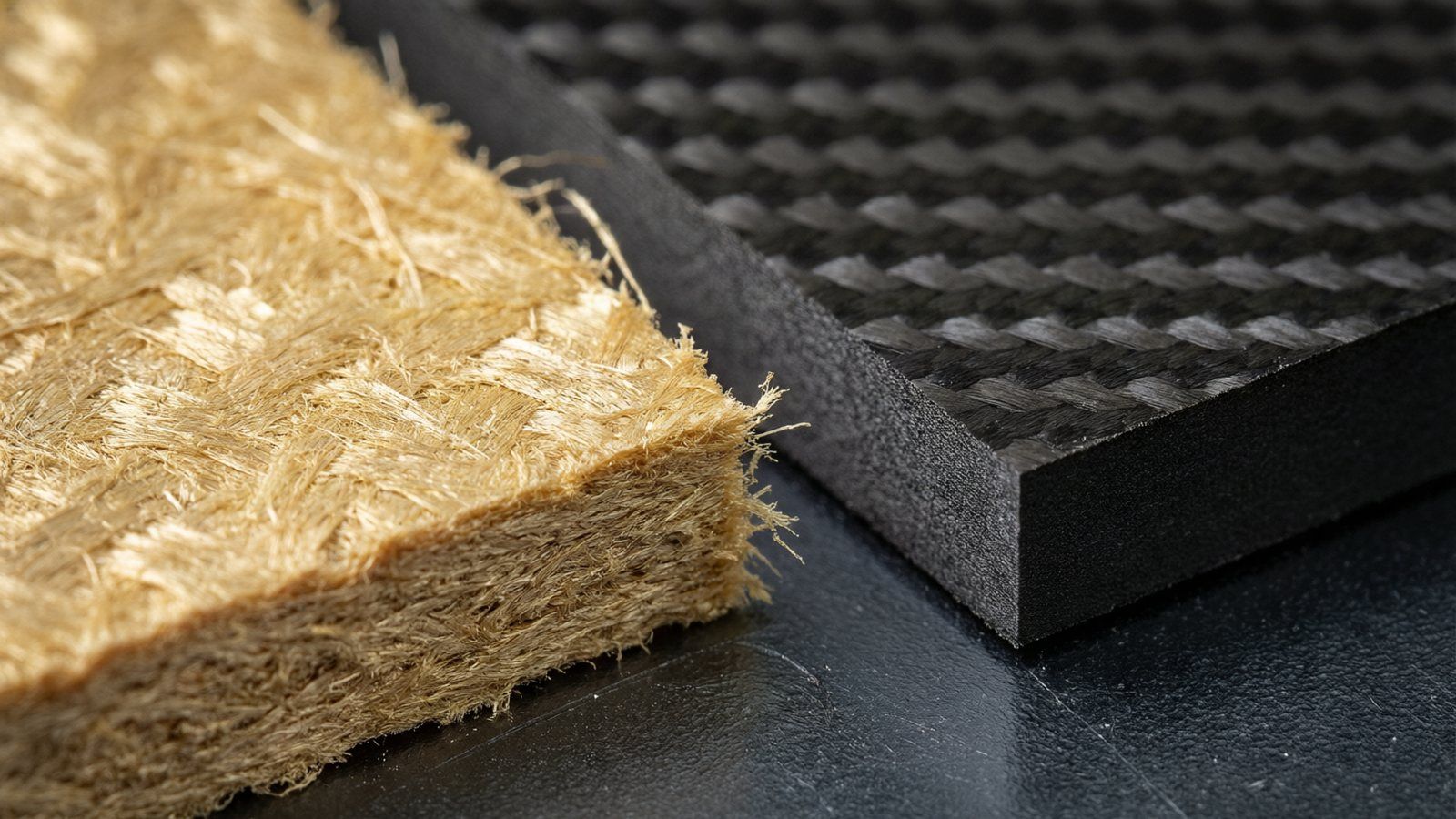
A composite sports-goods factory will rarely say no to an adjacent category, and it is usually telling the truth about its capability in principle. The gap is between capability and a proven process. Before you accept a yes, ask which specific tool the part will run in, whether that tool exists today or is being quoted, and ask to see a racket the line has already produced. "We can make that" and "we have made that" are different sentences, and only the second one has a sample behind it.
For brands and distributors working on the pickleball side of this comparison: our OEM page documents what we actually build — raw T700 carbon and fiberglass faces on 13 mm and 16 mm polypropylene honeycomb cores, in thermoformed unibody or cold-pressed construction, plus the golden-sample approval step and the outbound QC stage that the page documents.
See the paddle OEM specificationWhat Carries Over and What Does Not When You Add an Adjacent Paddle Category
If you are weighing an adjacent category as a line extension, the useful exercise is not "can it be done" — it can — but sorting what you already own from what you are buying for the first time.
Transfers cleanly
- Composite lay-up competence. Cutting, laminating and curing are the named processes on both sides.
- Cosmetics and branding. Paint, film, pad printing and edge treatments are the same disciplines on any moulded composite face.
- Grip and handle assembly. Broadly similar, with the wrist-cord anchorage as the padel-specific addition.
- Packaging, cartons and export documentation. Largely category-agnostic.
- QC culture. If your supplier already holds a numeric roughness window for pickleball, they hold measurement discipline padel does not even demand.
Does not transfer
- The mould. Different outline, different thickness envelope, and for padel a perforated hitting surface. New tool.
- The thickness envelope. Unrestricted for pickleball, hard-capped at 38 mm for padel.
- The certification path. USA Pickleball's roughness and dimensional testing regime has no equivalent in the FIP racket rule, which points to a separate homologation annex instead.
- The ball. Three unrelated tooling problems, covered below.
The balls are not one category, they are three
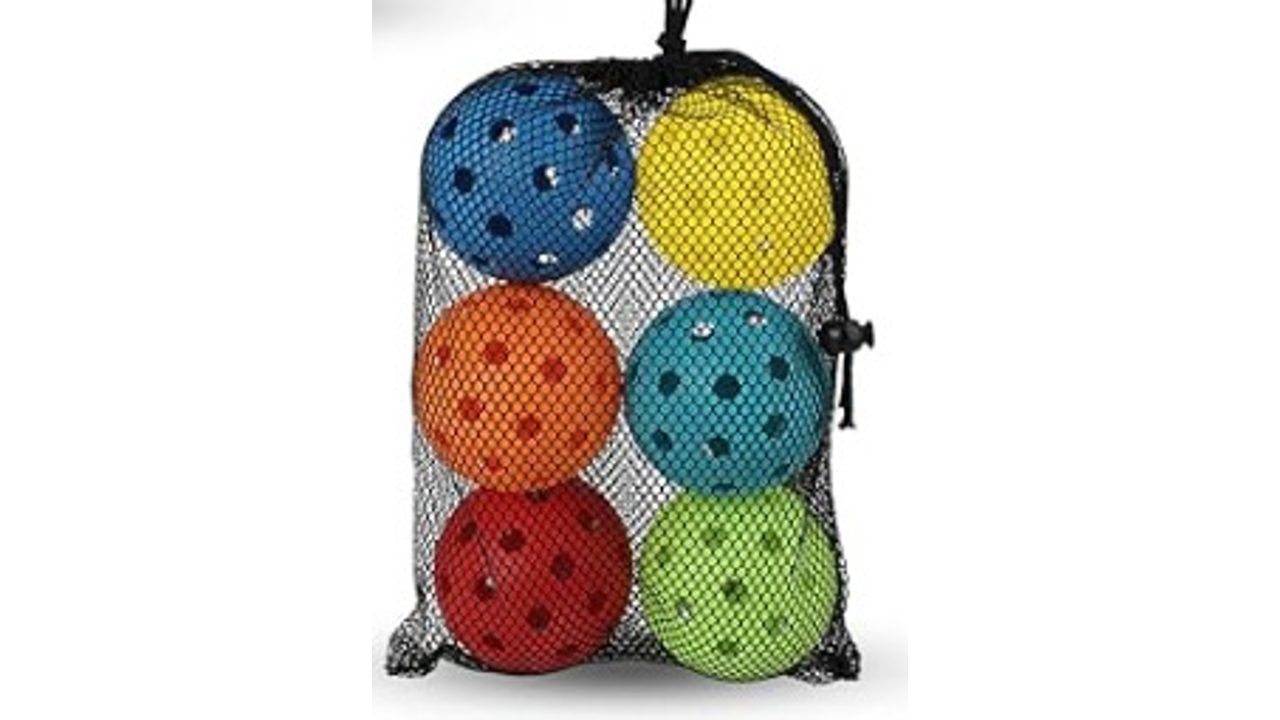
Anyone thinking of a "racket sports" range should treat the ball as a separate sourcing project. A pickleball is a moulded plastic sphere held to 2.87 to 2.97 inches (7.29–7.54 cm) in diameter with an out-of-round variance no greater than ±0.020 inch (0.51 mm), weighing 0.78 to 0.935 ounces (22.1 to 26.5 grams).
A POP Tennis ball is not manufactured as a category at all — the rules specify a USTA-approved pressurised tennis ball whose internal pressure has been reduced by puncturing, such that dropped from 6 feet it bounces between 31 and 33 inches. Padel uses a pressurised ball closer to tennis. Only the first of those is a moulding job, and our breakdown of what pickleballs are made of covers that moulding and its tolerance regime.
What to put in front of a supplier before you ask for a price
One short checklist, and it applies whichever of these categories you are quoting. Bring these and you will get a real answer instead of a brochure.
- Name the governing body and the rule version you intend to comply with, not just the sport.
- State the thickness envelope and the tolerance you expect to be inspected against, in millimetres.
- For padel, state the hole diameter and pattern — 9–13 mm centre, up to 20 mm within 4 cm of the edge — and ask whether the tool forms them or a secondary operation does.
- For pickleball, state the roughness window and how it will be measured; the USA Pickleball method is six directions per face.
- Ask whether the tool exists today, and who owns it once it is paid for.
- Insist on a first-article part from the actual production tool, not a look-alike from a neighbouring mould, and approve it in writing before any quantity is confirmed.
On the commercial questions this page deliberately does not answer: MOQ and tooling cost are set per project, because they depend on the outline, the construction and how many cavities you need, and any figure quoted before those are fixed is a guess. Lead time follows the same logic — a programme running on an existing tool and one waiting on a new mould are not comparable. If you want the pickleball-side numbers, we have written them up separately: what custom paddle tooling actually costs and how custom pickleball paddle manufacturing runs end to end are the two pages that carry the detail this one does not.
What to check on a first article, whichever category you are quoting
The rules above translate into a short list of measurements that either pass or fail. This is the documented inspection sequence for a composite paddle or racket, in the order it is worth doing — each step is cheap, and each one catches a failure that gets expensive later.
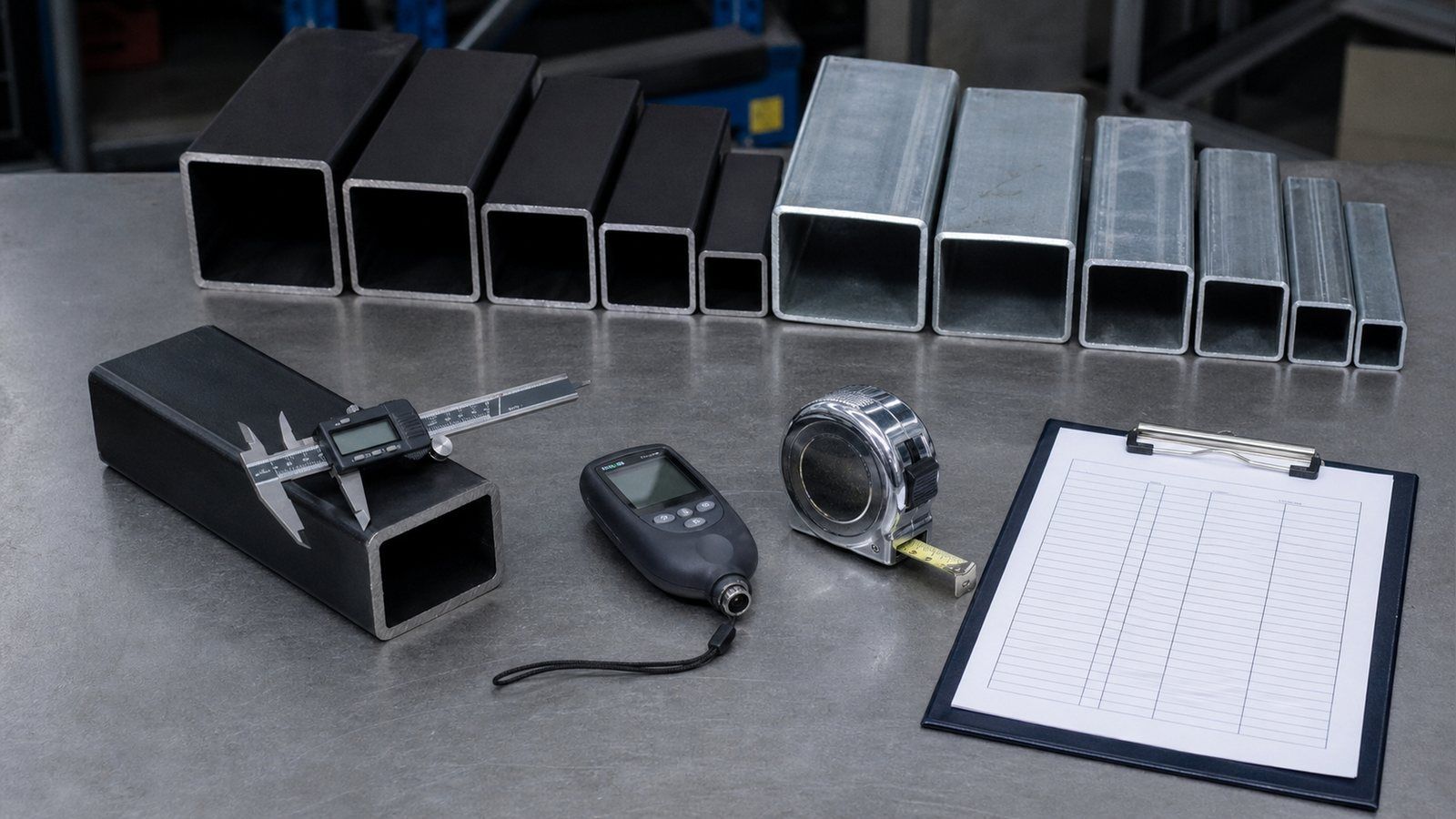
- Dimensional envelope first, with calipers, before anything else. For pickleball, length and combined length-plus-width including the edge guard and butt cap — the edge guard is what pushes a borderline design over 24 inches. For padel, total length, width and thickness against 45.5 / 26 / 38 mm.
- Thickness at multiple points, not one. A single centre reading hides a press that is closing unevenly. Padel's 2.5% measurement tolerance is the whole margin available on a 38 mm design.
- Surface roughness, if the category has a number. Pickleball does: six directions per face, averaged, against 30 µm Rz and 40 µm Rt with no single reading above 33 and 44. Padel does not set one, which means your own spec is the only limit that exists.
- Perforation geometry on padel parts. Hole diameter in the centre area against 9–13 mm, and confirmation that the larger openings sit within 4 cm of the edge rather than wherever the tool happened to place them.
- Bond integrity at the perimeter. The edge is where a hot-pressed panel fails first — tap or section a first article rather than trusting a visual check.
- The wrist cord anchorage on padel, pull-tested. It is mandatory equipment, so a cord that pulls out of the handle is a non-conforming racket, not a cosmetic complaint.
See the process before you specify it
If you have never watched a composite racket being built, this factory tour of HEAD's padel production is a useful twenty minutes — it is a neutral look at R&D, tooling and production from a brand, not a supplier pitch.
Where this leaves a buyer
Pickleball, padel and paddle tennis are adjacent on a shop floor and unrelated in a tool room. A supplier who is genuinely good at composite paddles has most of what an adjacent category needs — the lay-up, the cosmetics, the QC habits — and none of the specific tooling. Treat the decision as buying a mould and a process rather than adding a line item, and the rest of the questions answer themselves. If your programme is on the pickleball side, the two specification decisions that will occupy you most are core thickness and thermoformed versus cold-pressed construction — precisely because, as the table above shows, the rules left both of them open.
Frequently Asked Questions
Is paddleball the same as pickleball?
No. Paddleball is a wall game played with a small rubber ball, closer to racquetball. Pickleball is played on an open court with a solid stringless paddle and a rigid moulded plastic ball with holes in it.
Why do padel rackets have holes but pickleball paddles do not?
Because the rules require it. The FIP mandates a perforated hitting surface with cylindrical holes of 9 to 13 mm in the centre area. USA Pickleball specifies a solid face instead, so a perforated pickleball paddle would not be legal.
Can the same factory make both pickleball paddles and padel rackets?
The composite skills transfer — cutting, laminating and curing are common to both. The tooling does not: padel needs a perforated cavity and a thicker envelope, so it is a new mould rather than a modified one.
How thick can a padel racket be?
The FIP caps thickness at 38 mm, with a 2.5% tolerance allowed when measurements are checked. Pickleball, by contrast, has no thickness restriction at all, which is why its thickness debate is a product decision.
What size is a legal pickleball paddle?
Combined length and width, including edge guard and butt cap, cannot exceed 24 inches (60.96 cm), and length alone cannot exceed 17 inches (43.18 cm). There is no restriction on thickness or weight.
What ball does paddle tennis use?
POP Tennis uses a USTA-approved pressurised tennis ball that has been punctured to reduce its internal pressure, so that dropped from 6 feet it bounces between 31 and 33 inches.
Want to source this quality for your brand?
Contact our factory directly on WhatsApp for an instant MOQ and pricing quote.