Custom Paddle Mold & Tooling Costs: When a Proprietary Shape Pays Off

The question a brand launcher usually asks somewhere around the third supplier email is the one nobody at the factory has volunteered an answer to: what does it actually cost to have our own paddle shape? Everyone quotes unit prices happily. Nobody wants to lead with the tooling number, because the tooling number is where a fledgling brand quietly discovers whether it's ordering paddles or launching a product line. A proprietary shape can be the smartest money you spend or the fastest way to burn the first-round check — and which one it is depends on math that most first-time buyers never see.
This guide walks through what "tooling" really covers on a custom pickleball paddle, the honest cost tiers from a stock shape to a fully proprietary unibody mold, the volume at which the tooling investment starts paying back, and the sharp edges — IP ownership, tool export, thermoformed-vs-cold-press cost gap — that decide whether the tool is an asset or a hostage. Numbers are the ones we quote against real orders as a source factory, not brochure figures.
Key Takeaways
- "Tooling" isn't one item — it's a stack: face mold, edge-foam mold or edge-guard die, drilling and grip fixtures, and packaging dies. Being quoted "the tooling" without a breakdown is the first red flag.
- A stock shape with your graphics costs zero tooling. A modified stock shape (new handle length, tweaked throat) runs a few hundred to low thousands USD. A fully proprietary face + edge-foam mold for a thermoformed paddle starts around USD 8,000 and can pass USD 20,000 with a complex unibody geometry.
- Proprietary tooling amortizes at roughly 3,000–5,000 units for most brands — below that, licensing a stock shape and differentiating on graphics, materials, and story beats a custom mold every time.
- Thermoformed unibody paddles cost 2–4× the tooling of a cold-pressed paddle because the mold has to form the entire perimeter foam wall in one shot, not just the face.
- Tool ownership language in the contract decides whether you can move the shape to a second factory later — if the contract doesn't spell it out, the factory owns the tool no matter who paid for it.
- Tooling amortization schemes — pure setup fee, per-unit surcharge, or hybrid — change your first-order cash outlay by thousands. Pick the one that matches your funding runway, not the one the factory quotes first.
What "tooling" actually covers on a custom paddle
The word "tooling" collapses several separate objects and shop operations into a single quote line. Understanding the stack is the first step to reading a quote and knowing which pieces are negotiable.
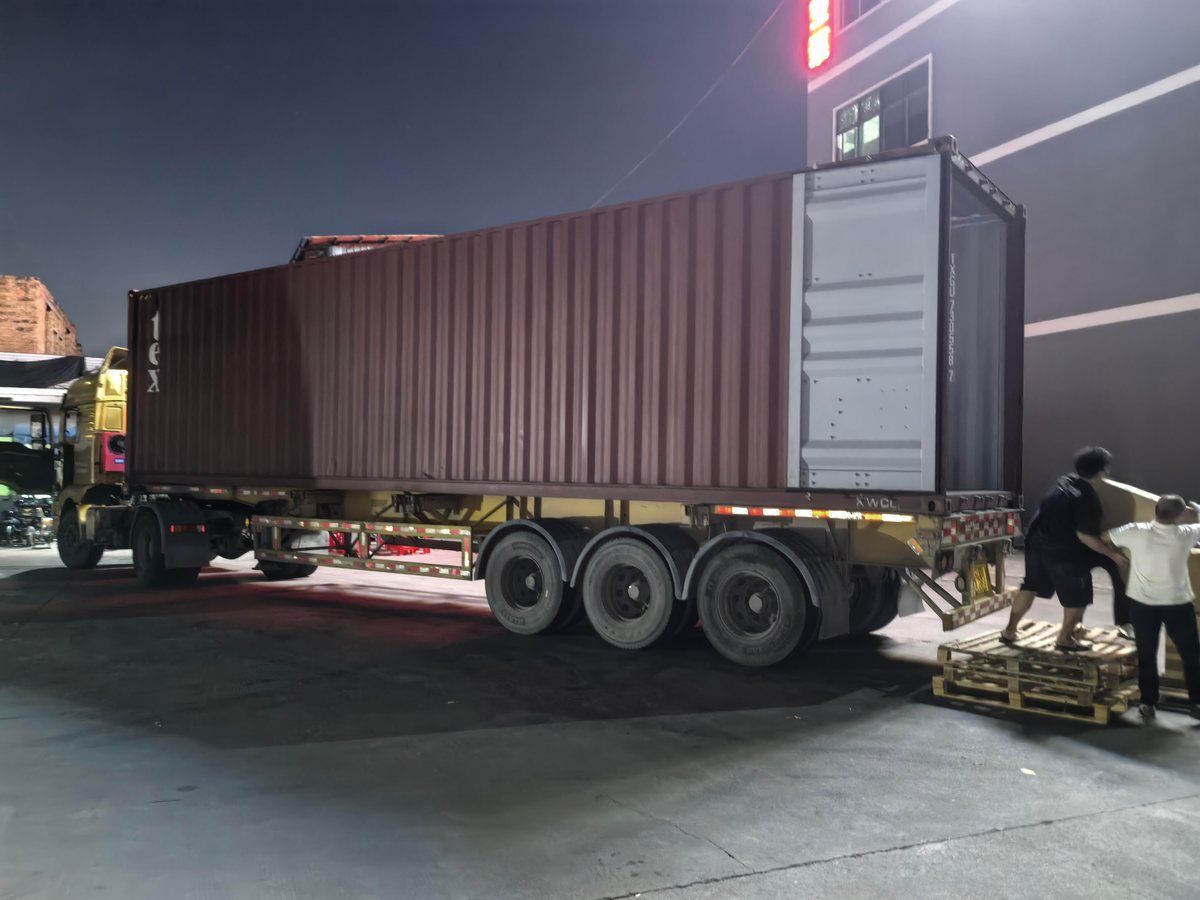
1. The face mold (the big number)
The face mold is what defines the paddle's outline, taper, and any surface texture pressed into the composite. For a cold-pressed paddle it's a two-part CNC-machined aluminum tool that closes on the carbon or fiberglass layup around the core. For a thermoformed paddle it's a heated tool that has to withstand pressure and repeated heat cycles — typically steel with hardened surfaces, and much more expensive. This is the piece most people mean when they say "tooling," and it's the single biggest line item.
2. The edge-foam or edge-guard tool
On a modern thermoformed paddle, the injected foam perimeter is formed in the same shot as the face — that geometry lives in the face mold and drives its complexity. On a Gen-3 style unibody, the foam wall is integral, so there is no separate edge-guard tool at all. On a cold-pressed paddle, the edge guard is an extruded plastic strip cut and heat-bonded around the perimeter, and the "tool" is a die that cuts and forms the strip; that die is comparatively cheap.
3. Drilling and grip-assembly fixtures
The face has to sit in a repeatable fixture while it's drilled for the grip pin and for any face-drilling that some paddles carry. Grip assembly needs its own jigs so the butt cap and grip wrap land square. These are shop-built jigs, usually amortized over the customer's order rather than quoted as a line item — but they exist, they cost the factory real setup time, and skipping them shows up as loose grips returning under warranty.
4. Packaging dies
If you're doing custom retail boxes, hangtags, or shrink-sleeved paddles, printing and die-cutting the packaging is a separate tooling event with its own MOQ and its own timeline. Most brand launchers underestimate this because it's not "the paddle" — but the packaging print run's minimum can easily exceed the first paddle order. The full retail-package sequencing is covered in private-label pickleball packaging.
Cost tiers: from zero tooling to fully proprietary
Between a fully stock paddle and a fully proprietary one, there are four practical tiers. Each has a real dollar range and a real point at which it makes sense.
| Tier | What you change | Tooling cost (USD) | When it fits |
|---|---|---|---|
| 1. Stock shape, custom graphics | Face art, edge-guard color, handle wrap | $0 — pad-print/sublimation setup only | First-order brand launch under 1,000 units |
| 2. Stock shape, minor mold mod | Handle length, throat contour, small taper change | $500 – $2,500 | Repeat brands wanting a small differentiator on the second SKU |
| 3. Fully proprietary cold-press mold | New outline, new hitting surface geometry | $3,000 – $6,000 | Established brand with 5,000+ unit annual volume on the SKU |
| 4. Fully proprietary thermoformed / unibody mold | Full custom face + foam-injected perimeter | $8,000 – $20,000+ | Brands committed to a hero SKU carrying the line |
These are honest source-factory numbers — a trading company adds margin and a US-based agent often doubles them. Bear in mind that a "custom shape" quote that comes in at a few hundred dollars is almost certainly tier 1 or tier 2 masquerading as tier 3; a genuine new mold at CNC-machining scale has real material and labor costs the factory cannot compress.
When does a proprietary shape actually pay off?
The break-even calculation is straightforward once you have the pieces. The tooling investment is a fixed cost; it pays back through either (a) a modest unit-cost saving from having a mold nobody else amortizes across other customers, (b) a higher retail price the proprietary shape supports, or (c) both. In practice, the retail-price lever is the meaningful one for most emerging brands — a proprietary shape is a story, and stories carry margin.
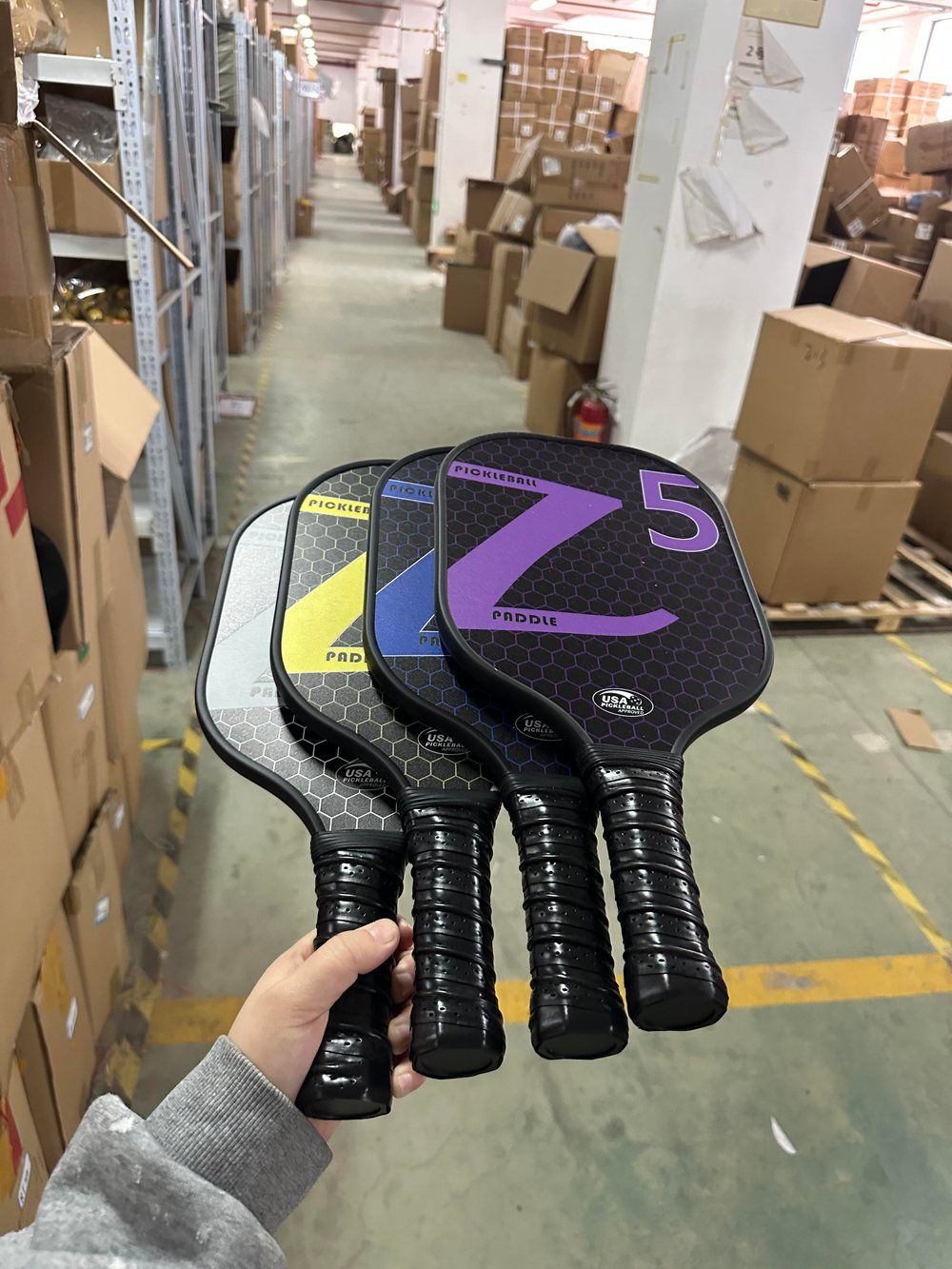
Concretely: a $5,000 cold-press mold that lets you charge $10 more per paddle (through story, differentiation, or a real geometric advantage you can market) breaks even at 500 units. A $12,000 thermoformed unibody mold that adds $25 of defensible margin per paddle breaks even at 480 units. But those "if" clauses are load-bearing — the $10 or $25 has to be real market willingness-to-pay, not brand-founder optimism. Absent a specific reason a customer will pay more, the tooling is a sunk cost you're recovering through unit-cost savings alone, which happens much slower.
If a proprietary shape can't be described in one sentence — what it does that a stock shape doesn't — it won't sell for more than a stock shape. Tooling for its own sake is the most expensive branding line item in this industry.
The starting-a-brand decision this ties into is covered in how to start a pickleball brand, and the volume math specifically for paddles is broken down in why 300 units beats 50 on custom paddle MOQ. Both point to the same conclusion for early brands: license a stock shape, ship, learn what actually sells, then invest in proprietary tooling on the SKU that has proven it deserves it.
What actually drives the tooling number
The four variables below account for the vast majority of the spread between a $5,000 mold and a $20,000 mold. Understanding them lets you have a real conversation with the factory instead of accepting a number.
Construction method: cold-press vs thermoformed
This is the biggest single lever. A cold-press mold is aluminum, machined once, and doesn't have to survive heat cycles at pressure — it lives in a hydraulic press at ambient temperature. A thermoformed mold is steel or heat-treated tool aluminum, machined with tighter tolerances, and cycles through heat and cooling continuously — the metallurgy alone raises the material cost, and the finishing (polishing, chrome, or hardened surface treatments) raises it further. If you're deciding between the two constructions on other grounds, the paddle-construction picture is laid out in thermoformed vs cold-pressed pickleball paddles.
Geometry complexity
A widebody with a straight throat is a cheap shape to machine. An elongated with a compound throat curve, a specific taper into the handle, and a sculpted top edge is three to five times the CNC time and requires a five-axis machine to cut cleanly. Complex shapes are also harder to sample-approve on the first shot — the factory usually eats one or two mold tweaks between prototype and production, and if your shape is genuinely novel, that tweak count grows. The shape trade-offs are worth reading before you commit to complexity.
Surface texture requirements
A smooth mold surface is standard finish. A mold that presses a specific texture — pebble, grid, micro-ridge — into the paddle face adds a texture-etching step to the mold surface itself. The grit and spin question is often what pushes texture into the spec, but be aware that molding texture is more durable than spray texture and more expensive to tool. Peel-ply is neutral to tooling cost because the texture comes from the fabric, not the mold.
Unibody vs face-only tooling
A unibody mold has to form the entire paddle in one piece — face, edge foam, and often the handle geometry — which multiplies mold complexity and volume. This is why Gen-3 style unibody paddles carry tooling costs at the top of the range. Face-only molding leaves the edge guard as a secondary operation, which keeps the mold simpler and cheaper. The current Gen-3 direction is where the industry is moving, but the tooling cost is the entry ticket.
Timeline: what happens between deposit and first shipment
Tooling isn't a service you buy in a week. The whole cycle from CAD approval to first production run typically takes 8–14 weeks on a proprietary mold, and rushing it costs quality more than it saves time.
- CAD design and sign-off (week 1–2): factory engineer works from your design brief, produces a 3D model plus 2D drawings. You review and approve in writing — the drawing becomes the specification the tool is built to.
- Mold CNC machining (week 3–7): for a proprietary cold-press mold, roughly 3–4 weeks; for a thermoformed steel mold, 5–7 weeks. This is where the tooling dollars are spent and it's inflexible — machining time is machining time.
- First-shot sampling (week 7–9): the factory pulls the first paddles off the new mold. Expect issues — resin flow, edge fill, wall thickness — and expect the factory to modify the mold or process to fix them.
- Golden-sample approval (week 9–10): you receive the corrected sample, approve or reject. This is the sample that becomes the QC reference for the production run. The mechanics of the sign-off are covered in golden-sample approval for custom paddles.
- Production run (week 10–14): full order, with the mold now running at production cadence. The tool is amortized against the first order or spread across a scheduled series of orders.
The bigger production-timeline picture including packaging and shipping is in custom pickleball paddle production timeline: spec to shipment.
Amortization: pure setup fee, per-unit surcharge, or hybrid
Once the tooling number is agreed, the next negotiation is how you pay it. Three schemes exist and each has a specific implication for cash flow and per-unit price on future orders.
- Pure setup fee upfront: you pay the full tooling cost as a one-time invoice, separate from the first paddle order. From then on, the unit price on this mold is the same as a stock-mold unit price. Highest cash-out at kickoff, cheapest per-unit price long-term. Right for brands with funded launch budgets.
- Per-unit surcharge (tooling amortized across orders): the factory adds a per-paddle surcharge — often $2–$5 depending on the mold cost — until the tooling is paid off. No upfront invoice, higher per-unit price for the first several thousand units. Right for brands short on launch cash who are confident they will hit volume.
- Hybrid (partial setup + reduced surcharge): you pay half the tooling upfront and amortize the other half at a smaller per-unit fee. Middle-ground cash impact, middle-ground unit-price impact. Most common outcome in real negotiations.
The per-unit surcharge scheme is where new brands unknowingly lose control of the tool. If the surcharge is worded as "tooling maintenance" rather than "amortization until paid," the factory has quietly claimed permanent ownership of the mold, and you're paying rent on your own design.
Tool ownership and IP: the paragraph that matters more than the number
The tooling contract is a document a lot of brands sign without reading and regret two years later. Three specific clauses deserve line-by-line attention.
Ownership of the tool
Default position in most Chinese factory contracts, absent negotiation, is that the factory owns the tool even when the brand paid for it. That's not fraud — it's a legal default that follows the physical location of the object. To own the mold in a meaningful sense, the contract needs to explicitly state that the tool is the brand's property, the factory holds it as a bailee for production purposes, and the brand may retrieve or ship the tool with reasonable notice. Without those words, "we paid for the mold" is a moral claim, not a legal one.
Exclusive use
Even if you own the tool on paper, if the contract doesn't prohibit the factory from producing your shape for other customers, the factory can and sometimes will. "Exclusive use" language protects the shape as a design, not just the physical mold. A useful test: ask whether the factory would sell a paddle from this mold to any other customer without your written permission. If the answer is anything other than a firm no, add the clause.
Tool export and second-source rights
If the relationship with the factory sours — quality drops, prices creep, communication breaks — can you physically move the mold to a different factory? A well-drafted contract explicitly says yes, subject to reasonable notice and clearance of any outstanding invoices. A silent contract leaves you at the factory's discretion, which is a hostage situation the factory generally realizes it can leverage. The broader OEM contract discipline is in OEM payment terms and trade assurance.
Common tooling-cost mistakes we see first-time brand launchers make
The pattern from a factory's side is consistent enough to name. Four mistakes account for most first-tool disappointments.
- Believing "custom mold" quotes under $2,000 for a thermoformed paddle. They are stock-shape work with a graphic overlay. The mold is not custom; the paddle is.
- Locking a proprietary shape before the brand has product-market fit. Tooling before you know which SKU will sell is the highest-variance bet you can make. License a stock shape, sell 500 units, learn what customers actually asked for, then tool.
- Chasing a shape that USA Pickleball hasn't approved. If tournament positioning matters, the shape has to pass approval on the specific construction submitted. Novel geometry can take a submission cycle to get through — plan for it, don't discover it. The approval landscape is covered in USAPA vs UPA-A vs IFP certification.
- Skipping the specs checklist and letting the factory infer intent. Ambiguity in the brief becomes the factory's judgment call. The 7 specs to lock before you order is the pre-tooling worksheet that keeps the mold aligned with what you actually want.
Frequently Asked Questions
How much does a custom pickleball paddle mold cost?
A minor modification to a stock mold — new handle length, tweaked throat — runs USD $500–$2,500. A fully proprietary cold-press mold runs USD $3,000–$6,000. A fully proprietary thermoformed or unibody mold starts around USD $8,000 and can exceed USD $20,000 with complex geometry. Anything quoted well below these ranges as "custom" is almost certainly a stock mold with graphic customization.
At what volume does proprietary tooling break even?
The math depends on how much extra retail price the proprietary shape supports. A common shape: a $5,000 cold-press mold breaks even at 500 units if the shape adds $10 of defensible margin per paddle. A $12,000 thermoformed mold breaks even at 480 units at $25 additional margin. Below those volumes and margins, licensing a stock shape and differentiating on graphics, materials, or story usually wins.
Do we own the mold if we paid for it?
Only if the contract explicitly says you do. The legal default in most Chinese factory agreements, absent negotiation, is that the factory owns the physical tool even when the customer paid the tooling invoice. To own the mold in an enforceable sense, the contract needs a clause naming you as owner, the factory as bailee for production purposes, with retrieval and export rights spelled out.
How long does a custom mold take to build?
CAD design and approval is 1–2 weeks. Cold-press mold CNC machining is 3–4 weeks; thermoformed steel mold machining is 5–7 weeks. Add 1–2 weeks for first-shot sampling and revisions, then another 4–5 weeks for the actual production run. End-to-end from deposit to first paddles shipped is realistically 10–14 weeks on a well-run proprietary tooling project.
Can we move the mold to a different factory later?
Only if the contract specifies you can. Even when you own the tool on paper, without explicit export-and-move rights the factory can and sometimes will refuse to release it — particularly if a commercial dispute is underway. A well-drafted contract permits movement with reasonable notice and clearance of outstanding balances, and names the export documents the factory will provide.
Is thermoformed tooling really 2–4× cold-press tooling?
Yes, and the reason is metallurgical, not markup. A thermoformed mold has to survive heat cycles under pressure, which requires steel or hardened tool-grade aluminum with tighter machining tolerances and often surface treatments like hardened chrome. The material and finishing costs alone account for most of the gap, before any complexity in geometry. If a quote for a thermoformed mold is priced like a cold-press mold, something is being substituted.
Should a first-time brand invest in tooling on the first order?
Almost never. First orders are for learning what your customer will actually buy and pay for. Ship a stock shape with strong graphics, packaging, and story on the first two runs, watch which SKU pulls, then commit tooling to the winner. Investing in proprietary tooling before you have signal is the fastest way to end up amortizing a mold for a shape the market didn't ask for.
Want to source this quality for your brand?
Contact our factory directly on WhatsApp for an instant MOQ and pricing quote.