Sourcing Pickleball Equipment for Schools & Rec Programs: Bulk, Durable, Budget
A PE teacher orders a class set of pickleball paddles online, and six weeks into the semester a third of them have cracked faces, peeling grips, or edge guards hanging loose. The paddles weren't bad — they were the wrong paddles. They were consumer paddles built for a weekend player who owns one, not institutional paddles built to survive thirty middle-schoolers a period, six periods a day, dropped on gym floors and jammed back into a bin. Sourcing pickleball for a school or rec program is a different problem than buying for yourself, and getting it right starts with admitting that.
This guide is for the buyer on the other side of that order — the PE department, the parks-and-rec coordinator, the YMCA program director, the university rec center — who needs equipment that's durable, safe, and affordable at class-set quantities. It covers what institutional use actually demands, how to spec paddles and balls for it, the quantity math for class sets, and why buying in bulk closer to the source usually beats retail for a program that's equipping courts rather than a person.

Key Takeaways
- Institutional buyers optimize for durability, safety, and budget — not performance. A $30 fiberglass paddle that survives a school year beats a $120 carbon paddle that plays beautifully and cracks in a month of class abuse.
- Buy indoor balls for gym use. The 26-hole indoor ball is lighter, softer, and made for smooth gym floors; the 40-hole outdoor ball is for courts and plays too hard and fast indoors.
- Think in class sets, not units. A typical set is enough paddles and balls for a full class rotation plus spares — commonly on the order of 30 paddles and several dozen balls per set — with storage carts and portable nets rounding out the order.
- Lighter paddles and smaller grips suit younger students; a mixed program may want a couple of paddle sizes so hands from elementary to adult can play comfortably.
- At class-set volumes, sourcing closer to the factory — directly or through a bulk institutional supplier — is usually cheaper than retail, and an optional school logo is easy to add on a bulk run.
- Safety and youth-use suitability sit with the buyer: rounded edges, non-toxic materials, and no sharp failure modes matter more for students than for adults. Confirm any applicable youth-equipment requirements for your setting.
What institutional use actually demands
A consumer buys one paddle and wants it to play as well as possible. An institution buys thirty and wants them all still working in June. That single difference reorders every priority. Durability comes first — paddles get dropped, stepped on, and stored roughly, so edge-guard adhesion, face-to-core bond, and grip durability matter more than spin or pop. Safety comes second — with students, rounded edges, non-toxic materials, and failure modes that don't produce sharp edges are non-negotiable. Budget comes third but binds hard, because the order is thirty to a few hundred units on a program budget, so cost per unit drives the decision.
Performance comes last, and that's the mental shift. The premium carbon face and tuned core that a 4.5 player pays for are wasted on a beginner PE class and add cost and fragility a program can't justify. This is the same logic that governs a rental fleet, where equipment is shared, abused, and replaced on a budget rather than cherished — the reasoning is laid out in the guide to choosing rental paddles for a club, and it applies doubly to a school where the users are students.
| Priority | What it means for the spec | Consumer buyer rank |
|---|---|---|
| 1. Durability | Edge-guard bond, face-core bond, grip life under shared abuse | Lower |
| 2. Safety | Rounded edges, non-toxic materials, dull failure modes | Lower |
| 3. Budget | Cost per unit across 30+ paddles, not per paddle | Medium |
| 4. Performance | Enough to teach the game; premium spin/power wasted here | Highest |
Speccing paddles for a program
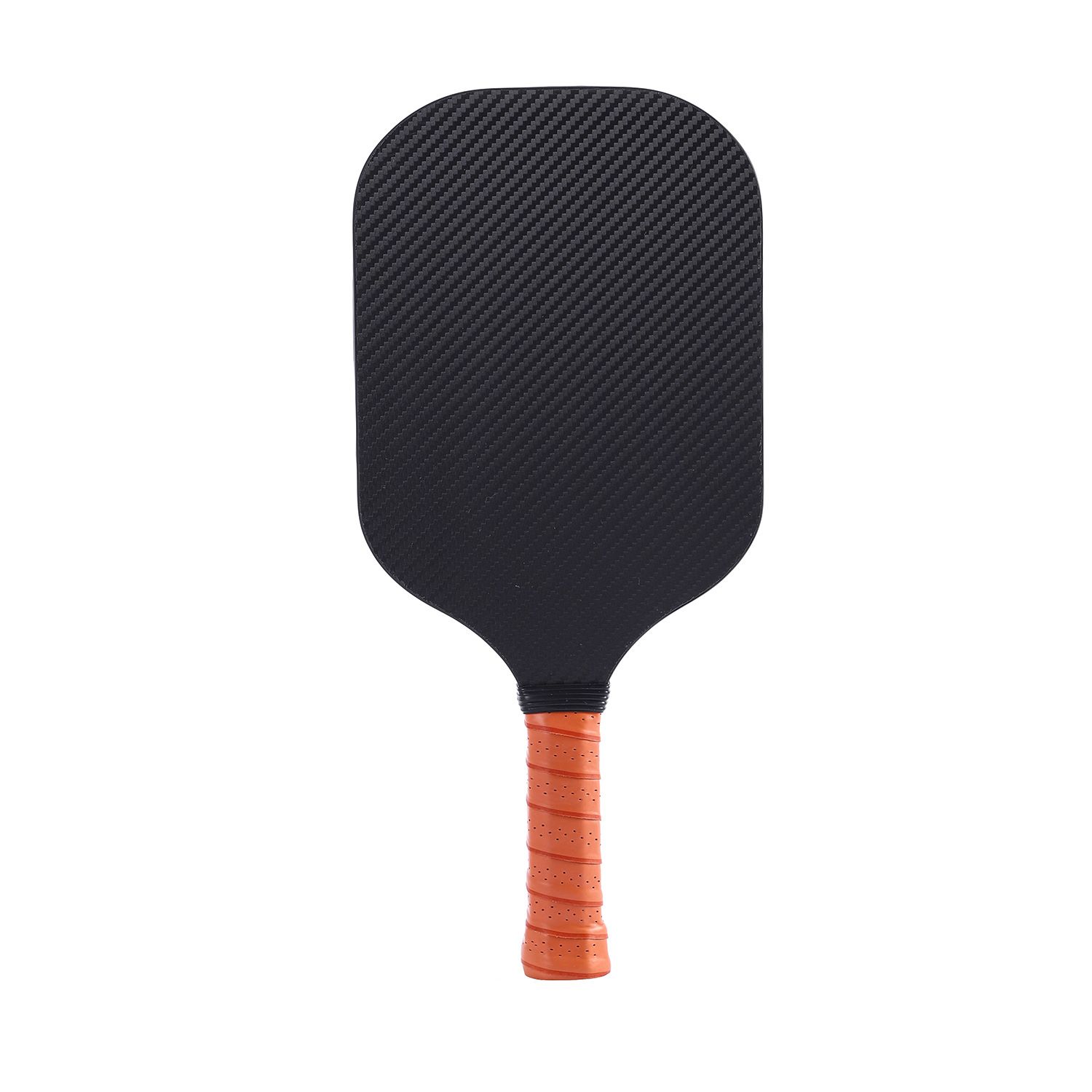
The right program paddle is usually a fiberglass or entry carbon face on a durable polypropylene core — enough performance to teach the game, built for abuse. Prioritize a well-bonded edge guard (the first thing to fail on shared paddles), a solid face-core bond that won't delaminate, and a durable grip that survives sweaty hands and constant re-gripping. A mid-thickness core around 16mm is forgiving for beginners, which matters more here than power. Skip the premium raw-carbon faces; the material reasoning is in pickleball paddle materials, and the short version for a program is "durable and cheap beats fast and fragile."
Size for the students. Younger children play better with lighter paddles and smaller grip circumferences, so an elementary program may want lighter, smaller-grip paddles while a high school or adult rec program uses standard sizes. A mixed-age facility often orders two grip sizes — the sizing logic is in the pickleball grip size guide. If a program wants its name on the paddle, a bulk run makes a printed school or district logo cheap to add, turning a generic paddle into program property that's less likely to walk off.
Balls: indoor for the gym
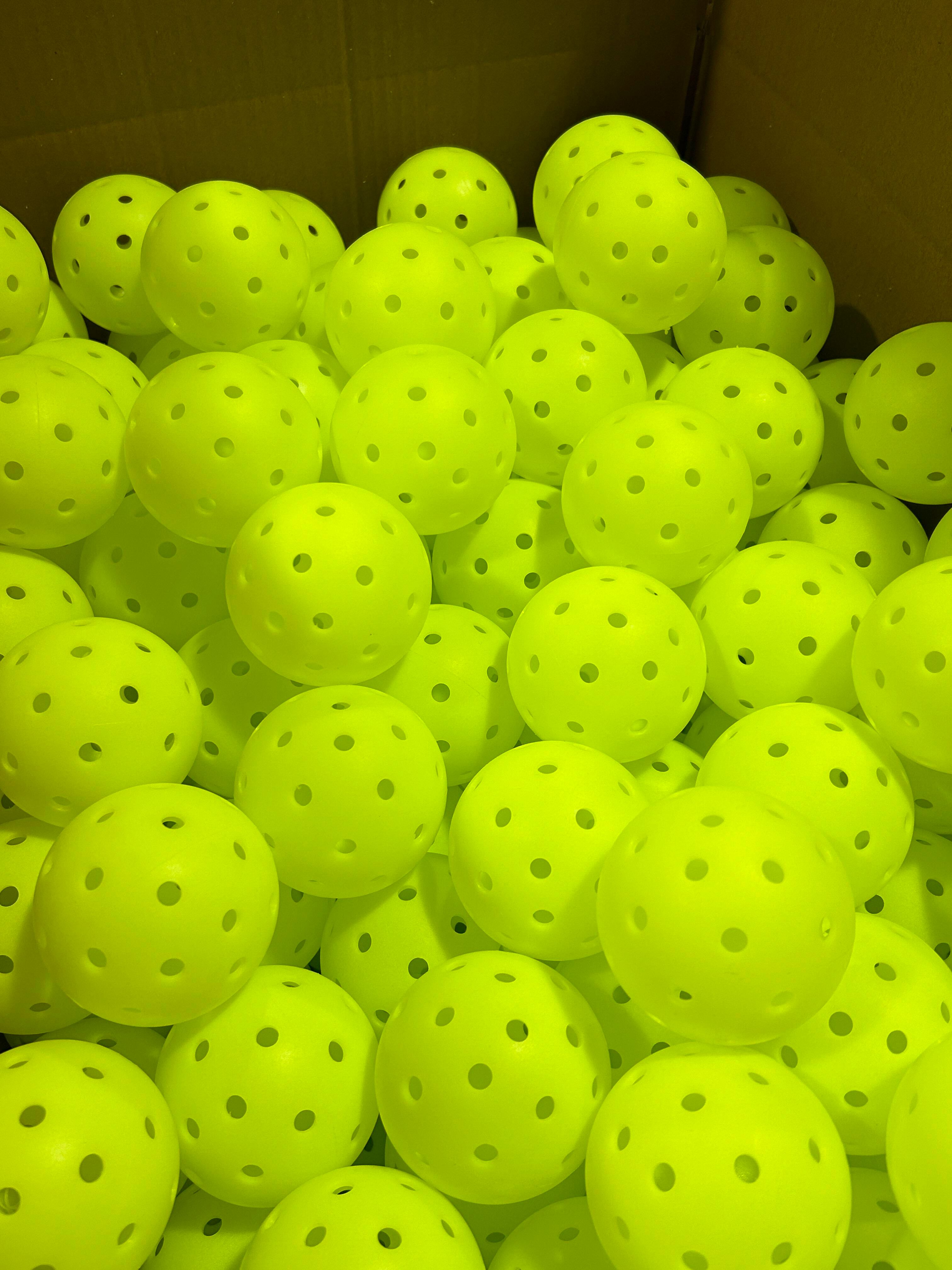
Match the ball to the surface. Most school pickleball happens in a gym, and the 26-hole indoor ball is the right choice there — it's lighter and softer than the outdoor ball, plays at a controllable speed on a smooth floor, and is more forgiving for beginners. The 40-hole outdoor ball is harder and faster and belongs on outdoor courts; used indoors it plays too lively for a teaching environment. If the program plays on outdoor courts too, order both and keep them separated — the full difference is in indoor vs outdoor pickleball balls.
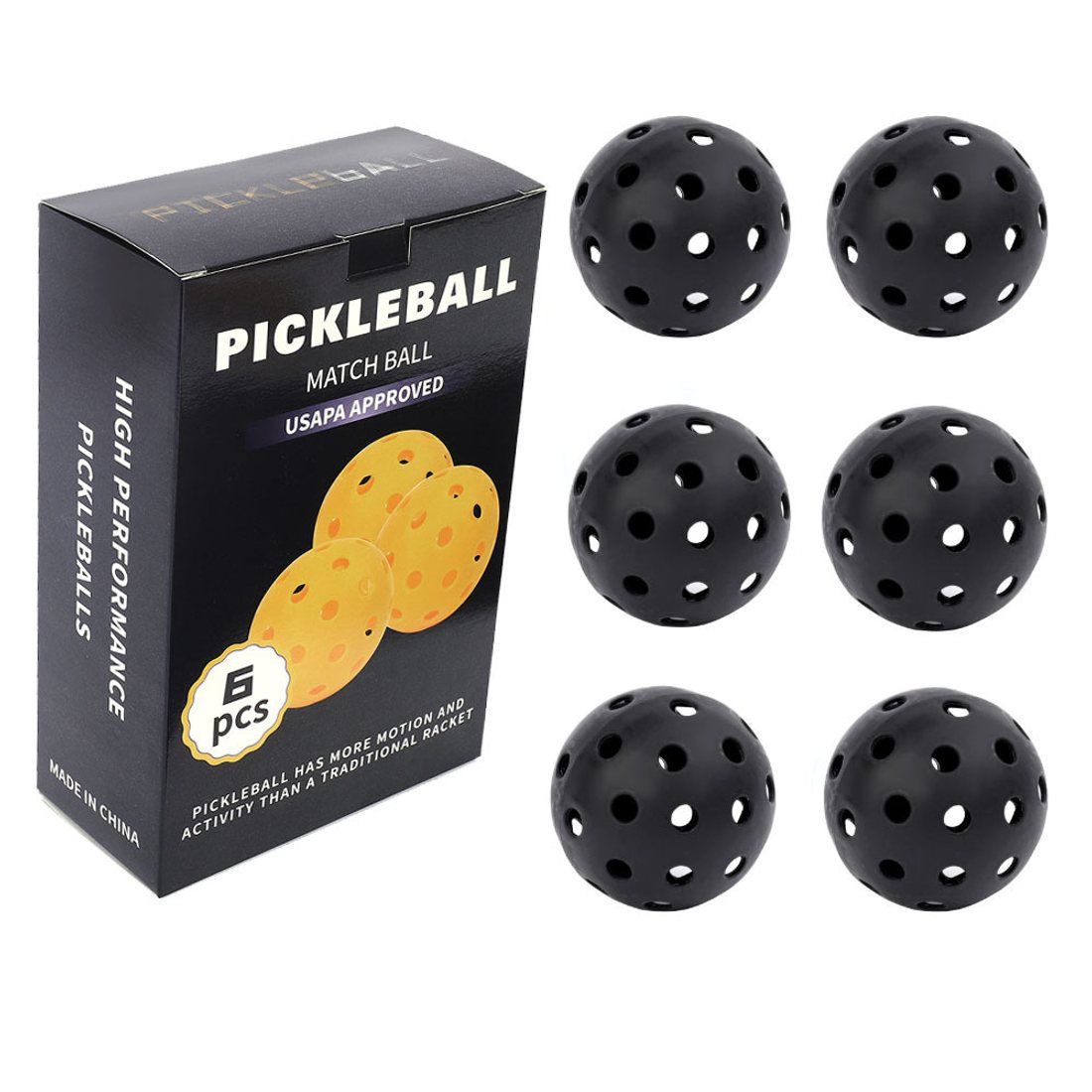
Buy balls in bulk and treat them as consumable. Balls crack and get lost at a much higher rate in a class than in a home, so high-visibility color (easy to spot on a gym floor) and a sensible per-case price matter more than any performance claim. A case or two of indoor balls per set of courts, reordered each season, is a normal cadence — the wholesale specifications and order minimums are in wholesale pickleball ball specs and MOQ.
Quantities, carts, and nets
Think in class sets. A set sized for a full class rotation plus spares is the practical unit, and the rest of the order is the infrastructure that keeps it usable.
| Item | Typical class-set quantity | Notes |
|---|---|---|
| Paddles | ~30 per set (plus spares) | Enough for a full class; add 10–15% spares for breakage |
| Indoor balls | Several dozen per set | Consumable; reorder each season |
| Portable nets | 1 per playable court | Portable for gyms that convert; permanent only for dedicated courts |
| Storage cart / bag | 1 per set | Keeps paddles and balls organized and mobile between classes |
Nets are usually portable for a school, because the gym is a shared multi-sport space that has to convert between classes — a permanent net system only makes sense for a dedicated court. The portable-versus-permanent trade-off, and what a quality portable net needs (a real center strap, a stable powder-coated frame), is in wholesale pickleball nets. A storage cart or wheeled bag per set is the unglamorous item that determines whether the equipment is still organized and findable in month three.
Budget: why bulk-direct beats retail
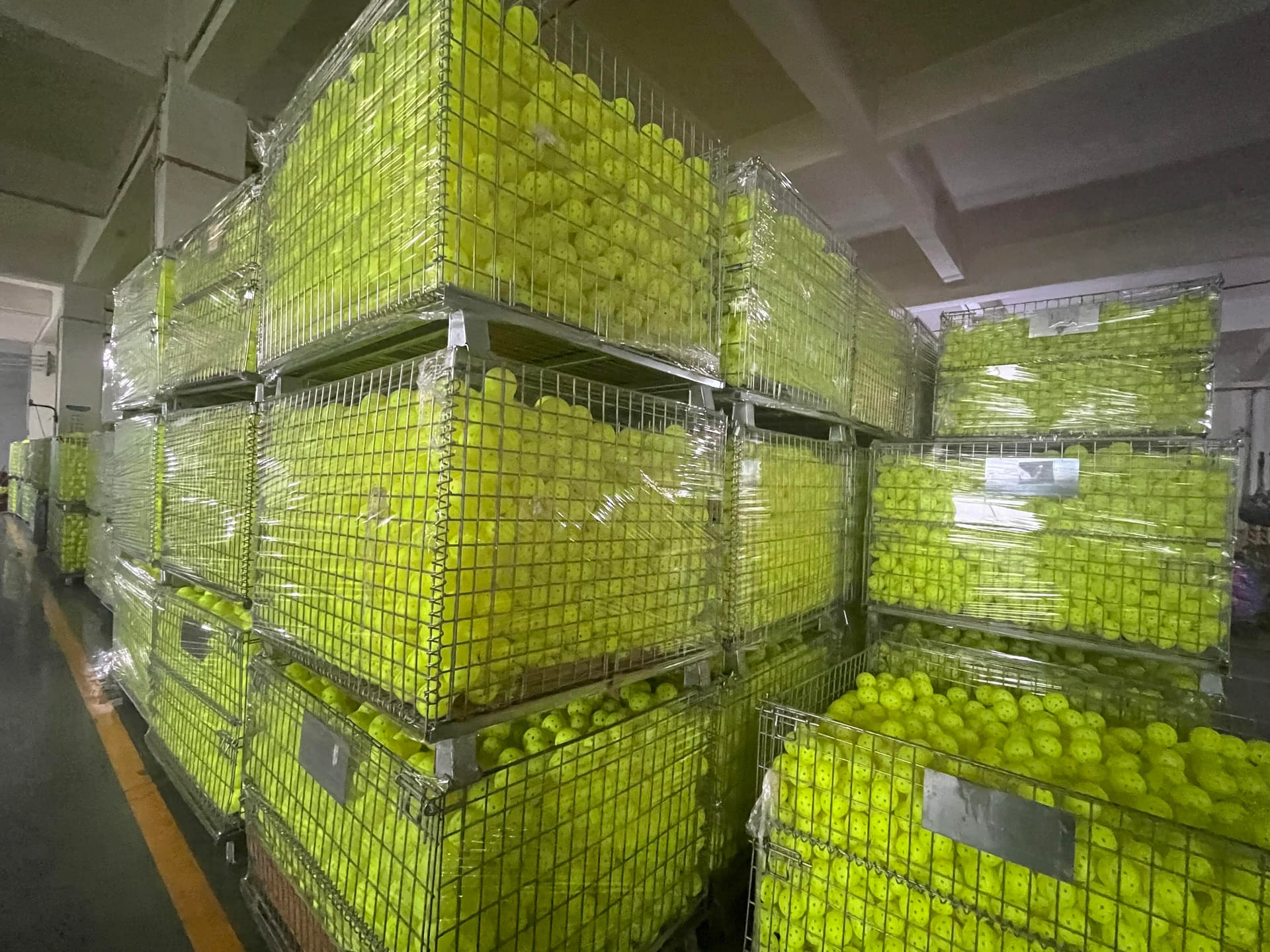
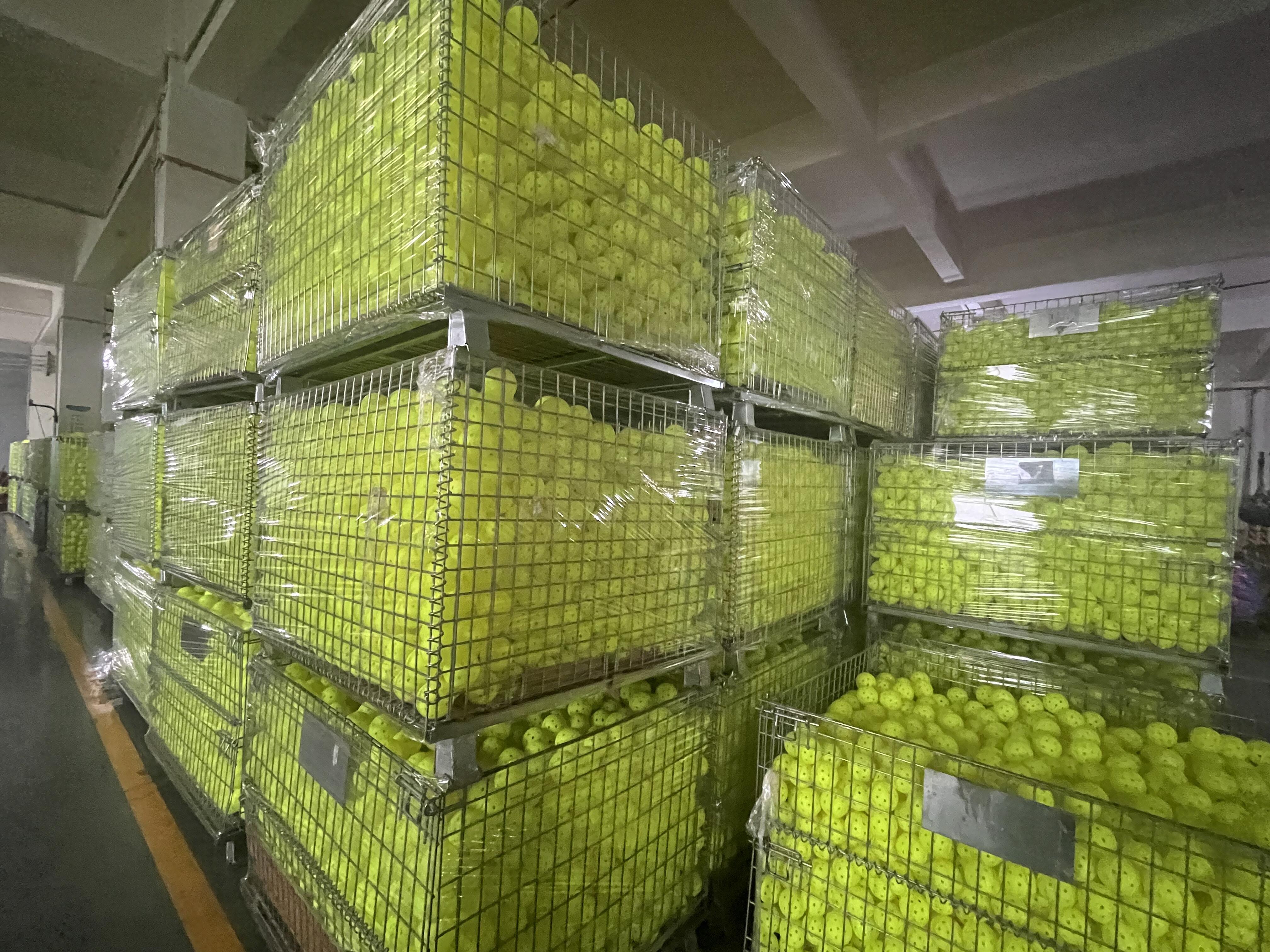
A program buying thirty-plus paddles and cases of balls is buying at a volume where retail pricing stops making sense. Every retail paddle carries the cost of individual packaging, distributor margin, and store markup — overhead that's invisible on one paddle and painful across a hundred. Sourcing closer to the factory, either directly or through a supplier that specializes in bulk institutional orders, strips those layers out. The minimums are lower than most first-time buyers expect; a class set or two is often within reach of a factory's order threshold, and the custom paddle MOQ guide lays out where those thresholds sit.
Institutional buying also comes with process — purchase orders, quotes, sometimes competitive bids, and net payment terms. A supplier used to serving schools and rec departments handles POs and formal quotes as routine, which a pure consumer channel often can't. And because a bulk order is a real commitment, a written warranty or defect-replacement understanding is worth having up front, the same discipline covered in bulk paddle warranty terms — a program that loses ten paddles to a bad batch needs a replacement path, not an apology.
Safety and youth suitability
Equipment for students carries a higher safety bar than adult gear, and it sits with the buyer. Paddles should have rounded edges and edge guards that stay attached, non-toxic materials (relevant anywhere younger children handle and inevitably mouth equipment), and failure modes that don't create sharp edges — a paddle that cracks should crack dull, not into a blade. Balls should be a size and hardness appropriate to the age group; the softer indoor ball is also the safer classroom choice.
Youth-equipment requirements vary by setting and jurisdiction, and products intended for younger children can attract additional safety-standard obligations that adult sporting goods don't. Program-run pickleball for teens and adults is generally lower-risk, but if elementary-age or younger children are the users, confirm the applicable safety expectations for your program. National PE curriculum resources such as SHAPE America frame how pickleball fits a physical-education program, and the broader consumer-safety picture for imported sporting goods is in CE, CPSIA and REACH safety compliance. When in doubt on youth requirements, confirm with a compliance advisor before a large order.
Best for / not for: institutional direct sourcing
Sourcing a class set in bulk is right for most programs, but not every situation.
| Bulk-direct sourcing fits | Retail or local supply fits |
|---|---|
| Equipping one or more class sets or multiple courts at once | Needing three paddles to trial the sport before committing |
| A recurring program that reorders balls and replaces paddles yearly | A one-off event with no ongoing program behind it |
| Budgets tight enough that per-unit cost genuinely matters | An urgent gap where you need gear this week and lead time won't allow it |
Frequently Asked Questions
What kind of pickleball paddle is best for schools?
A durable, budget-friendly build — typically a fiberglass or entry carbon face on a polypropylene core — with a well-bonded edge guard, a solid face-core bond, and a durable grip. Skip premium raw-carbon performance paddles; they cost more and are more fragile than a program needs. For students, durability and safety outrank performance, and a paddle that survives a school year of shared use is the right call over one that plays beautifully and cracks.
Should schools use indoor or outdoor balls?
Indoor balls for gym play. The 26-hole indoor ball is lighter and softer, plays at a controllable speed on a smooth gym floor, and is more forgiving for beginners. The 40-hole outdoor ball is harder and faster and belongs on outdoor courts. If a program plays both indoors and outdoors, buy both types and keep them separated by surface.
How many paddles are in a class set?
A common class set is around 30 paddles — enough for a full class rotation — plus a 10–15% spare allowance for breakage, along with several dozen balls, a portable net per playable court, and a storage cart. Exact numbers depend on class size and court count, but sizing for a full rotation plus spares is the practical approach rather than buying exactly the minimum.
Can we get our school logo on the paddles?
Yes, and a bulk order is exactly when it's affordable. A printed school or district logo on a class-set run adds little per-unit cost and turns generic paddles into identifiable program property, which also reduces the chance they walk off. Ask the supplier about logo printing when you request the class-set quote.
Is it cheaper to buy in bulk direct than at retail?
For class-set volumes, generally yes. Retail pricing bakes in individual packaging, distributor margin, and store markup that add up fast across dozens of paddles. Sourcing closer to the factory — directly or through a bulk institutional supplier — strips those layers out, and order minimums are often lower than first-time buyers expect. Purchase orders, formal quotes, and net terms are standard when working with a supplier used to serving programs.
Are there safety requirements for youth pickleball equipment?
Equipment for students should have rounded edges, non-toxic materials, and failure modes that don't create sharp edges, and the softer indoor ball is the safer classroom choice. Products intended for younger children can attract additional safety-standard obligations that adult sporting goods don't, and requirements vary by setting and jurisdiction. Teen and adult programs are generally lower-risk, but confirm the applicable youth-equipment requirements for your program before a large order.
Want to source this quality for your brand?
Contact our factory directly on WhatsApp for an instant MOQ and pricing quote.