First Order From a China Supplier: A Risk Ladder
The first wire is the one that hurts. You have a quotation, a fast-answering factory, and a budget that will not cover every safeguard a first-time importer is told to buy: an inspection, a certificate, a mould, a printed colour box. Something gets cut, and page one will not say which, because it is written as a sequence of steps rather than a claim on limited money.
Spend in this order. Payment structure first, because negotiating it costs nothing and it caps any loss. Inspection second, because it is the cheapest instrument that turns a guess about quality into a measured number. Entry paperwork third, because a container cannot be given an origin mark or a certificate after it lands. Landed cost fourth. Tooling and printed packaging last. The rule underneath the ladder: buy the controls that cap or transfer a loss before those that make an unproven product nicer.
Key Takeaways
- Rank by exposure, not by chronology. Loss-capping controls outrank product-improving ones.
- The payment split is free. Incoterms 2020 has been in force since 1 January 2020.
- A credit pays against documents. UCP 600 banks read paper, not paddles.
- Your sampling clause may name a withdrawn standard. ISO 2859-1:1999 was withdrawn on 22 January 2026.
- Some paperwork has no retrofit. An unmarked article carries an extra 10% ad valorem duty.
- One classification is not one duty line. A 2025 CBP ruling produced four tariff lines.
- Tooling and colour boxes go last. Both raise the cost of being wrong about demand.
On this page
Rung three is the one a first-time importer usually meets too late, so it is worth taking from the agency that enforces it rather than from a supplier: this short CPSC business-education briefing sets out what certificate data has to be filed electronically at entry, and who is on the hook to file it.

The Ladder: Five Ways A First Order Goes Wrong, Ranked By Exposure
Every checklist on page one lists the same five controls and none ranks them. Chronology fails as an ordering rule because it treats the calendar as the constraint when the constraint is cash. Follow a step list on a short budget and you run out in the middle, having bought whatever came first rather than what protected most.
Exposure is the better axis. Two of the five cap a loss, one transfers a loss you cannot reverse, one is arithmetic rather than spend, and the last two only make a product better if it sells. The table sets out what each rung costs without its control.
Order size decides how much of this you choose between. This factory publishes 50 pcs as the paddle floor and 1,000 pcs as the ball floor, so a first order is a test, not a bet. Sizing that first order is a separate question from sequencing the spend.
| Rung | The exposure | The control you buy | Last moment it is buyable | Verdict |
|---|---|---|---|---|
| Rung 1: Deposit | Money gone before any goods exist | A payment split and a named Incoterms 2020 rule | Before the deposit leaves your bank | Buy first. It costs nothing but a conversation |
| Rung 2: Quality | A lot that arrives unsellable | Inspection against a named sampling plan and edition | Before the balance is released | Buy second. Cheapest certainty per dollar |
| Rung 3: Entry | Goods held, marked up, or penalised at the border | Bond, origin marking, and any certificate the product owes | Before the cartons are packed | Buy third. No retrofit exists |
| Rung 4: Margin | A landed cost above your retail plan | Classification checked and every Chapter 99 line counted | Before you publish a retail price | Buy fourth. It is arithmetic, not spend |
| Rung 5: Brand | Cash sunk into an unproven SKU | Tooling, printed colour boxes, own-model certification | Any time after the first lot sells | Defer. Reversible spend wins on order one |
| Control | Window closes | What fixes that deadline | What is left afterwards |
|---|---|---|---|
| Payment split, and the trade term named with its edition | When the deposit leaves your bank | Incoterms 2020 (1 January 2020); UCP 600 (1 July 2007) | The deposit is the whole exposure, and nothing above it recovers the money |
| Country-of-origin mark on the article itself | When the production line runs | 19 U.S.C. 1304(a) | Export, destroy or re-mark before liquidation; otherwise 10% ad valorem under 1304(i) |
| Inspection booked against an approved golden sample | When the balance is released and the lot ships | ISO 2859-1:2026, third edition, published 22 January 2026 | The lot is accepted on a guess, not a measured defect rate |
| Customs bond, and certificate data if a rule applies | At entry | 19 CFR 142.4; 16 CFR part 1110; electronic filing at entry since 8 July 2026 | Merchandise is not released from CBP custody |
| Duty lines behind one classification | No window — it is arithmetic, reported at entry | CBP ruling NY N347450 (2025); 19 U.S.C. 1592; 19 U.S.C. 1621(1) | Acted on within five years of the violation; only fraud runs from discovery |
| Tooling and printed retail packaging | No deadline | Published floors: 50 pcs paddles, 1,000 pcs balls | Nothing is lost by waiting; buying early commits money before a unit sells |
Rung One: Fix The Payment Structure Before You Argue About Price
Until the goods exist, your deposit is 100% of your exposure and nothing else on the ladder recovers it. This rung is also the only control you buy with a sentence in an email instead of a payment.
Two documents do the work. The first is the trade term. Incoterms 2020, the current ICC edition, entered into force on 1 January 2020, and the ICC describes each rule as a clear allocation of cost, risk and obligations. Name the rule and its edition in the order, then read that rule’s own text for the transfer point.
The second is the payment instrument. A split transfer takes its value from what must be true before the balance moves. The heavier option is a credit, governed by UCP 600, ICC Publication No. 600, in force since 1 July 2007. Read what it promises: banks examine documents. A conforming set of paper can sit on top of a container of unsellable paddles, so a credit protects the sequence of your money, never the goods.
Settle three lines before the deposit leaves: the trade term with its edition, the event that releases the balance, and the documents the factory presents for payment. Escrow and platform options sit beside these in the guide to payment terms and trade assurance.
Rung Two: What One Sampling Plan Actually Buys You
Start with a defect probably already in your purchase order. The sampling standard most contracts name is ISO 2859-1:1999, the second edition of November 1999. It was withdrawn on 22 January 2026 with its 2011 amendment, and replaced the same day by ISO 2859-1:2026, the third edition. A clause naming the old edition points at a document its own publisher has retired, and fixing that costs one line in a template.
The standard supplies sampling plans indexed by acceptance quality limit, plus switching rules that move an inspection between normal, tightened and reduced as a supplier’s record changes. The third edition adds skip-lot procedures. What it does not supply is a defect allowance, and reading AQL as one costs money. This site takes the table apart step by step.
The arithmetic makes this rung decidable. A lot of 3,200 pcs at general inspection level II draws a sample of 125 pcs and accepts on 7 defectives at AQL 2.5, on a single normal plan. Those values come from the withdrawn 1999 tables, so read your own out of the current edition. An inspection buys a measured defect rate for a fixed fee. What it insures against is the lot value times the share you cannot sell, plus the freight already paid. Run the two against each other and the decision stops being a matter of nerve.
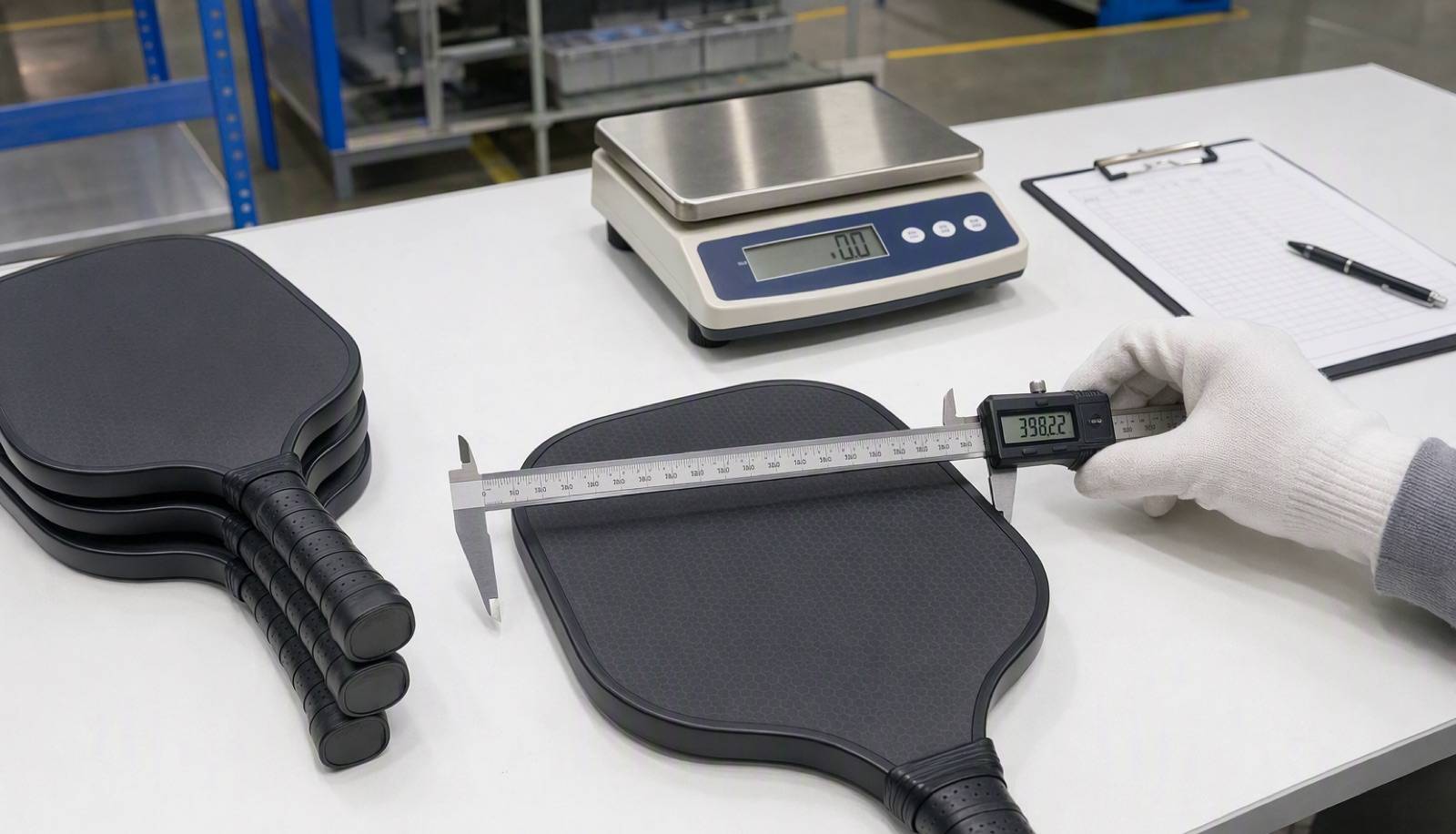
Book it before the balance is released. That timing is the control, and it is what the pre-shipment inspection walkthrough and the agency comparison are for. An approved golden sample is what the inspector measures against, so it is a prerequisite.
Rung Three: The Paperwork A Container Cannot Be Given Later
The first two rungs protect money. This one protects admissibility, and it is where a first-time importer learns what cannot be delegated at all.
The Bond Comes Before The Release
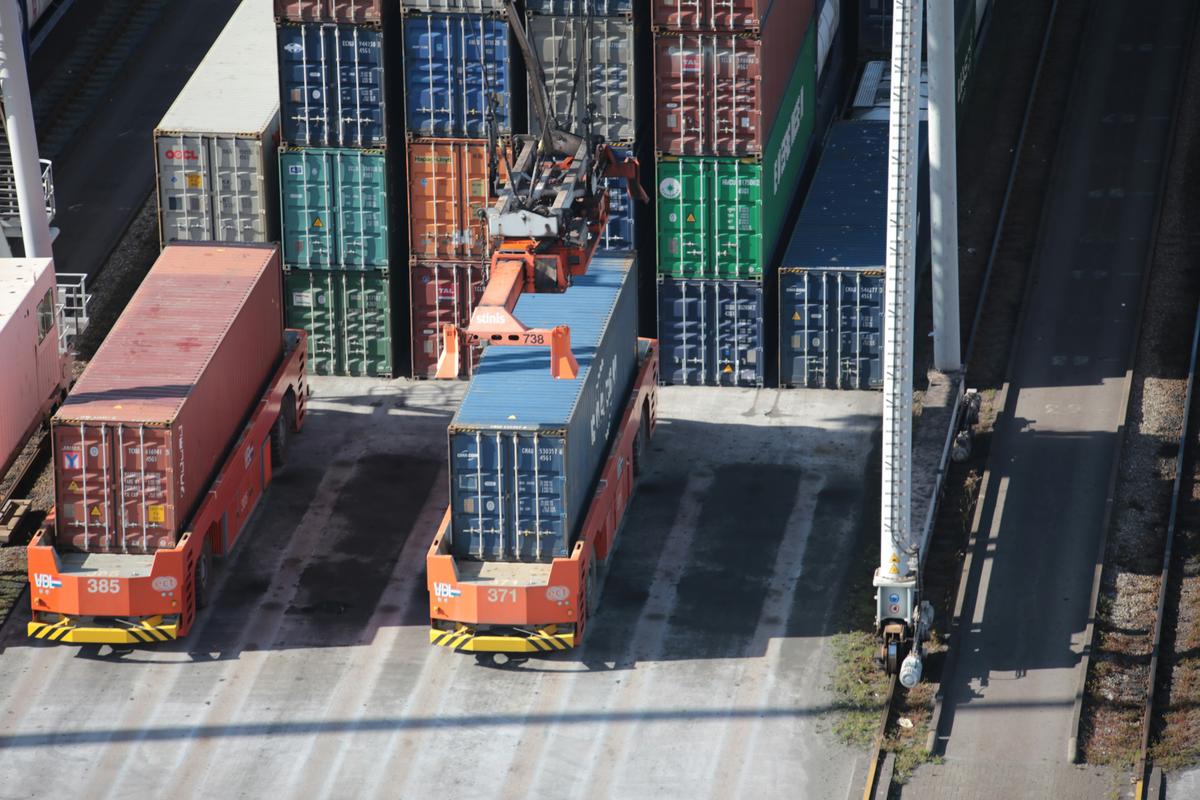
Under 19 CFR 142.4, merchandise is not released from customs custody unless a single-entry or continuous bond on CBP Form 301 has been filed. A port director may waive the surety only where the value does not exceed $2,500, the entry summary is filed and duties deposited before release, and the importer has no delinquency record. Never for quota goods or goods difficult to appraise. The same $2,500 figure sets the informal-entry ceiling in 19 CFR 143.21, which is a value test rather than a test of how many cartons you shipped.
The Mark Is Made On The Line
19 U.S.C. 1304(a) requires every article of foreign origin, or its container, to be marked conspicuously, legibly, indelibly and permanently with the English name of the country of origin. Subsection (i) attaches a duty of 10% ad valorem to an article not properly marked and not exported, destroyed or marked before liquidation. That is a production-line decision, so it belongs in the specification, not the shipping conversation. The marking guide for paddles covers placement and permanence.
The Certificate Branch, And Who Owes It
A certificate is owed only where the product is subject to a consumer product safety rule. Under 16 CFR part 1110, revised effective 8 January 2025, the importer is the certifier for an imported finished product, and the certificate must reach each distributor or retailer. CPSC states that third-party testing is not required for general-use products; it belongs to children’s products.
Since 8 July 2026, importers of in-scope products file that certificate data electronically at entry, with foreign-trade-zone entries following on 8 January 2027. So the question before the cartons are packed is narrow: does a rule apply to this SKU, and who is it marketed to. A set aimed at under-twelves is a different product in law from the same paddles sold to adults, and children’s-product testing follows. Put that to the CPSC or a licensed broker, not a supplier.
Rung Four: A Classification Is Not One Duty Line
A first-time importer asks the duty rate, gets one number, and builds a retail price on it. A real entry rarely has one number, and the proof is a ruling on this exact product.
In ruling NY N347450, issued 29 April 2025, CBP classified a pickleball set of two wooden paddles, two balls, a 10-foot mesh net and a drawstring bag under one subheading, 9506.99.6080, at 4% ad valorem. It then told the importer to report three further Chapter 99 headings alongside it: 9903.01.24, 9903.01.63 and 9903.88.15. One classification, four lines.
The ruling closes by noting that duty rates are subject to change, which is why the percentages it states are not reproduced on this page. Read the current tariff schedule for your entry date, and use this site’s classification breakdown and Section 301 guide as the map, not the quote.
The Penalty Scale, And The Clock That Applies
19 U.S.C. 1592 scales the civil penalty by state of mind. Negligence caps at the lesser of domestic value or twice the lawful duties, taxes and fees, or 20% of dutiable value where no revenue was lost. Gross negligence doubles those multipliers; fraud reaches full domestic value.
The clock is not what most sourcing content claims. Under 19 U.S.C. 1621(1), an action on a section 1592 violation must begin within five years of the date of the alleged violation. Only where the violation arises out of fraud does that clock run from discovery. A negligent misdescription ages out; a fraudulent one effectively does not. Quote landed cost as duty plus every live Chapter 99 line plus freight plus the broker, and settle the routing question of DDP against naming your own importer of record before the goods sail.
Rung Five: Tooling And Packaging Go Last
These are the two spends a new brand is most excited about, and the ladder puts them last. Both are worth doing. Neither reduces the cost of being wrong about demand, and both raise it, by committing money to one shape, one colour way and one carton count before a unit sells.
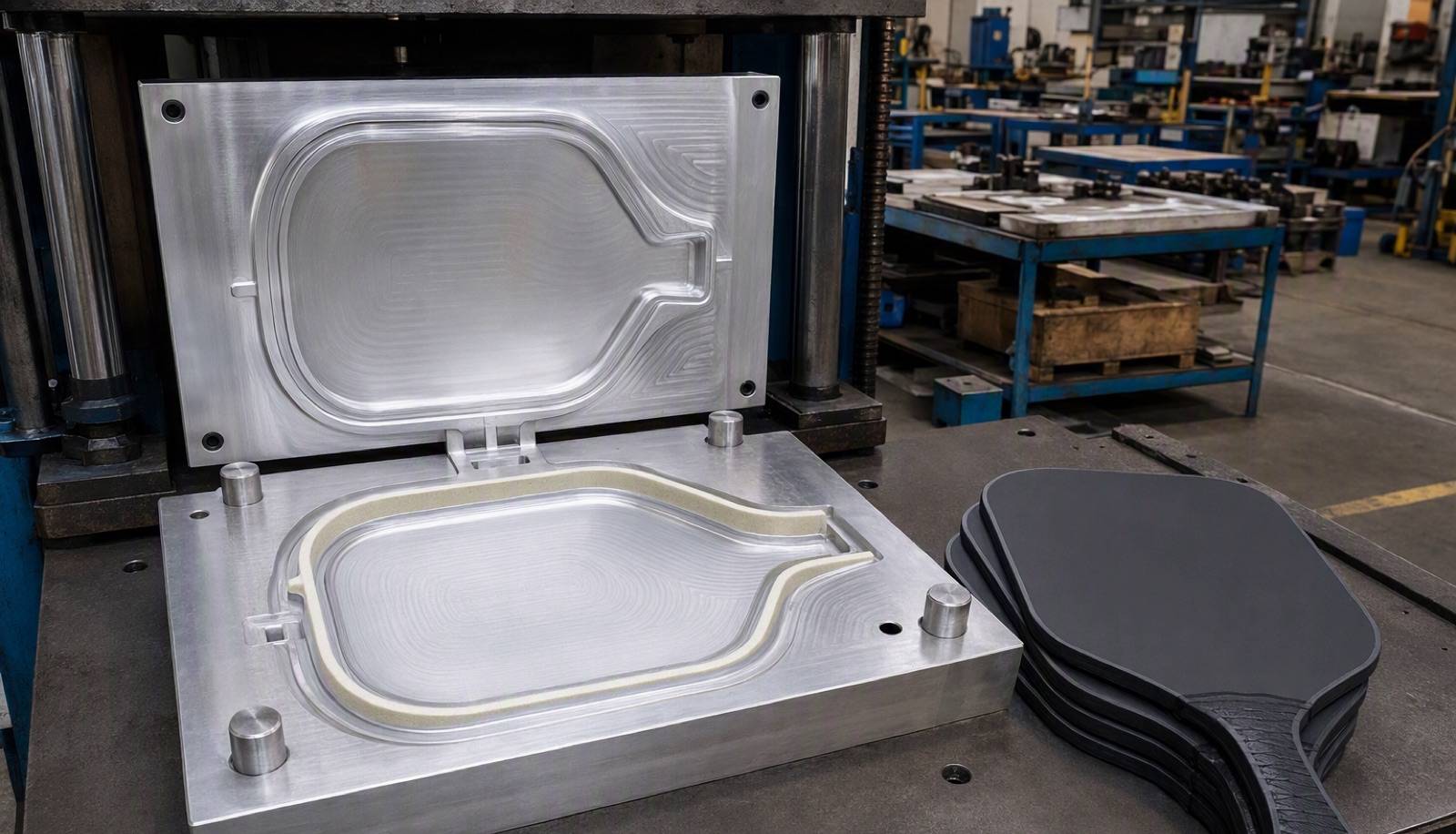
The published floors decide whether you face the choice at all. Paddles start at 50 pcs and balls at 1,000 pcs at this factory, a quantity a stock body carries with a printed logo and a polybag. Opening a paddle mould and commissioning printed retail packaging belong on the reorder, priced against a measured sell-through rate. This factory’s private-label programme lists its first-order service set as low order floors, golden-sample approval, quality control before dispatch, and DDP delivery.
One exception promotes tooling up the ladder. If the shape itself is what you sell and a stock body cannot express it, the mould is the product and deferring it defers the launch. Buy it early then, with mould ownership and the IP terms, because a tool you cannot move is supplier lock-in at full price.
What To Buy Instead On Order One
A written specification the inspector can measure against, a golden sample signed by both sides, and a sampling plan naming the current edition. Those three cost a fraction of a mould and each survives a change of supplier, which is the real test of a first-order purchase. The same reasoning sits behind vetting a factory before the deposit, not after the first defect.
What We Check Before A First Order Leaves The Factory
A source factory in Yiwu, Zhejiang holds three of these rungs and cannot hold the other two, and saying which is which beats a promise. Ours: the specification, the signed golden sample, and quality control against that sample before dispatch. Yours and your broker’s, under 16 CFR part 1110: classification, the bond, the certificate and the importer of record. We supply what those filings need, including the origin mark drawn rather than added at packing.
For a brand owner or importer placing a first private-label run of paddles or balls. The payment split, the sampling plan and its edition, the origin mark and the named importer belong on the build sheet.
Conclusion
Six checks before the deposit leaves, in this order:
- The order names the trade term and edition, and ties the balance to an event.
- The sampling clause names ISO 2859-1:2026, the inspection level and the AQL.
- The inspection is booked against an approved golden sample, before the balance.
- The origin mark is on the specification, not left to packing.
- The importer of record is named, the bond arranged, the classification checked.
- The mould and printed box wait for the reorder, unless the shape is the product.
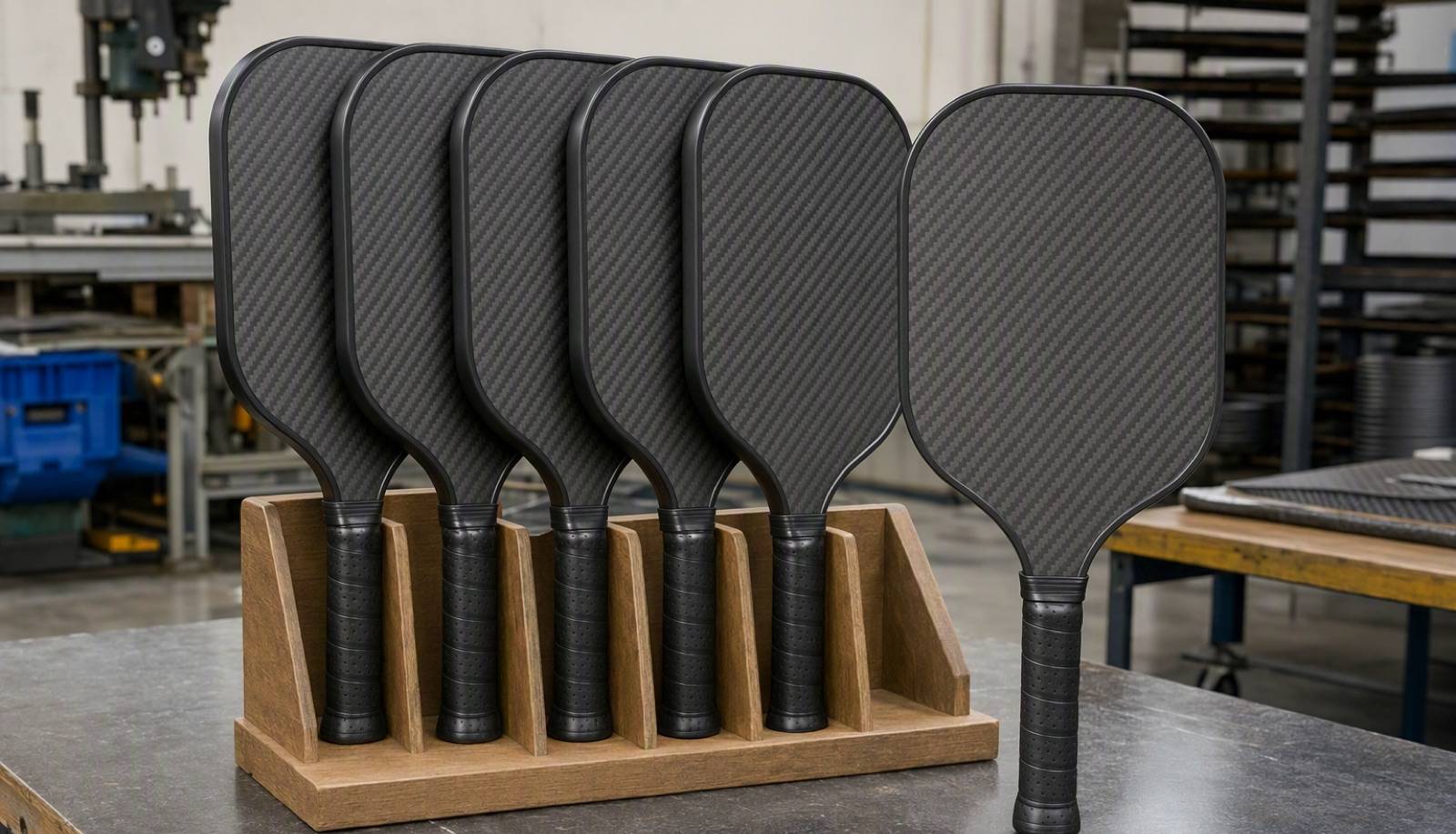
Anything you cut, cut from the bottom. A first order in a plain polybag against a signed sample and a measured inspection is a business; the same order in beautiful packaging nobody could reject on arrival is a lesson you paid retail for. If the container is already sized, full container against part load and the cost lines of a first import are next.
Frequently Asked Questions
Is a third-party inspection worth it on a small first order?
Compare two numbers rather than opinions: the fixed inspection fee against the value of the lot multiplied by the share you could not sell, plus the freight already paid on it. On a small lot the fee is a larger percentage, and the unsellable share is the same risk. Book it before the balance is released.
Which edition of ISO 2859-1 should a purchase order name?
The third edition, ISO 2859-1:2026, published on 22 January 2026. The 1999 second edition and its 2011 amendment were withdrawn on that date. Name the edition, the inspection level and the AQL together, because an AQL on its own does not identify a sampling plan.
Does a letter of credit protect me against defective goods?
No. A documentary credit under UCP 600, in force since 1 July 2007, pays against conforming documents. Banks examine paper, not products, so a complete document set can accompany a lot you cannot sell. Quality protection comes from the specification, the golden sample and the inspection.
Do imported pickleball paddles need a CPSC certificate?
Only if the finished product is subject to a consumer product safety rule. For a product inside that scope the importer is the certifier under 16 CFR part 1110, and since 8 July 2026 the certificate data is filed electronically at entry. Third-party testing is a children’s-product requirement. Confirm your own SKU with the CPSC or a licensed customs broker.
Want to source this quality for your brand?
Contact our factory directly on WhatsApp for an instant MOQ and pricing quote.